How to Identify Natural Ingredients in Beauty Products: A Practical Guide
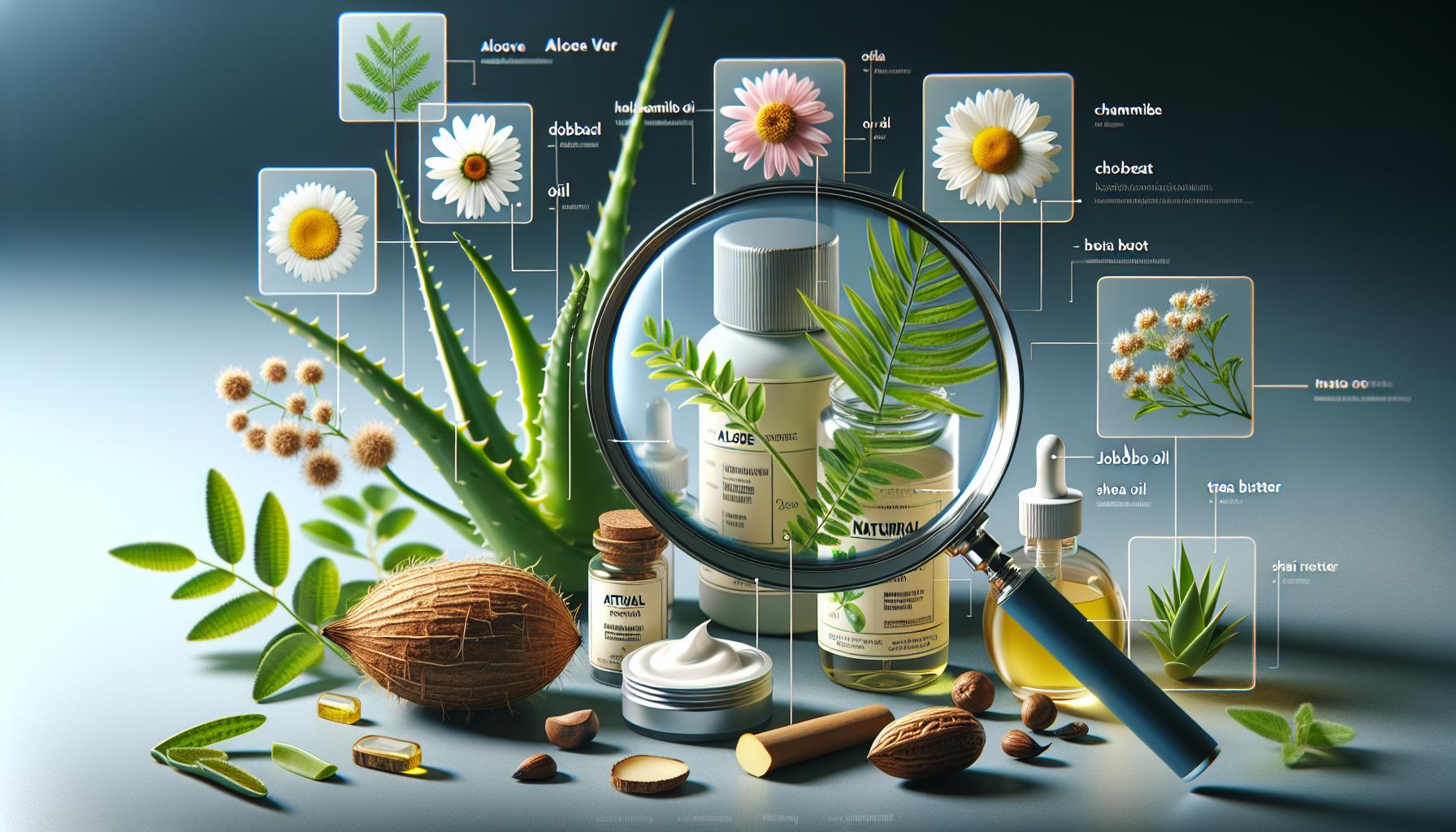
Understanding Natural Ingredients in Beauty Products
As consumers continue to embrace a more health-conscious and environmentally aware lifestyle, their choices in beauty products have shifted significantly. The importance of knowing what goes into these products cannot be overstated, particularly as people become increasingly wary of synthetic chemicals and their potential effects. When selecting beauty products, the presence of natural ingredients plays a pivotal role in ensuring both personal well-being and ecological mindfulness.
To make informed choices, it is crucial to understand the terminology surrounding natural beauty products. Terms like “organic,” “natural,” and “made with natural ingredients” can often be misleading, as they are not regulated consistently in the United States. For instance, “natural” does not guarantee that a product is free of synthetic components—some products might still contain harmful additives alongside natural ones. Accordingly, consumers must approach these labels with a discerning eye.
Certifications Matter
When evaluating beauty products, looking for certifications can provide much-needed clarity. Accreditations such as EcoCert, USDA Organic, and the International Certification Organization (ICO) signify that a product adheres to rigorous standards in its sourcing and production. For example, USDA Organic only permits products to contain 95% or more organic ingredients, ensuring that harmful pesticides and additives are excluded. Such certifications bolster consumer confidence in their purchases, promoting transparency in an industry often cloaked in ambiguity.
The Ingredient List Is Your Guide
Another effective strategy in identifying quality beauty products is closely examining the ingredient list. Ingredients are typically listed in descending order of concentration, meaning that the first few should predominantly be derived from nature. For instance, if an exfoliating scrub lists sugar or salt as the top ingredient, it suggests a more natural base compared to a product with parabens or sulfates at the forefront. It’s essential for consumers to recognize and understand common additives like dimethicone or sulfates, which are frequently included in mainstream products but can be harsh on the skin.
While natural ingredients usually boast benefits such as being less irritating and more compatible with various skin types, it’s important to remember that they are not universally safe. Ingredients like essential oils or botanical extracts, although natural, can still cause adverse reactions or allergic responses in some individuals. Therefore, thorough research into personal skin types and potential allergens is advisable before committing to a new product.
Ultimately, equipping oneself with knowledge about natural versus synthetic formulations can significantly enhance one’s beauty routine. By being proactive in learning about product compositions, consumers can align their choices with their values, leading to a more sustainable and health-oriented lifestyle. This informed approach not only benefits individual well-being but also contributes to broader environmental sustainability efforts, fostering a marketplace that respects both people and the planet.
DISCOVER MORE: Click here to learn how stress impacts your skin
Deciphering Labels: What to Look For
Navigating the world of beauty products can be overwhelming, especially with the myriad of labels and claims that fill the shelves. To make the most informed choices regarding natural ingredients, it’s essential to decipher the language of beauty product labeling. Here are some key aspects to keep in mind:
Common Terms and Their Meanings
Beauty brands often use specific terms to convey the quality of their ingredients. Here are a few common phrases and their implications:
- Natural: This term lacks a strict legal definition in the U.S. It could mean that some, but not all, ingredients derive from natural sources, leaving room for potentially harmful synthetics.
- Organic: This term indicates that a product’s ingredients are grown without the use of synthetic fertilizers or pesticides. Look for the USDA Organic seal to ensure credibility, which guarantees at least 95% organic content.
- Plant-based: Ingredients are sourced from plants, but this term does not exclude the use of synthetic agents in the product formulation, so caution is still warranted.
- Cruelty-free: While this term signifies that no animal testing was conducted, it does not provide information about the ingredients’ natural composition.
Understanding these terms can help clarify what you are putting onto your skin and ensure that you are making choices that align with your values regarding natural ingredients.
Researching Ingredients: The Power of Knowledge
In addition to deciphering labels, doing a bit of homework on ingredients can vastly enhance your shopping experience. Familiarizing yourself with common natural ingredients and their benefits can not only help you identify quality products but also inform your beauty regimen.
For example, ingredients such as:
- Aloe Vera: Renowned for its soothing properties, ideal for hydration and redness reduction.
- Jojoba Oil: Closely resembles natural sebum, making it effective for moisturizing without clogging pores.
- Shea Butter: A rich emollient known for deep hydration and nourishing dry skin.
- Tea Tree Oil: Celebrated for its antibacterial properties, often used in acne treatments.
By learning to recognize these ingredients and understanding their efficacy, you can make confident choices that promote the health of your skin while avoiding less favorable additives commonly found in mainstream products, such as phthalates or synthetic fragrances.
Taking the time to research and understand the ingredients in your beauty products not only empowers you as a consumer but also sparks a deeper appreciation for the natural elements found in the beauty industry. With your newfound knowledge, you are one step closer to embracing a beauty routine that nourishes both your skin and the environment.
| Category | Description |
|---|---|
| Plant-Based Ingredients | Rich in nutrients that nourish the skin, plant-based extracts are often derived from herbs, flowers, and fruits. |
| Essential Oils | Natural aroma and therapeutic properties, essential oils can enhance beauty products and provide additional health benefits. |
| Organic Certifications | Regulations and standards that ensure the purity of ingredients, offering consumers peace of mind when choosing products. |
| Synthetic Additives | Potential harmful effects can arise from synthetic ingredients, making it crucial to differentiate between natural and artificial components. |
In today’s beauty market, understanding how to identify natural ingredients in products is essential for making informed decisions. The rise of eco-conscious consumers has led to a growing demand for transparency in formulations. To further expand your knowledge, familiarizing yourself with ingredient labels is critical. Ingredients are typically listed in descending order of predominance, allowing you to identify the main components of the product easily. Look out for plant-based ingredients such as aloe vera, shea butter, and coconut oil, which are commonly found in high-quality natural beauty products. Moreover, checking for organic certifications can significantly enhance your confidence in the integrity of the ingredients. Certifications such as USDA Organic or ECOCERT ensure rigorous testing and compliance with specific organic standards. Emphasizing essential oils and their therapeutic benefits can also elevate your beauty routine, as these naturally derived oils possess various properties that can support skin health. Learning about these ingredients not only enriches your understanding but also empowers you to select products that align with your values toward sustainability and wellness. Explore further to uncover the secrets behind beauty formulations that prioritize natural and organic components.
DON’T MISS: Click here to discover essential hydration tips
Understanding Ingredient Lists: A Closer Look
Once you’ve grasped the meanings behind common terms, the next step in your journey toward identifying natural ingredients is to examine the ingredient lists on packaging. Ingredient lists are typically presented in descending order of concentration; the first ingredients listed are the most abundant in the product. This is a crucial piece of information that can guide you in your selection process.
Identifying Hidden Chemicals
Not all ingredients that sound scientific are harmful, but many synthetic chemicals can be a cause for concern. Ingredients such as parabens, sulfates, and synthetic fragrances can disrupt hormonal balance and cause irritation. Here are some common synthetics to watch out for:
- Parabens: Used as preservatives, these can mimic estrogen and may interfere with hormone function.
- Sulfates: Found in many shampoos, sulfates are effective for cleaning but can strip hair and skin of natural oils, leading to dryness.
- Fragrance: This generic term can encompass a multitude of chemicals, some of which may cause allergies and skin sensitivities.
- Artificial Colors: Often derived from petroleum, these can pose risks such as skin irritation and are not representative of natural beauty options.
Familiarizing yourself with these ingredients and conducting a quick online search can provide insight into the potential effects they may have on your health, helping you make more conscious decisions.
Looking for Transparency in Brands
Another compelling indicator of a brand’s dedication to natural ingredients is its transparency regarding sourcing and manufacturing practices. Many brands that prioritize natural beauty will readily provide information on:
- Ingredient Sourcing: Look for brands that are open about where their ingredients are sourced. Local procurement and sustainable practices are often hallmarks of quality.
- Production Processes: Brands that invest in the purity of their products typically have rigorous testing and quality control measures in place.
- Certifications: Aside from the USDA Organic seal, look for certifications such as Non-GMO and Fair Trade, which can offer additional assurances regarding ingredient integrity.
Researching a brand’s ethos and values can provide valuable context for its ingredient choices and help you identify companies that align with your own commitment to natural products.
Utilizing Smartphone Apps and Online Resources
In the digital age, the tools available to consumers seeking natural beauty products have never been more robust. Smartphone applications, such as Think Dirty and EWG Skin Deep, allow you to scan barcodes and evaluate the safety of ingredients instantly. These apps provide access to databases that rate products based on harm potential, sustainability, and overall health impact.
Moreover, online resources such as blogs, forums, and even social media platforms can offer crowdsourced insights into the efficacy and safety of various beauty products. Engaging with these communities can enhance your research and keep you informed about trending natural ingredients and products.
Embracing these strategies can significantly enhance your ability to identify natural ingredients, paving the way for a beauty routine that is not only effective but also aligns with your values regarding health and sustainability.
DIVE DEEPER: Click here to learn about contouring techniques
Final Thoughts: Cultivating a Conscious Beauty Routine
In a marketplace flooded with options, ensuring that the beauty products you choose harness the power of nature can be both enlightening and empowering. By following the practical steps outlined in this guide, you can become an informed consumer, capable of discerning natural ingredients from synthetic alternatives. Understanding ingredient lists, recognizing hidden chemicals, and searching for brand transparency are just the beginning of your journey toward healthier beauty choices.
Consider the role that technology plays in your decision-making process. The evolution of mobile applications and online resources has revolutionized how consumers access information about beauty products. With a simple scan, you can unveil crucial details about what you apply to your skin, giving you greater control over your health and wellbeing.
Importantly, remember that the pursuit of natural beauty is not just a trend—it’s a lifestyle choice that aligns with our responsibility towards the environment and our own health. Look for brands that share your values, as transparency and ethical sourcing reflect a dedication to quality and integrity.
As you navigate the world of beauty products, stay curious and proactive. Engage with communities that celebrate and promote natural ingredients, and never hesitate to ask questions. Empower yourself with knowledge, and you will uncover a myriad of products that not only meet your beauty needs but also cherish the earth and support your wellbeing.
In this age of information, let your choices resonate with purpose, leading you toward a more conscious and fulfilling beauty regimen.