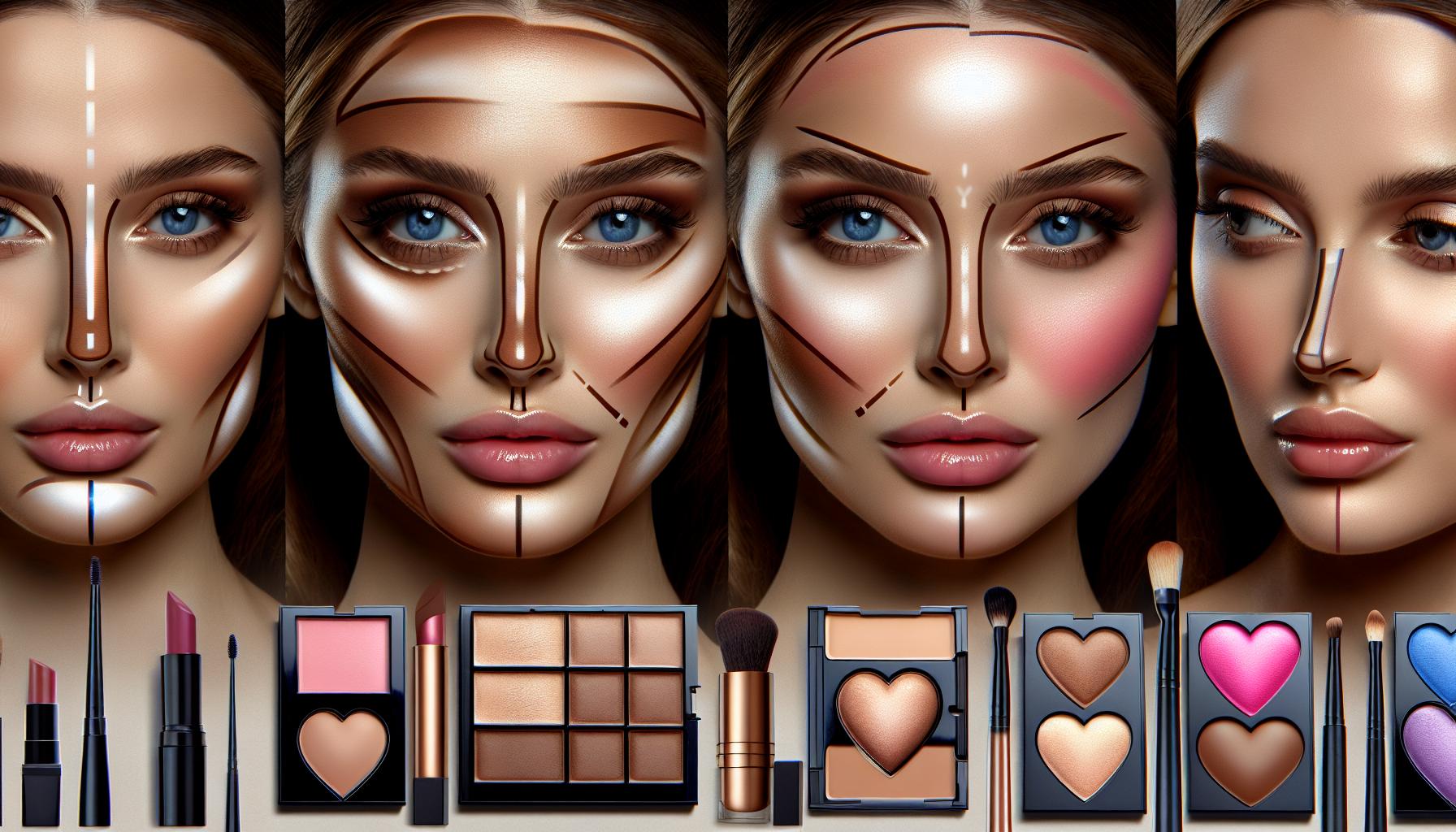
Contouring Techniques: Sculpting the Perfect Face
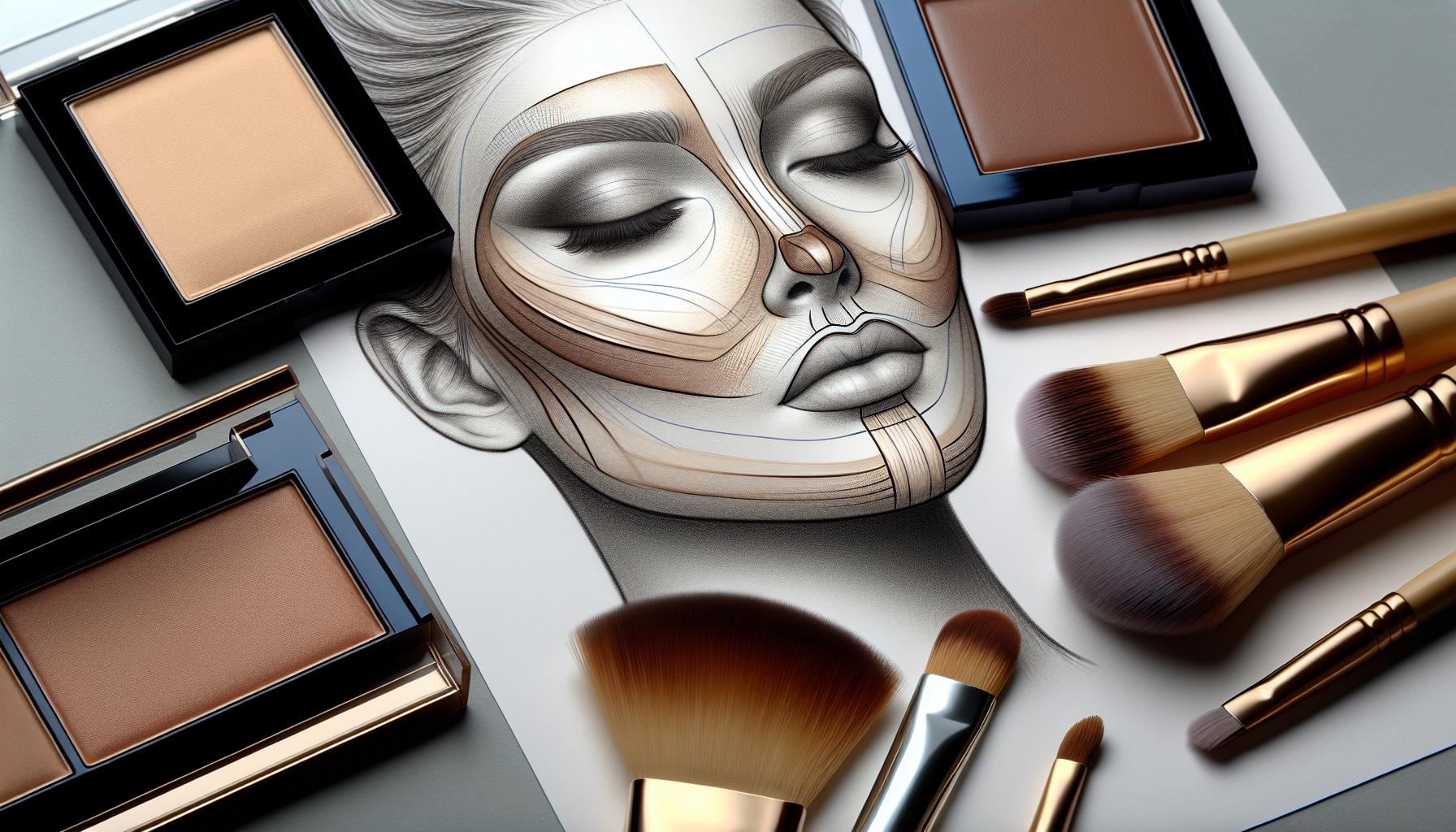
Unlocking the Art of Contouring
Every makeup enthusiast dreams of achieving that flawless look. Contouring techniques offer a pathway to sculpting an effortlessly perfect face, enhancing natural features while creating shadows and highlights. This multifaceted art form not only draws attention to one’s best attributes but also allows for creativity and self-expression through makeup.
But what exactly is contouring? At its core, contouring involves using specific makeup products designed to define and reshape the face, achieving a three-dimensional illusion on a two-dimensional plane. Here are some key elements of contouring that every makeup lover should know:
- Products: Various products such as creams, powders, and sticks are tailored for different skin types and tones. For instance, cream products are often favored for their blendability, making them ideal for dry skin, while powders may suit those with oily skin better.
- Tools: An array of tools, including brushes, sponges, and even fingertips, can be used for application. The choice of tool can significantly affect the finish; for example, a damp beauty sponge creates a more natural look, while a brush can deliver precision.
- Techniques: Different methods exist, from the classic “3 technique” that follows the shape of the face to contemporary methods seen on runways, which often involve more abstract placements of product for artistic flair.
With the correct approach, anyone can master the art of contouring, regardless of their skill level. Popular among celebrities and makeup artists, contouring has become a staple in both casual and dramatic looks, often used to:
- Define cheekbones for a more structured and youthful appearance. The placement of contour just beneath the cheekbone can lift the face considerably.
- Minimize the forehead to create a harmonious balance; applying a darker shade along the hairline can visually shorten an elongated forehead.
- Enhance the jawline for a more pronounced look, which can help in creating an elegant silhouette when paired with highlighter on the chin and above the jaw.
This article will delve into various contouring techniques, providing invaluable tips and tricks to help you sculpt your features beautifully. Whether preparing for a casual day out, a romantic dinner, or a glamorous event, mastering contouring opens up a world of possibilities. Make the most of your makeup routine by experimenting with these techniques, allowing your unique beauty to shine through with every brush stroke.
For those interested in advancing their skills, countless tutorial videos and makeup classes are available online, offering step-by-step guidance tailored to various face shapes and skin tones. By exploring these resources, you can discover the contours that suit you best, transforming your everyday makeup into a work of art.

DISCOVER MORE: Click here for insights on the latest trends
Understanding Contour: The Basics of Sculpting
To begin your journey towards mastering contouring techniques, it’s essential to understand the fundamental aspects that lay the groundwork for this transformative art. Contouring is not merely about applying makeup; it’s about enhancing your natural beauty and defining your features through strategic placement of shadows and highlights. Here, we will explore the foundational elements that make contouring effective and elevate your makeup game.
The Anatomy of the Face
Before diving into specific techniques, a basic knowledge of facial anatomy is crucial. Understanding the bone structure of your face allows for more precise contouring, ensuring that your makeup mimics natural shadows and highlights. The key areas to focus on include:
- Cheekbones: These are often the focal point of contouring. Accentuating the area just below the cheekbone can define your face and provide that coveted sculpted look.
- Forehead: Applying contour along the hairline can visually reduce the size of a prominent forehead, providing balance to the overall facial shape.
- Jawline: Defining the jawline helps create an elegant silhouette, particularly beneficial for face shapes that desire more definition.
- Nose: Subtle contouring can narrow the appearance of your nose, giving it a more refined look without overdoing it.
Familiarizing yourself with these points will enable you to identify where to apply contour and highlighter effectively, thereby enhancing your facial structure rather than hiding it.
Choosing the Right Shades
Your choice of colors is equally important in achieving a seamless contour. Selecting the right shades involves understanding the undertones of your skin. Here are some guidelines to consider:
- Contour Shades: Look for cool-toned products (think grays and taupes) for a more natural shadow effect, while warm tones might appear more like bronzer. Aim for a shade that is 2-3 shades darker than your natural skin tone.
- Highlight Shades: Choose products with warm undertones, like soft champagne or peachy colors. These shades should be 2-3 shades lighter than your skin tone to effectively capture and reflect light.
By focusing on both the anatomy of your face and your color choices, you can lay a strong foundation for effective contouring. Remember, the goal of contouring is not to mask your appearance but to bring out your unique features with finesse and artistry. The right techniques, combined with a clear understanding of your facial structure, will allow you to sculpt the perfect face, whether for everyday wear or a glamorous night out.
As you progress in your contouring journey, experimentation will be your best ally. Don’t hesitate to mix and match techniques to find the combination that enhances your beauty most effectively. With practice, contouring can become an exciting aspect of your makeup routine, unlocking endless possibilities for self-expression.
Understanding Contouring Techniques: Essential Tools and Methods
To achieve the look of a perfectly sculpted face, understanding the essential tools and methods of contouring is crucial. With a plethora of products on the market, ranging from creams to powders, the right choice often depends on your skin type and desired finish. Cream contours usually provide a more natural and dewy look, while powders can offer a matte finish, ideal for oily skin types.Brushes and Sponges play a significant role in the application process. A tapered brush is perfect for precise application, while a beauty sponge can help blend the product seamlessly into the skin for a flawless finish. Choosing the right shades is equally important; typically, you would want a contour that is 2-3 shades darker than your natural skin tone and a highlighter that is 1-2 shades lighter.
Different Techniques to Master
There are several contouring techniques to explore, including the traditional method, the reverse contouring, and the strobing technique. The traditional method involves applying darker shades in areas where shadows naturally occur, such as under the cheekbones and along the jawline, while lighter shades highlight the high points such as the cheekbones, brow bone, and bridge of the nose.Reverse contouring, a technique gaining popularity, flips the traditional script by applying the lighter shade first and then defining with a darker contour. This method often results in a more luminous and fresh-faced appearance, as it emphasizes brightness in your complexion.Strobing, on the other hand, focuses solely on highlighting, bringing an ethereal glow to the skin. This technique is especially effective for those who prefer a less defined contouring look.As you delve deeper into contouring techniques, you’ll quickly discover that practice is key to mastering them. Each face shape—whether round, square, or oval—may require different techniques and approaches to achieve that enviable sculpted look.
| Advantage | Details |
|---|---|
| Enhanced Facial Features | Contouring techniques can emphasize cheekbones, jawline, and nose, providing a more defined appearance. |
| Customizable Looks | Different techniques can be tailored to match personal style or the makeup look required for any occasion. |
With countless tutorials available online, now is the perfect time to embark on your contouring journey. Experimenting with different products and techniques allows you to discover what works best for you and unleash your creative potential in makeup artistry.
DIVE DEEPER: Click here to discover the latest trends
Advanced Contouring Techniques: Elevate Your Skills
Once you have a solid understanding of the basics, it’s time to dive deeper into advanced contouring techniques that can further enhance your makeup artistry. These techniques offer opportunities to refine your skills, explore creativity, and achieve a flawless finish that not only sculpts your face but also aligns with current beauty trends.
The 3D Contouring Approach
The concept behind 3D contouring is to create the illusion of depth and dimension on your face by carefully manipulating light and shadow. This technique involves the strategic use of contour, highlighter, and blush to give your face a more vibrant and youthful look. To master this approach, consider the following:
- Layering Products: Use a cream contour for the base, followed by a powdered contour for added depth, and finish with highlighter on the high points. This multi-layering technique helps in building a 3D effect that can appear more natural and long-lasting.
- Attention to Light Reflection: Highlighters with different finishes—such as dewy or matte—can significantly change how light behaves on your face. Experimenting with liquid, cream, or powder highlighters can help find the perfect combination for your skin type and desired effect.
This layered approach not only enhances your facial features but also allows for adjustments based on lighting conditions, whether you’re outside in sunlight or under bright indoor lights.
Contouring Tools and Techniques
The tools you use can make a significant difference in achieving a polished contour. Here are some essential tools and techniques to consider:
- Brushes: A dense, angled brush is excellent for applying contour to the cheekbones and jawline, while a fan brush can provide a more diffused application of highlighter.
- Sponges: Beauty blenders and sponges can help achieve a seamless finish, particularly with cream products. When using a sponge, dab rather than swipe for a more natural-looking blend.
- Fingers: Don’t underestimate the power of your fingers! They generate warmth that can help melt cream products into your skin for a truly blended finish.
Ultimately, mastering these tools will enhance your ability to create the desired contours and highlights, making your makeup application swift and effective.
Customizing Contour for Different Face Shapes
Every face shape possesses unique characteristics that can benefit from tailored contouring. By adjusting your technique based on your individual face shape, you can create a more harmonious look. Here are some recommendations:
- Round Faces: Focus on contouring the sides of the forehead and under the chin to elongate the face. Highlighter placement on the center of the forehead and cheekbones can add balance.
- Square Faces: Contour the corners of the forehead and jawline to soften sharp angles. A little highlight on the center of the chin can create a more rounded appearance.
- Heart-Shaped Faces: Emphasize the cheekbones while contouring the forehead and chin to create symmetry. Highlighter should be applied to the center of the brow and cheekbones for a soft glow.
Identifying your face shape and adjusting your contouring techniques accordingly ensures that you enhance natural beauty while working with your facial structure.
By incorporating these advanced techniques into your routine, you not only elevate your understanding of makeup but also contribute to your personal expression of beauty. With continuous practice and mindful experimentation, contouring can be not only an art form but also a joyous exploration of what makes you uniquely you.
DISCOVER MORE: Click here to learn about the latest trends
Conclusion: Mastering the Art of Contouring for a Flawless Look
In the journey of mastering contouring techniques, it is essential to appreciate the transformative power that contouring holds. From the foundational principles to advanced strategies like 3D contouring, you have the tools to enhance your natural beauty and embrace the art of makeup. Tailoring your approach based on individual face shapes ensures that your contouring effectively highlights your unique features, allowing for a personalized touch that reflects who you are.
As you continue to refine your skills, remember that the beauty of contouring lies not just in the products and techniques, but also in the confidence you gain from experimenting and discovering what works best for you. Whether you opt for brushes, sponges, or your fingertips, understanding how to apply these tools skillfully can lead to a professional finish that feels effortless. Each layer of product is an opportunity to balance light and shadow, accentuating the areas of your face you wish to highlight while softly defining others.
In a world where beauty standards are constantly evolving, contouring remains a steadfast technique that allows for creativity and self-expression. Embrace this journey not only to sculpt your perfect face but to celebrate your individuality. With dedication and practice, contouring can transform into a beautiful ritual, enhancing both your external appearance and internal confidence. As you explore these contouring techniques, remember—the perfect face is one that reflects your unique essence.