The Evolution of Natural Ingredients in Cosmetics: From Traditional to Modern
The Evolution of Natural Ingredients in Cosmetics
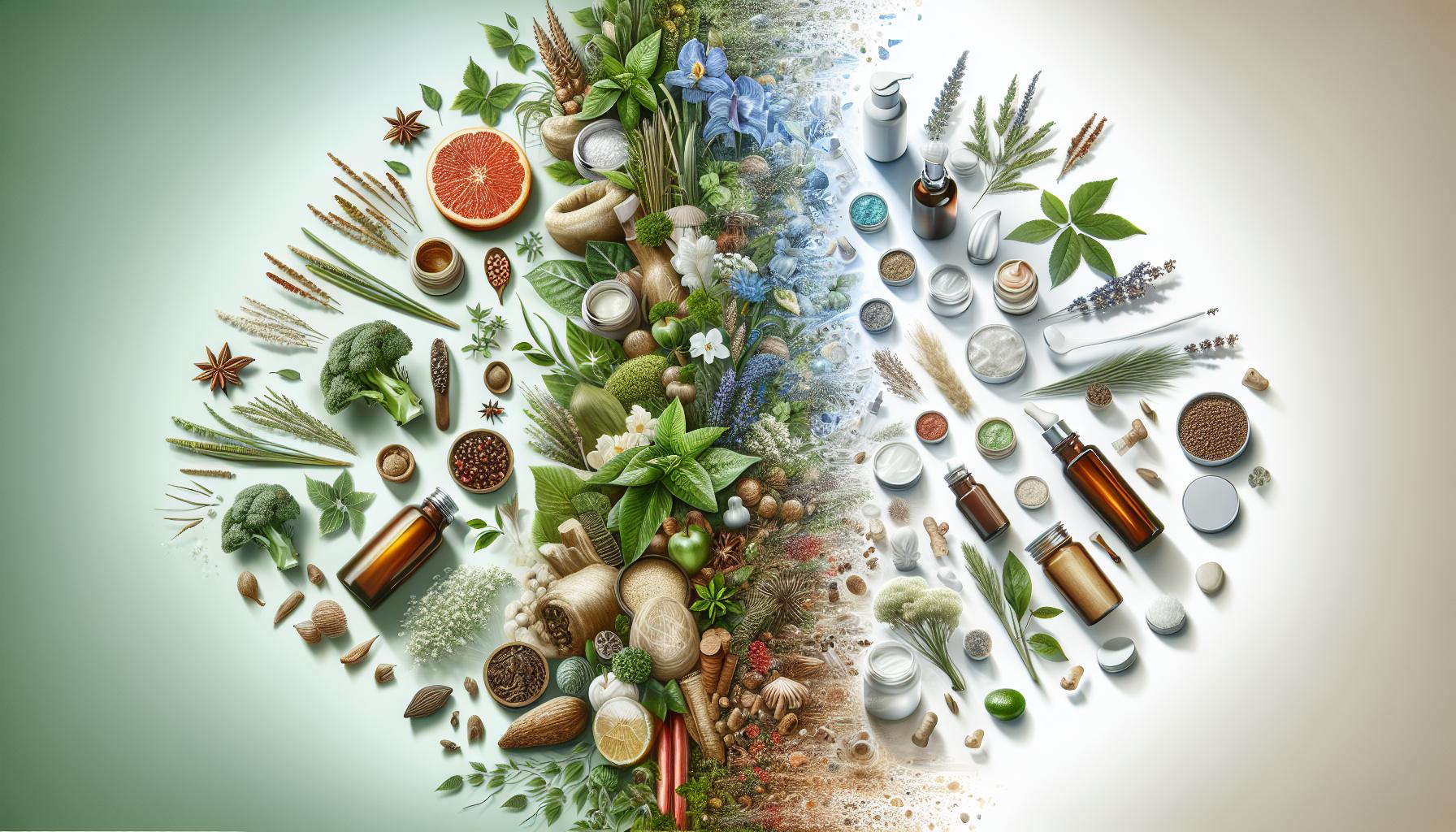
Across the centuries, the world of cosmetics has undergone significant transformations, transitioning from ancient holistic practices to contemporary, tech-driven innovations. At the heart of this evolution lie natural ingredients, which have continuously played a pivotal role in beauty rituals. These ingredients not only reflect the practices of diverse cultures but also utilize the resources available in specific regions, showcasing the intrinsic connection between nature and personal care.
Ancient Practices
Various indigenous cultures harnessed the power of local botanicals long before modern science began exploring their benefits. For instance, Indigenous peoples in North America utilized wildflowers and herbs to create natural dyes and remedies that aided skin health and beauty. The ancient Egyptians were pioneers in the use of cosmetics, employing ingredients such as castor oil, which not only served as a skin moisturizer but also as an eyelash enhancer and fungicide.
Traditional Ingredients
Throughout history, certain ingredients remained integral to beauty rituals across the globe. For example, honey has served as a natural humectant for centuries, helping to hydrate and soothe the skin. Meanwhile, clay has been used in various cultures for its purifying properties, drawing impurities from the skin. Essential oils, derived from plants, have similarly held value, providing aromatic and therapeutic benefits that enhance both physical and mental well-being.
Modern Developments
In today’s beauty landscape, there is a fusion of traditional wisdom and modern technology. Many contemporary cosmetic formulations now integrate these beloved historical elements with scientific advancements. Brands are increasingly developing products that not only utilize natural ingredients but also utilize sustainable sourcing practices to minimize environmental impact. For instance, botanicals like green tea and shea butter are commonly found in formulations, combining their historical roots with modern efficacy and sustainability.
The demand for cleaner, environmentally friendly products has surged, leading consumers to reevaluate what constitutes effective beauty solutions. This cultural shift is not merely a passing trend; it has sparked significant innovation within the industry. Emerging brands are opting for transparency, showcasing their ingredient lists, and often harnessing the power of social media to educate consumers about the benefits of natural ingredients.
As we explore the adaptation and flourishing of these natural elements, we begin to understand how they have profoundly shaped the cosmetics landscape we see today. From the early days of herbalism to the innovative formulations in sleek containers found in shops across the United States, the journey of natural ingredients reflects a narrative of resilience and creativity that honors both our history and paves the way for the future of beauty.
DISCOVER MORE: Click here for insights on choosing natural beauty products
Rediscovering Ancient Wisdom
The path to contemporary beauty is remarkably interwoven with the powerful traditions of the past. As interest in natural ingredients resurges, more consumers are turning to the collective knowledge of ancient civilizations. These societies not only revered the healing properties of local flora but also established practices that are making a significant comeback in today’s beauty industry.
Herbal Remedies and Cultural Significance
In many cultures, herbal remedies were not merely practical – they were deeply embedded in spiritual and cultural identity. For instance, in traditional Chinese medicine, specific herbs were combined to create powerful tonics and topical treatments for skin ailments and beauty enhancement. Ingredients like ginseng and lotus extract have been integral to beauty regimens for millennia, renowned for their potent anti-aging properties and ability to nourish the skin.
Similarly, Indigenous Australian communities have a long-standing history of using plants for both their nutritional and medicinal benefits. Tea tree oil, known for its antiseptic and anti-inflammatory properties, is a prime example. It has transcended from traditional healing practices to become a cornerstone ingredient in modern skincare products, particularly for those with acne-prone skin.
Key Ingredients Steeped in Tradition
As the beauty industry has evolved, several ingredients continue to stand out, bridging the gap between traditional practices and modern formulations:
- Aloe Vera: Cultivated since ancient Egypt, aloe vera is celebrated for its soothing properties and is widely used in modern moisturizers and sunburn relief products.
- Coconut Oil: A staple in tropical regions, this oil has found its way into hair and skincare products due to its moisturizing properties and versatility.
- Argan Oil: Often dubbed “liquid gold,” this ingredient from Morocco has been utilized for its nourishing qualities and is now a favorite in hair care and skin serums worldwide.
- Rosewater: Used in ancient Persia for its aromatic and skin-soothing properties, rosewater has regained popularity in toners and facial mists, embodying the essence of natural skincare.
The resurgence of these traditional ingredients emphasizes a significant trend in the cosmetics industry: consumers are not just looking for effective products but are also becoming increasingly conscious of the stories and origins behind those products. There is a collective yearning for genuineness and connection to the earth, leading to innovative blends that respect heritage while embracing modern aesthetics.
Today’s consumers are not only drawn to the efficacy of these natural ingredients but also to their sustainability. The modern beauty industry is responding by prioritizing ethical sourcing and transparency, addressing the concerns of eco-minded individuals. As we delve deeper into this evolving narrative, it becomes clear that notions of beauty are intertwined with principles of sustainability and respect for natural resources, shaping the future of cosmetics for generations to come.
The Changing Landscape of Cosmetic Ingredients
As we explore the evolution of natural ingredients in cosmetics, it’s essential to recognize the shifts in consumer preferences and regulatory frameworks that have influenced this trend. In recent years, there has been a significant movement towards sustainability and transparency. Consumers are increasingly demanding eco-friendly products that utilize natural resources responsibly. This shift is driving cosmetic brands to reevaluate their ingredient lists and prioritize plant-based alternatives over synthetic counterparts.The traditional cosmetic formulations often relied heavily on animal-derived ingredients and synthetic chemicals. However, the modern cosmetic industry emphasizes the importance of plant-based components such as essential oils, herbal extracts, and biodegradable elements. These ingredients are not only perceived as safer for the skin but also better for the environment. For instance, the use of botanical extracts, like chamomile and aloe vera, has gained popularity due to their soothing and nourishing properties.Moreover, innovation plays a crucial role in enhancing the efficacy of natural ingredients. With advancements in cosmetic technology, brands are now able to extract potent compounds from plants, ensuring higher concentrations of active ingredients that can deliver significant benefits. Techniques such as supercritical CO2 extraction have enabled a more concentrated form of the beneficial constituents found in natural sources.This evolution is not merely a trend; it signifies a profound change in our understanding of skincare. With a backing of research and substantial marketing efforts, natural ingredients are now at the forefront, appealing to a wide demographic. From millennials favoring clean beauty to older generations interested in more holistic approaches, the consumer base is expanding rapidly.Incorporating natural elements is also a response to growing concerns regarding skin health and allergies associated with artificial additives. As brands pivot towards inclusivity and diversity, they have begun to formulate products that cater to all skin types and conditions, thereby offering something for everyone. The embrace of customizable skincare, featuring natural ingredients, further underscores this inclusive movement. Now, let’s delve deeper into the advantages of these natural treatises through a table that encapsulates the benefits and features of this transformative shift in cosmetic formulation.
| Advantages | Key Features |
|---|---|
| Enhanced Safety | Natural ingredients minimize skin irritation and allergic reactions, making them suitable for sensitive skin. |
| Sustainability | Utilization of renewable resources leads to a lower environmental impact and promotes eco-friendly practices. |
Now that we understand the key advantages of natural ingredients in cosmetics, it is essential to explore the implications this evolution holds for the future of the beauty industry.
DIVE DEEPER: Click here to discover the latest trends
Modern Adaptations and Innovations
As the cosmetics landscape continues to evolve, the integration of natural ingredients has been redefined by innovation and scientific research. Today, brands are not only leveraging ancient formulations but are also combining them with cutting-edge technologies to enhance the efficacy and appeal of products. This blend of tradition and modernity serves as a testament to the versatility and potential of natural ingredients in the beauty industry.
Biotechnology’s Role in Natural Ingredients
One remarkable advancement is the use of biotechnology in extracting and refining natural ingredients. In recent years, biotechnological methods have enabled the cosmetic industry to produce more effective and sustainable formulations. For example, advances in fermentation processes allow companies to harness the power of microorganisms to create potent compounds from natural sources. Ingredients like fermented rice extract have gained traction, celebrated for their ability to improve skin texture and protect against aging.
Additionally, companies are utilizing plant stem cell technology to create more resilient and effective ingredients. These plant cells are harvested from rare or endangered species and are meticulously cultivated in laboratories, preserving their beneficial properties while ensuring sustainability. This technology not only adheres to ethical standards but also produces highly concentrated active substances that enhance the performance of various cosmetics.
The Rise of Clean Beauty
The modern consumer is increasingly sophisticated and discerning, leading to the rapid rise of the clean beauty movement. This trend emphasizes products that are free from toxic chemicals and synthetic ingredients, further cementing the place of natural ingredients in cosmetics. Brands that promote transparency in ingredient sourcing and formulation are thriving as consumers seek safer alternatives for their skincare and makeup needs. For instance, the popularity of mineral makeup has surged, as products utilize natural minerals to provide coverage without hazardous additives.
Innovation in Packaging and Sustainability
Alongside formulations, the packaging innovations within the beauty industry reflect a growing commitment to sustainability. Brands are now opting for eco-friendly materials, using recycled and minimal packaging to align with the ethical consumerism trend. The emphasis on sustainability extends to the entire lifecycle of beauty products, with many companies adopting refillable packaging options that reduce waste and promote longevity.
Consumer Education and Engagement
Moreover, there is a distinct shift towards consumer education about the benefits of natural ingredients. Brands are actively engaging customers through informative campaigns that highlight the origins, potency, and applications of their ingredients. This transparency not only fosters trust but also empowers consumers to make informed choices about the products they use on their skin.
Initiatives such as workshops and digital platforms dedicated to natural beauty encourage deeper connections with the rich history of these ingredients, making the beauty experience not just personal, but also culturally and educationally enriching. This movement is indicative of a larger trend where consumers are actively seeking out products that resonate with their values and lifestyles, setting a new standard for the future of cosmetics.
DISCOVER MORE: Click here to learn how to choose the best natural beauty products
Conclusion
The journey of natural ingredients in cosmetics reflects a rich tapestry woven from tradition, innovation, and the modern consumer’s values. What began as an age-old reliance on nature’s bounty has transformed dramatically through scientific advancements and technological innovations. From the meticulous extraction processes enabled by biotechnology to the rise of the clean beauty movement, the approach to beauty has evolved into one characterized by sustainability, efficacy, and transparency.
Today’s consumers are not merely passive recipients but active participants in their beauty choices, increasingly drawn to brands that champion ethical practices and natural formulations. The modern consumer’s demand for products that align with their lifestyles underscores the necessity for brands to innovate responsibly, incorporating environmentally friendly packaging and educating the public about the origins and benefits of their products. Furthermore, the emphasis on core values rooted in cultural heritage enriches the beauty experience, making it not only a personal regimen but also a journey of discovery.
As we look to the future, the relationship between traditional natural ingredients and modern practices will undoubtedly continue to deepen. This evolution presents a unique opportunity for the cosmetics industry to uphold artistry while embracing science, leading to a more conscious and informed approach to beauty. In a world increasingly aware of the impact of personal choices, the evolution of natural ingredients serves as a reminder of the balance between nature and innovation—a synergy that promises a vibrant and diverse future for cosmetics.