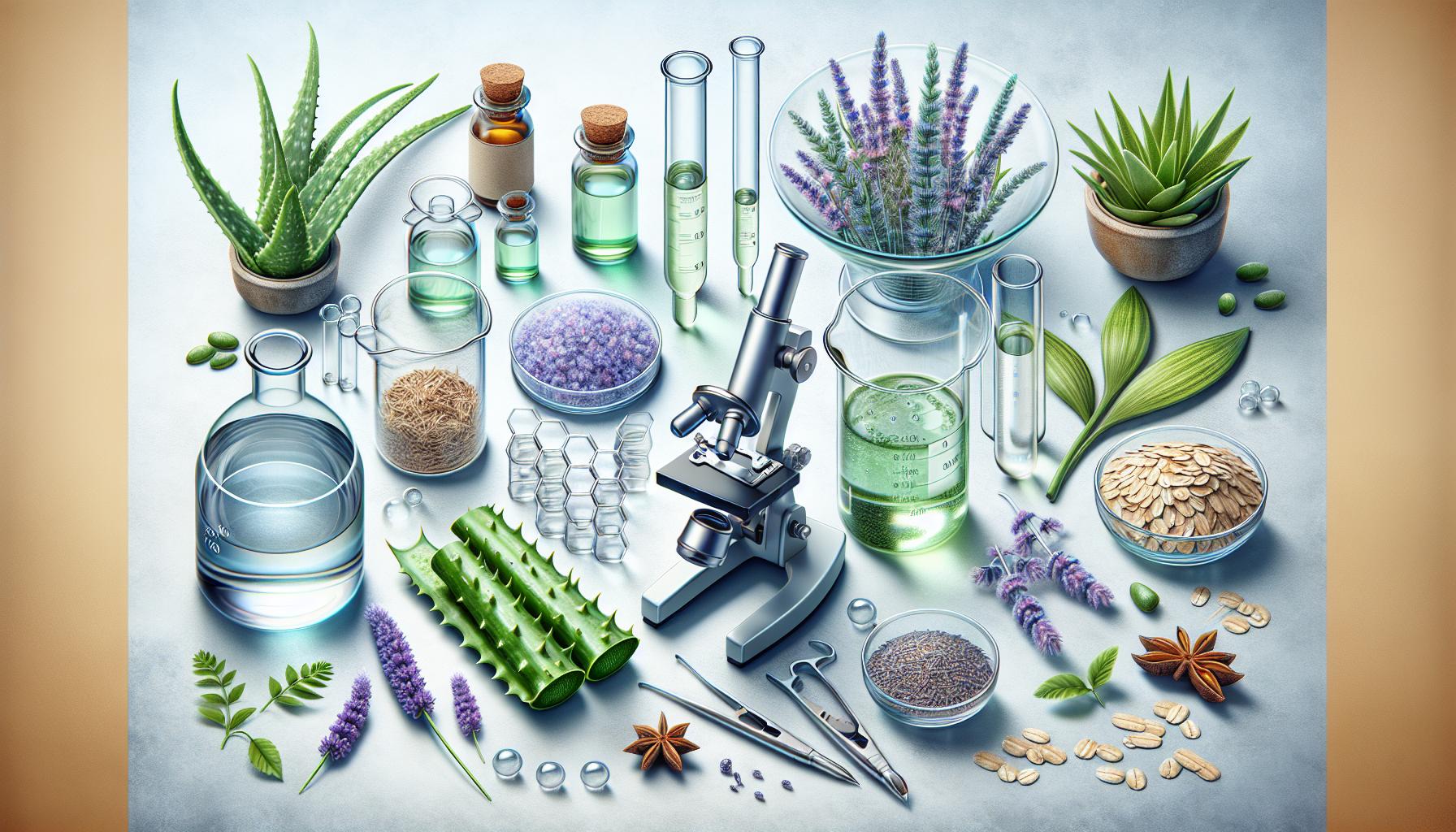
The Influence of Natural Ingredients in the Formulation of Hypoallergenic Makeup

Understanding the Surge in Demand for Natural Ingredients in Makeup
As consumers become more conscious of their health and the environment, the beauty industry is witnessing a remarkable transformation. The trend towards natural ingredients, particularly in hypoallergenic makeup, is at the forefront of this change. This shift is driven not only by a desire for safer products but also by an increasing awareness of the ingredients that constitute these everyday essentials.
Hypoallergenic makeup is specifically formulated to minimize the risk of skin irritation and allergic reactions. This is particularly important for individuals with sensitive skin or conditions such as eczema and rosacea. Here are some of the key reasons why the use of natural ingredients in makeup is gaining momentum:
- Safety: Many natural components, such as shea butter and coconut oil, are known for their soothing properties. Unlike synthetic ingredients, which may contain irritants, these natural substances tend to be gentler on the skin. This is a major selling point for consumers seeking products that will not aggravate their skin conditions or cause discomfort.
- Sustainability: The growing emphasis on sustainable beauty has led brands to source their raw materials responsibly. Ingredients like plant extracts and minerals come from eco-friendly practices, reducing the ecological footprint of the production process. Brands committed to sustainability often highlight their efforts, recognizing that eco-conscious consumers are more likely to buy products that reflect their values.
- Transparency: In today’s market, consumers demand more information about what they are putting on their skin. Many modern beauty brands are prioritizing transparency by providing detailed ingredient lists and sharing the origins of their components. This move towards full disclosure not only builds trust with consumers but also encourages informed purchasing decisions.
Moreover, the shift towards natural formulations is indicative of a deeper understanding of the relationship between skincare and overall health. Consumers are increasingly opting for products that emphasize their well-being, leading to a surge in interest in natural ingredients that support healthy skin. This has sparked a significant rise in DIY beauty practices, with many individuals turning to homemade solutions using readily available ingredients like aloe vera and honey.
As we delve further into the science behind these formulations, it’s essential to recognize the powerful properties of natural components. Ingredients such as antioxidants found in green tea and vitamin E can provide added benefits that synthetic alternatives may lack. These powerful, nature-derived ingredients are not just a trend; they are poised to redefine the landscape of beauty products in the coming years.
In conclusion, the movement towards natural ingredients in hypoallergenic makeup reflects a broader societal shift towards health, safety, and sustainability. As consumers become more informed and proactive about their choices, the beauty industry must continue to adapt and innovate, ensuring that the products they offer not only meet beauty standards but also align with the values of today’s conscientious consumers.
DISCOVER MORE: Click here for insights on diet and skin health
The Compelling Benefits of Natural Ingredients in Hypoallergenic Makeup
The incorporation of natural ingredients in hypoallergenic makeup formulations goes beyond mere consumer preference; it signifies a profound understanding of skin health and wellness. The ingredients chosen by beauty brands play a critical role in determining the safety, efficacy, and environmental footprint of their products. As we explore the specific benefits derived from these natural elements, it becomes evident why they are frequently lauded as the cornerstone of modern hypoallergenic makeup.
Let’s delve into the specific advantages that natural ingredients offer in the formulation of hypoallergenic makeup:
- Anti-Inflammatory Properties: Many natural ingredients, such as chamomile and calendula, possess known anti-inflammatory qualities that can soothe the skin. These properties make them particularly valuable in hypoallergenic products designed for sensitive skin, as they work to calm irritation and redness.
- Moisture Retention: Ingredients like jojoba oil and hyaluronic acid are celebrated for their exceptional ability to hydrate the skin. These humectants draw moisture from the environment, helping to maintain skin’s natural barrier and preventing dryness, which is especially crucial for those prone to skin conditions.
- Nutrient-Rich Formulations: Natural components often come packed with vitamins and minerals that can enhance the quality of the makeup itself. For instance, the presence of natural pigments from fruits and vegetables not only adds color but also provides skin-nourishing benefits, such as enhanced brightness and skin integrity.
- Reduced Chemical Exposure: By replacing synthetic chemicals like parabens and sulfates with plant-based alternatives, natural formulations significantly minimize the risk of skin irritations and allergic reactions. This is critical for consumers seeking hypoallergenic makeup options, particularly those with existing sensitivities.
According to a survey conducted by the American Academy of Dermatology, nearly 50% of Americans reported experiencing some form of skin sensitivity to cosmetics. The move towards natural ingredients in hypoallergenic makeup formulations is not only a trend but a response to consumer demands for safer, cleaner alternatives that accommodate these concerns.
Additionally, the use of botanical ingredients in hypoallergenic makeup can enhance the product’s overall sensory experience. Natural fragrances derived from plants can provide a pleasant aroma without the synthetic chemicals often linked to irritation. These aspects are equally appealing to consumers who prioritize sensory attributes in their beauty products.
In light of these factors, brands are increasingly investing in research to discover and incorporate natural ingredients that not only meet safety standards but also deliver effective results. The synergy between consumer demand for healthy choices and innovation in product formulation is setting a new standard in the beauty industry. This ongoing evolution invites consumers to rethink their makeup choices, embracing the benefits of natural ingredients that align with their values of health, wellness, and environmental responsibility.
The Importance of Natural Ingredients in Hypoallergenic Makeup
The formulation of hypoallergenic makeup is significantly influenced by the choice of natural ingredients, which are preferred for their minimally aggressive properties and skin-friendly attributes. Many conventional makeup products contain synthetic chemicals that can irritate sensitive skin, leading to redness, rashes, or even allergic reactions. By contrast, products enriched with natural ingredients offer a gentler alternative that can cater to a wider audience, especially those with sensitive skin.Research indicates that ingredients such as aloe vera, coconut oil, and shea butter possess soothing qualities that not only enhance skin hydration but also help in reducing inflammation. These ingredients can effectively deliver moisture and nourishment while minimizing the risk of adverse reactions.Moreover, the organic and natural makeup sector is rapidly expanding, driven by consumer demand for transparency and efficacy. Brands are now more frequently incorporating botanical extracts, essential oils, and plant-based materials into their formulas. This shift not only elevates the overall performance of cosmetic products but also aligns with increased awareness surrounding sustainability and ethical sourcing.Notably, hypoallergenic makeup contributes to a positive consumer experience, as users report improved skin health and appearance. Consumers are seeking products that not only enhance beauty but also support skin integrity. Hence, brands that prioritize natural ingredients in their formulations are more likely to build brand loyalty and trust.As the use of natural ingredients continues to evolve, further studies are revealing their benefits and applications, paving the way for even more innovative formulations in hypoallergenic makeup. These findings drive the market towards safer and more effective beauty solutions, enabling individuals with sensitive skin to embrace makeup without fear.
| Category | Description and Key Features |
|---|---|
| Natural Ingredients | Plant-based elements that soothe and nourish skin |
| Skin Benefits | Reduced inflammation, improved hydration, and fewer allergic reactions |
This insight into the benefits of natural ingredients shows their integral role in hypoallergenic makeup and foreshadows advancements that will further improve product formulations. As consumers become more educated about their choices, the future of makeup is undoubtedly tied to the ongoing evolution of using safe, natural ingredients.
DISCOVER MORE: Click here for insights on stress and skincare
The Evolving Landscape of Hypoallergenic Makeup: Consumer Awareness and Brand Responsibility
As awareness regarding the ingredients present in cosmetics grows, consumers are increasingly seeking transparency in hypoallergenic makeup formulations. This shift is not just cosmetic; it reflects a broader movement towards clean beauty, where natural ingredients reign supreme. As the demand for hypoallergenic products surges, brands are recalibrating their approaches, striving to ensure that their offerings not only align with consumer safety but also promote sustainability.
Research indicates that a significant number of American consumers—around 70%—are now looking for cosmetics that are both hypoallergenic and made from natural ingredients. This highlights the profound impact of consumer choice on the beauty market. Brands are responding by reformulating existing products to eliminate harmful additives and to expand their natural ingredient lists. This transformation goes beyond appealing to sensitivities; it is an acknowledgment of the growing link between skin health and ingredient integrity.
One of the compelling advantages of natural ingredients is their adaptability. For example, aloe vera, a well-known skincare favorite, not only provides hydration but also acts as an excellent base for makeup, creating a smoother canvas. A study from the Journal of Cosmetic Dermatology suggests that formulations featuring aloe vera can reduce the appearance of fine lines, making it an optimal choice for brands targeting mature consumers seeking hypoallergenic options.
Moreover, the rise of clean beauty brands has introduced innovative, eco-friendly practices into mainstream cosmetic formulations. Many brands are now focusing on local sourcing of ingredients, aiming to minimize their carbon footprint while supporting sustainable farming practices. Shea butter, for example, is often harvested from local cooperatives in Africa, empowering communities and ensuring the ingredient’s purity. This not only resonates with environmentally conscious consumers but also embodies a storytelling element that enriches brand identity.
As part of this sustainable movement, there has been an increased interest in the concept of biocompatibility. Ingredients that align with the skin’s natural biology—such as botanical extracts rich in antioxidants—are being prioritized by formulators. The scientific understanding that skin can absorb these elements more effectively emphasizes the benefits of using natural components in hypoallergenic makeup. Thus, consumers are not just purchasing makeup; they are investing in products that actively contribute to their skin’s health.
The regulatory landscape is also evolving alongside these trends. In the United States, the Food and Drug Administration (FDA) has begun to pay closer attention to cosmetic ingredient safety, advocating for better testing and labeling practices. This regulatory interest aligns with consumer demand for transparency and will likely further push brands to prioritize natural formulations in hypoallergenic lines. As a result, the normative standard for what constitutes hypoallergenic is likely to shift towards those brands that utilize minimal yet effective ingredients.
In this multifaceted landscape, brands that leverage natural ingredients not only cater to a more discerning audience but also establish themselves as leaders in a competitive industry. The combination of informed consumer choices and innovative formulations points towards a future where natural ingredients are paramount in the cosmetic realm, particularly in the formulation of hypoallergenic makeup.
DIVE DEEPER: Click here to discover the secrets of hydration for glowing skin
Final Thoughts on the Role of Natural Ingredients in Hypoallergenic Makeup
The increasing demand for hypoallergenic makeup has precipitated a significant shift in the cosmetic industry, where natural ingredients have become both a necessity and a hallmark of quality. As consumers become more informed about the products they use, the spotlight is firmly on formulations that prioritize safety, sustainability, and efficacy. Evidence shows that about 70% of American consumers now favor cosmetics that are both hypoallergenic and derived from natural sources, indicating a pivotal change in purchasing behaviors.
Brands are responding dynamically to this trend, embracing biocompatibility and transparency in their ingredient sourcing and formulation processes. This evolution not only reflects a commitment to skin health but also aligns with growing environmental consciousness. Ingredients such as aloe vera and shea butter exemplify how natural components are being integrated to enhance the consumer experience while supporting sustainable practices. Thus, consumers are no longer just buying makeup; they are investing in products that are harmoniously aligned with their values.
Moving forward, the regulatory landscape is likely to continue evolving alongside consumer expectations, with institutions such as the Food and Drug Administration (FDA) pushing for stricter guidelines on ingredient safety and labeling. This may further encourage brands to innovate and refine their formulations, making natural ingredients the cornerstone of hypoallergenic products.
In conclusion, the influence of natural ingredients in hypoallergenic makeup represents a significant paradigm shift within the beauty industry. As personal care continues to intersect with environmental stewardship, the future looks promising. The journey towards a cleaner, safer beauty experience is not just a trend; it is a commitment to redefining how we perceive and engage with cosmetics.