The Benefits of Natural Ingredients in Skincare Routine

Explore the Power of Nature in Skincare
As consumers become more discerning about their skincare choices, there is a clear trend towards the use of natural ingredients. This movement is not just a fleeting moment but rather a conscious effort by individuals to embrace products that are less chemically laden and more aligned with their values concerning health and the environment. From the buzzing cafes in San Francisco to the serene spas in the Catskills, the preference for natural over synthetic is echoing across the United States.
Natural ingredients are often viewed not only as safer alternatives but also as effective solutions to various skin concerns. For instance, fewer irritants in natural formulations mean that individuals with sensitive skin can find relief without the risk of adverse reactions from harsh chemicals. Many commercial products contain preservatives and artificial fragrances that can trigger allergies or irritation, whereas natural options tend to utilize ingredients like essential oils and plant extracts that are gentler.
Another compelling aspect of natural skincare is their rich nutrient profile. Ingredients such as lavender oil and hyaluronic acid derived from natural sources are celebrated not only for their pleasant aroma but also for their remarkable capabilities. Lavender oil can calm inflammation and ease skin irritations, while hyaluronic acid effectively hydrates and promotes skin elasticity. The vitamins, such as A, C, and E found in many botanical extracts, are pivotal in defending against environmental stressors, enhancing the skin’s resilience.
The environmental impact of choosing natural ingredients is significant. Many of these products are sourced from sustainable farms and involve eco-friendly practices that help minimize environmental degradation. For instance, brands may prioritize fair trade sourcing for ingredients like shea butter or coconut oil, ensuring that communities benefit while also preserving biodiversity and reducing their carbon footprint.
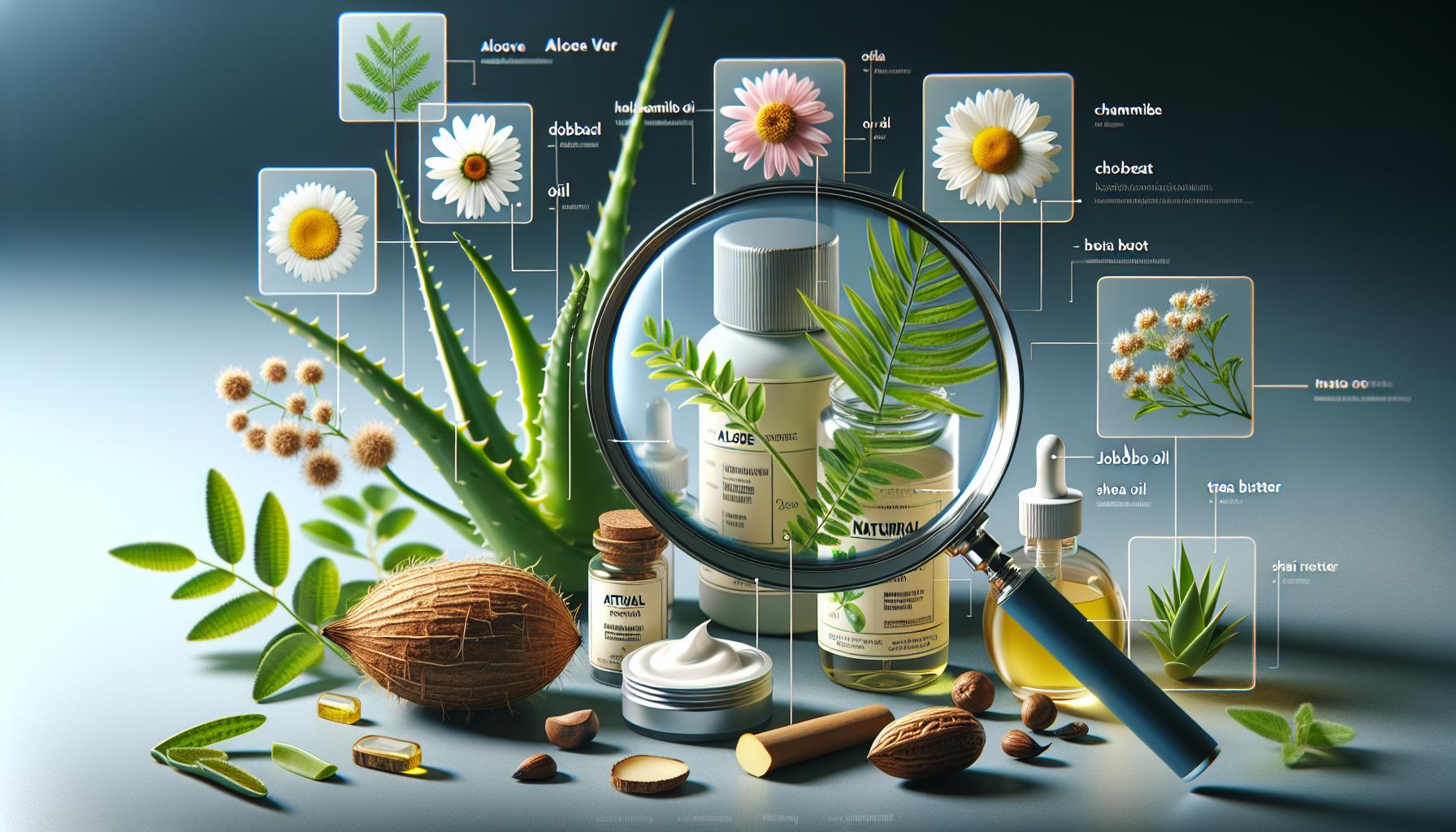
Exploring various natural components like aloe vera for its soothing properties and tea tree oil for its antibacterial qualities can truly elevate your skincare routine. By incorporating these elements into your daily practices, not only can you address specific concerns such as acne or dryness, but also promote overall skin health. Moreover, brand options like using jojoba oil as a moisturizer or cleanser showcase how versatile these ingredients can be.

Delving deeper into the world of natural skincare unveils a treasure trove of effective treatments that can transform your beauty rituals. With a wealth of resources available online, you can become well-informed about which natural ingredients work best for your unique skin type. This empowerment allows you to make savvy choices that not only benefit your skin but also contribute positively to the planet.
DISCOVER MORE: Click here to stay ahead of personal care innovations!
Harnessing Nature’s Bounty for Healthier Skin
Natural ingredients in skincare are lauded not just for their performance, but also for their gentle and pleasing qualities. As consumers become increasingly mindful about what they apply on their skin, ingredients sourced from nature offer numerous benefits that align with both health and wellness goals. One of the standout features of natural components is their compatibility with all skin types. Unlike many synthetic additives found in commercial products, natural ingredients frequently exhibit a lower risk of causing adverse reactions.
Consider, for example, aloe vera gel. Known for its cooling and hydrating properties, aloe vera not only soothes sunburns but can also assist in restoring moisture to dry skin. Similarly, coconut oil, rich in fatty acids, serves as a superb moisturizer while also possessing anti-inflammatory properties that can help reduce redness and irritation. These attributes make natural ingredients an excellent choice for those struggling with issues like eczema or rosacea, offering a softer skincare approach without compromising efficacy.
In addition to their gentle nature, natural ingredients come packed with a variety of beneficial compounds. Many plant-based ingredients boast vitamins, antioxidants, and essential fatty acids that can nurture the skin from the inside out. For instance:
- Vitamin C: Found in extracts like rosehip oil and sea buckthorn, this essential vitamin protects against free radicals, brightens skin, and promotes collagen production.
- Antioxidants: Ingredients such as green tea extract and grape seed oil combat oxidative stress and environmental damage, contributing to a more youthful appearance.
- Fatty Acids: Present in oils like argan oil and avocado oil, these nutrients help to maintain moisture balance and strengthen the skin barrier.
Furthermore, many natural products work synergistically, enhancing each other’s effects. For example, combining honey’s natural humectant property with the soothing characteristic of oatmeal creates a powerful treatment for acne-prone or sensitive skin. The interaction between these ingredients not only highlights their individual strengths but also emphasizes how nature’s synergy can elevate skincare routines.
The ability to tailor your skincare routine with natural options allows for a highly customizable approach. Whether you’re formulating your own concoctions at home using items from your kitchen or selecting from a growing array of products available in stores, the personal connection to natural ingredients enhances the overall skincare experience. As consumers continue to trend toward more holistic approaches, the diverse offerings empower them to discover a regimen that works best for their specific needs.
In the realm of skincare, understanding your skin’s unique needs and the properties of various natural ingredients opens up a world of possibilities. As you explore the benefits of these powerful components, you can uncover personalized solutions that not only improve your skin’s health but also align with your ethical and environmental ideals. With continuous advancements in both research and product development, the potential of natural ingredients to transform skincare routines is greater than ever before.
The Benefits of Natural Ingredients in Skincare Routine
Natural ingredients in skincare are making waves in the beauty industry due to their numerous benefits. Unlike synthetic alternatives, natural components often possess therapeutic properties that enhance skin health. They are usually less irritating and more nourishing to the skin, making them suitable for various skin types, including sensitive skin. Ingredients such as aloe vera, coconut oil, and shea butter are packed with vitamins and antioxidants that hydrate and rejuvenate the skin. Furthermore, natural ingredients can improve skin elasticity and combat free radicals due to their high, bioavailable nutrient content. For instance, olive oil is rich in oleic acid, which helps to maintain moisture, while witch hazel offers astringent properties that can soothe inflammation and redness. Switching to a skincare routine infused with natural ingredients not only benefits your skin but also aligns with a more sustainable lifestyle. By choosing products with eco-friendly and organic components, consumers are making an informed decision that is less harmful to the environment.To delve deeper into the advantages of integrating natural ingredients into daily skincare practices, consider exploring the following table that highlights key categories and their corresponding benefits.
| Category | Key Benefits |
|---|---|
| Hydration | Natural oils like jojoba and argan oil deeply moisturize without clogging pores. |
| Anti-aging | Antioxidants from ingredients like green tea and vitamin E help reduce the appearance of wrinkles. |
| Healing properties | Herbal extracts like calendula and chamomile soothe and heal irritated skin. |
| Safety | Natural ingredients are less likely to cause allergic reactions compared to synthetic compounds. |
| Eco-Friendly | Sustainable sourcing of natural ingredients leads to a lower environmental impact. |
By integrating these natural elements into your skincare routine, you are not only pampering your skin but also promoting a healthier planet. Stay tuned to learn more about specific ingredients and how they can transform your skincare ritual.
DISCOVER MORE: Click here to learn how to choose natural beauty products
Building Trust through Transparency and Sustainability
As awareness grows about the ingredients we apply to our skin, many consumers are placing a higher value on transparency in skincare formulations. Natural ingredients often come with less chemical jargon and more understandable properties. When brands choose to highlight their use of plant-based and organic components, they foster consumer trust through clear labeling and straightforward marketing. With more companies committed to ethical sourcing and production processes, environmentally conscious consumers can now make informed choices about their skincare regimens.
Moreover, sustainable practices within the natural skincare industry resonate deeply with eco-conscious consumers. Brands that utilize sustainable farming methods to harvest ingredients like shea butter or jojoba oil demonstrate a commitment not only to personal well-being but also to the health of the planet. This growing trend towards sustainability extends beyond just ingredients; many brands are also adopting eco-friendly packaging, further reducing their carbon footprint and promoting a cleaner environment.
Naturally derived ingredients also contribute significantly to a holistic skincare approach. With the rise of aromatherapy and other natural wellness practices, essential oils like lavender and tea tree are increasingly harnessed in skincare. These oils are not merely for fragrance; they possess distinct therapeutic benefits. For example, lavender oil can calm inflammation and soothe redness, while tea tree oil is well-known for its potent antimicrobial properties that help treat acne and blemishes. This multi-faceted effectiveness showcases how natural ingredients can address not just physical skin issues but also emotional well-being.
When discussing natural ingredients, it is important to highlight the concept of bioavailability. This term refers to the degree and rate at which active ingredients are absorbed into the body. Natural skincare products, often closest to their unprocessed form, tend to exhibit higher bioavailability compared to their synthetic counterparts. For instance, nutrients in plant extracts such as green coffee or ginseng are more readily utilized by the skin, leading to quicker and more visible results. This science-backed advantage is contributing to the growing demand for products that prioritize natural properties over artificial alternatives.
Another often-overlooked facet of natural skincare is its role in promoting a comprehensive self-care routine. Using products that incorporate natural ingredients can transform a simple daily ritual into a restorative experience. Engaging the senses through the scents, textures, and colors of these products fosters a mindfulness practice that not only enhances skin health but also improves overall quality of life. By allowing consumers to indulge their senses, these products become gateways to relaxation amidst the demands of daily life.
Lastly, the cultural significance of natural ingredients cannot be overlooked. Many traditional ingredients draw from the wisdom of generations and different cultures. For instance, Turmeric, a staple in Ayurvedic practices, has been celebrated for its anti-inflammatory and brightening properties, while traditions involving Argan oil originate from the Berber communities in Morocco, emphasizing nurturing and community-based practices. This rich history connects consumers to a broader narrative of global health and wellness, making natural ingredients not just a skincare choice, but a cultural journey of discovery.
DISCOVER MORE: Click here for natural makeup tips
Concluding Thoughts on Natural Ingredients in Skincare
In summation, embracing natural ingredients in our skincare routines offers a wealth of benefits that resonate on personal, environmental, and cultural levels. The emphasis on transparency and sustainability within the industry empowers consumers to make informed choices while promoting a healthier planet through ethical sourcing practices. With a growing number of brands committed to using plant-based and organic components, consumers can now engage in thoughtful consumption that respects both their skin and the environment.
Moreover, the multifaceted approaches to skincare showcased by natural ingredients extend beyond mere physical benefits. From the calming effects of essential oils to the increased bioavailability of nutrients from plant extracts, the holistic qualities of natural skincare nurture both the body and the mind. The ritual of skincare transforms into a nurturing self-care experience, encouraging mindfulness that enhances overall well-being.
Finally, by tapping into time-honored traditions and cultural narratives, natural ingredients foster a connection to a global community. They invite consumers on a journey that celebrates heritage while promoting health and vitality. As we become more discerning in our skincare choices, the allure of natural ingredients continues to grow, spotlighting their role not just as beauty enhancers but as essential contributors to a broader lifestyle of wellness.
As we look to the future, it is clear that integrating natural ingredients into skincare routines is not merely a trend; it represents a movement towards a more conscious, compassionate, and effective approach to beauty care. By choosing products that prioritize nature’s gifts, consumers can invest in their skin and the well-being of the entire planet.