How Sustainability Is Transforming the Use of Natural Ingredients in Cosmetics

Transformation in Cosmetics through Sustainability
The beauty industry is witnessing a remarkable evolution as more consumers advocate for eco-friendly choices, leading brands to reevaluate their impact on the planet. This shift marks not only a trend but a significant movement within the cosmetics industry, prioritizing sustainability at its core. Natural ingredients are steadily emerging as the backbone of this transformation, changing the way products are formulated and marketed.
Several factors are driving this robust shift to sustainability. Among these, the increasing consumer awareness stands out. Today’s consumers are better informed about the detrimental effects that harmful chemicals can have on their skin and the environment. For instance, many are avoiding products containing parabens and sulfates, which have been linked to various health concerns. In response, brands are reformulating their offerings to meet the evolving demands of conscious shoppers.
Another critical element influencing this transformation is the environmental impact of the cosmetics sector. The industry is a significant contributor to pollution and resource depletion, which has prompted companies to adopt greener practices. A growing number of brands are now committing to reducing their carbon footprint. For example, a cosmetic line might implement renewable energy sources in their manufacturing processes to minimize emissions.
Additionally, regulatory changes are playing a vital role in pushing brands towards eco-friendly formulations. Governments and agencies are increasingly mandating stricter regulations concerning the use of toxic substances in consumer products. In the United States, the FDA oversees cosmetic safety, and there is an ongoing initiative to establish clearer guidelines regarding natural ingredient usage.
In reaction to these pressures, many companies are reformulating their products with an emphasis on natural and organic ingredients. This transformation includes a significant shift towards:

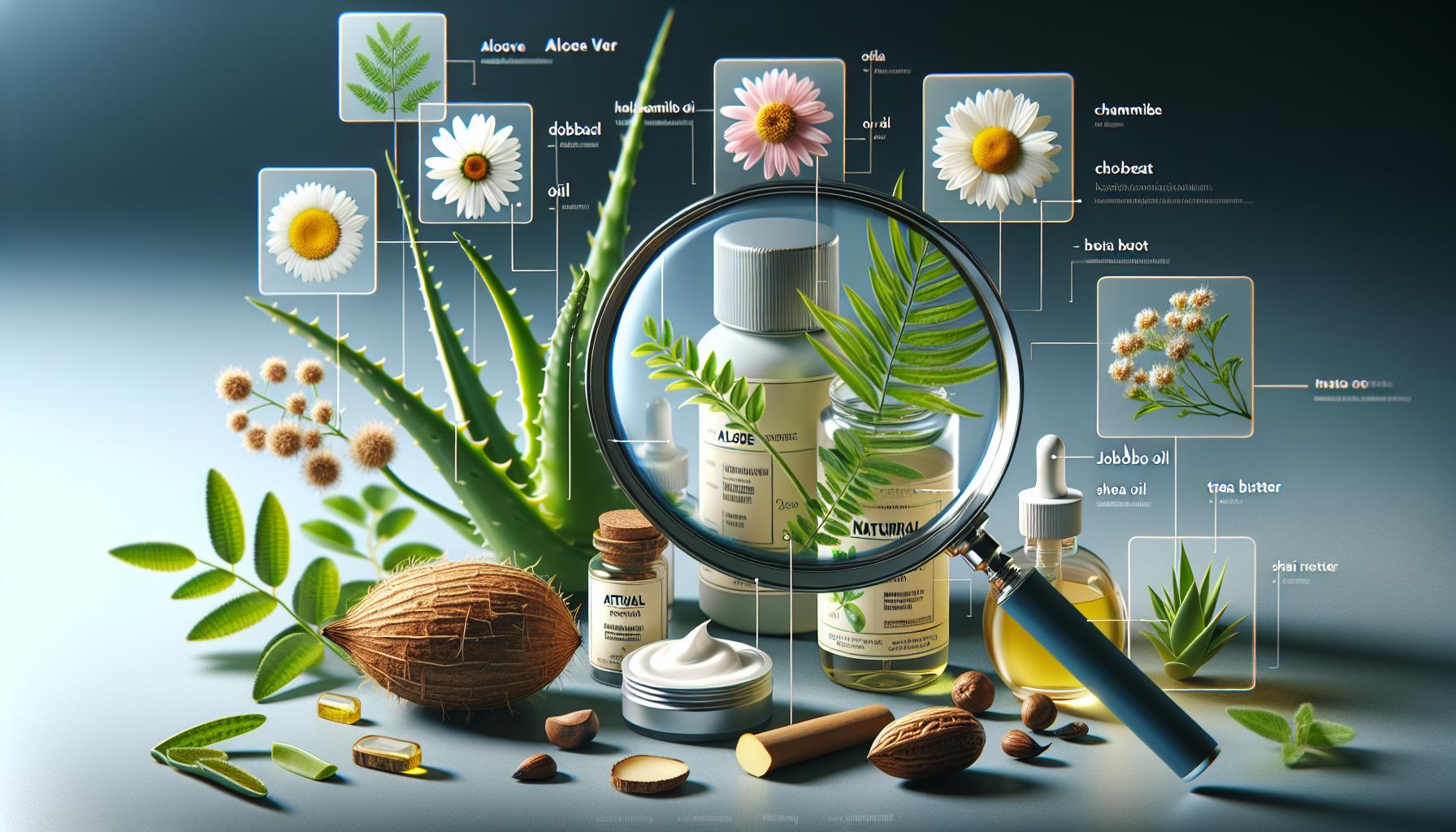
- Plant-based extracts: Ingredients like aloe vera, shea butter, and essential oils are becoming staples in product formulations for their efficacy and lower environmental impact.
- Biodegradable packaging: Brands are exploring innovative packaging solutions made from recyclable or compostable materials to reduce plastic waste.
- Ethical sourcing practices: Sourcing ingredients from sustainable farms not only supports local economies but also ensures that ecosystems are preserved.
With the rise of transparency in the industry, brands are increasingly focusing on the story behind their ingredients. This narrative not only builds consumer trust but also strengthens the conversation surrounding sustainability in our daily beauty routines. Companies that can articulate their commitments to sustainability are more likely to resonate with environmentally conscious consumers.
Are you curious about how these profound changes might influence your beauty products? As we delve deeper into the dynamic interplay of sustainability and natural ingredients in cosmetics, it becomes evident that this transformation is not merely about indulgence but about fostering a responsible relationship with our environment and our wellbeing.
Dive deeper: Click here to discover how diet influences your skin health
The Rise of Natural Ingredients in Beauty Products
As sustainability reshapes the cosmetics landscape, the trend towards incorporating natural ingredients is gaining traction. This shift is not just a response to consumer preferences; it embodies a fundamental change in the ethos of how beauty products are created and perceived. Recognizing the harmful long-term effects of synthetic chemicals on both human health and the environment, brands are pivoting to embrace the purity and effectiveness of nature’s offerings.
The demand for natural cosmetics is driven by evolving consumer values. According to a recent survey by Statista, over 60% of American consumers consider it important that cosmetics brands prioritize natural ingredients. This shift reflects a deeper understanding of the adverse effects of conventional beauty products, which often contain harmful additives. Brands are responding creatively by harnessing the power of earth-derived elements that not only enhance beauty but are also kinder to the planet.
The incorporation of natural ingredients is also linked to consumer psychology. The belief that nature provides more effective solutions resonates deeply. Customers are favoring beauty brands that utilize plant-based extracts for their perceived efficacy and lower toxicity. These natural components—such as shea butter for hydration, chamomile for calming, and tea tree oil for its antimicrobial properties—are celebrated for their multi-functional benefits.
In addition to the efficacious aspect, the transparency surrounding the sourcing of these ingredients has become part of the appeal. Consumers are increasingly curious about where the products they use come from. Brands that disclose their sourcing practices and emphasize ethically harvested natural ingredients are more likely to build credibility and loyalty. The emergence of certifications such as Fair Trade and USDA Organic serve as a testament to companies’ commitments toward responsible practices, bolstering consumer confidence in their purchases.
- Vegan Ingredients: Many cosmetic brands are now prioritizing vegan formulations, avoiding not just animal testing but any animal-derived components, and focusing solely on plant-based ingredients.
- Cold-Pressed Oils: Ingredients such as cold-pressed argan oil and jojoba oil are making a comeback. Their natural extraction methods preserve the beneficial properties of the oils, making them sought-after components in skincare.
- Botanical Extracts: From rosehip to green tea, botanical extracts are proving effective in formulations due to their antioxidant and anti-inflammatory properties.
The integration of sustainability into cosmetics does not end at formulation. Packaging is another area where brands are making significant strides. This commitment to sustainability is reflected in the movement towards biodegradable packaging and minimalistic designs that utilize recycled materials. Such innovations not only reduce waste but also align with the values of eco-conscious consumers.
As the beauty industry embraces this paradigm shift, the journey through sustainability is set to redefine not only what we apply to our skin but also how we perceive beauty as a whole. By prioritizing natural ingredients, brands are elevating their products while fostering a culture that values both environmental stewardship and personal well-being.
| Advantages of Natural Ingredients | Impact on Cosmetic Industry |
|---|---|
| Eco-friendly sourcing | Reduces ecological footprint and conserves biodiversity. |
| Skin compatibility | Natural ingredients are less likely to cause adverse reactions, appealing to consumers with sensitive skin. |
| Transparency | Consumers demand clear ingredient lists, fostering trust in brands. |
| Sustainability certifications | Boosts brand reputation and attracts eco-conscious customers. |
As the demand for sustainable cosmetics continues to rise, brands are increasingly focusing on integrating natural ingredients into their formulations. Eco-friendly sourcing methods have become a focal point, with companies striving to minimize their ecological footprint. This not only helps in conserving biodiversity but also addresses consumer concerns related to environmental impact.In addition, natural ingredients are often more compatible with the skin, making them suitable choices for individuals with sensitive skin types. As consumers become more educated about ingredient safety, the transparency in labeling has become paramount. This drives cosmetic companies to provide clear and informative ingredient lists, ultimately fostering trust with their customer base.Moreover, sustainability certifications serve as a powerful marketing tool, inviting eco-conscious consumers to support brands that align with their values. As sustainability permeates the cosmetic industry, understanding how these shifts enhance the consumer experience becomes crucial.
DISCOVER MORE: Click here to learn about the anti-aging benefits of natural ingredients</a
Innovations and Challenges in Sustainable Cosmetic Practices
The transformation driven by sustainability in the cosmetics sector goes beyond just the inclusion of natural ingredients; it also involves innovative practices that ensure ethical sourcing, production, and distribution of beauty products. Brands are increasingly turning to technological advancements to streamline these processes, ensuring that they remain competitive while adhering to their sustainable values.
One promising development is the use of biotechnology in creating natural ingredients. Companies are utilizing fermentation processes to cultivate high-demand ingredients like hyaluronic acid and peptides, lowering the pressure on overexploited natural resources. This process not only reduces dependency on agricultural practices but also promises to deliver highly pure and effective compounds that are produced in a controlled environment. Such innovations highlight a shift towards a future where lab-grown alternatives can coexist with traditional natural ingredients.
However, as with any industry transition, challenges arise. Sourcing natural ingredients often requires a delicate balance between extracting resources and maintaining ecological integrity. The quest for rare botanicals can lead to issues of overharvesting, threatening biodiversity and the livelihoods of indigenous communities that depend on these plants. Industry initiatives, such as the Global Shea Alliance, are addressing these concerns by promoting sustainable harvesting practices that benefit both local economies and the environment.
Additionally, transparency remains a hurdle for many brands. While some companies excel in disclosing their ingredient sources, others may struggle to provide comprehensive information about their supply chains. This lack of transparency can foster skepticism among consumers who are eager to support genuinely sustainable practices. To combat this, new platforms and blockchain technologies are emerging that ensure traceability in sourcing, giving consumers the opportunity to verify the sustainability claims made by their favorite brands.
- Green Chemistry: Some brands are employing green chemistry principles to formulate their products without the use of harmful synthetic chemicals, ensuring that every step of the production cycle is environmentally friendly.
- Upcycled Ingredients: Sustainability-focused brands are increasingly utilizing upcycled materials—byproducts from the food and agriculture industry. Ingredients such as coffee grounds and fruit peels are being repurposed into skin-loving extracts, minimizing waste.
- Local Sourcing: Brands are adopting a hyper-local approach to sourcing ingredients, reducing carbon footprints associated with transporting raw materials and supporting local economies.
The consumer’s role in this sustainable transformation is paramount. Through conscious purchasing choices, shoppers are contributing to a paradigm shift that encourages beauty brands to expand their use of natural ingredients and prioritize sustainable practices. The rise of social media has elevated consumer awareness, allowing individuals to hold brands accountable for their commitments to sustainability. Platforms like Instagram and TikTok provide a stage for users to showcase their favorite eco-friendly products, amplifying the voices of brands that align with sustainable values.
The changing landscape of sustainability in cosmetics offers a glimpse into a future where natural ingredients and environmentally respectful practices go hand in hand. The cosmetic industry is redefining not only the products but also the principles of beauty, forging a path that prioritizes the health of our planet alongside that of its inhabitants.
DISCOVER MORE: Click here to learn about the benefits of natural ingredients!
Conclusion: A Sustainable Future for Cosmetics
The shift towards sustainability in the cosmetics industry marks a pivotal moment in how natural ingredients are utilized, transforming not only product formulations but also corporate ethics and consumer behavior. As we have explored, the integration of biotechnology, green chemistry, and company initiatives focused on transparency is proving essential in creating a more responsible cosmetic landscape. By prioritizing the ethical sourcing and production of ingredients, brands are increasingly able to satisfy both environmental and consumeristic demands.
Furthermore, innovative practices like upcycled ingredients and local sourcing are redistributing power within the beauty sector, offering alternatives to traditional practices that compromise ecological balance. This evolution is supported by an engaged consumer base that values sustainability, actively seeking out brands that reflect their personal ethics and lifestyle choices.
However, the path ahead is not without its obstacles. The challenge of transparency in supply chains and the threat of overharvesting require ongoing attention from both brands and consumers. As sustainability becomes a cornerstone of brand identity, businesses must remain diligent about their commitments to ethical practices.
In this era of ecological awareness, the beauty industry is embracing a future where innovation and values align. As consumers continue to wield influence over market trends, it is clear that the demand for natural, sustainably sourced ingredients will only grow. This transformation in the cosmetics sector not only enhances product efficacy but also signifies a broader movement towards a greener future, underscoring the vital connection between beauty and environmental stewardship. Embracing sustainability in cosmetics not only enhances our beauty regime but also nurtures the planet, offering a compelling vision for future generations.