How to Identify Effective Natural Ingredients in Beauty Products
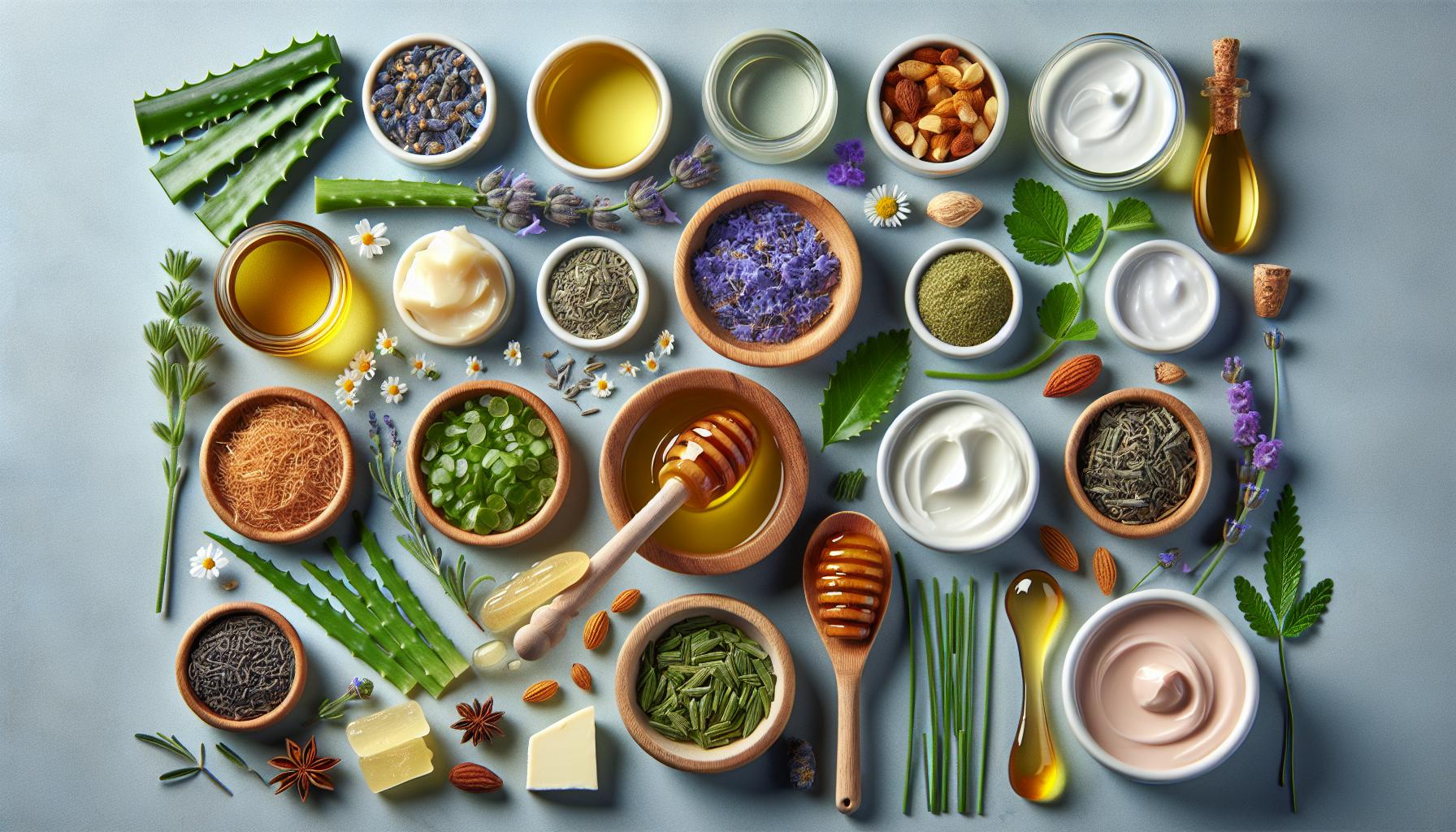
The Shift Towards Natural Ingredients in Beauty
As consumers become more aware of the impact of their purchasing decisions on the environment and their personal health, the demand for natural beauty products has surged. This shift is not just a fleeting trend; it reflects a broader societal movement towards sustainability and holistic wellness. With so many products flooding the market, understanding how to spot effective natural ingredients is more important than ever.
Natural beauty products often offer a multitude of benefits, making them an attractive alternative to their synthetic counterparts. Some of the most significant advantages include:
- Minimal exposure to synthetic chemicals: Many conventional beauty products contain harsh preservatives, artificial fragrances, and other synthetic additives that can irritate the skin. By choosing natural products, consumers can reduce their risk of adverse reactions, particularly if they have sensitive skin.
- Enhanced skin compatibility: Ingredients derived from plants and minerals often harmonize better with the skin’s natural composition. For instance, oils like jojoba and argan oil closely resemble the skin’s own sebum, thus promoting better absorption and hydration.
- Environmental safety and sustainability: Natural beauty products frequently prioritize sustainable sourcing and eco-friendly packaging. Brands that commit to ethical practices support biodiversity and help mitigate pollution, making a positive impact on the planet.
Despite these promising benefits, navigating the labyrinth of beauty products can be a daunting task. The term “natural” is not always regulated, leading to misleading claims that can confuse consumers. To ensure that you are purchasing genuinely effective natural products, you should consider several crucial factors:
- Ingredient sourcing and purity: Look for brands that provide detailed information about where their ingredients come from. Transparency about sourcing can indicate a commitment to quality. For instance, ingredients like organic shea butter from Africa or ethically sourced tea tree oil from Australia have proven efficacy and are often favored in natural formulations.
- Scientific backing and efficacy studies: While natural ingredients can be beneficial, it’s essential to verify their effectiveness through scientific research. Brands that invest in clinical studies or peer-reviewed research can offer more assurance about the potency of their products.
- Transparency in labeling and sourcing: Authentic brands often provide clear and informative labels that highlight all ingredients and their purpose. Checking for third-party certifications, such as USDA organic or cruelty-free labels, can also help in making educated choices.
Becoming a savvy consumer in the natural beauty space not only empowers you to make informed choices for your skincare routine but also encourages the broader market to prioritize quality over quantity. By diving into the realm of nature-based beauty with confidence, you can discover products that genuinely align with your values and needs while contributing to healthier skin and a healthier planet.
DIVE DEEPER: Click here to discover the evolution

Understanding Ingredient Efficacy in Natural Beauty
When it comes to natural beauty products, the efficacy of the ingredients is crucial to achieving desired results. However, distinguishing effective ingredients from mere marketing buzzwords can be challenging. To help streamline this process, it’s essential to become familiar with some of the most common and effective natural ingredients that are known to deliver results.
One of the first steps in identifying effective natural ingredients is understanding their specific benefits. Here are several prominent natural ingredients frequently found in beauty products, along with their proven benefits:
- Hyaluronic Acid: Although it can be synthesized, hyaluronic acid is also naturally occurring in the body. It is celebrated for its incredible ability to retain moisture, making it a go-to ingredient for hydration in serums and moisturizers.
- Aloe Vera: Known for its soothing properties, aloe vera gel contains enzymes, vitamins, and amino acids that help to hydrate, heal, and protect the skin. It is particularly effective for calming sunburn and irritation.
- Vitamin E: A powerful antioxidant, vitamin E is derived from various plant oils. It helps protect the skin from oxidative stress, promotes skin healing, and can enhance moisture retention.
- Tea Tree Oil: This essential oil is renowned for its antibacterial and anti-inflammatory properties. Effective in treating acne and promoting clearer skin, tea tree oil is often utilized in spot treatments and cleansers.
- Jojoba Oil: Closely mimicking the natural oils produced by our skin, jojoba oil is an excellent moisturizer that helps balance oil production. It absorbs easily, making it suitable for a wide range of skin types.
Beyond familiarizing yourself with key ingredients, it’s also wise to scrutinize the formulations. A truly effective natural product should contain a blend of synergistic ingredients working together to enhance overall skin health. For example, a moisturizer combining hyaluronic acid and jojoba oil is likely to be more hydrating than either ingredient alone.
As you explore various products, pay attention to the proportions of natural ingredients relative to fillers and artificial additives. The ingredient list is usually ordered by concentration, so if the preferred natural ingredient is buried at the bottom of the list, it may not deliver the desired impact. Brands committed to quality often emphasize their active natural components prominently on their packaging.
Additionally, awareness of potential allergens or irritants is critical when evaluating natural beauty products. While many natural ingredients are gentle, some can cause sensitivities. Ingredients like essential oils, for instance, have potent properties that may irritate especially sensitive skin. Thus, conducting a patch test prior to full application can safeguard against adverse reactions.
By cultivating awareness of effective natural ingredients and thoroughly assessing beauty product formulations, consumers can make informed choices that align with their skincare needs and values.
How to Identify Effective Natural Ingredients in Beauty Products
When exploring natural ingredients in beauty products, understanding their sources and potential benefits is paramount. Knowledge of ingredient sourcing allows consumers to make informed choices, enhancing their skincare and cosmetic routines.
Natural ingredients can derive from various parts of plants, including roots, leaves, flowers, and seeds. Each part contains unique compounds that can benefit skin health. For instance, essential oils extracted from flowers are known for their aromatic properties and therapeutic effects, while botanical extracts, such as aloe vera from leaves, are renowned for their soothing and hydrating qualities.
However, not all natural ingredients are created equal. It’s essential to note that the term “natural” is not regulated, and products may still contain synthetic additives. Consumers should look for certifications such as “organic” or “natural” by reputable organizations to enhance assurance regarding ingredient quality.
Next is understanding the functionality of these ingredients. For example, ingredients like hyaluronic acid, though naturally occurring, are often synthesized for use in skincare. Its ability to retain moisture makes it effective for hydration, making it a popular choice in serums and moisturizers.
Furthermore, conducting thorough research on specific natural ingredients can uncover their historical and cultural significance, enhancing one’s appreciation for their use in modern beauty products. For instance, traditional uses of ingredients like shea butter or coconut oil span centuries and demonstrate their effectiveness in nourishing and protecting skin.
| Category | Details |
|---|---|
| Ingredient Sourcing | Understanding where ingredients are derived can offer insights into their effectiveness. |
| Ingredient Certifications | Certification can ensure the product is free from harmful chemicals and truly natural. |
Finally, formulating a comparison of products and their ingredient lists can assist in identifying which products contain the most beneficial natural ingredients. This approach not only aids in making better choices for your skin but encourages a move towards sustainable beauty practices.
Being aware of the natural ingredients in beauty products is a step towards healthier skin and a more conscious lifestyle. As the beauty industry evolves, continued exploration and education around these components can empower consumers to prioritize quality over mere marketing hype.
DISCOVER MORE: Click here to find out how stress impacts your skin
Decoding Labels: What to Look For in Natural Beauty Products
Understanding the benefits of natural ingredients is just one part of the equation when it comes to selecting effective beauty products. Another crucial aspect is the ability to decode labels and identify formulations that uphold their claims. Unfortunately, in a market flooded with products touting “natural” or “organic,” it can be difficult for consumers to navigate through the marketing jargon. Here are key elements to consider when examining beauty product labels.
Firstly, look for certifications. Recognizable seals, such as USDA Organic or Ecocert, can indicate that a product meets specific standards for organic content and sustainable practices. These certifications often ensure that the ingredients are sourced responsibly and support ethical practices, which can offer peace of mind to consumers committed to sustainability.
Next, explore the percentage of natural ingredients in the product. Some brands may promote their products as natural, while including only a small fraction of effective natural components mixed with synthetic fillers. A product that lists “100% natural” or “100% derived from plants” happens to be an assuring sign, although careful examination of each ingredient remains essential. Remember, just because something is labeled natural doesn’t mean it will be beneficial for your skin.
Moreover, be aware of the types of preservatives used in products claiming to be natural. Some natural preservatives, like rosemary extract or grapefruit seed extract, can provide protection against bacterial growth without introducing harmful chemicals. Avoid products with synthetic preservatives like parabens or phthalates, even if they are present in small amounts, as they can lead to potential long-term health concerns.
Another valuable aspect involves scrutinizing the product for added fragrances or colorants. While a pleasant scent can enhance user experience, synthetic fragrances can be irritating, causing allergic reactions and skin sensitivities. Instead, look for beauty products that derive their scents from natural sources, like essential oils, which can provide aromatherapy benefits in addition to their topical advantages. Natural colorants such as beetroot powder or turmeric are also safer alternatives compared to artificial dyes.
- Check for pure extracts: Look for beauty products that feature whole, unadulterated extracts that maintain the beneficial properties of the plant or ingredient. Products that utilize whole ingredients are more likely to offer a full array of nutrients and benefits.
- Investigate the source: Knowing where a brand sources its ingredients can help clarify if they practice sustainability. Brands committed to sourcing from local farms or using wildcrafted plants often produce higher quality products.
- Research brand transparency: Brands that are open about their production processes, ingredient sourcing, and environmental impact are generally more trustworthy. Check for brands that provide clear information on their websites or product packaging.
Additionally, keeping an eye on consumer reviews and feedback can provide valuable insight into the efficacy of certain products. Reading reviews on websites such as Ulta, Sephora, or beauty forums can illuminate which ingredients truly work in practice, as endorsements from real consumers can guide your product selection.
Ultimately, as you dive deeper into the world of natural beauty, an informed approach will empower you to identify effective natural ingredients within beauty products. By understanding labels, scrutinizing formulations, and considering how ethical practices intertwine with ingredient efficacy, you can make more mindful decisions that contribute to healthier skin and a more sustainable future.
DISCOVER MORE: Click here to learn about sustainability in cosmetics
Conclusion: Empowering Your Beauty Choices
In a world where consumers are becoming increasingly aware of the ingredients in their beauty products, knowing how to identify effective natural components is essential for making informed choices. As we’ve explored, the process begins with understanding the significance of product certifications, which can serve as reliable indicators of quality and sustainable practices. Furthermore, critically examining the percentage of natural ingredients and the types of preservatives used ensures that your skin reaps the benefits, rather than incurs unwanted irritation or harm.
Taking a closer look at added fragrances and colorants can also enhance your experience with beauty products, steering you toward products that prioritize your health and well-being. An appreciation for pure extracts, as well as ethical sourcing practices, can lead you to brands that align with your personal values and commitment to sustainability. The importance of brand transparency cannot be overstated; trusting a brand that openly discusses its ingredient sourcing and production process can play a crucial role in your overall satisfaction.
Ultimately, your exploration into natural beauty products doesn’t have to be daunting. By arming yourself with the knowledge of how to navigate labels, scrutinize ingredients, and engage with reputable brands, you set the stage for healthier skin and a more environmentally responsible beauty routine. The beauty industry is evolving, and with your newfound understanding of effective natural ingredients, you can confidently embrace this change, making choices that are not just beneficial for you, but for the planet as well.