The Influence of Stress and Mental Health on Skin Aging: Strategies for Lasting Glow
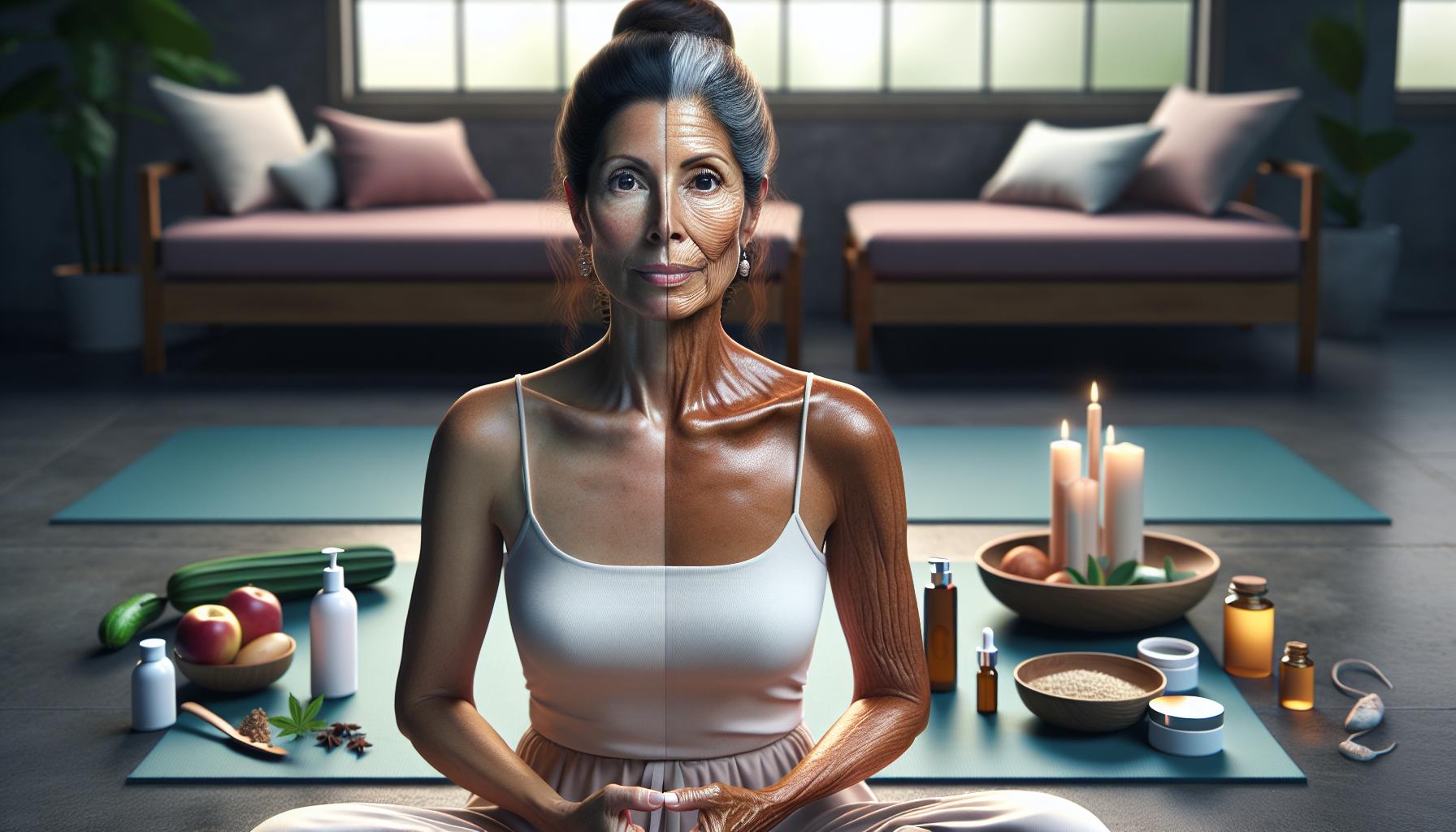
Understanding the Effects of Stress on Skin Health
As we dive deeper into our hectic lifestyles, the often-overlooked connection between stress, mental health, and skin aging becomes glaringly apparent. The skin, which serves as our body’s first line of defense, offers more than just protection; it reflects our internal emotional health. While stress might seem like a mere transient part of life, its effects can be persistent, considerably affecting how our skin ages over time.
To comprehend this connection, it is important to explore some of the physiological mechanisms at play:
- Cortisol levels: Chronic stress leads to consistently high levels of cortisol, a hormone that, while essential for the body in acute situations, can be damaging in excess. Elevated cortisol can degrade collagen, the protein responsible for skin’s firmness and elasticity, resulting in sagging and fine lines. A 2020 study published in the Journal of Investigative Dermatology highlighted that individuals with high cortisol levels showed a marked decrease in skin elasticity.
- Sleep deprivation: Stress often disrupts sleep patterns, leading to insufficient rest. The result is a lackluster complexion, with skin appearing dull and tired. Moreover, the disruption of essential regenerative processes leaves the skin vulnerable to environmental stressors, appearance of dark circles under the eyes, and premature wrinkles. A consistent sleep schedule is vital, as research conducted by the National Sleep Foundation suggests that quality sleep can rejuvenate skin and enhance its overall glow.
- Mental health issues: Conditions such as anxiety and depression frequently lead to neglect of personal skincare routines. Those grappling with mental health challenges may find it hard to engage in habits that promote skin health, from basic cleansing to protective measures against sun damage. A study by the American Psychological Association found that participants experiencing anxiety-related symptoms noted visible skin issues, revealing a direct correlation between mental wellness and skin vitality.
The interplay between emotional states and visible aging is profound and cannot be ignored. Research indicates that individuals experiencing heightened stress report more evident signs of aging, including:
- Fine lines
- Wrinkles
- Loss of elasticity
- Uneven skin tone
Given these findings, developing strategies to nurture both mental well-being and skin health should be a priority. Achieving a lasting glow necessitates a dual approach: robust skincare regimens and practices that promote mental health. Engaging in activities like meditation, yoga, or regular exercise can not only reduce stress but also, in turn, improve skin conditions.
Understanding this vital connection is crucial for anyone looking to improve the appearance of their skin while enhancing overall quality of life. As the saying goes, “beauty is skin deep,” but certainly, nurturing our inner selves plays a monumental role in how our exterior reflects that care. Exploring further into these relationships can open doors to improved health and radiant skin.
DISCOVER MORE: Click here to explore the latest innovations
The Physiological Connection Between Stress and Skin Aging
Understanding how stress physically impacts skin aging requires a closer examination of the body’s responses to emotional turmoil. When faced with stressful situations, the body enters a fight-or-flight mode, triggering a cascade of hormonal changes, primarily the surge of cortisol. This reaction is a remnant of our evolutionary past, intended to prepare the body for immediate physical threats. However, in today’s fast-paced world, stressors are more often psychological than physical, leading to prolonged elevation of cortisol levels.
A study conducted by researchers at the University of California found that persistent stress can lead to inflammatory skin conditions, such as acne and eczema. The body’s inflammatory response often manifests on the skin, revealing just how intertwined our emotional states and skin health can be. Among adults, 49% reported that stress exacerbated their pre-existing skin problems, highlighting the urgent need for a holistic approach to skincare that takes mental health into account.
Furthermore, the skin performs critical functions that directly reveal the toll of stress. Consider the following:
- Increased Oil Production: Stress triggers the sebaceous glands to produce more oil, contributing to oily skin and an increase in acne outbreaks. A consistent rise in stress levels might result in persistent breakouts that can take time to heal, leaving marks and scars.
- Delayed Wound Healing: High stress impairs the body’s ability to heal itself. Research from the American Academy of Dermatology points to stress as a significant factor in delayed skin recovery, meaning cuts and irritations are slower to mend.
- Changes in Skin Microbiome: Stress can alter the composition of the skin’s microbiome, the delicate balance of bacteria that maintain skin health. An imbalance can lead to various conditions, including rosacea and generalized skin irritation, further compounding the visible signs of aging.
These physiological responses not only complicate skincare routines but also promote a vicious cycle. A stressed individual may observe an increase in wrinkles, uneven texture, and dullness, leading to feelings of inadequacy which further exacerbate stress levels. These reflections in the mirror can become a source of distress, illuminating the connection between mental health and visible aging.
Yet, while these challenges are significant, they are not insurmountable. Fostering awareness around the impact of stress on skin can guide individuals toward more effective coping mechanisms. Adopting practices like mindfulness, stress management techniques, and even simple breathing exercises can act as catalysts for change, improving both mental and skin health—resulting in that coveted lasting glow.
This intricate relationship urges us to consider a dual approach when diagnosing skin issues; rather than focusing solely on external treatments, it’s critical to nurture our internal mental landscape. With the right strategies, individuals can cultivate healthier skin while building resilience, enabling a more comprehensive, enduring sense of beauty.
| Advantage | Description |
|---|---|
| Enhanced Skin Resilience | Managing stress effectively can lead to improved skin elasticity and better recovery from environmental damage. |
| Balanced Hormonal Levels | Mental health interventions can stabilize hormones, reducing conditions like acne and inflammation that accelerate aging. |
Understanding the connection between stress management and skin health is vital for those seeking a lasting glow. Chronic stress not only affects mental well-being but also triggers physiological reactions that can harm our skin’s appearance. Stress hormones, particularly cortisol, can lead to inflammation, which has detrimental effects on collagen production and skin hydration, leading to premature aging.Adopting relaxation techniques, such as meditation, yoga, or even regular exercise, can improve both mental health and skin quality. For instance, practices like deep breathing exercises reduce stress reactions, promoting better circulation and nutrient delivery to skin tissues. These strategies not only enhance the overall glow but also create a protective barrier against external aggressors, resulting in a more resilient complexion.There are practical steps one can take for a holistic approach; consider integrating nutrient-rich diets, proper hydration, and adequate sleep into daily routines to also help mitigate the signs of stress on the skin. Regular consultation with dermatologists could yield tailored skincare solutions that align with an individual’s mental health status, further reinforcing the synergistic relationship between mind and skin health. Exploring mindfulness practices can significantly contribute to this process. It encourages a stronger connection between mental state and physical appearance, ensuring a comprehensive approach toward achieving lasting skin vitality.
DISCOVER MORE: Click here to learn about the benefits of organic beauty
Psychological Factors: Understanding the Mental-Health-Skin Aging Link
The connection between mental health and skin aging extends beyond physiological responses to stress; it also encompasses psychological factors that shape our perceptions, behaviors, and ultimately, our skin health. Mental health conditions, such as anxiety and depression, can amplify the impact of stress and provoke harmful skin behaviors, setting off a cycle of poor skin health and declining mental well-being.
According to a meta-analysis published in the Journal of Psychosomatic Research, individuals with anxiety or depressive disorders are at a greater risk of experiencing skin conditions, resulting in higher levels of distress about their appearance. Specifically, conditions like psoriasis and eczema are reported to worsen during periods of emotional instability, highlighting the need for a dual focus on emotional wellness and skincare.
Furthermore, negative body image—often exacerbated by social media and societal standards of beauty—can trigger feelings of inadequacy and self-doubt. Research from the Journal of Health Psychology suggests that high levels of body dissatisfaction are significantly correlated with increased stress levels. This feeling of inadequacy often leads to unhealthy coping mechanisms, such as stress eating or neglecting a skincare routine, which can further intensify skin aging signs.
This lack of self-care can manifest in the appearance of the skin through several pathways:
- Vicious Cycle of Neglect: A study from the American Psychological Association found that people experiencing low self-esteem are less likely to engage in healthy habits, including adequate skincare. This neglect may lead to an increase in common aging signs, such as fine lines, wrinkles, and sagging skin.
- Stress-induced Skin Picking: Some individuals resort to skin-picking behaviors as an outlet for stress and anxiety. This maladaptive coping strategy not only damages the skin barrier but also leads to scarring, which further contributes to signs of aging.
- The Role of Sleep: Poor mental health often correlates with sleep disturbances, a well-known factor in skin health. Research published in the journal Sleep suggests that inadequate sleep can impede the skin’s natural repair processes, leading to dryness, dullness, and the premature development of fine lines and wrinkles.
In light of these psychological dimensions, empowering individuals with knowledge about their mental health becomes paramount. Techniques such as cognitive behavioral therapy (CBT), mindfulness-based stress reduction (MBSR), and regular physical activity have shown promising results in bolstering emotional well-being. In turn, these practices can foster healthier skin through improved self-care habits, increased resilience against stressors, and enhanced coping strategies.
Moreover, adopting a well-rounded skincare regimen that combines both internal and external care can lead to more harmonious results. Products containing antioxidants, hyaluronic acid, and even gentle exfoliants can counteract visible signs of aging, while practices like journaling or meditation can help in processing emotions and lowering stress levels.
Ultimately, the journey to achieving that lasting glow involves much more than surface treatments; it demands an integrated approach that prioritizes both mental health and skincare. By creating a supportive network—such as engaging with a professional therapist or surrounding oneself with positive social influences—individuals can nurture their overall well-being, allowing for a glow that radiates from both within and without.
DISCOVER MORE: Click here to learn about the latest trends
Conclusion: Cultivating a Radiant Future Through Wellness
Understanding the influence of stress and mental health on skin aging opens a new dialogue about holistic self-care. What we often perceive as mere skin aging is, in fact, an intricate reflection of our emotional and psychological state. Addressing these aspects is crucial not only for our skin’s vitality but also for our overall health and happiness.
The cycle of stress, negative body image, and subsequent skin issues paints a daunting picture, but knowledge is empowerment. By implementing strategies such as therapy, mindfulness practices, and a comprehensive skincare routine, individuals can break free from this cycle. Research supports the notion that enhancing mental well-being correlates directly with improved skin health, providing a compelling reason to prioritize both aspects. Empowering oneself through self-care rituals, building a supportive community, and adopting healthier coping mechanisms can usher in rejuvenation that is both skin-deep and deeply personal.
Moreover, as scientific understanding continues to evolve, it is vital to recognize that taking control of our emotional health can lead to a more resilient skin barrier, clearer complexions, and ultimately, a lasting glow that can transcend the effects of aging. A commitment to nurturing the mind is not just a secondary concern; it is fundamental to achieving the skin’s youthful potential. Through a combination of emotional resilience and targeted skincare, we can illuminate our pathways to wellness, proving that a luminous complexion truly starts from within.