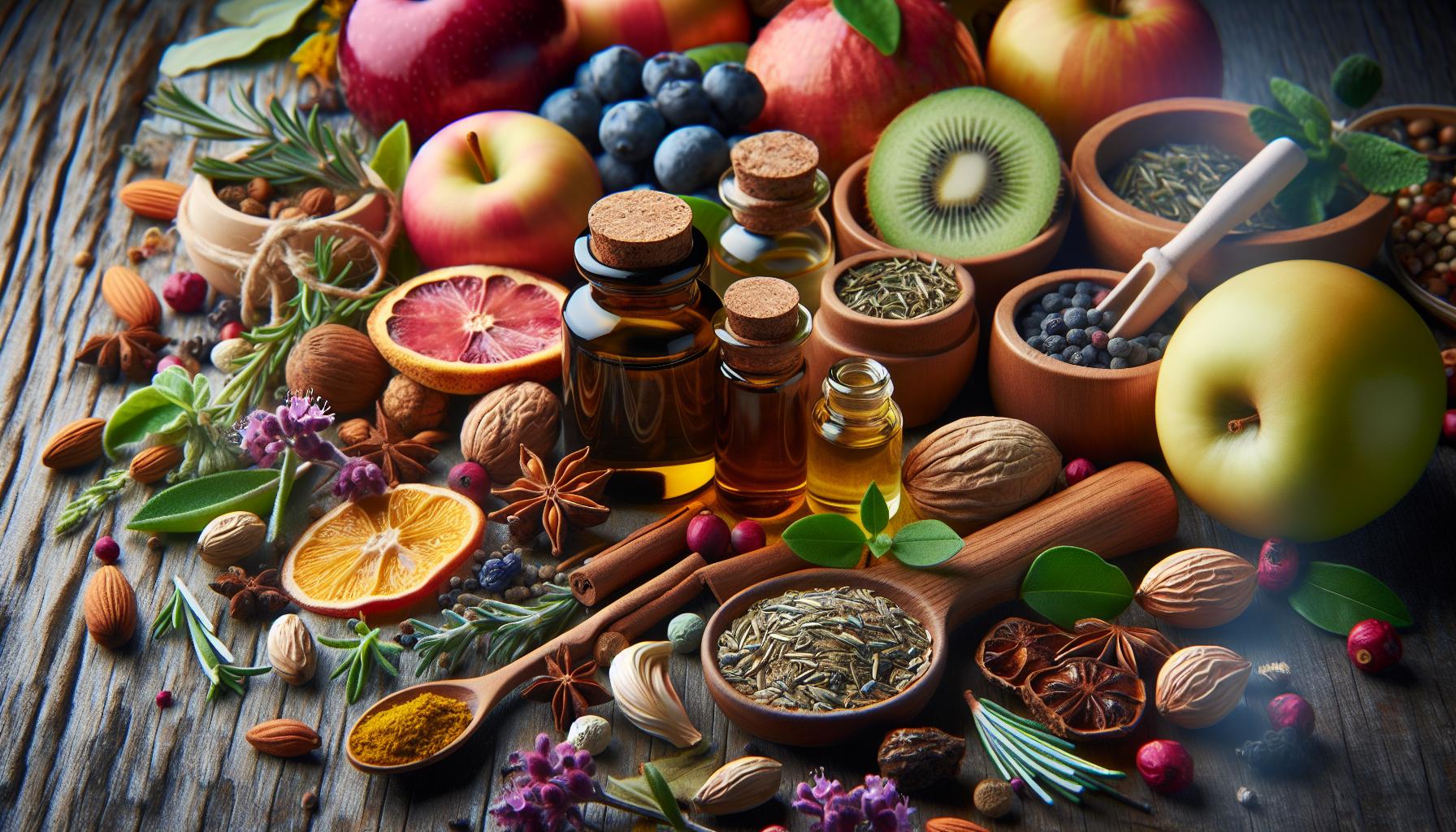
How Diet and Lifestyle Impact Skin Aging

The Journey of Skin Aging
As we navigate through life, our skin inevitably faces various challenges that contribute to its aging process. From environmental influences to personal choices, the impact of diet and lifestyle cannot be overstated. These factors play a pivotal role not only in how our skin ages but also in our overall well-being, making it essential to understand their implications.
The Role of Diet
Your diet serves as the foundation for your skin’s health. Consuming a balanced array of nutrients can significantly affect the visible signs of aging. Here are key dietary components to consider:
- Hydration: Proper hydration is paramount. Drinking adequate water daily helps preserve skin elasticity and keeps it plump. Dehydrated skin can appear dull and wrinkled. Aim for at least eight glasses of water a day, adjusting based on activity level and individual needs.
- Antioxidants: Foods high in antioxidants, such as berries, dark chocolate, and green leafy vegetables, can protect the skin from damage caused by free radicals—unstable molecules responsible for accelerating aging. Vitamins C and E, found in oranges and nuts respectively, are particularly powerful in combatting oxidative stress and promoting skin repair.
- Healthy Fats: Incorporating sources of omega-3 fatty acids, such as fatty fish (like salmon), flaxseeds, and walnuts, can bolster skin hydration and combat inflammation. Research indicates that these healthy fats can also enhance the skin’s barrier, keeping it soft and supple.
Lifestyle Influences
In addition to dietary choices, lifestyle habits also play a significant role in the aging process of the skin. Here are some lifestyle factors to consider:
- Sun Exposure: Prolonged exposure to ultraviolet (UV) rays can lead to premature aging, including wrinkles, fine lines, and sunspots. Using broad-spectrum sunscreen with at least SPF 30, even on cloudy days, is a fundamental practice for skin protection.
- Smoking: The effects of smoking extend far beyond internal health; it also severely impacts skin complexion. Tobacco use narrows blood vessels, diminishing blood flow and oxygen levels, which can result in a gray, sallow skin tone. Quitting smoking can dramatically improve your skin’s appearance and overall health.
- Sleep Quality: The importance of good sleep cannot be overstated. During sleep, the body undergoes repair and renewal processes, including skin regeneration. Insufficient rest leads to an increase in stress hormones, which can manifest as dark circles and fine lines. Prioritizing a consistent sleep schedule promotes a vibrant complexion.
These choices resonate deeply throughout our lives, shaping not only our skin’s appearance but our overall health. By delving into the synergy between diet, lifestyle, and skin health, individuals can uncover personalized strategies that contribute to a more youthful glow. This exploration opens the door to a fuller understanding of our well-being, inviting further inquiry into how we can foster healthier skin for ourselves and future generations.
DISCOVER MORE: Click here for natural makeup techniques

Nourishing Your Skin from Within
The skin, our largest organ, is not only a protective barrier but also a mirror of our internal health. The foods we consume play an integral role in maintaining skin vitality. A well-rounded diet rich in vital nutrients can significantly influence the aging process of the skin. Many individuals overlook the connection between diet and skin aging, yet the effects of nutrition are profound. To foster a healthy complexion, it’s essential to incorporate a variety of beneficial foods.
One of the most crucial elements of a skin-friendly diet is hydration. The body requires water to function optimally, and the skin is no exception. Insufficient hydration can lead to dryness, which accentuates the appearance of fine lines and wrinkles. According to dermatologists, consuming a minimum of eight glasses of water per day—or adjusting based on physical activity and climate—serves to enhance skin moisture levels. Additionally, fruits and vegetables with high water content, such as cucumbers and watermelon, can further support hydration.
The Power of Nutrients
Beyond hydration, certain nutrients play essential roles in maintaining skin elasticity and resilience. Antioxidants, for example, are paramount in protecting the skin from oxidative stress, a key contributor to aging. Foods abundant in antioxidants, like blueberries, strawberries, and green tea, can combat free radical damage. These nutrients help to neutralize harmful molecules, promoting a healthier, more vibrant complexion.
Moreover, healthy fats, particularly those rich in omega-3 fatty acids, significantly impact skin health. Omega-3s, found in fatty fish such as salmon, flaxseeds, and walnuts, have been shown to combat inflammation and enhance moisture retention in the skin. Research indicates that diets high in these fatty acids can lead to improved skin barrier function, reducing the likelihood of dryness and irritation.
- Vitamin C: Vital for collagen production, vitamin C can be found in citrus fruits, bell peppers, and kiwi. It helps maintain skin firmness and reduce the appearance of wrinkles.
- Vitamin E: An essential nutrient for skin repair, vitamin E can predominantly be sourced from nuts and seeds. It offers protection against UV damage, aiding in the fight against premature aging.
- Polyphenols: These compounds found in dark chocolate and green tea provide more than just antioxidant benefits; they also improve skin hydration and elasticity.
Fostering a diet rich in these nutrients not only promotes skin health but also contributes to a holistic sense of wellness. The synergistic effects of these dietary choices create a foundation that can lead to a youthfully radiant complexion. While nourishing the body may seem simple, understanding the specific impacts of these nutrients on skin aging can inspire individuals to take a more conscious approach to their eating habits.
As we explore the dynamic interplay between diet and skin aging, it becomes clear that making informed food choices serves as a powerful tool for enhancing skin vitality and longevity. The journey toward youthful skin starts not just externally, but deeply rooted in what we choose to nourish ourselves with on a daily basis.
| Category | Description |
|---|---|
| Nutrition | Healthy foods like fruits and vegetables provide antioxidants that combat free radicals, slowing skin aging. |
| Hydration | Drinking water keeps skin hydrated, enhancing its elasticity and reducing wrinkles. |
Continuing the exploration of how diet and lifestyle play critical roles in skin aging, it is essential to recognize that the choices we make on a daily basis can dramatically influence our skin’s health and appearance. The importance of nutrition cannot be overstated. The food we consume is not merely a source of energy; it’s a crucial factor in how our skin reacts to environmental stressors. Consuming rich sources of antioxidants, such as berries, nuts, and leafy greens, contributes significantly to the fight against oxidative stress, a major contributor to skin aging.In addition to nutrition, staying adequately hydrated is vital for maintaining skin elasticity and overall health. Water is key in flushing out toxins and delivering essential nutrients to the skin cells, promoting a plump and youthful appearance. Moreover, the impact of lifestyle choices, such as exposure to sun and smoking, also play a significant role. Incorporating a combination of protective measures and healthy habits can lead to visible improvements, showcasing the profound connection between our lifestyle and skin vitality.To delve deeper into the ways in which specific dietary components and lifestyles interact to foster youthful skin, continue exploring the latest research and findings in skincare science.
DISCOVER MORE: Click here to learn about the latest trends and innovations
Beyond Diet: Lifestyle Choices That Shape Skin Aging
While a nourishing diet is a foundational component of skin health, lifestyle choices also wield considerable influence over the aging process of our skin. Habits such as smoking, alcohol consumption, and exposure to environmental pollutants can severely undermine even the most attentive dietary efforts. Understanding the implications of these lifestyle factors can encourage individuals to adopt a more comprehensive approach toward achieving healthy, youthful-looking skin.
Smoking, for example, is notorious for its detrimental effects on the skin. A study published in the Journal of Dermatological Science found that smoking accelerates the breakdown of collagen and elastin, leading to premature wrinkles and sagging skin. The toxic compounds in cigarette smoke also reduce blood flow to the skin, depriving it of essential nutrients and oxygen. This connection between smoking and skin aging should compel individuals to reconsider the impact of their habits on their skin’s appearance.
Similarly, alcohol consumption can adversely affect skin health. The dehydrating effects of alcohol can leave the skin looking dull and lifeless, accentuating signs of aging. Additionally, excessive drinking can result in increased inflammation, triggering skin conditions like rosacea and psoriasis. Moderating alcohol intake and opting for hydrating beverages, such as herbal teas or water-infused drinks, can substantially benefit skin vitality.
The Influence of Sleep and Stress Management
Another important factor in promoting youthful skin is achieving adequate sleep. During deep sleep, the body undergoes repair processes that are essential for skin rejuvenation. Sleep deprivation can lead to increased cortisol levels—often referred to as the stress hormone—which can exacerbate skin issues such as acne and dermatitis. Studies show that getting seven to nine hours of quality sleep per night not only promotes overall health but also enhances skin’s appearance by allowing for cellular repair and regeneration.
Stress management also plays a critical role in maintaining healthy skin. Chronic stress triggers hormonal fluctuations that can lead to skin conditions ranging from breakouts to accelerated aging. Incorporating relaxation techniques such as yoga, meditation, or mindfulness can help mitigate these effects. Furthermore, physical activity—beyond its contribution to overall well-being—also promotes circulation, delivering nutrients and oxygen to the skin while facilitating the removal of toxins.
- Limit Sun Exposure: The sun’s harmful UV rays are a well-documented contributing factor to skin aging. Wearing sunscreen daily, opting for protective clothing, and seeking shade during peak sun hours can significantly prevent premature aging.
- Environmental Exposure: Pollution and harmful chemicals in the air can damage the skin barrier, leading to inflammation and aging. Regular cleansing and using products rich in antioxidants can help combat these effects.
- Skin Care Routine: Establishing a consistent skin care regimen tailored to your skin type—with an emphasis on cleansing, moisturizing, and protecting—can aid in maintaining a youthful appearance.
Incorporating these lifestyle choices alongside a nutrient-dense diet can create a holistic approach to combating skin aging. The interplay between diet and lifestyle decisions emphasizes the importance of viewing skin health as a multifaceted endeavor. By understanding and addressing these elements, individuals can take substantial steps toward preserving their skin’s integrity and appearance.
DISCOVER MORE: Click here to learn about the evolution of men’s personal care products
Conclusion: A Holistic Approach to Skin Health
As we delve into the intricacies of how diet and lifestyle impact skin aging, it’s clear that achieving radiant and youthful skin is an integrative endeavor. Our findings illustrate that nutrient-rich diets lay the groundwork for skin vitality, while lifestyle choices, including smoking, alcohol consumption, sleep patterns, and stress management, play equally pivotal roles. It’s not just about what we eat, but also how we live that shapes the aging process of our skin.
By taking proactive measures—such as prioritizing hydration, consuming antioxidants, and establishing a consistent skincare routine—individuals can empower themselves to combat the visible effects of aging. Coupled with lifestyle modifications, like quitting smoking, moderating alcohol intake, embracing stress-reduction techniques, and ensuring ample sleep, one can foster an environment that promotes skin health.
Moreover, awareness of external factors such as UV exposure and environmental pollutants reinforces the necessity for a holistic approach in skin care strategies. Each element, from diet to lifestyle habits, intertwines, creating a comprehensive narrative on skin aging.
In summation, nurturing your skin is an ongoing commitment that requires education and adaptability. Being mindful of how diet and lifestyle choices converge can lead to profound changes in skin appearance and health. For those seeking to uncover the fountain of youth, it is time to embrace a lifestyle that values skin health as an essential component of overall well-being.