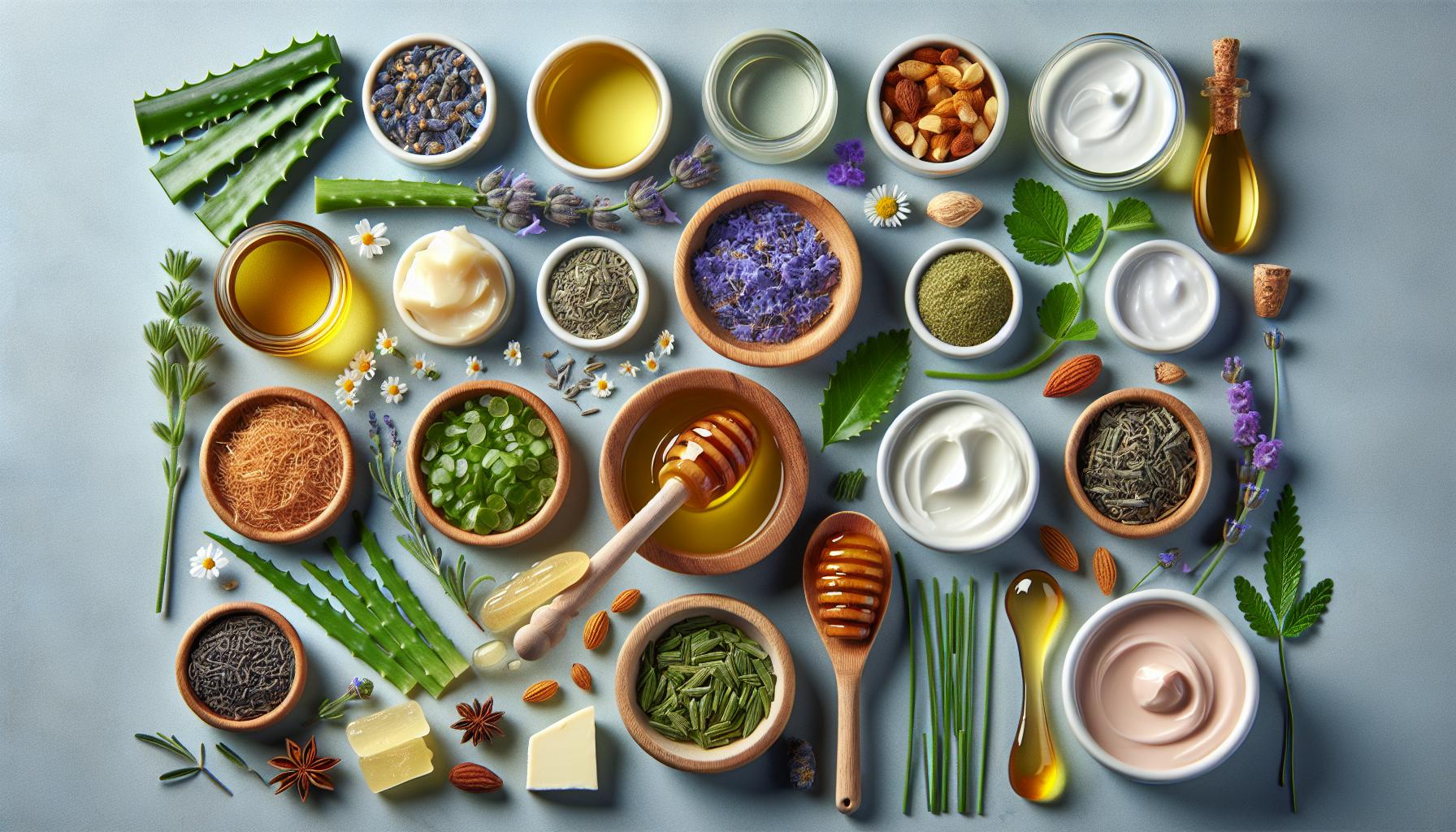
The Evolution of Natural Ingredients in the Beauty Industry: Trends and Innovations

The Evolution of Natural Ingredients in the Beauty Industry
The beauty industry has undergone a transformative journey over the past few decades, increasingly leaning towards natural ingredients. As consumers become more conscious of what they apply to their skin and hair, the demand for organic and eco-friendly products is surging. This shift reflects a broader change in values, as individuals seek to align their beauty choices with sustainability and health. With a plethora of options available, consumers are not only focusing on efficacy but also on the ethical implications of their purchases.
Several key trends highlight this evolution:
- Ingredient Transparency: In recent years, brands have adopted a policy of openness about the contents of their products. For instance, brands like Beautycounter and The Ordinary provide detailed disclosures of ingredients, offering insights into both their origins and benefits. This transparency builds trust and empowers consumers to make informed choices.
- Plant-Based Formulations: The rise in the use of plant extracts, oils, and natural butters can be attributed to a growing appreciation for the healing power of nature. Ingredients like jojoba oil, shea butter, and tea tree oil are common in many American cosmetic products, acclaimed for their nourishing and soothing properties, making them staples in skincare regimens.
- Sustainable Sourcing: Companies such as Lush and Tata Harper prioritize ethical sourcing methods that protect ecosystems and support local communities. This commitment goes beyond marketing; it fosters a holistic approach that respects both the environment and the artisans involved in ingredient production.
Innovations in this space are not only enhancing product effectiveness but also reshaping consumer expectations. For instance, cutting-edge technologies are revolutionizing how natural ingredients are utilized and understood:
- Advanced Extraction Techniques: Techniques such as cold-pressing and supercritical CO2 extraction maximize the potency of natural ingredients, ensuring that products contain more concentrated and effective active compounds.
- Biotechnological Advances: Companies are also leveraging biotechnology to create sustainable materials from renewable resources. For example, biopolymers derived from plants are being used in cosmetic formulations, reducing reliance on synthetic components.
- Personalized Beauty Solutions: The advent of technologies like AI and genetic testing has led to the development of custom skincare solutions tailored to individual skin types and conditions. Brands like Proven Skincare offer bespoke products that cater to the unique needs of different consumers, tapping into the personalized approach that many are seeking today.
This ongoing evolution invites both brands and consumers to explore the synergy between nature and science, forging new paths in the realm of beauty. As we delve deeper, we will uncover how these trends and innovations are redefining beauty standards and setting the stage for future developments. The intersection of nature and innovation not only enhances product offerings but also promotes a culture of sustainability, questioning the conventional beauty norms that have dominated the industry for so long.
In conclusion, the transformation towards natural ingredients in beauty extends beyond mere aesthetics; it reflects a deeper commitment to health, wellness, and environmental stewardship. As awareness grows, the beauty industry will continue to adapt, paving the way for exciting advancements that prioritize both people and the planet.

DISCOVER MORE: Click here to learn essential techniques
Trends Shaping the Natural Beauty Landscape
The surge in popularity of natural ingredients within the beauty industry is driven by several key trends that reflect changing consumer values. As individuals become increasingly aware of the potential hazards of synthetic chemicals and the environmental impact of their purchases, they are turning to products that emphasize organic and sustainably sourced components. Understanding these trends sheds light on how beauty brands are innovating to meet the rising demand for natural and holistic solutions.
- Clean Beauty Movement: The clean beauty movement champions the idea that skincare and cosmetic products should be free from harmful chemicals and toxic additives. This trend has encouraged brands to reformulate their products, focusing on transparency around ingredient sourcing, adherence to safety standards, and a clear breakdown of what is excluded from their formulations. Companies like RMS Beauty and 100% Pure exemplify this movement, offering clean alternatives that are as effective as their traditional counterparts.
- Holistic Wellness Integration: The integration of holistic wellness principles into product design signifies a broader understanding of beauty as a multifaceted aspect of well-being. Brands are introducing aromatherapy-infused products and skincare lines that incorporate benefits from minerals, herbs, and traditional medicine practices. By focusing on both emotional and physical health, these products resonate with consumers seeking a wellness-centric approach to beauty.
- Diversity in Natural Ingredients: The beauty industry is witnessing a blossoming diversity of natural ingredients sourced from different cultures worldwide. Exotic components like prickly pear oil, moringa, and matcha are making their way into formulations, each offering unique properties and benefits. This broadens the consumer’s horizon while enriching formulations with potent nutrients and antioxidants.
With this burgeoning landscape, brands are increasingly embracing innovation to enhance both performance and appeal:
- Eco-Conscious Packaging: Brands are not only focused on product ingredients but are also prioritizing eco-friendly packaging. Innovations in biodegradable, recyclable, and reusable materials reflect a commitment to reducing environmental impact. Notable brands such as Kiehl’s encourage recycling through their programs, offering incentives for consumers who return used packaging.
- Technological Integration: The advent of technology is also transforming the way natural ingredients are sourced and utilized. For instance, advancements in nanotechnology allow for better penetration of active ingredients into the skin, thus enhancing the efficacy of natural compounds. Additionally, brands harness data analytics to understand consumer preferences, leading to more targeted offerings that fulfill individual desires.
- Clean and Green Certifications: To maintain consumer trust, many brands are now seeking certifications from organizations such as the USDA and Ecocert. These endorsements are critical in assuring consumers that they are choosing products that genuinely adhere to natural and organic standards, fostering a sense of authenticity within the marketplace.
This dynamic interplay of trends and innovations not only caters to the changing preferences of consumers but also paves the way for a more sustainable and ethical beauty landscape. As the industry continues to evolve, it remains imperative for brands to balance efficacy with transparency and sustainability, setting new standards for what beauty can and should represent.
The Evolution of Natural Ingredients in the Beauty Industry: Trends and Innovations
The beauty industry has experienced a significant paradigm shift as consumers increasingly prioritize products that boast natural ingredients. This trend is influenced by a collective awareness of the benefits associated with using sustainably sourced materials over synthetic alternatives. Brands are responding by reformulating their products, incorporating plant-based extracts, essential oils, and other naturally derived components that not only provide efficacy but also align with the values of health-conscious consumers.
One major innovation has been the movement towards transparency in ingredient sourcing, with brands openly sharing knowledge about where and how their ingredients are harvested. This includes a commitment to ethical practices that respect local communities and ecosystems. Additionally, the rise of biotechnology in beauty has introduced novel methods for producing natural ingredients with enhanced potency, paving the way for products that deliver superior results without compromising on safety or environmental integrity.
| Category | Key Features |
|---|---|
| Natural Ingredients | Derived from plants, minerals, or natural sources, promoting skin wellness. |
| Sustainable Sourcing | Supports eco-friendly practices that minimize environmental impact. |
Moreover, the integration of artificial intelligence and data analytics has allowed brands to understand consumer preferences better, predicting trends for natural beauty products. All of these factors contribute to an unprecedented landscape in which innovation and tradition coexist, leading to a booming market for natural beauty products that meets the expectations of a modern audience.
DISCOVER MORE: Click here to enhance your skincare knowledge
Emerging Innovations in Natural Beauty
As the demand for natural ingredients escalates, the beauty industry is witnessing a wave of innovative approaches that not only enhance product efficacy but also resonate with consumer expectations for sustainability and ethical practices. These innovations are reshaping the landscape of beauty, offering unique solutions to age-old challenges while maintaining a focus on natural sourcing.
- Biotechnology in Skincare: The integration of biotechnology is revolutionizing natural beauty formulations. Brands are utilizing microbial fermentation technologies to extract potent active ingredients from plants without depleting natural resources. For example, brands like Biossance employ a sustainable method to derive squalane from sugarcane rather than from shark liver oil, ensuring both efficacy and environmental responsibility. This biochemical advancement presents a futuristic avenue for achieving natural beauty benefits while adhering to ethical standards.
- Personalized Beauty Solutions: The trend of personalized beauty is gaining traction as brands leverage artificial intelligence and skin biometrics to create custom formulations tailored to individual skin types and concerns. Companies like Proven Skincare analyze user data to recommend personalized product combinations utilizing natural ingredients. This approach underscores the significance of individual experience in the beauty journey, appealing to consumers seeking targeted solutions that work specifically for their unique attributes.
- Waterless Formulations: Driven by an increasing awareness of water scarcity, the waterless beauty trend is blossoming rapidly. Brands are innovating by creating concentrated formulas that eliminate the need for water in formulation processes. Products such as solid shampoos, balms, and powders are not only environmentally friendly but also packed with highly concentrated active ingredients. They promise longer-lasting use, reduced packaging waste, and enhanced potency. Notable examples include brands like Ethique, whose eco-conscious solid products emphasize sustainability without compromising on quality.
In addition to these innovations, there is a growing emphasis on the importance of sourcing practices. Brands are now more than ever committed to ethical sourcing, ensuring that the natural ingredients they use are derived from fair-trade practices and contribute positively to the communities they come from. For instance, companies like SheaMoisture actively participate in cooperative programs that empower local women in West Africa, providing them with a sustainable income while harvesting shea butter.
Transparency in Ingredient Labeling
Transparency has become a vital component of the natural beauty segment. In a world inundated with marketing claims, consumers are increasingly seeking clarity about the origins and benefits of ingredients. Brands are responding to this demand by adopting straightforward labeling practices, making it easier for consumers to identify the natural contents of their products. The use of plant-based descriptors and simplified ingredient lists not only demystifies formulations but also fosters trust between consumers and brands.
Moreover, educational initiatives are being launched within the industry to help consumers understand the science behind natural ingredients. This includes interactive platforms, workshops, and online resources, which inform customers about the sourcing, benefits, and proper usage of natural products. Brands that invest in educational outreach not only empower their consumers but also develop a loyal customer base, reinforcing the importance of informed purchasing decisions.
This convergence of technological advancements, a commitment to sustainability, and a push for transparency signifies a pivotal shift in the beauty industry. The integration of innovative practices that align with ethical sourcing and consumer-centric approaches is creating a dynamic marketplace that celebrates the beauty of nature without compromising efficacy or integrity.
DISCOVER MORE: Click here to learn about the impact of sustainability on cosmetics
Wrapping Up the Natural Beauty Revolution
In conclusion, the evolution of natural ingredients in the beauty industry reveals a compelling narrative that intertwines innovation, sustainability, and ethical responsibility. As brands adapt to the growing demands of eco-conscious consumers, the integration of biotechnology, personalized formulations, and waterless products marks a significant departure from traditional beauty methods. This shift not only enhances product efficacy but also aligns with the principles of environmental stewardship and social equity.
The emergence of transparent labeling practices has empowered consumers to make informed choices, establishing a vital bond of trust with brands. This transparency, coupled with educational initiatives, fosters a deeper understanding of the natural ingredients at play, encouraging consumers to explore the science and sourcing that inform their beauty rituals.
As the industry continues to evolve, we can expect further advancements that prioritize not just the natural essence of beauty but also the implications of sourcing and sustainability. The momentum behind this trend is undeniable—consumers are increasingly willing to support brands that champion ethical practices and prioritize the health of the planet. Thus, the future of the beauty industry looks to be one where nature and innovation are not just compatible but are essential allies in shaping a more responsible and effective approach to beauty.
This remarkable evolution invites readers to explore and engage deeply with the world of natural beauty. As you consider your own beauty choices, remember that each product is a step towards contributing to a more sustainable and ethically sound future.