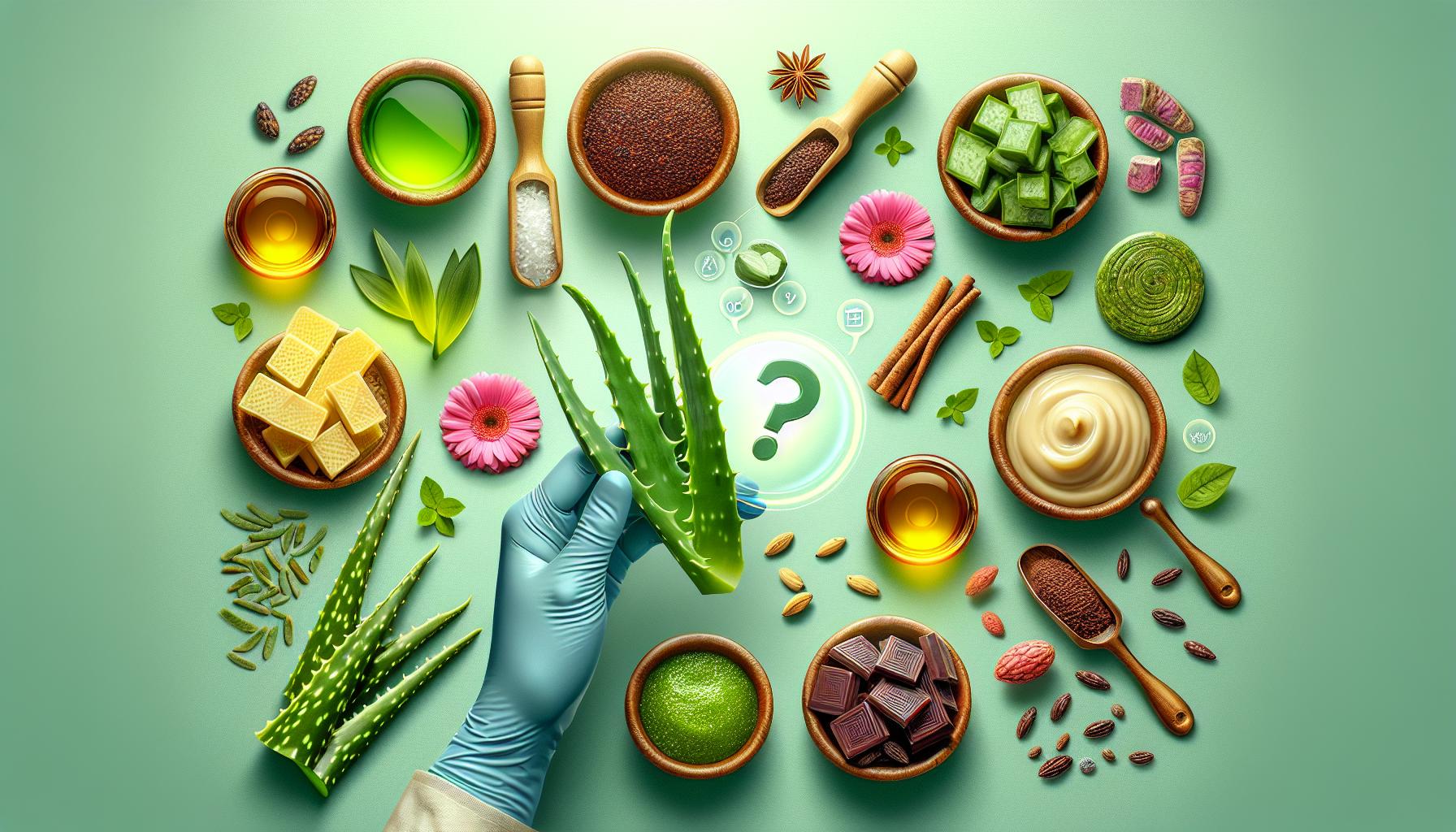
The Science Behind Natural Ingredients: Understanding Their Efficacy and Safety in Skincare Products
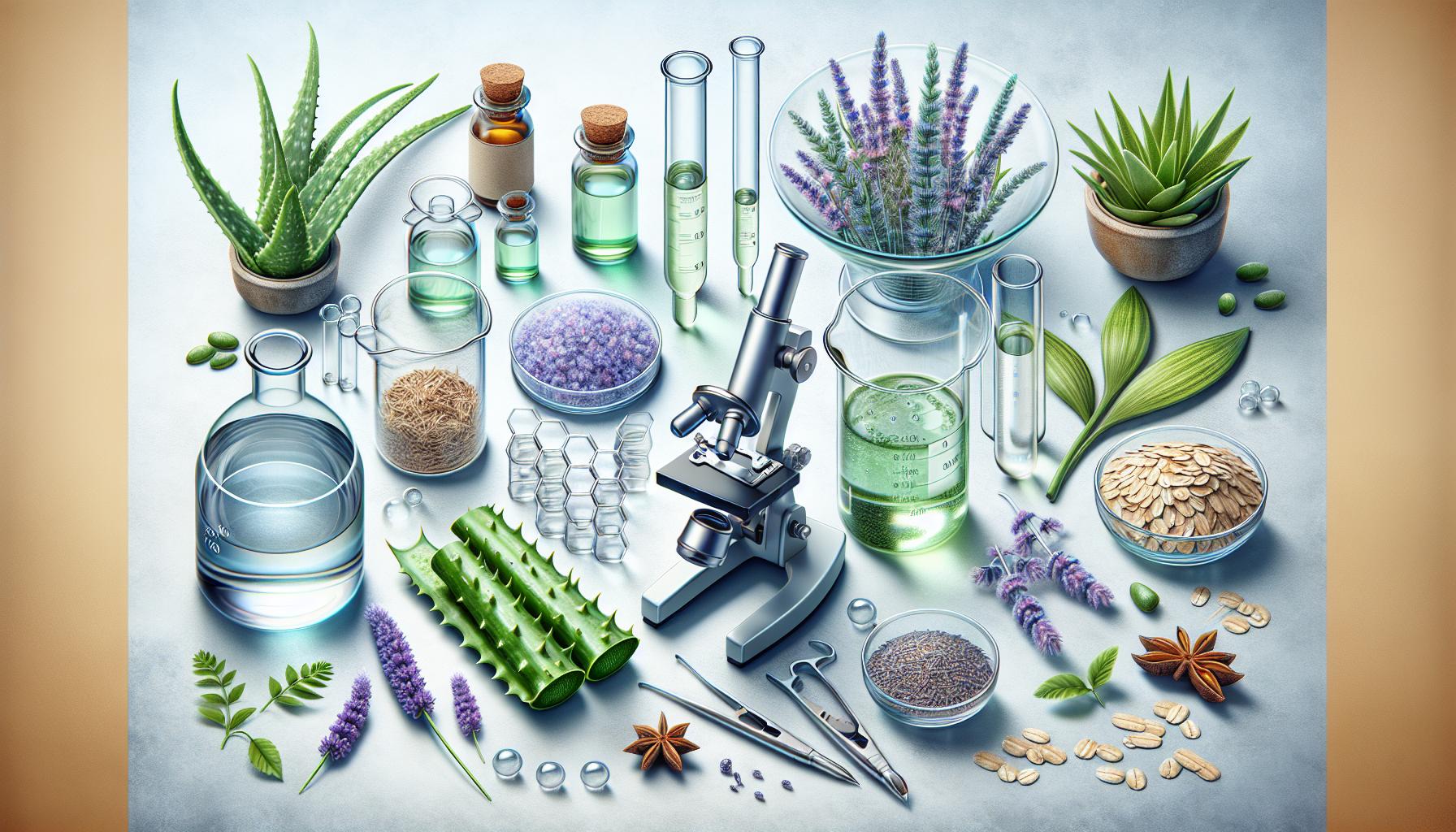
Understanding Natural Skincare Ingredients
As consumers increasingly seek out natural skincare solutions, the market is flooded with products boasting an “all-natural” label. However, navigating this landscape is often fraught with challenges. Many consumers desire to demystify the efficacy of these natural ingredients, differentiating between authentic benefits and mere marketing buzz. This article will explore the scientific basis for popular natural components, while also clarifying common misconceptions surrounding their use.
The Biochemical Properties of Natural Ingredients
To fully appreciate the effectiveness of natural skincare products, it’s important to understand the biochemical properties that underpin their benefits. For instance, aloe vera is lauded for its soothing properties due to its rich content of polysaccharides, which help hydrate the skin while providing an anti-inflammatory effect. Studies have demonstrated that aloe can facilitate wound healing and reduce skin irritation, making it a staple in many formulations.
Tea tree oil, on the other hand, is celebrated for its antimicrobial properties. Research has shown that this essential oil contains compounds such as terpinen-4-ol, which can combat acne-causing bacteria effectively. Not only does tea tree oil help in preventing breakouts, but it can also diminish redness and inflammation associated with acne flare-ups. However, it’s crucial to use it in moderation, as it can irritate sensitive skin.
Current Research Supporting Natural Ingredients
Recent studies continue to bolster the credibility of these natural components. For example, hyaluronic acid, often found in serums and moisturizers, is a naturally occurring substance in our bodies. It is renowned for its ability to retain moisture—up to 1,000 times its weight in water—which is vital for maintaining skin elasticity and minimizing the appearance of fine lines. Current research highlights how topical application of hyaluronic acid can significantly improve skin hydration and texture, solidifying its position as a crucial ingredient in modern skincare.
Dispelling Myths: Safety and Potency
Despite the burgeoning interest in natural ingredients, misconceptions about their safety and potency remain prevalent. Some assume that because a product is labeled as “natural,” it is inherently safe for all skin types. This is misleading, as even natural ingredients can cause allergic reactions or irritation, particularly for individuals with sensitive skin. Essential oils, while beneficial, must be diluted and used cautiously. A patch test is always recommended before trying any new skincare product to gauge individual reactions.

Concerns surrounding long-term effects of various ingredients also warrant discussion. While many natural additives are generally safe, factors such as concentration, skin type, and pre-existing conditions can influence reactions. Thus, informed decision-making is necessary when selecting products.
Equipped with this knowledge, consumers can navigate the complex landscape of natural skincare. By delving into the chemical compositions, benefits, and safety profiles of various ingredients, individuals can curate a skincare regimen tailored to their unique needs, thus achieving healthier skin.
Join us as we continue to explore the intricate world of natural ingredients, empowering you to make educated choices in your skincare journey.
DISCOVER MORE: Click here to learn how to create your own skincare at home
The Science of Extraction: How Natural Ingredients Are Derived
Understanding the science behind how natural ingredients are extracted is pivotal to grasping their efficacy in skincare. Processes such as cold pressing, steam distillation, and solvent extraction play significant roles in preserving the beneficial properties of botanicals. For instance, cold pressing is commonly employed to obtain oils from fruits like citrus. This method ensures that the essential nutrients remain intact, providing potent antioxidant benefits that combat free radicals and protect the skin from environmental stressors.
Another common extraction technique, steam distillation, utilizes heat and vapor to separate essential oils from plant materials. Essential oils like lavender and eucalyptus undergo this process, resulting in highly concentrated compounds that carry their distinct aromatherapeutic benefits and skin-soothing properties. However, for effective topical application, these oils must often be diluted with carrier oils, such as coconut or jojoba oil, to prevent potential skin irritation.
Popular Natural Ingredients and Their Mechanisms
Delving deeper into the science of natural ingredients reveals a plethora of components with unique skin benefits:
- Chamomile: This gentle herb is cherished for its anti-inflammatory effects, attributed to compounds like bisabolol and chamazulene. Research indicates that chamomile can calm irritated skin, making it a favorable choice for those with conditions like eczema or rosacea.
- Willow Bark Extract: Known for its salicylic acid content, this extract serves as a natural exfoliant. It helps to remove dead skin cells and unclog pores, addressing acne without the harshness associated with synthetic alternatives.
- Green Tea Extract: Rich in polyphenols, particularly catechins, green tea is recognized for its impressive anti-aging properties. Studies suggest that it inhibits collagenase and elastase, enzymes that break down skin’s structural components, thus promoting firmer, more youthful-looking skin.
The efficacy of these natural ingredients does not solely rely on their chemical composition; their interaction with the skin also plays a crucial role. Factors such as penetration ability, concentration, and stability influence how well an ingredient delivers its promised benefits. For example, while vitamin C is an antioxidant powerhouse, its effectiveness can be diminished if not formulated correctly. The pH level, for instance, dictates its stability and absorption, which is why it is often found in stabilized forms in products.
The Role of Synergy in Skincare Formulations
Another compelling aspect of natural ingredients is the idea of synergy—the concept that certain ingredients work better together than individually. When combined thoughtfully, compounds can enhance each other’s effects, providing greater benefits while potentially minimizing adverse reactions. For instance, vitamin C and vitamin E, when used in tandem, not only improve antioxidant protection but can also fortify skin barrier function.
As we navigate this intricate web of natural skincare, understanding how these ingredients interact with each other and with our skin can empower consumers to make informed decisions, maximizing the benefits of their skincare products.
In the forthcoming sections, we will continue to unravel the science behind these natural components, diving deeper into their safety profiles and the best practices for incorporating them into a daily skincare regimen.
The Efficacy of Natural Ingredients in Skincare
The growing interest in skincare products has led consumers to delve deeper into the science behind natural ingredients. As more brands focus on integrating botanical elements into their formulations, it is crucial to discuss the specific benefits these natural components offer.
Understanding Active Compounds
Natural ingredients, such as aloe vera, tea tree oil, and hyaluronic acid, have gained recognition not just for their aesthetic appeal but also for their functionality in skincare. Aloe vera, for instance, is renowned for its anti-inflammatory properties, making it a go-to for soothing irritated skin. Studies have shown that certain compounds in tea tree oil possess antimicrobial qualities, effective against acne-causing bacteria. On the other hand, hyaluronic acid derived from natural sources aids in skin hydration, significantly improving moisture retention.
Safety and Allergens
One of the primary concerns when using skincare products is safety. Natural ingredients often come with a reputation for being more gentle and less likely to provoke allergic reactions compared to synthetic alternatives. Research indicates that consumers are increasingly wary of parabens and other chemical additives. Natural variants, such as fermented ingredients and plant extracts, offer a safer route while providing effective results. However, the need for comprehensive testing remains critical, as individual skin sensitivities can vary greatly.
The Role of Science in Natural Skincare
Beyond marketing buzz, scientific research corroborates the claims surrounding natural ingredients. Emerging studies continue to validate the effectiveness of these components through clinical trials and practical applications. Skincare enthusiasts should seek brands that offer transparency about their ingredient sourcing and the corresponding research that backs their efficacy.
| Category | Benefits |
|---|---|
| Hydration | Natural ingredients like hyaluronic acid effectively boost skin moisture levels, enhancing overall skin health. |
| Anti-inflammatory | Ingredients like aloe vera soothe skin irritation, providing relief for sensitive skin types. |
As we uncover the vast array of natural ingredients in skincare, it becomes evident that understanding their individual roles is paramount. By informing oneself about the efficacy and safety of these ingredients, consumers can make educated choices leading to healthier skin.
DISCOVER MORE: Click here for essential techniques
Assessing Safety: The Regulation and Testing of Natural Ingredients
As the popularity of natural skincare continues to rise, the importance of assessing the safety of natural ingredients becomes increasingly relevant. Unlike synthetic ingredients, which are often regulated stringently by entities like the Food and Drug Administration (FDA), natural ingredients can present unique challenges in terms of sourcing, standardization, and safety testing. In the United States, the FDA doesn’t require pre-market approval for cosmetic products, resulting in a patchwork of regulations that can leave consumers vulnerable to potential adverse reactions.
One significant concern regarding natural ingredients stems from the variability of their potency. For instance, the effectiveness and safety of an essential oil can significantly differ depending on the plant species, geographic location, and extraction method used. As such, manufacturers must adopt rigorous testing protocols to ensure that their products do not cause allergic reactions or skin irritation, especially in populations with sensitive skin.
Common Tests for Safety and Efficacy
To better understand the safety profile of natural ingredients in skincare products, several common testing methods are employed:
- Patch Testing: This method involves applying a small amount of product or ingredient to the skin under controlled conditions to monitor for reactions over a period of 48 hours. Patch testing helps in identifying potential allergens, allowing manufacturers to refine formulations before they hit the market.
- In Vivo Studies: Some manufacturers conduct in vivo studies that involve testing on human subjects to assess how well a product works in real-life settings. These studies provide essential data on skin hydration, elasticity, and overall appearance after consistent use.
- In Vitro Testing: In vitro testing utilizes human skin cells or tissues to study cellular responses to various ingredients. This testing method helps to determine the potential of natural extracts in promoting healing or reducing inflammation, without the ethical implications of utilizing live subjects.
Moreover, the implementation of Good Manufacturing Practices (GMP) further ensures that manufacturers maintain quality and safety standards throughout the production process. Adhering to these practices reduces the risk of contamination and variability that may compromise the efficacy of natural ingredients in skincare formulations.
Consumer Awareness and Ingredient Transparency
As an increasing number of consumers gravitate towards natural skincare, there is a growing demand for transparency in ingredient sourcing and formulation practices. Brands that openly share information about their ingredient origins, extraction methods, and safety testing tend to build greater trust with their customers. This can not only foster brand loyalty but also provide consumers with the tools to make informed choices about the products they use on their skin.
The trend towards simplicity in ingredient lists aligns well with the shift towards clean beauty. Labels brimming with technical jargon can deter consumers, whereas straightforward, recognizable natural ingredients resonate better with those seeking safer options. However, consumers must remain vigilant; reading labels is essential since some products may masquerade as “natural” while containing synthetics or harmful additives.
With an emphasis on efficacy and safety, ongoing research into natural ingredients helps shape the innovations in skincare products. As studies reveal the benefits or potential risks of specific botanicals, manufacturers will be better positioned to create formulations that are both effective and safe for widespread use. The intersection of science, the natural world, and consumer education paves the way for a brighter future in skincare.
DISCOVER MORE: Click here to learn the art of contouring
Conclusion
In summary, understanding the science behind natural ingredients in skincare products is essential in navigating the increasingly complex landscape of beauty and wellness. As consumers turn to natural solutions seeking efficacy and safety, it becomes imperative to appreciate the factors influencing the performance of these ingredients, from plant sourcing to extraction methods. Despite their potential benefits, the variability and lack of stringent regulations surrounding natural ingredients invite scrutiny. Consequently, manufacturers must adopt robust testing practices and adhere to industry standards to ensure that their products deliver promised results while maintaining safety.
The growing emphasis on transparency in ingredient sourcing and production processes facilitates informed consumer choices, building trust and fostering loyalty. Knowledgeable consumers who actively engage in understanding what they apply to their skin are positioned to leverage the advantages of natural skincare. Yet, it is critical for consumers to remain vigilant, discerning true natural products from those that may be misleadingly marketed.
As the field advances, ongoing research into the efficacy and safety of various natural extracts will continue to illuminate their potential. The synergy of scientific inquiry and natural philosophy will pave the way for innovative skincare formulations characterized by both safety and effectiveness. Ultimately, this emerging understanding empowers not only manufacturers to create better products but also consumers to embrace nature’s offerings in their quest for healthier skin.