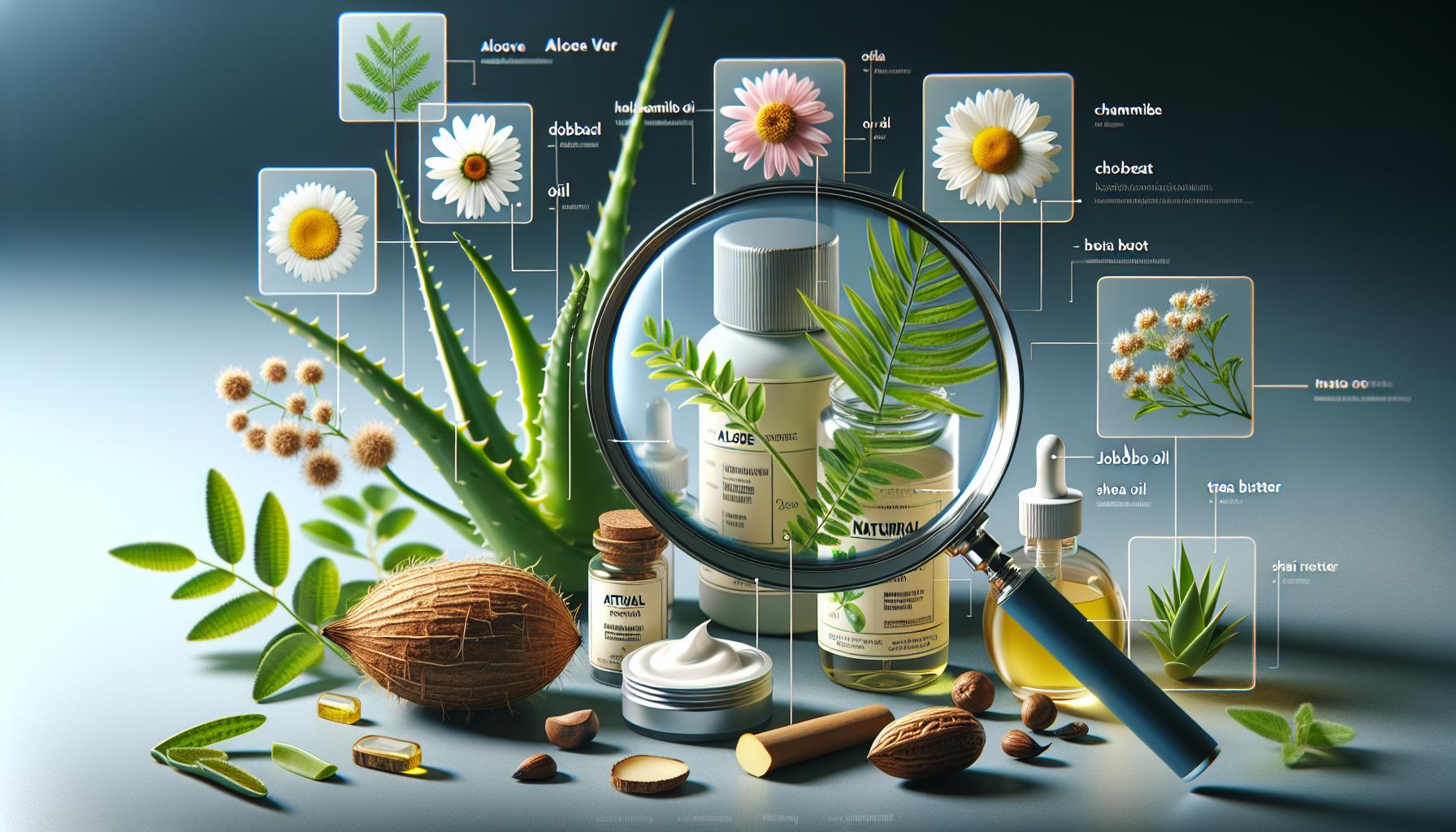
The Evolution of Natural Ingredients in the Beauty Industry: Trends and Innovations

Understanding the Shift Towards Natural Ingredients
In recent years, the beauty industry has witnessed a profound transformation, placing natural ingredients at the forefront of product development. This shift is not merely a passing trend but a robust movement driven by consumer demand for transparency and sustainability. As awareness grows, more individuals seek formulas that are not only effective but also safe for both personal health and the environment. The result? A captivating blend of tradition and innovation in personal care.
Modern beauty enthusiasts are increasingly turning to products that boast natural components rather than synthetic alternatives. According to a report by Grand View Research, the global natural skincare market size is expected to reach USD 22.20 billion by 2024, growing at a compound annual growth rate (CAGR) of 5.0%. This decisive shift underscores consumers’ preference for products that use ingredients derived from nature.
Key Trends Influencing the Natural Beauty Movement
Several key trends are shaping this evolution and enhancing the appeal of natural beauty products:
- Clean Beauty: A significant number of brands are now emerging that emphasize non-toxic and environmentally-friendly formulations. Companies like Beautycounter and Ilia Beauty have carved out a niche by providing transparency about ingredient safety and sourcing practices, allowing consumers to make informed choices.
- Ethical Sourcing: The movement towards ethical sourcing highlights the importance of maintaining sustainable practices. Brands such as Tata Harper and Biossance not only focus on eco-friendly ingredient sourcing but also commit to fair-trade practices and local sourcing, promoting environmental and social responsibility across the supply chain.
- Wellness Integration: Products are increasingly infused with health-promoting ingredients like adaptogens, probiotics, and botanical extracts, which aim to enhance not just beauty, but overall wellness. For instance, ingredient-rich formulations from brands like Herbivore Botanicals often incorporate calming and restorative components like ashwagandha and rose quartz to promote internal balance.
Moreover, innovations are flourishing in the realm of technology. Companies are leveraging biotechnology to enhance the efficacy of these natural ingredients. For example, some brands are utilizing lab-grown alternatives to traditional extracts, which not only conserves natural resources but also ensures purity and potency. Extraction methods that prioritize the preservation of the ingredient’s integrity, like cold pressing, are also gaining attention, allowing for greater nutrient retention and effectiveness.
This evolving landscape invites consumers not just to witness the change, but to actively participate in it. By choosing products made with natural ingredients, consumers support a shift towards greater sustainability in the beauty industry. As we delve deeper into these trends and innovations, we’ll uncover how the marriage of nature and science is setting the stage for the future of beauty. Whether through skincare, makeup, or hair care, the emphasis on natural and responsibly sourced ingredients is indeed reshaping the beauty narrative, encouraging a more holistic approach to personal care.
DISCOVER MORE: Click here to learn about hydration and skin health
Emerging Innovations in Natural Ingredients
The proliferation of natural ingredients has not only redefined the formulation standards within the beauty industry but has also paved the way for significant innovations. As consumer preferences shift towards clean and effective alternatives, brands are compelled to explore and adopt novel approaches to formulation that fuse tradition with modern science. This intersection between nature and technology has birthed various innovative trends and practices that are changing the way products are created and perceived.
One prominent trend is the rise of biotechnology, which facilitates the development of advanced natural ingredients. For instance, brands are now engaging in gene coding and fermentation processes to create lab-grown alternatives to natural compounds. This is not just a sustainable practice; it also allows brands to maintain consistency in quality and efficacy. A notable example is the skincare brand Sunday Riley, which utilizes microalgae extracts, harnessing their benefits through biotechnological processes to enhance the performance of their products.
Additionally, consumers are increasingly interested in the traceability of ingredients. They want to know the origins of what they apply to their skin and the impact those choices have on the environment. This has led to brands like Drunk Elephant highlighting their commitment to following the “Suspicious 6” – six harmful ingredients they prohibit in their formulations – while also transparently sharing their own sourcing practices. This trend not only serves consumer demand for clean beauty but also fosters trust and loyalty, as consumers feel more connected to brands that prioritize ethical practices.
The Role of Botanical Ingredients
Botanical ingredients have gained particular prominence in this new beauty narrative. Many consumers are discovering the myriad benefits of plants, leading to a resurgence in the popularity of herbal remedies. The incorporation of traditional plant extracts, such as aloe vera for hydration and tea tree oil for its antibacterial properties, reveals the power of nature. According to a survey by market research firm Grand View Research, the botanical extracts segment in the natural skincare market is expected to grow significantly in the coming years, reflecting consumer awareness of the efficacy of these traditional ingredients.
The influence of social media cannot be ignored in driving the demand for natural ingredients as well. Platforms like Instagram and TikTok have become instrumental in popularizing brands that emphasize their ingredient transparency and sustainability ethos. Users are now more inclined to share their experiences with products that feature visible, recognizable ingredients, pushing companies to market more authentically. Moreover, influencer testimonials often showcase the personal benefits derived from clean beauty products, which helps to captivate a wider audience eager to transition to natural alternatives.
In conclusion, the evolving landscape of the beauty industry reflects a growing commitment to natural ingredients through innovative approaches and sustainable practices. As brands continue to embrace these trends, they are not only catering to consumer demands but paving the way for a more responsible and health-conscious beauty culture. As we explore further, we’ll discover how the fusion of nature and science is evolving to meet the needs of today’s beauty consumers in unprecedented ways.
| Trends | Innovations |
|---|---|
| Growing Demand for Clean Beauty | Development of Biodegradable Packaging to reduce plastic waste |
| Incorporation of Plant-based Ingredients | Rise of Fermentation Techniques to enhance potency |
The beauty industry is undergoing a remarkable transformation as consumers increasingly gravitate towards products that not only enhance their appearance but also align with their values. The demand for clean beauty signifies a pivotal shift, where customers favor transparency in ingredients and ethical production practices. In response to this trend, brands are now emphasizing the incorporation of plant-based ingredients, harnessing the benefits of nature in their formulations. Moreover, innovations in product development are also taking center stage. The advent of biodegradable packaging addresses environmental concerns by offering sustainable alternatives that minimize plastic waste in our ecosystems. Additionally, the rise of fermentation techniques is revolutionizing the potency of skincare products, allowing for a unique blend of effectiveness and purity that speaks to the modern consumer’s needs. These approaches not only highlight the intersection of nature and science but also pave the way for a new era where beauty and sustainability go hand-in-hand.
DISCOVER MORE: Click here to learn about the latest advancements
Consumer Awareness and the Clean Beauty Movement
The surge in demand for natural ingredients is paralleled by an evolution in consumer awareness, particularly regarding health and the environmental impact of beauty products. As consumers grow more knowledgeable about the formulations in their skincare and cosmetic staples, the call for clean beauty has become a defining characteristic of the modern beauty landscape. According to a report conducted by the Global Clean Cosmetics Market, the market is anticipated to grow from $5.4 billion in 2018 to over $22 billion by 2024, highlighting a seismic shift in consumer preference towards products they perceive as safer and more responsible.
This movement has also incentivized brands to innovate not only in their ingredient choices but in their overall product philosophies. Companies are responding by reformulating products to eliminate synthetics and prioritize naturally derived ingredients. For instance, brands such as BeautyCounter have positioned themselves at the forefront of the clean beauty movement, advocating for stricter regulations on cosmetic ingredients in the U.S. to ensure consumer safety. Their “Never List” encapsulates over 1,800 ingredients they refuse to use, signaling a commitment to transparency that resonates with health-conscious consumers.
Sustainable Sourcing and Eco-Friendly Packaging
As part of the clean beauty ethos, another key area of innovation involves sustainable sourcing and eco-friendly packaging. Consumers are not only scrutinizing what goes into their beauty products but also the impact of those products on the planet. Brands are embracing sustainability by sourcing ingredients from ethical suppliers who practice responsible farming and harvesting methods. For instance, the Herbivore Botanicals brand takes pride in utilizing sustainably sourced materials from rainforests and oceans, ensuring minimal ecological disruption throughout the supply chain.
Furthermore, the movement towards minimalistic and biodegradable packaging is gaining traction, driven by environmentally aware consumers who are conscious of waste. Brands like Fenty Beauty are exploring recyclable options, while others are investing in refillable systems to reduce single-use containers. This approach significantly lowers the brand’s carbon footprint and aligns with consumers’ desires for accountability and effective waste management in the beauty industry.
Advanced Formulation Techniques
The marriage of science and nature in the beauty sector has led to the adoption of advanced formulation techniques designed to improve the efficacy of natural ingredients. Processes such as nanotechnology are now utilized to enhance the penetration and delivery of beneficial compounds within the skin. For example, some brands have developed products that encapsulate natural extracts in nanoparticles, allowing for greater absorption and effectiveness. This innovation is not only enhancing product performance but is also increasing consumer trust in natural formulations.
The incorporation of artificial intelligence (AI) and machine learning in product development is another groundbreaking trend. Companies analyze vast amounts of data regarding ingredient performance and consumer preferences, streamlining the creation of formulations that meet specific efficacy and safety standards. Brands such as Proven Skincare utilize AI technology to analyze users’ skin types and concerns, ensuring that the natural ingredients used are tailored specifically to individual needs.
The evolution of natural ingredients in the beauty industry is a dynamic interplay of consumer demand, technological innovation, and sustainable practices. As beauty enthusiasts become increasingly informed and discerning, brands are motivated to innovate further, creating products that not only cater to consumer preferences but also support a healthier planet.
DISCOVER MORE: Click here to learn about the latest personal care innovations
Conclusion: A New Era in Beauty
The transformation of the beauty industry towards natural ingredients is not merely a passing trend, but rather a profound shift shaped by increasing consumer awareness, sustainability, and technological innovation. With the clean beauty movement gaining momentum, consumers are increasingly demanding transparency and accountability from brands. The impressive growth forecast for the clean cosmetics market underscores this change, indicating that a significant percentage of consumers are opting for products deemed safer and environmentally responsible.
Moreover, as brands focus on sustainable sourcing and eco-friendly packaging, they align their practices with consumer values, ensuring that beauty products not only enhance personal allure but also benefit the planet. The rise of advanced formulation techniques—including nanotechnology and AI-driven personalization—exemplifies how the fusion of nature and science can result in effective, tailor-made solutions that resonate with today’s informed consumers. This innovative intersection enhances efficacy while optimizing the use of natural resources.
Looking ahead, it is essential for the beauty industry to maintain this trajectory of innovation, embracing natural ingredients without compromising on safety and performance. As consumers continue to be vigilant about their choices, brands must explore new frontiers that prioritize holistic well-being and environmental health. Ultimately, the journey towards a greener beauty landscape is a shared responsibility, and the collective actions of both consumers and companies will shape the future of this vibrant industry.