The Relationship between Quality Sleep and Skin Health: How Rest Affects Beauty
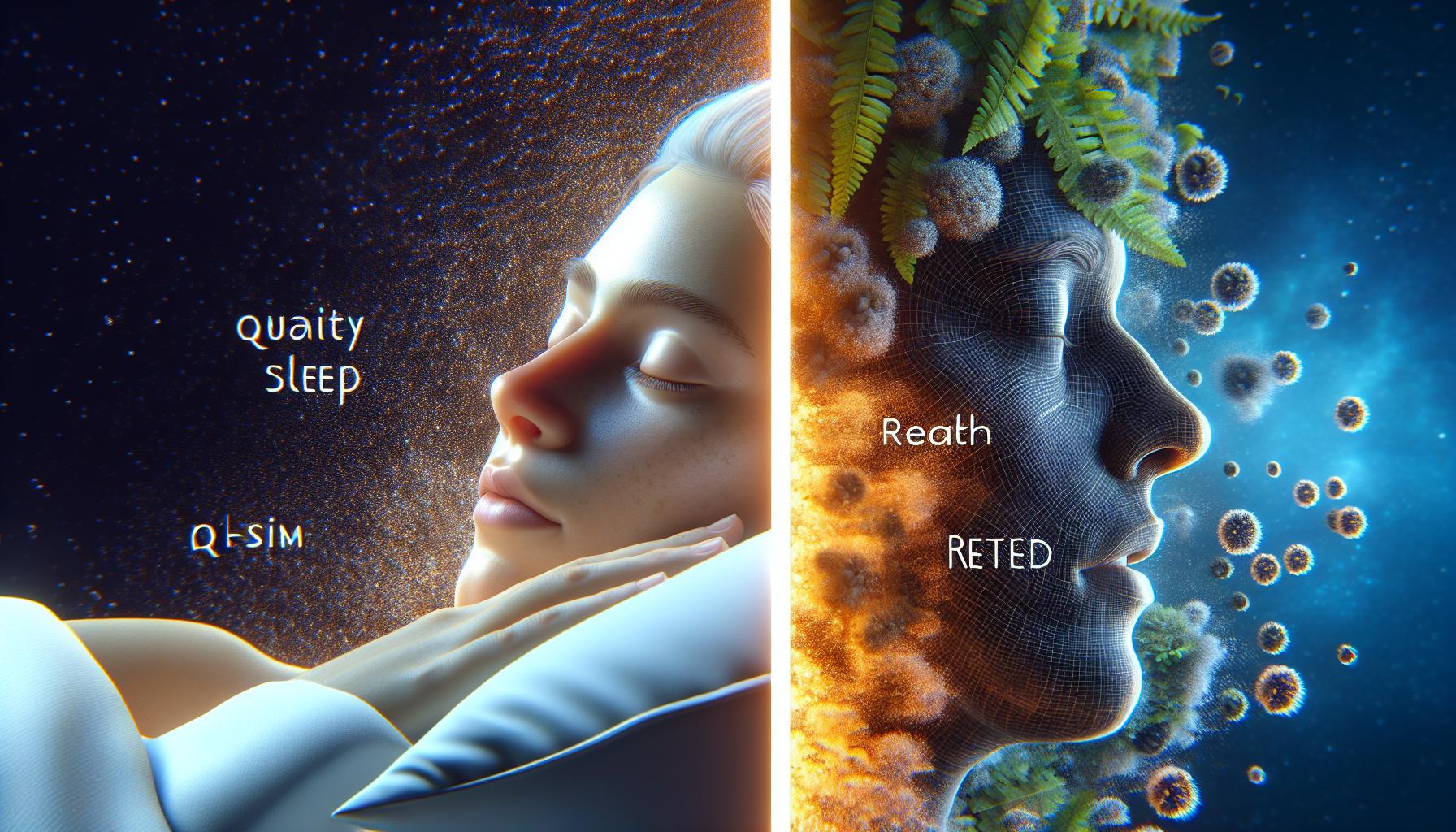
Unlocking the Connection Between Sleep and Skin
Sleep is often touted as a remedy for various ailments, but its benefits extend beyond physical and mental rejuvenation. Indeed, quality sleep is foundational for maintaining healthy skin, and the effects are both profound and multifaceted. The connection between rest and skin health is evidenced by various biological processes that occur while we sleep.
Cell Regeneration
One of the primary ways in which sleep influences skin health is through cell regeneration. During the deep stages of sleep, our bodies work hard to repair and regenerate skin cells. This process is essential for wound healing, combating free radicals—unstable molecules that cause oxidative stress—and supporting overall skin integrity. For instance, studies have shown that skin cell proliferation occurs mainly at night, meaning that insufficient sleep could hinder this vital repair mechanism and accelerate the aging process.
Reduced Inflammation
Another critical aspect of sleep’s effect on the skin is its ability to minimize inflammation. Quality sleep plays a crucial role in regulating hormone levels, including cortisol, which is often referred to as the stress hormone. Elevated cortisol levels can exacerbate conditions like acne, eczema, and even psoriasis. Thus, getting enough rest may help control these skin issues. For example, research indicates that individuals who experience chronic sleep deprivation are more prone to inflammatory skin conditions due to the imbalance of hormones associated with sleep and wakefulness.
Glycation Prevention
Additionally, a lack of sleep can lead to increased sugar levels in the body, a phenomenon known as glycation. Glycation occurs when sugar molecules bind to proteins, creating advanced glycation end products (AGEs) that can age the skin and diminish its elasticity. This buildup of AGEs can lead to wrinkles and a generally aged appearance. Studies suggest that consistent poor sleep habits can not only accelerate the development of these changes in the skin but also hinder the body’s ability to repair existing damage.
Numerous studies support the notion that inadequate sleep can lead to prominent signs of aging, including dark circles under the eyes, uneven skin tone, and a lackluster complexion. Alarmingly, data from the National Sleep Foundation reveals that a significant number of Americans struggle to achieve the recommended seven to nine hours of sleep each night. This widespread sleep deficiency could be contributing to a variety of skin concerns that affect not just appearance but overall skin health.

Understanding the intricate relationship between quality sleep and skin health is crucial for enhancing beauty routines and making informed lifestyle choices. By prioritizing sleep, individuals can take actionable steps toward improving their skin’s radiance. As we explore further into practical tips for better sleep hygiene, you’ll be inspired to embrace nighttime habits that can rejuvenate your skin and elevate your overall wellbeing.
DISCOVER MORE: Click here to learn about the impact of stress on your skin
The Science Behind Sleep and Skin Renewal
As we delve deeper into the connection between sleep and skin health, it is essential to understand the science at play during those precious hours of rest. The body undergoes several restorative processes that not only rejuvenate our physical state but also play a pivotal role in maintaining our skin’s vitality and appearance.
Hormonal Balance
During quality sleep, the body regulates various hormones that have direct implications for skin health. Sleep influences the release of growth hormone, which is crucial for tissue growth and repair. This hormone supports the regeneration of skin cells, allowing for a fresh, youthful appearance. Conversely, inadequate sleep can lead to hormonal imbalances that trigger skin disruptions.
Furthermore, disturbed sleep patterns can lead to elevated levels of cortisol, the stress hormone known to impact the skin’s barrier function. When cortisol levels spike, it not only leads to increased oil production, which can worsen acne, but also renders the skin more susceptible to environmental pollutants and damage. Maintaining a healthy sleep schedule fosters hormonal equilibrium, providing the skin with an optimal environment for health and beauty.
Improved Circulation
Another vital process that occurs during sleep is improved circulation. Quality sleep promotes optimal blood flow, ensuring that nutrients and oxygen are effectively delivered to the skin. This is particularly significant because increased blood flow signifies enhanced nutrient supply, aiding in the repair of any skin damage sustained during the day.
Additionally, good circulation aids in the removal of toxins from the skin. When we are sleep-deprived, our body’s detoxification processes slow down, leading to a buildup of impurities and creating a dull appearance. This sluggishness can contribute to common skin concerns, such as dark circles and puffiness around the eyes, particularly noticeable in individuals who do not prioritize their rest.
Practical Tips for Maximizing Sleep Quality
<pTo harness the beauty benefits of sleep, consider implementing the following strategies into your routine:
- Create a Sleep Schedule: Set a consistent bedtime and wake-up time, even on weekends, to regulate your internal clock.
- Limit Screen Time: Avoid screens at least one hour before bed to reduce exposure to blue light, which can disrupt melatonin production.
- Optimize Your Sleep Environment: Ensure your bedroom is cool, dark, and quiet to promote undisturbed sleep.
- Practice Relaxation Techniques: Incorporate calming activities such as reading or meditation before bedtime to ease the mind and prepare the body for restful sleep.
These simple yet effective strategies can significantly influence your sleep quality, thereby enhancing your skin’s appearance and overall health. As we uncover more about the interplay of sleep and skin health, it becomes clear that prioritizing rest should be a cornerstone of any beauty regimen.
As we explore the intricate connection between quality sleep and skin health, it’s important to understand the physiological processes that occur during sleep which significantly impact our skin’s appearance and overall health. One of the most significant aspects of sleep is its role in cellular regeneration. During deep sleep phases, the body’s ability to repair and regenerate skin cells is at its peak, which leads to a more vibrant and youthful complexion.Moreover, while we sleep, our bodies release growth hormones that aid in cell growth and regeneration. These hormones contribute to collagen production, a vital protein that keeps our skin firm and supple. Lack of sleep can lead to a decrease in growth hormone release, which can result in wrinkles and sagging skin. In contrast, ample quality sleep can enhance the skin’s elasticity, making it appear plumper and more radiant.Furthermore, sleep helps regulate cortisol levels, a stress hormone that can wreak havoc on our skin when present in excessive amounts. High cortisol levels are often associated with acne outbreaks, inflammation, and other skin issues. Adequate sleep helps maintain a balance in cortisol production, reducing the likelihood of these skin problems.Hydration also plays a crucial role in skin health, and studies suggest that sleep deprivation can lead to dehydration of the skin. During sleep, the body works to maintain hydration levels, and a lack of sufficient rest can result in a dull, dry complexion. For optimal skin health, it’s essential to ensure both quality sleep and proper hydration throughout the day.In terms of appearance, individuals who consistently enjoy restorative sleep are often reported to have a brighter, healthier complexion with fewer visible blemishes and dark circles. On the contrary, sleep deprivation can lead to pronounced dark circles and puffiness around the eyes, affecting one’s overall beauty.To summarize, the intricate relationship between quality sleep and skin health is undeniable. Sleep is not merely a time for rest; it is a critical phase for skin rejuvenation, hormonal balance, and hydration maintenance. By prioritizing restorative sleep, individuals can enhance their skin’s appearance and health, leading to a more confident and youthful self-image. To further amplify the benefits, consider integrating other healthy habits such as a balanced diet rich in antioxidants, regular hydration, and personalized skincare routines.
DISCOVER MORE: Click here to learn about the benefits of natural ingredients
The Impact of Sleep on Skin Aging and Repair
As we continue to explore the intricate relationship between sleep quality and skin health, it is vital to acknowledge the implications of sleep on the aging process and skin repair mechanisms. Quality sleep not only plays a role in maintaining youthful skin but also serves as a critical factor in preventing premature aging signs.
Cellular Repair and Regeneration
During the deep stages of sleep, particularly during REM (Rapid Eye Movement) sleep, the body enters a phase when the skin’s repair mechanisms are most active. Skin cells reproduce at an accelerated rate, promoting cellular turnover. This significant process helps to diminish the appearance of fine lines, wrinkles, and hyperpigmentation—scars of aging that many seek to mitigate. Studies suggest that individuals who sleep well demonstrate improved skin elasticity and hydration levels, essential attributes for a radiant complexion.
Conversely, sleep deprivation can delay wound healing by approximately 40%. This statistic underscores the importance of sleep not just in minor skin irritations but also with larger conditions such as post-acne scarring or dermatitis, which require time and rest to heal effectively. A study published in the Journal of Investigative Dermatology reinforced this idea by demonstrating that individuals who experienced disrupted sleep cycles showed increased skin inflammation and a reduced ability to fend off environmental stressors.
The Role of Antioxidants
Furthermore, sleep plays a role in the body’s natural production of antioxidants, which combat oxidative stress—an increasingly recognized factor contributing to skin aging. Quality sleep enhances the effectiveness of antioxidants like glutathione, a potent molecule that protects skin cells from free radical damage caused by pollution and sun exposure. Without sufficient sleep, levels of these crucial antioxidants may drop, leading to accelerated skin aging and increased susceptibility to conditions like acne and rosacea.
By ensuring a full night’s rest, individuals can bolster their skin’s defenses, helping to maintain a youthful and vibrant appearance. For those seeking an edge in their skincare routine, prioritizing quality sleep can complement topical products and treatments, thus forming a holistic approach to skin health.
Diet, Hydration, and Sleep
An area of great interest is the connection between diet and hydration and their effects on both sleep and skin health. Consuming a diet rich in antioxidant-focused foods such as berries, nuts, and leafy greens can not only improve sleep quality by promoting overall health but also enhance skin appearance. Proper hydration is equally critical—adequate water intake supports skin elasticity and luminosity, while dehydration can exacerbate the appearance of wrinkles and lead to dry skin.
Moreover, certain foods may contribute to better sleep quality, such as those rich in magnesium, like dark chocolate and almonds, which work to relax muscles and calm the mind. Incorporating these foods into your evening routine may aid in achieving restful sleep and, consequently, healthier skin.
As we navigate the many facets of sleep and its repercussions on skin health, it becomes evident that cultivating habits for enhanced rest can yield remarkable benefits for both body and skin alike. For those seeking the key to timeless beauty, the answer may indeed lie in embracing the power of quality sleep.
DISCOVER MORE: Click here to learn about the benefits of natural ingredients
Conclusion: The Essential Connection between Sleep and Skin Health
In summary, the profound relationship between quality sleep and skin health reveals critical insights for those striving for beauty and vitality. As explored throughout this article, the rejuvenating effects of sleep are not merely anecdotal; they are deeply rooted in physiological processes that govern cellular repair, antioxidant production, and overall skin resilience. Prioritizing a consistent sleep schedule and creating a conducive sleep environment can lead to visible improvements in skin texture, elasticity, and tone.
Moreover, as adequate sleep combats oxidative stress and promotes effective healing mechanisms, it becomes increasingly clear that neglecting rest can hinder not only physical health but also complicate skincare efforts. It’s not just about slathering on creams and serums—true beauty emerges when we choose to nurture ourselves from the inside out, and that includes investing in restorative sleep.
As lifestyle choices, diet, and hydration further intertwine with this essential aspect of health, integrating sleep hygiene into daily routines can offer a transformative approach to skincare. If maintaining radiant skin and youthful vitality is the goal, embracing quality sleep should be a top priority. The benefits lie not just in the realm of aesthetics but extend to overall well-being, inviting individuals to embark on a journey of self-care that honors the intricate connection between beauty and rest.