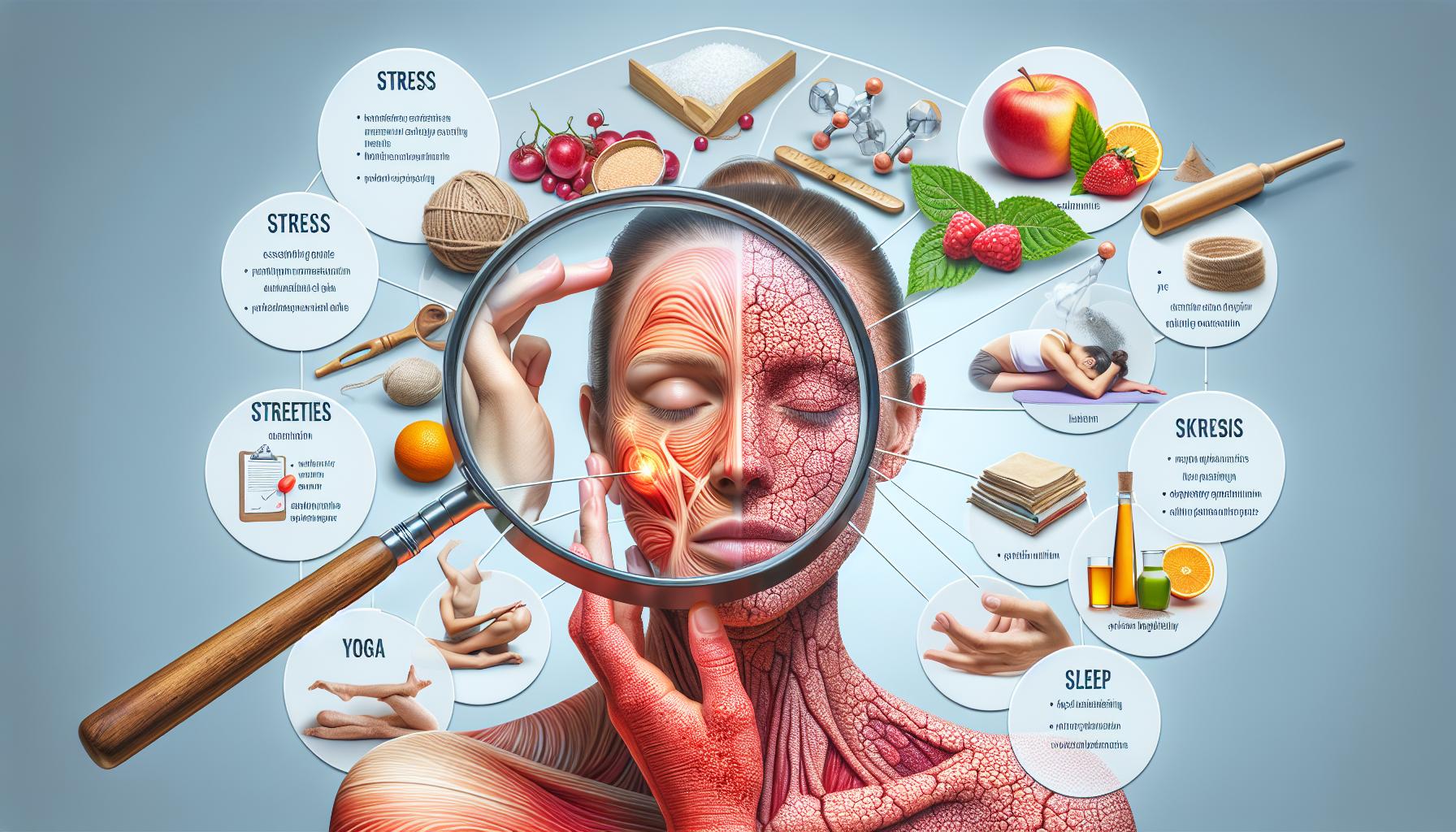
The Influence of Sleep on Skin Health: How Rest Affects Beauty
The Sleep-Skin Connection
Do you ever wonder why you wake up with a glowing complexion some mornings, while other days, you battle dark circles and dullness? The powerful link between sleep and skin health is often underestimated. With the right amount of restful sleep, your skin can transform, revealing its natural beauty.
Why Sleep Matters for Your Skin
Quality sleep is crucial for several reasons:
- Cell Regeneration: During sleep, skin cells repair and regenerate, ensuring a fresh appearance. This process is especially active during deep sleep, when growth hormone levels increase, facilitating the restoration of damaged cells.
- Hydration Levels: Adequate rest helps maintain the skin’s moisture barrier, preventing dryness and irritation. A well-hydrated complexion is crucial for overall skin health, as it promotes elasticity and resilience against environmental stressors.
- Stress Management: Sleep reduces cortisol levels, which can lead to fewer breakouts and improved overall skin health. High cortisol levels, often a result of sleep deprivation and stress, can lead to inflammatory responses in the skin, exacerbating conditions like acne and eczema.
Not only does sleep affect skin texture, but it also influences our skin’s tone and brightness. Research indicates that poor sleep can exacerbate conditions like:
- Acne: Increased stress and hormonal imbalance due to sleep deprivation can cause flare-ups. Studies have shown that individuals who experience chronic sleep loss often experience more frequent and severe breakouts, linked to the body’s inability to regulate inflammation effectively.
- Puffiness: Insufficient rest is closely linked to swelling under the eyes. This is due to poor circulation and fluid retention, making the delicate skin around the eyes appear more pronounced and tired.
- Wrinkles: Lack of sleep may accelerate the aging process, leading to premature wrinkles. Over time, insufficient sleep can deprive the skin of essential nutrients and oxygen needed for collagen production, which is vital for keeping skin firm and smooth.
Understanding the influence of sleep on skin health can empower us to make necessary lifestyle adjustments. Ensuring you get between seven to nine hours of quality sleep each night can be transformative. Creating a calming bedtime routine, limiting screen time before bed, and choosing a comfortable sleep environment are crucial factors to consider. As we explore this fascinating connection, the path to radiant skin may be as simple as prioritizing quality rest. The realization that better sleep leads to better skin can inspire many to reclaim night-time rest as a priority—one that pays rich dividends in both beauty and health.
DISCOVER MORE: Click here to find out how your diet influences skin health
Understanding the Science Behind Sleep and Skin
The connection between sleep and skin health extends beyond mere anecdote; it is backed by scientific evidence. When discussing how rest affects beauty, it becomes crucial to delve into the physiological mechanisms that link quality sleep with enhanced skin vitality. Sleep is not just a period of rest; it is a complex biochemical process that allows the body to rejuvenate and heal. During the night, the body goes through different sleep stages, including REM (Rapid Eye Movement) and deep sleep, both of which contribute uniquely to skin health.
The Stages of Sleep and Skin Recovery
Our sleep cycles encompass different stages that have varying impacts on skin health:
- Deep Sleep: This stage is essential for cellular repair and growth. The body produces more growth hormones during deep sleep, which aids in repairing damaged tissues and regenerating skin cells. This restorative process is particularly vital for maintaining a youthful appearance and overall skin health.
- REM Sleep: During this phase, the brain is active, and dreaming occurs. Research suggests that REM sleep plays a key role in maintaining our emotional and mental well-being. Stress management, enhanced during this phase, directly influences the skin, as elevated stress levels can trigger breakouts and other skin issues.
- Transitional Sleep: Even lighter sleep contributes to skin health. This stage allows for essential metabolic processes to continue, including the regulation of hormones and proteins associated with skin elasticity and hydration.
A compelling aspect of this sleep-skin nexus is the circadian rhythm, or the body’s internal clock, which regulates sleep-wake cycles and influences skin function. For instance, during the night, the skin is generally more permeable and actively absorbs moisturizing ingredients, making nighttime the perfect opportunity for treatments like retinoids or hyaluronic acid to penetrate efficiently. Conversely, inadequate sleep disrupts these natural rhythms, resulting in reduced cellular turnover and increased signs of aging.
Impact on Specific Skin Conditions
The effects of sleep deprivation are particularly pronounced in individuals with pre-existing skin conditions. Conditions like eczema, psoriasis, and acne can exhibit worsening symptoms with inadequate rest. For example:
- Eczema and Psoriasis: Numerous studies have indicated that lack of sleep can exacerbate flares due to heightened inflammation. Sleep acts as a natural anti-inflammatory, and when it is compromised, the skin can react adversely, enhancing itchiness and redness.
- Acne: Sleep deprivation can result in an increase in acne lesions, attributed to hormonal fluctuations caused by stress and lack of adequate recovery time for the skin.
In light of these insights, prioritizing sleep becomes a necessary endeavor. Understanding the intricacies of how sleep facilitates skin health can not only enhance beauty routines but also underscore the importance of holistic self-care. Improving sleep quality does not only hold the promise of vibrant skin; it can also pave the way for better overall health and wellness.
When discussing The Influence of Sleep on Skin Health, it’s essential to recognize the multifaceted relationship between our rest patterns and how they directly impact our beauty. Sleep, often dubbed the body’s natural restoration phase, plays a critical role in skin health, influencing its appearance, texture, and overall radiance.
During sleep, our bodies undergo vital restorative processes, including cell regeneration and repair. For instance, the body increases blood flow to the skin, facilitating the delivery of essential nutrients needed for healthy cell function. This is where the importance of sufficient sleep duration comes into play; studies have shown that lack of sleep can lead to dull skin and the exacerbation of conditions such as acne and eczema.
Furthermore, hormonal balance is closely tied to sleep. Adequate rest helps regulate levels of stress hormones like cortisol, which, when elevated, can contribute to inflammation and skin issues. Therefore, improving sleep quality can mitigate these effects, leading to a clearer and more youthful complexion.
Additionally, sleep directly influences collagen production. Collagen is a protein that helps maintain skin elasticity and firmness. Without proper rest, collagen levels may decline, resulting in the appearance of fine lines and premature aging. This is a crucial aspect for anyone seeking to maintain a vibrant and youthful look.
With insights into the vital role sleep plays in skin health, it becomes clear that prioritizing rest is not merely a personal choice but a pivotal component of effective beauty regimens. Whether you’re struggling with acne, desiring brighter skin, or combating the signs of aging, revisiting your sleep habits may hold the key to achieving that healthy glow.
| Advantages of Sleep | Impact on Skin Health |
|---|---|
| Enhanced Cell Regeneration | Sleep promotes optimal skin repair and rejuvenation through increased blood flow and nutrient delivery. |
| Hormonal Regulation | Quality rest helps stabilize cortisol levels, reducing stress-related skin inflammation and enhancing overall skin texture. |
| Collagen Production | Adequate sleep supports collagen synthesis, maintaining skin elasticity and reducing signs of aging. |
Ultimately, understanding the intricate relationship between sleep and skin health encourages a holistic approach to beauty care where proper rest is viewed as an integral part rather than a mere luxury. By prioritizing sleep, we can unlock the secrets of youthful and glowing skin, making it essential to explore and enhance our sleep habits for a lasting impact on beauty.
DISCOVER: Click here to unveil the secrets
The Role of Sleep in Skin Aging
As we age, our skin undergoes numerous changes, many of which are exacerbated by a lack of adequate rest. While genetics and environmental factors play a significant role in skin aging, the influence of sleep cannot be overstated. Research has demonstrated that insufficient sleep can accelerate various signs of aging, including fine lines, wrinkles, and uneven skin tone. The hormone cortisol, often termed the “stress hormone,” increases during periods of sleep deprivation. Elevated cortisol levels can lead to a breakdown of collagen, the protein responsible for skin elasticity, thus contributing to sagging and the formation of wrinkles.
Skin Hydration and the Impact of Sleep
An intriguing factor in the relationship between sleep and skin health is hydration. During sleep, particularly in deep sleep, the body conserves moisture and promotes skin hydration. Studies have shown that sleep-deprived individuals often exhibit a reduction in skin barrier function, leading to water loss and dryness. This disruption can result in a dull complexion and an increase in flakiness. Adequate sleep, on the other hand, not only enhances skin moisture levels but also supports the function of essential lipids that help retain skin hydration.
Beauty Sleep: The Nighttime Skincare Routine
The concept of “beauty sleep” extends beyond just the necessity of resting; it encompasses the optimal timing for skincare application. Nighttime routines should be carefully curated to align with skin’s natural repair processes that occur during sleep. Products rich in antioxidants, retinoids, and peptides can work more effectively when applied before sleep as the skin’s regenerative abilities intensify. Moreover, ingredients like niacinamide can provide anti-aging benefits, enhance skin texture, and reduce inflammation, making them ideal candidates for nighttime application.
- Hyaluronic Acid: Known for its ability to hold 1,000 times its weight in water, hyaluronic acid can deeply hydrate the skin during the night, resulting in plumper and more youthful-looking skin by morning.
- Retinol: This powerful ingredient accelerates cell turnover and stimulates collagen production, making nighttime the perfect time for its use, as skin is more receptive to its benefits when adequately rested.
Quantifying the Impact of Sleep on Skin Health
Understanding the quantitative effects of sleep on skin health can help individuals prioritize rest. A study conducted by the Sleep Research Society revealed that participants who averaged less than six hours of sleep per night rated their skin quality significantly lower compared to well-rested individuals. Furthermore, these individuals showed increased redness and blotchiness, emphasizing how insufficient sleep not only affects beauty but also influences overall skin appearance. Notably, even slight modifications to sleeping patterns, such as aiming for an additional hour of quality sleep, can yield observable improvements in skin health.
With ongoing research into the sleep-skin connection, the benefits of sleep extend beyond just beauty; they impact emotional wellness and self-confidence. Emphasizing adequate rest can not only enhance skin’s appearance but also foster a holistic approach to beauty rooted in well-being and self-care.
DISCOVER MORE: Click here to delve into the significance of a personal care routine
Conclusion
In conclusion, the intricate relationship between sleep and skin health is a compelling reminder of the body’s interconnected systems. A restful night is not merely a luxury; it is a vital component of maintaining youthful, radiant skin. With research indicating that inadequate sleep accelerates skin aging through increased cortisol levels and diminished collagen production, the importance of prioritizing sleep cannot be overstated. Moreover, adequate rest plays a pivotal role in skin hydration, bolstering the skin’s barrier function and allowing for effective absorption of restorative skincare products during the nightly repair phase.
As we explore the concept of beauty sleep, it becomes clear that our nighttime routines should incorporate powerful skincare ingredients like hyaluronic acid and retinol, which work in harmony with the body’s natural rejuvenation process. By acknowledging the quantitative impact of sleep on skin appearance, as documented by notable studies, individuals can make informed choices about their wellbeing, recognizing that even small adjustments in sleeping habits can yield significant skin improvements.
Ultimately, embracing a holistic approach to beauty—founded on sufficient rest—promotes not only an enhanced outer appearance but also nurtures emotional health and self-confidence. As you reflect on your skincare regimen, remember that the foundation of true beauty lies in restorative sleep. Invest in your rest, and your skin will thank you.