The Science of Color Theory in Makeup: How to Choose Shades That Enhance Your Features

The Intricacies of Color Theory in Makeup
Color possesses a remarkable ability to evoke feelings, convey emotions, and even transform one’s self-perception. Within the realm of makeup, color theory serves as an invaluable guide to accentuating one’s natural beauty. By understanding the dynamics of color—especially in relation to skin tones and eye colors—individuals can make informed choices that not only enhance their appearance but also boost confidence.
The Importance of Choosing the Right Shades
In the world of beauty, the selection of makeup shades can significantly impact the overall aesthetic. Here are some fundamental reasons why thoughtful color choices are essential:
- Skin Tone Compatibility: Identifying your skin’s undertone—whether it be cool, warm, or neutral—is vital for selecting the right foundation, blush, and lip color. For instance, those with warm undertones might find that earthy tones and golden hues complement their complexion, while those with cool undertones may prefer shades of pink, blue, or violet. In practice, trying out various shades in natural light can help one determine the most flattering options.
- Feature Enhancement: Selecting colors that highlight your unique features is an effective way to maximize your makeup’s impact. For example, certain shades of eyeshadow can make the color of your eyes pop. If you have green eyes, earthy tones or purples can enhance that vibrant hue. Similarly, blush in a peach or coral shade can create a youthful glow, while deeper berry colors might add drama and sophistication to evening looks.
- Sophisticated Looks: Mastering color application can lead to sophisticated makeup looks that convey depth and dimension. For instance, using contrasting shades for the eyes and lips can create a balanced yet striking appearance. A bold lip color paired with subtle eye makeup allows you to make a statement without overwhelming your features. Additionally, layering different shades—such as a lighter base on the lid with a darker crease color—can create a more dynamic and polished look.
Exploring color theory in makeup not only helps in selecting flattering shades but also encourages creativity and self-expression. By understanding how colors interact, one can experiment with various combinations, leading to innovative and eye-catching results. So, why not take a closer look at the colors in your makeup kit? Unlock the potential of every shade and elevate your beauty routine to new heights!
DON’T MISS: Click here to discover how your diet impacts your skin
Understanding the Basics of Color Theory
At its core, color theory involves the study of how colors interact, how they create moods, and which shades complement one another. When it comes to makeup, these principles can guide you in selecting hues that not only look appealing but also flatter your individual features. The essentials of color theory include the color wheel, complementary colors, and the idea of warm versus cool tones—each important for effective makeup application.
The Color Wheel: Your Makeup Palette Guide
The color wheel is a fundamental tool in color theory, featuring primary colors, secondary colors, and tertiary colors, all arranged in a circular format. This visual representation helps makeup enthusiasts understand which shades work harmoniously together. By identifying your base color, you can refer to complementary colors that lie opposite that shade on the wheel. For example, if you’re using a bold blue eyeshadow, consider complementary shades such as warm orange or gold for your lip color to create a balanced and vibrant look.
Warm vs. Cool Undertones
One of the most crucial aspects of color theory in makeup is the concept of warm and cool undertones. Knowing which undertones dominate your skin can significantly influence not only your choice of foundation but also your various makeup products. Here’s a breakdown:
- Warm Undertones: Often characterized by hints of yellow, peach, or golden hues, warm-toned individuals typically look best in earthy shades. Makeup shades like corals, warm reds, and golden bronzers bring out the natural warmth of the complexion.
- Cool Undertones: Cool-toned individuals tend to have pink, red, or bluish undertones. Best suited for colors like deep plums, berry tones, and silver highlighters, these shades tend to magnify a cool complexion beautifully.
- Neutral Undertones: If you find that neither warm nor cool tones define your complexion, you likely have a neutral undertone that allows you to experiment with both warm and cool shades. Versatility is your ally—try a blush with a blend of pink and peach or lip colors that straddle the line between coral and berry.
Understanding the significance of warm and cool undertones not only aids in foundation selection but also encourages exploration within your makeup kit. The right shade can enhance your complexion, giving you a radiant, healthy glow while also instilling confidence in your appearance.
As you delve deeper into the science of color theory, consider how the interplay of shades can create endless possibilities in your makeup application. This awareness not only elevates your makeup skills but encourages a more expressive approach to beauty. Whether you’re prepping for a casual day out or gearing up for a glamorous evening, utilizing color theory can transform your makeup routine and reveal the best version of yourself.
The art of makeup goes beyond mere application; it dives into the fascinating science of color theory. Understanding the principles of color can significantly enhance one’s features, leading to a more radiant and harmonious appearance. One foundational element to consider is the concept of color undertones. Every individual has a unique undertone, which can be classified into three categories: warm, cool, and neutral. Selecting makeup shades that align with these undertones can amplify natural beauty and create a cohesive look.
For instance, if you possess warm undertones, golden or coral shades in blush, lipsticks, and eyeshadows can harmoniously complement your complexion. Conversely, those with cool undertones should steer towards pink and blue-based shades that illuminate their features. Neutral undertones can experiment with both worlds, offering a versatile palette for exploration.
Another crucial aspect of color theory in makeup is the color wheel. This tool visually represents colors and their relationships. Utilizing complementary colors – those opposite each other on the color wheel – can create striking contrasts that enhance the overall makeup look. For example, pairing orange hues with blue tones can make the eyes pop while adding depth to the face. This strategic use of colors can be transformative in various makeup applications, from everyday wear to dramatic evening looks.
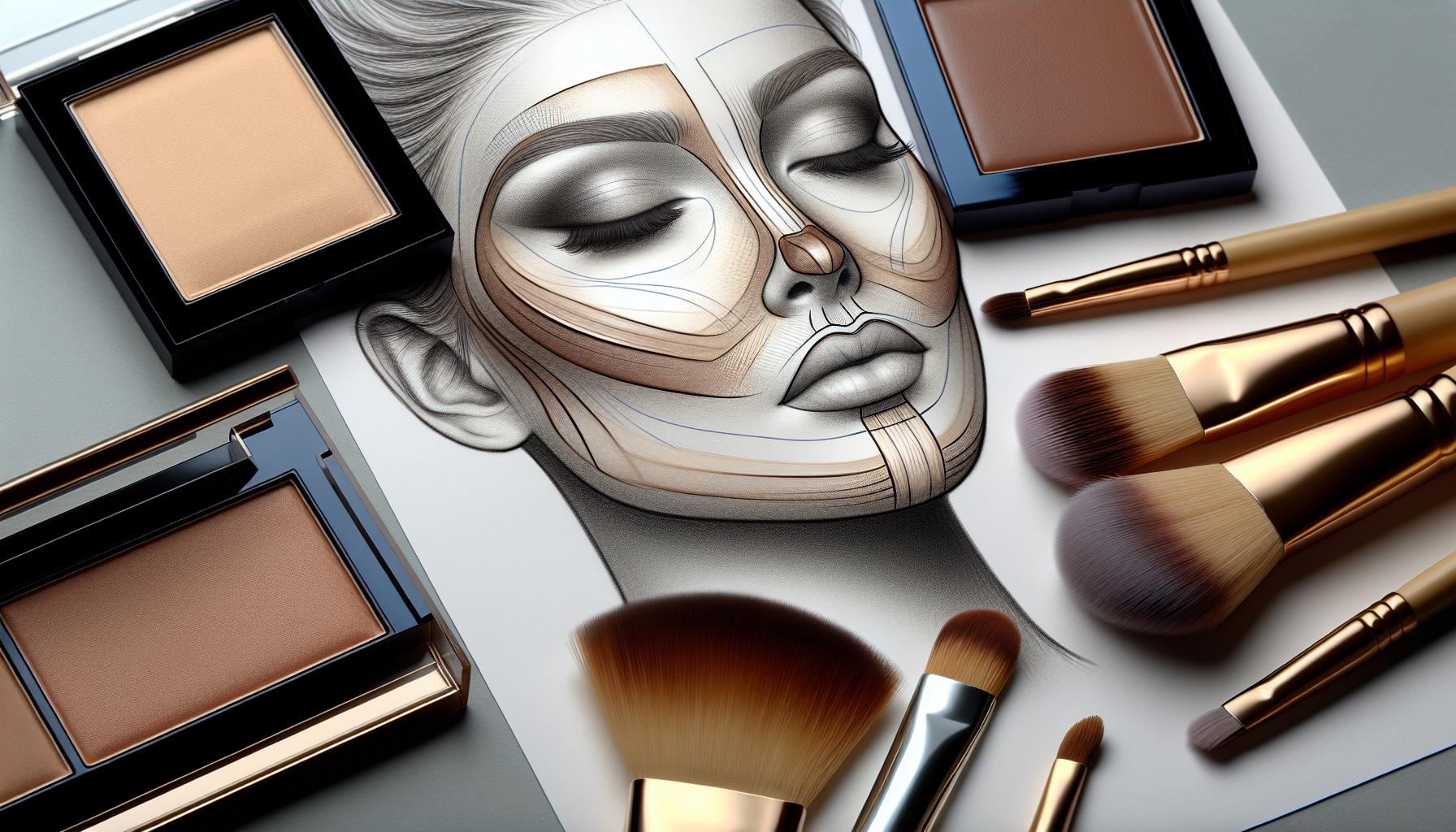
The interplay of shadows and highlights also plays a pivotal role in makeup application. Deep and rich colors can sculpt and define facial features, while lighter shades can bring attention to specific areas, contributing to a dimensional appearance. Applying this understanding of color can lead to masterful makeup artistry that enhances the individual’s unique characteristics.
| Category | Advantages |
|---|---|
| Color Undertones | Helps in selecting makeup that enhances natural features, resulting in a harmonious look. |
| Color Wheel Utilization | Enhances creativity in makeup application by utilizing complementary colors for striking contrasts. |
| Shadows and Highlights | Creates a dimensional look, accentuating features and offering a sculpted appearance. |
Exploring color theory in makeup can provide insights into making informed choices that not only elevate your makeup game but also empower you to express yourself authentically. As trends evolve, the fundamentals of coloring remain timeless, allowing individuals to adapt and refine their looks with confidence.
DISCOVER MORE: Click here for eye makeup secrets
The Impact of Color Contrast and Balance
In addition to understanding undertones and the color wheel, the concepts of color contrast and balance play vital roles in achieving a stunning makeup look. Contrast helps to highlight your features, making them stand out, while balance ensures that your overall appearance feels cohesive.
Utilizing Color Contrast
Color contrast involves pairing shades that are strikingly different from one another. This technique can create an eye-catching aesthetic that draws attention to the eyes or lips. For example, if you have fair skin, using a bold, dark eyeliner can define your eyes and create a stunning contrast against your complexion. Similarly, for those with darker skin tones, employing bright, high-luminosity shades (such as a vibrant pink or fuchsia) can provide a beautiful pop that enliven the overall look.
Another aspect of contrast involves creating depth. For eye makeup, consider using a gradient technique where a darker shade is applied at the crease and a lighter shade on the lid. This not only provides dimension but also accentuates the natural shape of the eye. Pairing contrasting colors, such as a dark smoky eye with soft nude lips, can achieve dramatic flair without overwhelming the viewer. The balance of boldness in one area contrasted with subtlety in another can lead to an ultimately sophisticated appearance.
The Importance of Balance in Makeup
While contrast can enhance your look, it’s equally important to strive for balance. Achieving equilibrium in your makeup application means ensuring that no single feature overpowers the rest of your ensemble. For instance, if you decide to go bold with your eye makeup, consider keeping the lips more subdued with a nude or soft pink shade to maintain harmony. This idea applies regardless of the features emphasized, whether you’re opting for a bright blush or a striking highlighter; each component should complement, rather than compete against, one another.
In addition, balance extends to the overall appearance. Remember to consider your outfit and hair color, as they can influence how makeup colors appear on the skin. A vibrant outfit might call for more neutral makeup tones, while an understated ensemble can be complemented easily by striking colors on the face.
Experimentation and Personal Style
Color theory in makeup doesn’t have to feel restrictive. In fact, it opens the door for experimentation and discovering your unique style. The beauty industry has evolved, encouraging followers of fashion to explore diverse color palettes that challenge traditional norms. For instance, the rise of unconventional makeup looks featuring bright blues, purples, and metallics showcases how divergent colors can enhance features creatively.
For those still uncertain about which shades enhance their features, consider visiting a local makeup counter for personalized consultations. Professional makeup artists can provide insight into color matches while showing how different shades can be harmonized, allowing for a tailored approach that reflects your individual preferences. Additionally, try testing shades in natural light to ensure they suit your skin tone and provide an authentic look.
By understanding the principles of contrast and balance in conjunction with color theory, makeup enthusiasts can truly transform their beauty routines. Engage with your makeup kit, embrace shades that resonate with you, and watch as the secrets of color theory unfold, revealing a more vibrant and confident you.
DISCOVER MORE: Click here for the latest evening makeup trends
Conclusion: Embracing the Power of Color Theory in Makeup
In the intricate world of makeup, understanding color theory is essential for enhancing your natural beauty. By mastering the art of selecting shades that align with your skin’s undertones, utilizing color contrast, and achieving balance in your makeup application, you can transform your beauty routine into a celebration of individuality. As explored in this article, the principles of contrast and balance work harmoniously together, resulting in looks that bring out the best in your features without overshadowing them.
Moreover, the evolving trends in makeup encourage self-expression and experimentation. The beauty landscape is rich with bold colors and innovative combinations, inviting you to step outside traditional norms and discover what resonates with your personal style. Whether it’s deciding to accentuate your eyes with vivid hues or opting for muted tones on your lips, the choice ultimately lies in your hands. The key takeaway here is that makeup is not merely about conforming but rather about exploring colors that empower and reflect your unique identity.
For those embarking on this colorful journey, consider seeking advice from professional makeup artists who can offer insights tailored to your specific needs. Testing shades in various lighting conditions can also enhance your understanding of how colors interact with your skin. With the foundations of color theory at your disposal, you are now equipped to navigate the endless palette of possibilities. Embrace the science of color, and enjoy the transformative magic that effective makeup can bring to your life.