Contouring Techniques: How to Define the Face with Makeup

Unlock the Art of Contouring
Makeup can be a powerful tool for enhancing our natural beauty. Contouring techniques have become a popular method for defining the face and creating stunning looks. With the right application, you can sculpt your features and achieve that coveted bone structure that many aspire to. This art form, when done correctly, can transform the way you perceive your own reflections.
Understanding how to contour effectively involves knowing several key elements:
- Face Shapes: Different shapes, be it oval, round, square, or heart-shaped, may require varied techniques to enhance their unique features. For instance, individuals with a round face may want to contour the sides of the forehead and the sides of the cheeks to create the illusion of height and dimension.
- Products: The makeup market offers a plethora of options, including creams, powders, and sticks, each with its own unique benefits. Creams tend to provide a more natural finish and are ideal for dry skin, while powders can deliver a more matte look that lasts throughout the day.
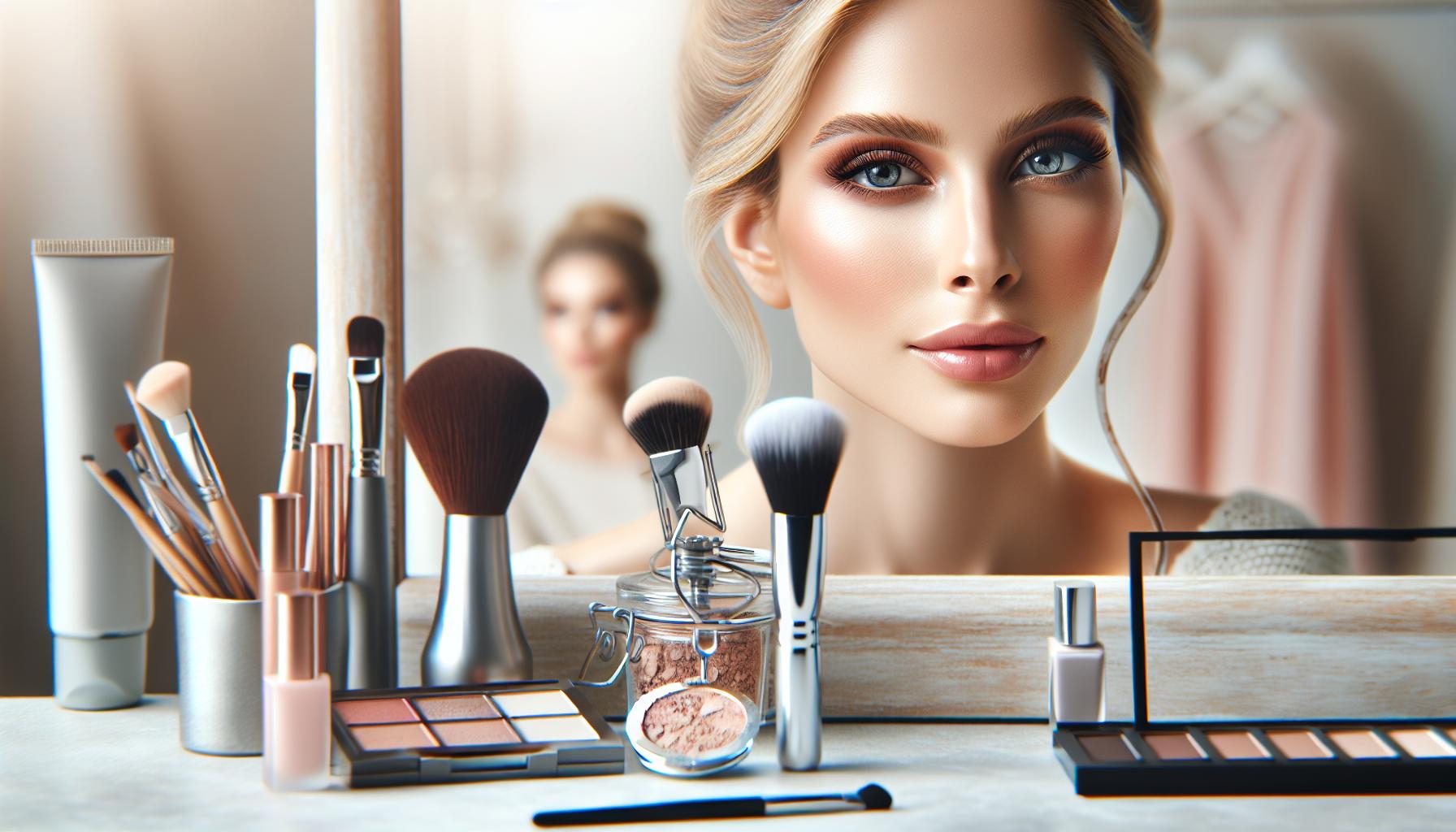
- Tools: Choosing the right tools is crucial for a seamless blend. Brushes, sponges, and even your fingers can all be effective; however, each has a particular way of applying product that can impact the final outcome. For example, beauty blenders are excellent for a softer, more diffused look, while a small concealer brush offers precision for targeted areas.
From a subtle daytime look to a glamorous evening style, the versatility of contouring techniques will elevate your makeup game. With a few strokes, you can sculpt your face to create the illusion of higher cheekbones, a slimmer nose, or a more defined jawline. Moreover, exploring playfulness with colors, such as bronzers for warmth and highlighters for brightness, adds excitement and depth to your contouring routine.
Are you ready to dive deeper? Discovering how to choose the right shades and effectively balance your features can be an eye-opening journey. For example, understanding the color theory behind contouring—where cool-toned products create shadows and warm tones bring life—can help refine your application techniques.
Whether preparing for a day at the office or a night out on the town, mastering these essential skills will empower you to enhance your natural beauty effortlessly. Join us as we explore the transformative world of contouring, providing insight and knowledge that will inspire you to become more adventurous with makeup. So grab your brushes and let’s unlock the secrets of contouring together!
DISCOVER MORE: Click here to learn about the benefits of natural ingredients
Understanding Face Shapes for Effective Contouring
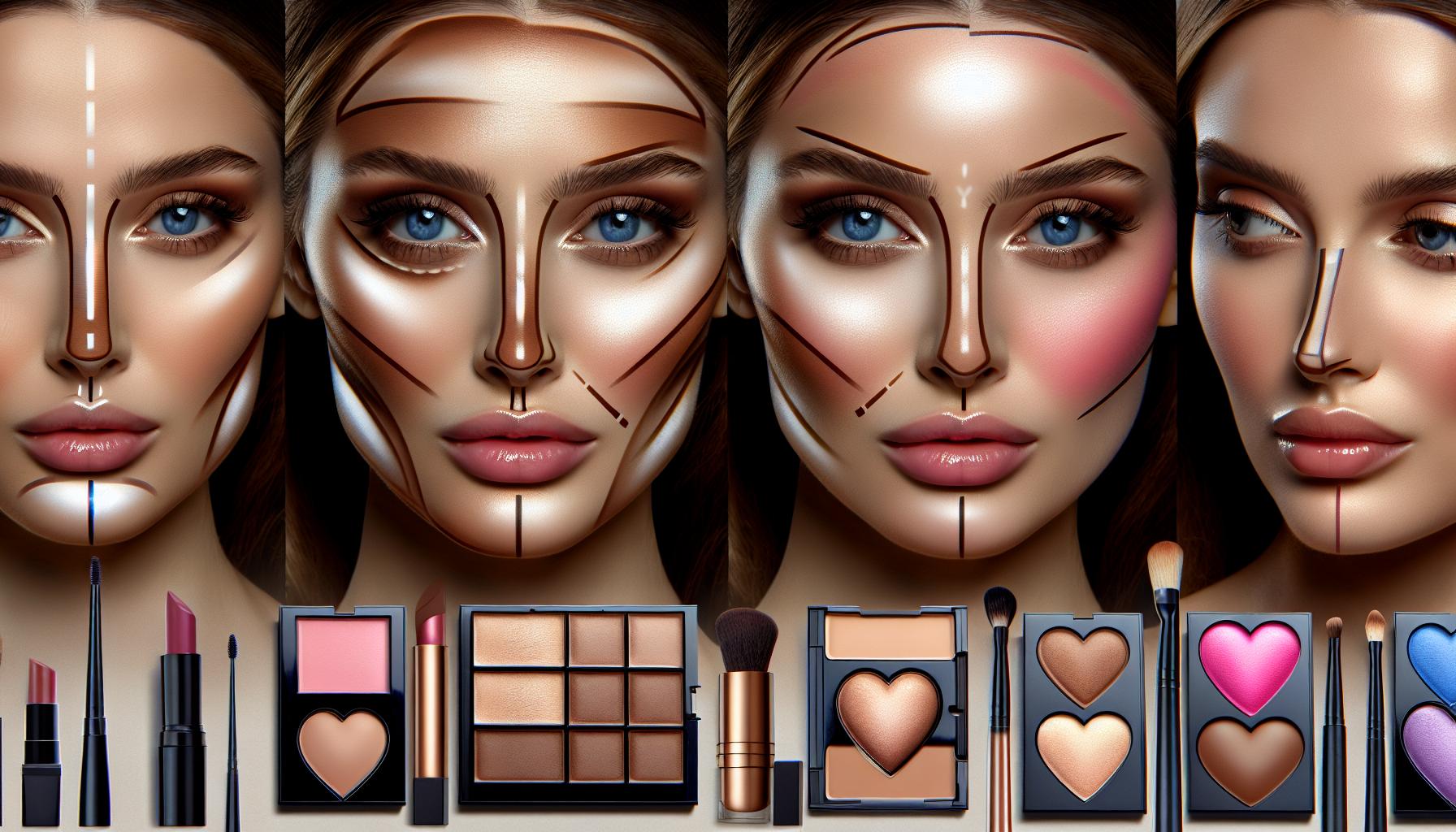
To master contouring techniques, one of the essential first steps is understanding your unique face shape. Each face shape possesses distinctive characteristics that can be enhanced or softened with the right application of makeup. Below, we break down the most common face shapes and the tailoring techniques that can elevate your contouring game:
- Oval: Considered the ideal face shape, ovals benefit from subtle contouring. Focus on highlighting the forehead and chin to maintain balance, with minimal contouring around the sides of the cheeks to enhance their natural width.
- Round: If you have a round face, the goal is to add definition and create the illusion of length. Contour the sides of the forehead and under the cheekbones, while applying highlighter on the center of the forehead and chin to elongate the face.
- Square: Defined jawlines are a hallmark of square faces. To soften these angles, apply contour along the jawline and the sides of the forehead. Highlight the center of the forehead and cheekbones to bring focus to the softer features.
- Heart: For heart-shaped faces, the focus is on balancing a wider forehead with a narrower chin. Contour the sides of the forehead and the outer corners of the chin while placing highlighter on the cheeks to attract attention to their natural fullness.
Choosing the right technique for your face shape can be a game-changer when it comes to defining your features. Taking this into account is a crucial factor in achieving that chiseled look. Additionally, integrating elements such as the correct products and tools also plays a pivotal role in contouring success.
Selecting the Right Contouring Products
In today’s beauty market, an overwhelming array of products is available for contouring. They vary widely in texture, formulation, and finish. Here are some key types to consider:
- Creams: Ideal for those seeking a natural finish, cream contours are easily blendable, making them perfect for dry skin types. They deliver a soft, radiant glow and are great for creating depth without a heavy appearance.
- Powders: If you prefer a matte finish, contour powders are your best bet. They provide long-lasting wear and are suitable for oily skin types, allowing for greater control over intensity.
- Sticks: Convenient and user-friendly, contour sticks are perfect for on-the-go application. They can be easily blended with fingers or a brush and are typically buildable for achieving the desired level of definition.
Understanding the nuances of these products can significantly impact the outcome of your contouring efforts. The right choice will not only enhance your natural beauty but also ensure a seamless application that lasts throughout the day or night.
As you venture further into the art of contouring, the importance of pairing these techniques with the proper tools cannot be overstated. Proper brushes and blending tools can mean the difference between a flawless look and one that appears overly harsh or unnatural. The journey to define your facial features using makeup is exciting, and with practice, you can transform your everyday routine into a makeup masterpiece. Stay tuned as we delve into the must-have tools and step-by-step application techniques next!
Understanding Face Shapes in Contouring
Knowing your face shape is a critical first step in applying effective contouring techniques. Each face shape—whether oval, round, square, heart, or diamond—has distinct characteristics that call for a tailored approach. For instance, individuals with a round face may benefit from contouring the sides of the forehead and jawline to create the illusion of length, whereas those with a square face might want to focus on softening the angles by contouring the corners of the jaw. By customizing your contouring strategy, you can enhance your natural beauty and achieve a more sculpted appearance.
Choosing the Right Products
The selection of makeup products plays a pivotal role in executing contouring techniques successfully. Cream contours, for example, offer a more versatile application that can blend seamlessly for a natural look, while powder contours provide a matte finish that works well for oily skin types. Highlighters are equally important as they can strategically draw attention to the high points of the face, such as the cheekbones and brow bones, creating dimension. Always test products in natural lighting to ensure the shades complement your skin tone.
The Application Process: Step-by-Step
To achieve the best results, follow a step-by-step application process. Start by applying a primer suitable for your skin type. Then, follow with your foundation for a smooth base. Next, using a contour brush or a makeup sponge, apply the contour product in a ‘3’ shape along the sides of your face—starting from the forehead, following the cheekbones, and ending at the jawline. Blend vigorously to avoid harsh lines. Finally, apply highlighter on cheekbones, the bridge of the nose, and under the brows for a luminous finish. This comprehensive application enhances the contours of your face, giving it a striking yet organic appearance.
Common Mistakes to Avoid
Even seasoned makeup enthusiasts may fall victim to common contouring mistakes. One prevalent error is using the wrong shade of contour product; it should be about 2-3 shades darker than your foundation for a natural look. Additionally, over-blending can diminish the contouring effect, as can skipping the highlight altogether. Remember, the key is in balance—contouring doesn’t mean masking; it’s about enhancing the natural beauty of your features.
| Category | Description |
|---|---|
| Face Shapes | Understanding your face shape to apply techniques effectively. |
| Product Choices | Choosing between cream and powder for optimal effects. |
With these fundamentals tucked into your makeup arsenal, you’re well-equipped to explore the art of contouring and learn to define your face beautifully with makeup. Achieving an expert look is within your grasp!
DISCOVER MORE: Click here to learn about the evolution of natural ingredients
Essential Contouring Tools for Masterful Application
Alongside the choice of products, having the right tools is paramount to achieving a flawless contour. Each tool serves a specific purpose and can greatly influence the precision of your makeup application. Here’s a breakdown of the must-have tools that every makeup enthusiast should consider:
- contour brush: A quality contour brush is a necessity for chiseling out your cheekbones and defining the jawline. Opt for a brush with an angled shape to ensure it hugs the contours of your face effortlessly. A fluffy brush ideal for blending is also essential, as it will help create that seamless effect.
- Blending sponge: The humble makeup sponge has become a staple in the beauty community for good reason. A damp sponge can work wonders in blending out cream and liquid contours, softening harsh lines and providing that airbrushed finish that is highly sought after.
- Fan brush: For those aiming for a soft highlight, a fan brush is an excellent addition to your toolkit. Its tapered bristles allow for precise application on the cheekbones, brow bones, and the bridge of the nose without overwhelming the areas with product.
These tools, when used correctly, can elevate your contouring efforts by ensuring that every stroke of makeup is as precise and blended as possible. Investing in quality brushes may seem daunting, but it’s important to remember that well-maintained tools can last for years and greatly enhance your makeup application routine.
Step-by-Step Contouring Techniques
Now that you have an understanding of your face shape, products, and tools, it’s time to put this knowledge into action with step-by-step contouring techniques. Follow this guide to achieve that desired sculpted look:
- Prep your skin: Start with a clean, moisturized face. For optimal results, use a primer that suits your skin type to create a smooth canvas for your contour.
- Map out your contour: Using your contour product (cream, powder, or stick), apply it strategically to the areas you wish to define. For most face shapes, this includes the hollows of the cheeks, the sides of the nose, the jawline, and the sides of the forehead.
- Blend, blend, blend: Grab your blending tools. Using a contour brush, gently blend the product in circular motions, ensuring you don’t erase the placement of the product but create a softer edge. If using a sponge, tap the product in rather than dragging it to keep the product where it belongs.
- Highlight: Next, grab your highlighter and apply it on the high points of your face, such as the tops of the cheekbones, down the bridge of your nose, and under your brow bone. This contrast will provide a more defined look that draws attention to your features.
- Set your makeup: Finally, to ensure your contour stands the test of time, lightly dust a setting powder over your makeup. Opt for a translucent powder to maintain the integrity of your foundational colors while keeping oils at bay throughout the day.
Professional makeup artists often stress that practice makes perfect. Regularly practicing these techniques will give you a better understanding of how to manipulate the products and tools according to your preferences. Furthermore, experimenting with different products and styles can lead to the discovery of what works best for you, making contouring not just a task but an art form to be enjoyed!
Embrace the transformative power of contouring, as it allows individuals to define and highlight their unique beauty in a way that enhances their natural features. As you continue on this journey of self-expression through makeup, be open to exploring new techniques, products, and styles to find the look that resonates with you the most.
DIVE DEEPER: Click here to discover minimalist makeup techniques
Conclusion: The Art of Contouring
In conclusion, mastering contouring techniques is an empowering step in the world of makeup artistry that allows individuals to enhance their unique features while expressing their creativity. As we’ve explored, understanding the fundamentals—from choosing the right products and tools to applying them with precision—is crucial to achieving a beautifully sculpted appearance. Contouring not only transforms the face but also builds confidence, enabling anyone to step out feeling their best.
With practice, you can refine your skills and customize your approach based on your unique facial structure and personal preference. Experimentation with various products, including creams, powders, and sticks, can lead to discoveries that elevate your makeup game. Additionally, paying attention to trends like natural finishes or bold definitions can keep your look fresh and modern.
As you continue to develop your contouring skills, remember that makeup is a form of art meant to be enjoyed. Embrace the process and allow yourself the freedom to change and adapt your methods to reflect your mood or occasion. Don’t hesitate to seek inspiration from beauty gurus or social media platforms—these resources are treasure troves of innovative ideas. Ultimately, the journey of contouring is not merely about altering appearance; it is about celebrating individuality and enhancing the features that make you, uniquely you.