Navigating Food Labels: Making Informed Nutrition Choices
The Importance of Food Labels in Making Healthy Choices
In today’s health-conscious world, deciphering food labels is more crucial than ever. With so much information at our fingertips, consumers are empowered yet often overwhelmed. How can you ensure the food you choose aligns with your nutritional goals while avoiding common pitfalls? Understanding food labels can transform your shopping experience and ultimately, your health.
Nutrition Facts Panel
The Nutrition Facts panel is a critical tool for making informed food choices. This section provides essential information about the product’s nutritional content, detailing aspects such as serving size, total calories, and the breakdown of nutrients including fats, carbohydrates, and proteins. For example, you may find that a seemingly healthy snack contains significant calories due to a large serving size. Recognizing the recommended serving can help you manage portion control effectively. Additionally, paying attention to the percentage of daily values can offer insights into how a food item fits into your overall diet. This is particularly useful for tracking macronutrient intake or monitoring specific nutrient deficits.
Ingredient Lists
The ingredient list is equally important, as it reveals the true contents of your food. Ingredients are listed in descending order by weight, which means that the first few items generally comprise the bulk of the product. Understanding this ordering can unveil hidden sugars, unhealthy fats, or artificial additives. For instance, if sugar or high fructose corn syrup appears among the first ingredients, it may be wise to think twice before purchasing. Furthermore, many consumers are surprised to discover common food items can contain a long list of preservatives and fillers, detracting from their health benefits.
Claim Labels and Their Implications
Claim labels can also be misleading. Terms like “organic,” “gluten-free,” and “low-fat” often attract health-conscious shoppers, yet they don’t always tell the whole story. For instance, a product may be labeled gluten-free but high in empty calories and sugar, undermining its perceived health benefits. Similarly, “low-fat” products often compensate for fat with added sugars for flavor, which can counteract their intended purpose. Therefore, it is essential to look beyond these buzzwords and consider the complete nutritional profile instead.
By learning to navigate these components, you can make informed nutrition choices. More than just reading labels, it’s about understanding what they mean for your health. As you delve deeper into food labeling, ask yourself: What do those nutrient percentages signify? Why is the order of ingredients important? How does marketing influence your choices? By the end of this journey, you’ll view food labels not just as a formality but as a valuable tool in your nutrition arsenal. An informed shopper is an empowered shopper, capable of making choices that align with personal health goals and lifestyle needs.
Decoding the Complex World of Food Labels
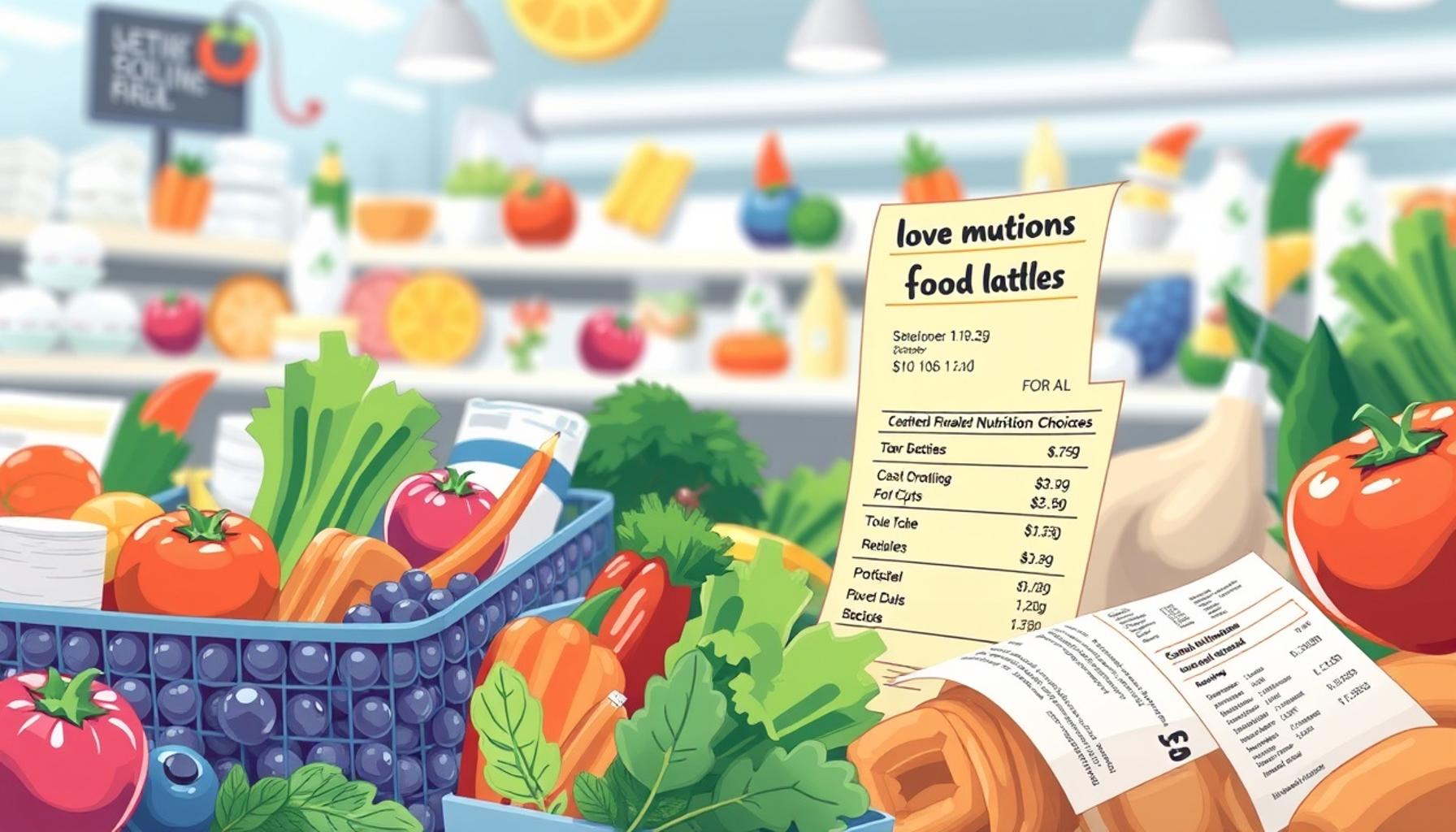
Making informed nutrition choices often begins with a keen understanding of food labels. In an age where health trends shift like the wind, steering clear of misleading information is paramount. As you navigate the aisles of your local grocery store, knowing how to interpret food labels can guide you toward options that truly support your health goals.
Serving Size: The Cornerstone of Nutrition Facts
One of the first elements to note on any food label is the serving size. This portion size dictates all the subsequent nutritional information. For instance, a snack package may have a serving size of just 30 grams, but most consumers might intuitively consume double, or even triple, that amount. This means if you’re consuming more than the recommended serving, you may be inadvertently doubling or tripling the calories and other macronutrients listed.
Understanding the significance of serving size can reframe your mindset about how much you eat. Here are a few key points to consider:
- The serving size listed is not always what you might expect. Familiarize yourself with common servings as it helps in managing intake.
- Check the calories per serving. If you eat multiple servings, multiply the calories accordingly for a more accurate picture.
- Environmental factors such as packaging can influence perceptions of serving sizes, further complicating your ability to gauge true portion sizes.
Recognizing Everyday Ingredients
The ingredient list can unveil a great deal about what you’re really consuming. Ingredients are mandated by the FDA to be listed in descending order by weight, meaning the first few items on the list make up the majority of the product. Before you purchase, consider the following:
- Watch out for additives. Ingredients with chemical-sounding names often indicate preservatives or artificial ingredients, which may not contribute beneficially to your health.
- Be cautious of sugar in disguise. Products may contain various forms of sugar under different names, such as cane sugar, agave nectar, or maltodextrin, which can confuse consumers.
- Check for allergens. If you have dietary restrictions or allergies, scanning the ingredient list becomes vital to avoid adverse reactions.
Understanding Front-of-Package Claims
The front of packaging often features claims designed to catch your attention, but these can easily mislead. Terms like “natural,” “fat-free,” or “made with whole grains” may sound appealing yet require deeper scrutiny. For example, a product labeled “made with whole grains” may only contain a small percentage of whole grains compared to refined grains. Similarly, “fat-free” options can sometimes be laden with sugar to enhance flavor, negating their health advantage.
In light of such marketing tactics, it’s essential to dig deeper into the nutritional profile. Ask yourself whether these claims represent the whole story or merely serve as a marketing gimmick. Through this proactive approach, you can learn to navigate food labels skillfully and ensure your nutrition choices are both informed and health-oriented.
Navigating Food Labels: Understanding Key Information
As consumers become increasingly health-conscious, a profound understanding of food labels is essential for making informed nutrition choices. Food labels are not merely a formality; they serve as a powerful tool for guiding your dietary selections. Among the myriad of details provided, there are specific areas that require your attention to maximize your nutritional intake.
| Category | Benefits |
|---|---|
| Nutrition Facts | Provides valuable information on the serving size, calories, and essential nutrients, enabling consumers to make healthier choices. |
| Ingredient List | Informs about the quality and source of ingredients, helping consumers avoid harmful additives and allergens. |
Understanding how to interpret Nutrition Facts and the Ingredient List segments is crucial. Nutrition facts reveal the caloric content and nutrient density of foods, promoting better portion control. Meanwhile, the ingredient list discloses the composition of the product, shedding light on the presence of artificial ingredients or unhealthy fats, which are often hidden.
By focusing on these two categories, consumers can not only enhance their dietary choices but also cultivate a deeper awareness of what they are consuming. This knowledge empowers individuals to seek out foods that are not only nutritious but also align with their personal health goals. As you navigate through grocery aisles, let the food labels guide you towards healthier and informed eating habits.
Evaluating Nutritional Context: Beyond the Basic Facts
Once you’ve familiarized yourself with serving sizes and ingredient lists, the next step in navigating food labels is assessing the nutritional context of what you’re consuming. By examining the Nutrition Facts panel, you can gather vital information about macro and micronutrients that influence your overall health.
Daily Values and Percentages
The Daily Value (DV) percentages on food labels provide insight into how much a serving contributes to your daily nutrient intake, based on a 2,000-calorie diet, which is the general guideline used for nutrition labeling. However, these percentages are not one-size-fits-all; individual caloric needs may vary greatly depending on age, gender, activity level, and health goals.
- Consider your own health objectives—whether you’re focusing on weight loss, muscle gain, or managing a medical condition can significantly alter what percentages are meaningful to you.
- Keep an eye on nutrients that Americans typically consume in excess, such as saturated fats, added sugars, and sodium. Aim to stay below the recommended DV for these, which is typically less than 10% of calories for saturated fat and 2,300 mg for sodium.
- Conversely, prioritize nutrient-dense foods that provide beneficial vitamins and minerals, like fiber, calcium, and potassium, and strive to meet or exceed their respective DVs.
The Role of Calories in Nutritional Choices
Caloric intake plays a pivotal role in your overall health, and the calories listed on food labels offer a glimpse into the energy that your body will derive from each serving. Yet, it’s crucial to interpret these numbers within context:
- Not all calories are created equal. A calorie from a sugary beverage will behave differently in your body compared to a calorie from a whole-food source, like an apple. High-calorie foods often lead to overconsumption and can adversely impact weight management efforts.
- Focus on nutrient density: opt for foods that provide more vitamins, minerals, and fiber for fewer calories, like leafy greens or legumes. These foods can be valuable allies in maintaining satiety without steep caloric consequences.
A Special Note on Organic and Non-GMO Labels
Many consumers look for organic or Non-GMO Project Verified labels as part of their health-conscious choices. Understanding what these labels signify can further inform your decisions:
- Organic foods are produced without synthetic fertilizers, pesticides, or herbicides. While organic foods often come at a premium price, they can mitigate exposure to these chemicals.
- Non-GMO labels signify that the ingredients do not contain genetically modified organisms. While the health implications surrounding GMOs are still debated, many consumers prefer to opt for these products based on personal beliefs.
- Research shows that organic and Non-GMO foods may not necessarily deliver more nutrients than their conventional counterparts. Therefore, considering price, availability, and your own health goals is key.
By evaluating nutritional context on food labels, alongside ingredients and serving sizes, you empower yourself to make informed decisions. This multifaceted approach ensures that you don’t just perceive a product at face value but instead view it through the lens of your overall dietary framework and health aspirations. Your journey through the grocery aisles can transform from a routine chore into an enriching experience—one where every label tells a story of what you choose to put on your plate.
Conclusion: Empowering Your Nutrition Journey
In an age where health consciousness is a growing priority, navigating food labels has become an essential skill for making informed nutrition choices. Understanding serving sizes, ingredient lists, and the Nutrition Facts panel not only aids in deciphering what’s really in your food but also empowers you to align your purchases with your health goals. As you scan those labels, consider the Daily Values and how they relate to your unique dietary needs. Keep in mind that moderation is key; while it’s important to be mindful of excesses such as saturated fats and added sugars, prioritizing nutrient-dense foods rich in fiber and vitamins will illustrate the story you wish to tell through your diet.
Moreover, delving into labels like organic or Non-GMO can guide you toward choices that reflect your personal beliefs about health and sustainability. However, it remains critical to acknowledge that the presence of these labels doesn’t automatically ensure higher nutritional value. The journey toward better health is one of balance, and a discerning eye can help optimize your selections amidst a sea of marketing claims and public health guidelines.
In conclusion, by actively engaging with food labels, you become the author of your own health narrative. Transform your grocery shopping from a mundane task into a thoughtful exercise in health literacy, where each product you select nourishes not just your body, but also your understanding of what it means to eat well. Embrace this knowledge, and let it lead you to a more fulfilling and health-conscious lifestyle.