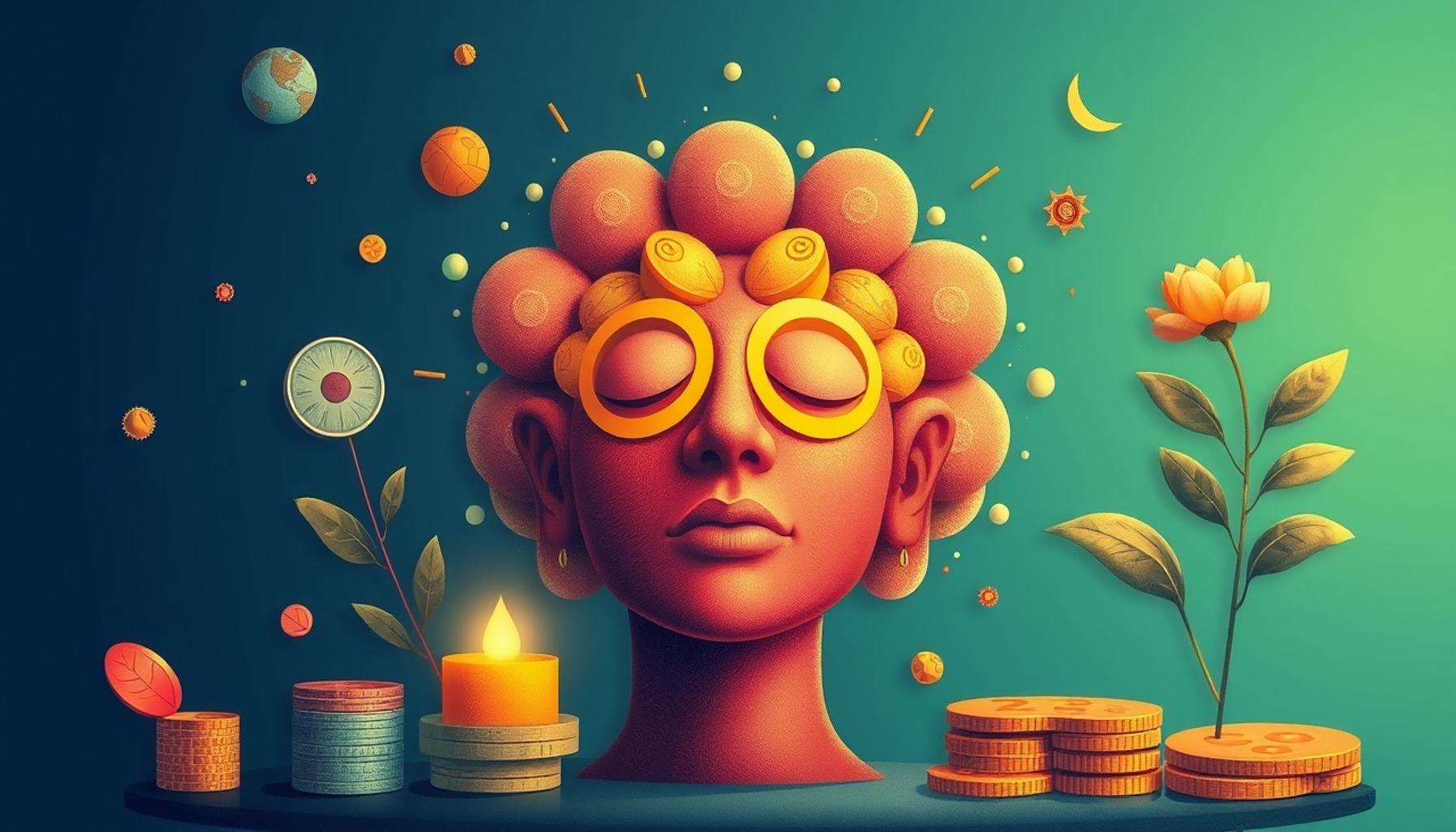
Gratitude Strategies to Improve Emotional Well-Being

Unlocking the Power of Gratitude
In a world where stress and anxiety seem ever-present, finding effective gratitude strategies can be a game changer for emotional well-being. Research shows that practicing gratitude can lead to significant improvements in mental health, creating a ripple effect in our daily lives. But how can we harness this power?
Many people overlook the simple act of expressing gratitude, thinking it’s just a nice gesture. However, studies indicate it has profound effects such as:
- Reduction in symptoms of depression: Regularly recognizing the positive aspects of life has been linked with lower rates of depressive symptoms. One study published in the Journal of Happiness Studies showed that participants who kept gratitude journals reported increased levels of positivity.
- Increased resilience against stress: Individuals who practice gratitude tend to process stressful situations more effectively. By focusing on what they appreciate, they can mitigate feelings of overwhelm, as seen in research conducted by the American Psychological Association.
- Improved relationships and connections: Expressing thanks not only makes the giver feel good but also strengthens social bonds. For instance, a simple “thank you” after a colleague helps can foster a supportive and harmonious work environment.
Implementing gratitude into your daily routine may sound easy, but it requires consistency and intention. Whether you’re a busy professional in a bustling city like New York or a stay-at-home parent navigating the daily chores, there are strategies that can fit seamlessly into your lifestyle.
Consider these approachable methods to integrate gratitude into your life:
- Keeping a gratitude journal: Dedicate a few minutes each night to write down three things you are thankful for. This can help reframe your perception of the day, as many find that even minor events—like a barista making their coffee with a smile—can spark profound feelings of gratitude.
- Expressing thanks verbally: Take a moment each day to let someone know you appreciate them. Whether you thank your spouse for their support or a friend for their listening ear, verbal expressions of gratitude can strengthen relationships and create a sense of connection.
- Practicing mindfulness: Engage in mindfulness exercises that focus on gratitude. Meditation apps, such as Headspace and Calm, offer guided sessions designed to help individuals reflect on the positive aspects of their lives, thereby cultivating a lasting mindset of appreciation.
As we delve into these gratitude strategies, you may uncover new practices that enhance your emotional well-being and enrich your daily experiences. Your journey toward a more fulfilling life may just begin with the simple act of saying, “Thank you.” By making gratitude a habit, we can transform our general outlook on life, leading to happier, more satisfying relationships and a calmer mind in the face of life’s challenges.
Incorporating Gratitude into Daily Life
To truly benefit from the profound impact of gratitude on emotional well-being, it is essential to incorporate it into our daily routines in a way that feels natural and sustainable. Each of us has a unique lifestyle, and our gratitude practices should reflect that diversity. Here are several effective strategies to make gratitude a part of your everyday life:
- Gratitude journaling: This time-honored practice encourages you to jot down three to five things you are grateful for each day. The beauty of gratitude journaling is in its simplicity; a few minutes dedicated to reflection can pave the path toward a more positive mindset. Research from Psychological Science suggests that those who engage in gratitude journaling experience higher levels of positive affect and contentment. Try to include specific details in your entries; instead of simply noting “I am thankful for my family,” elaborate by including a cherished memory or an instance when they supported you.
- Expressing appreciation through letters: Consider writing letters to people who have positively impacted your life. These letters don’t need to be elaborate; instead, focus on expressing your heartfelt thanks for their influence. A study published in the Journal of Personality and Social Psychology demonstrated that people who send gratitude letters not only feel happier but also foster stronger connections with those they appreciate. You could mail these letters or read them aloud to the recipient; either way, the act of articulating your thanks can produce profound emotional benefits.
- The gratitude jar: Create a gratitude jar for your home or workspace. Each time something positive happens, write it down on a slip of paper and place it in the jar. At the end of the month or year, take time to read through these reflections. This visual representation of gratitude can serve as a powerful reminder during challenging times, offering glimpses into the multitude of experiences, both big and small, for which you can be thankful.
- Mindful moments: Incorporating mindfulness into your gratitude practices can further elevate their impact. This could be as simple as pausing for a few deep breaths, focusing on the sensations in your body, and reflecting on what you appreciate in that moment. Mindfulness resources, such as local yoga classes or online platforms like Insight Timer and Headspace, often provide guided sessions that blend mindfulness techniques with gratitude exercises.
- Creating a gratitude mantra: A mantra is a phrase or a few words that help center your thoughts. Crafting a gratitude mantra to repeat daily—such as “I am grateful for today” or “Thankfulness opens my heart”—can cultivate a habitual mindset focused on appreciation. Studies indicate that maintaining a consistent practice like this can significantly influence emotional resilience.
Exploring these diverse gratitude strategies can lead not only to enhanced emotional well-being but also to a richer, more satisfying experience of life. Each strategy emphasizes the importance of reflection and connection, allowing us to internalize the positive aspects of our daily experiences. Remember, the journey toward emotional improvement begins with small, intentional steps, inviting you to see the world through a lens of appreciation and joy.
| Strategies for Gratitude | Emotional Benefits |
|---|---|
| Daily Gratitude Journaling | Improved mood and emotional balance from daily reflections. |
| Grateful Meditation | Reduces anxiety and cultivates a sense of peace. |
| Sending Gratitude Letters | Strengthens relationships and enhances feelings of connectedness. |
| Gratitude Rituals | Creates positive associations and fosters a joyful mindset. |
Engaging in these gratitude strategies can significantly contribute to enhancing your emotional well-being. By incorporating practices such as daily gratitude journaling, where individuals list things they are thankful for, one can boost their mood, helping to combat feelings of sadness and frustration. Meanwhile, grateful meditation encourages a mindful appreciation of life, leading to decreased anxiety levels. Another effective strategy is the act of sending gratitude letters to loved ones; this simple gesture not only boosts one’s mood but also fortifies connections. Additionally, embracing gratitude rituals within your daily life can help create lasting positive associations, leaving you feeling both uplifted and more engaged with your surroundings. By exploring these techniques, individuals may discover profound avenues for emotional improvement, ultimately leading them toward a more fulfilling life.
Transforming Relationships through Gratitude
Gratitude extends beyond personal reflection; it holds the power to transform the way we interact with others, enhancing our emotional well-being through meaningful connections. By actively expressing gratitude, we cultivate an environment of appreciation that strengthens our relationships, reduces social anxiety, and fosters a greater sense of belonging. Here are several strategies to leverage gratitude in enhancing interpersonal relationships:
- Practicing active listening: One essential but often overlooked aspect of gratitude is the ability to listen actively to others. When someone shares their experiences, take a moment to express your appreciation for their openness. Simple affirmations like “I appreciate you sharing this with me” can deepen your connection and make them feel valued. This practice not only improves relationships but also instills a greater sense of empathy and understanding, both of which contribute to overall emotional well-being.
- Engaging in regular acts of kindness: Small gestures of kindness go hand in hand with gratitude. Whether it is holding the door for someone, leaving a thoughtful note, or buying coffee for a colleague, these acts of kindness can create a ripple effect of positivity. Research in the field of social psychology shows that when we perform acts of kindness, not only do we uplift others, but we also experience a boost in our own mood and satisfaction. Make it a point to regularly engage in these small acts, focusing on making someone’s day a little brighter.
- Encouraging a culture of gratitude at work: In professional settings, fostering a culture of gratitude can significantly improve team dynamics and workplace morale. Initiatives like “Thank You Thursdays” can encourage employees to share messages of appreciation for one another. This not only enhances camaraderie but has been shown to positively impact productivity, creativity, and retention rates. In a survey by Glassdoor, 81% of employees stated that they would work harder if their efforts were better recognized. This data underscores the potential of gratitude to create a supportive work environment.
- Forming gratitude circles: Create a regular gratitude circle with friends, family, or colleagues, where each participant shares something they are thankful for. This can be done weekly or monthly and serves as a dedicated space for individuals to reflect and express appreciation for one another. Research indicates that engaging in gratitude circles can enhance feelings of connectedness, promote emotional healing, and reduce feelings of isolation. Facilitating these gatherings can cultivate deeper relationships and a robust support network.
- Utilizing gratitude in conflict resolution: When conflicts arise, incorporating gratitude into the resolution process can be transformative. By focusing on what you appreciate about the other person and expressing that during discussions, you can foster a more constructive and understanding environment. Approaching conflicts with a mindset of gratitude helps to diffuse tensions and encourages a collaborative rather than combative atmosphere.
By embracing these strategies to express and embody gratitude in our relationships, we harness its transformative power, leading to improved emotional well-being. As we cultivate connections rooted in gratitude, we create networks of support that not only enhance our satisfaction but also resonate through all areas of our lives, revealing a richer tapestry of experiences filled with appreciation and joy.
Conclusion: Embracing Gratitude for Lasting Emotional Benefits
In our fast-paced world, the practice of gratitude serves as a vital counterbalance, grounding us and enhancing our emotional well-being. Through the exploration of various gratitude strategies, we uncover profound impacts on our mental health and interpersonal relationships. From actively listening to others to creating cultures of appreciation at work, gratitude fosters a supportive environment where emotional connections can flourish.
As individuals and communities embrace these practices, we begin to see a ripple effect of positivity and resilience. Engaging in small acts of kindness not only elevates our own mood but also uplifts those around us, creating a network of shared appreciation. Furthermore, integrating gratitude into conflict resolution opens new avenues for understanding and collaboration, transforming disagreements into opportunities for growth.
Research suggests that actively cultivating gratitude can lead to lower levels of anxiety and depression, with studies indicating that individuals who regularly practice gratitude report more satisfaction with their lives. By forming gratitude circles or partaking in workplace initiatives that celebrate gratitude, we enhance our feelings of connectedness and belonging. Ultimately, embracing these strategies can lead to a more profound sense of joy and fulfillment in our lives.
As you reflect on the strategies discussed, consider how gratitude can be integrated into your own daily routine. Whether through journaling, expressing thanks to loved ones, or participating in community-driven initiatives, the path to emotional well-being through gratitude is not only accessible but also transformative. Start small, and you may find that the simple act of embracing gratitude can profoundly enrich your life and the lives of those around you.