The Connection Between Gut Health and Nutritional Choices
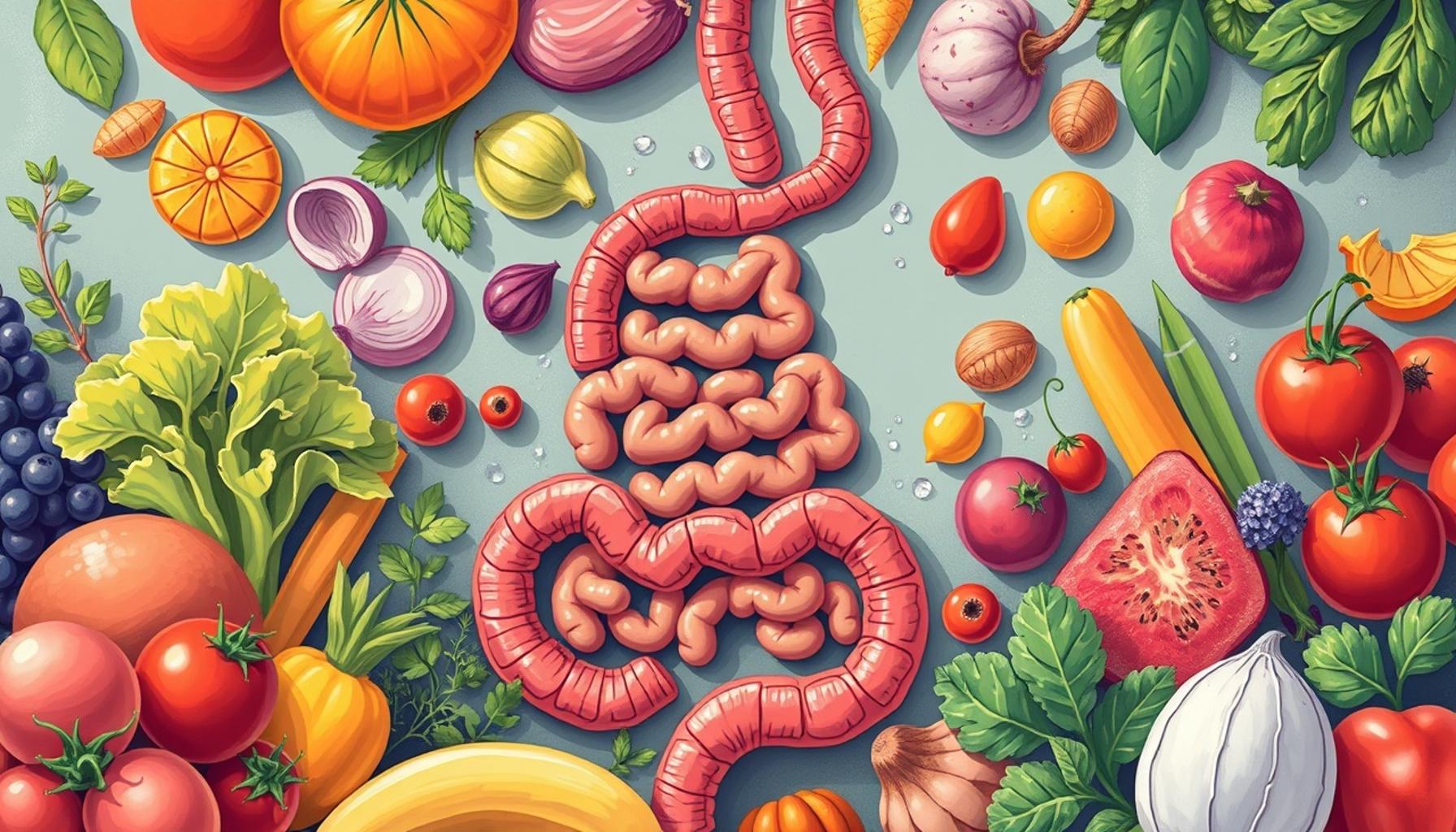
The Importance of Gut Health
Often referred to as the body’s second brain, the human gut plays a pivotal role in maintaining not just gastrointestinal health, but overall well-being. Encompassing a complex network of nerves, bacteria, and immune cells, a healthy gut can significantly boost your immune system, enhance mood, improve digestion, and even influence your energy levels. But what truly powers this vital system?
The Impact of Nutrition
Your nutritional choices are integral to maintaining a healthy gut. Each bite you take contributes to a diverse community of microorganisms, known collectively as the gut microbiome, that resides in your intestines. This ecosystem helps break down food, synthesize essential vitamins, and defend against harmful bacteria. Thus, understanding the connection between diet and gut health is essential for making informed dietary decisions.
Key Nutritional Elements
Several dietary factors are critical in promoting optimal gut function:
- Fiber-rich foods: Incorporating foods like fruits, vegetables, whole grains, and legumes is vital. Fiber acts as a prebiotic, nourishing beneficial gut bacteria such as Bifidobacteria and Lactobacilli. This, in turn, promotes a balanced microbiome, enhancing gut health and regularity.
- Fermented products: Foods such as yogurt, kimchi, miso, and sauerkraut are rich in probiotics, which are live microorganisms that can confer health benefits when consumed in adequate amounts. Probiotics support gut flora diversity and can alleviate digestive issues, such as irritable bowel syndrome (IBS), by restoring balance in the gut.
- Sugar and processed foods: High-sugar diets and excessive consumption of processed foods can create dysbiosis—an imbalance of gut bacteria. Such conditions may lead to intestinal inflammation and are often associated with a variety of health issues, including obesity, diabetes, and even mental health disorders.
With digestive disorders on the rise in the United States, highlighting the link between your diet and gut health has become increasingly important. Conditions like IBS, acid reflux, and inflammatory bowel disease (IBD) affect millions, and the food choices you make can either contribute to or alleviate these issues. As we explore this vital subject further, prepare to uncover transformative insights that can impact not just your gastrointestinal health but also your mood, energy levels, and overall quality of life.
For those looking to optimize gut health, exploring a variety of whole, minimally processed foods while avoiding excessive sugars and refined ingredients can be beneficial. This approach helps nurture not only your gut microbiome but also your body’s broader systems, paving the way for a healthier and happier life.
The Nutritional Foundation of Gut Health
The gut microbiome, a complex community of trillions of microorganisms residing in our digestive tract, is fundamentally shaped by the foods we consume. It thrives on a balanced diet rich in nutrients, guiding various bodily functions from digestion to immune response. Research increasingly demonstrates that the choices we make at mealtime can have profound effects on not just our gut flora, but also our overall well-being. By diving deeper into essential nutritional elements, we can uncover the significant relationship between nutritional choices and gut health.
Essential Food Groups for a Healthy Gut
Certain food categories play an indispensable role in sustaining a thriving gut microbiome. The following are key components that can shape gut health:
- Prebiotic Foods: Foods that are high in fiber act as prebiotics, which nurture the beneficial bacteria in our gut. Items such as onions, garlic, bananas, and asparagus provide the fuel for these microorganisms, allowing them to flourish. Studies show that a diet rich in prebiotics not only enhances gut health but also improves metabolic markers and reduces inflammation.
- Probiotic Foods: Probiotics are live beneficial bacteria found in fermented products like yogurt, kefir, and kimchi. Regular consumption of these foods can enhance gut flora diversity, improving the gut’s barrier function and combating harmful pathogens. Evidence suggests that including a variety of probiotic-rich foods in your diet can alleviate symptoms associated with conditions such as IBS and digestive discomfort.
- Polyphenol-Rich Foods: Research indicates that foods packed with polyphenols, such as berries, green tea, and dark chocolate, possess antimicrobial properties that can aid in shaping a healthier gut microbiome. These compounds not only promote growth of beneficial bacteria but also inhibit the proliferation of harmful species, contributing to overall gut health.
- Omega-3 Fatty Acids: Found in fatty fish like salmon and walnuts, omega-3 fatty acids are known for their anti-inflammatory properties. A diet rich in omega-3s can help maintain the integrity of the gut lining, reducing the risk of conditions such as leaky gut syndrome and chronic intestinal inflammation.
Conversely, the excessive intake of certain types of foods, particularly those high in sugar and refined grains, can significantly disrupt gut health. For example, research from the American Journal of Clinical Nutrition has linked high-sugar diets with alterations in gut microbiome composition, leading to conditions like dysbiosis. This imbalance can lead to various health issues, including digestive distress, weight gain, and even mental health problems such as anxiety and depression.
Understanding these connections can empower individuals to make dietary choices that promote not only gut health but also overall physical and mental well-being. By prioritizing nutrient-dense foods, one can foster a resilient microbiome capable of supporting a harmonious body environment. As we further investigate this intricate relationship, the next steps will involve examining how lifestyle factors can further interplay with our nutritional choices to impact gut health.
As we delve deeper into the connection between gut health and nutritional choices, it’s crucial to understand how our food choices directly impact the microbiome, which plays a vital role in our overall health. The gut is home to trillions of microorganisms that influence digestion, metabolism, and immunity. When we consume a diet rich in fiber, probiotics, and prebiotics, we provide these microorganisms with the nutrients they need to thrive. This, in turn, fortifies our gut barrier, reducing inflammation and the risk of various health conditions.
Research has shown that diets high in processed foods and added sugars can lead to an imbalance in gut bacteria, known as dysbiosis. This imbalance is linked to several issues, including digestive disorders, mental health challenges, and obesity. Conversely, a well-balanced diet featuring whole foods—such as fruits, vegetables, whole grains, and lean proteins—supports a diverse and robust microbiome. Incorporating fermented foods like yogurt, kefir, and sauerkraut adds beneficial bacteria, promoting gut health further.
The interplay between gut health and nutrition also extends to mental health. The gut-brain axis—a bidirectional communication network between the gut and the brain—suggests that what we eat can significantly influence our mood and cognitive function. Studies indicate that certain foods can elevate mood and reduce anxiety, further highlighting the importance of mindful food choices.
| Nutritional Choice | Impact on Gut Health |
|---|---|
| High-Fiber Foods | Promote the growth of beneficial gut bacteria |
| Fermented Products | Introduce probiotics, enhancing gut microbiota diversity |
In conclusion, understanding the intricate relationship between our dietary choices and gut health can empower us to make informed decisions that benefit our physical and mental well-being. By emphasizing nutrition, we can pave the way for a healthier gut, which ultimately contributes to overall health.
The Role of Dietary Patterns in Shaping Gut Microbiota
The connection between gut health and nutritional choices isn’t only about individual foods but also about the overall dietary patterns that define our eating habits. Various dietary strategies can shape our gut microbiome in different ways, indicating that how we eat may be just as important as what we eat. Investigating these dietary patterns can unveil fascinating insights into gut health and its implications for our overall wellness.
The Mediterranean Diet
The Mediterranean diet is often hailed for its heart-healthy benefits, but it also carries significant implications for gut health. Rich in fruits, vegetables, whole grains, legumes, nuts, and healthy fats like olive oil, this diet provides a robust array of nutrients and fiber that fuel beneficial gut bacteria. Studies have shown that adherents of the Mediterranean diet tend to have a more diverse microbiome compared to those following a standard Western diet, which is typically high in processed foods and low in fiber. This diversity is crucial, as it is linked to a lower risk of various diseases, including obesity, diabetes, and inflammatory disorders.
Plant-Based Diets
Shifting focus to plant-based diets, which emphasize fruits, vegetables, legumes, and whole grains, we find that these nutritional choices promote a healthier gut microbiome. A plant-based diet can substantially increase the intake of dietary fiber and polyphenols, both of which are vital for feeding and nurturing beneficial gut bacteria. A study published in the journal “Nutrients” revealed that individuals consuming a plant-based diet report improved gut health and a reduction in gastrointestinal symptoms. Moreover, these diets may lower the prevalence of chronic diseases by enhancing gut microbiota diversity, leading to a more resilient metabolic state.
The Impact of Processed Foods and Additives
While discussing dietary choices, it’s essential to highlight the impact of processed foods and artificial additives. Diets high in processed foods—often characterized by high sugar content, unhealthy fats, and additives like emulsifiers and artificial sweeteners—can lead to detrimental changes in gut microbiota. Research indicates that these foods may contribute to a state of dysbiosis, characterized by an imbalance of gut bacteria. This imbalance can trigger inflammation, obesity, and even mental health issues. Popular additives, such as emulsifiers found in many packaged foods, have been shown to alter gut barrier function, which could lead to gastrointestinal diseases.
Personalization of Nutritional Choices
Moreover, the personalization of dietary choices is emerging as a key factor in optimizing gut health. Factors such as genetics, lifestyle, and pre-existing health conditions can all influence how individual gut microbiota respond to different diets. This growing awareness leads to tailored dietary recommendations, emphasizing the need for a one-size-fits-all approach to nutrition. Emerging research in nutritional genomics indicates that individuals could benefit from systems that allow them to understand their unique microbiome composition, leading to diets that support their specific health needs.
As we continue to explore the relationship between gut health and nutritional choices, it becomes increasingly apparent that our dietary habits not only shape our microbiome but also influence our long-term health outcomes. The complexities surrounding this dynamic are paving the way for further research, which is critical for encouraging informed dietary practices that nurture a healthier gut and, consequently, a healthier life.
Conclusion: Embracing Nutritional Choices for Optimal Gut Health
The intricate connection between gut health and nutritional choices underscores the profound impact that our eating habits have on our overall well-being. As we delve deeper into the nuances of the gut microbiome, it becomes clear that adopting nourishing dietary patterns can promote a thriving community of beneficial bacteria. By embracing whole, minimally processed foods—such as those found in the Mediterranean and plant-based diets—we can cultivate a diverse microbiome that supports not just gut health, but also enhances immunity, reduces inflammation, and mitigates the risk of chronic diseases.
Conversely, it is crucial to recognize the negative repercussions of a diet rich in processed foods and artificial additives, which can lead to imbalances within the gut microbiota, known as dysbiosis. This imbalance may contribute to a variety of health issues, ranging from gastrointestinal disorders to mental health challenges. As research continues to illuminate the intricate relationship between our diet and gut health, the emerging concept of personalized nutrition offers exciting possibilities. Tailoring our dietary choices to reflect our unique microbiomes may soon provide transformative insights for achieving optimal health.
In conclusion, making informed and intentional nutritional choices is essential for nurturing a healthy gut. As consumers, we hold the power to influence our gut health through our dietary practices. By prioritizing whole foods, increasing fiber intake, and minimizing processed options, we can pave the way for a healthier future—both for ourselves and for generations to come. Embrace this journey of discovery, and let your plate serve as a powerful tool for better gut health.