How Stress Affects Skin Health and Strategies to Combat It

Stress is more than just a fleeting emotion; it can have profound effects on your body, particularly your skin. Many individuals may not fully understand the extent to which chronic stress can take a toll on their skin health. Over time, stress can lead to a variety of skin issues, potentially impacting self-esteem and overall well-being. Some common skin conditions associated with stress include:
- Acne – Stress can trigger hormonal changes, particularly an increase in cortisol, leading to oilier skin and clogged pores, which may result in breakouts. In fact, according to dermatologists, many patients report that their acne flare-ups coincide with periods of increased stress.
- Rosacea – This chronic skin condition is characterized by facial redness and visible blood vessels. Increased stress levels can exacerbate these symptoms, causing flare-ups due to heightened body temperature and blood flow to the skin.
- Eczema – Individuals with eczema often experience increased symptoms during stressful times. The body’s inflammatory response can trigger flare-ups in those who have sensitive skin, leading to discomfort and irritation.
The body’s response to stress is complex and multifaceted, involving various hormones, most notably cortisol, which can significantly impact overall skin health. Elevated cortisol levels can lead to a breakdown in the skin’s natural barrier, causing it to become dry and irritated. Moreover, stress can suppress the immune system, making it harder for the body to fight off skin infections and irritations.
In the United States alone, approximately 70% of adults report feeling stressed daily. This alarming statistic underscores the necessity of understanding stress as a significant contributor to skin health issues. With so many people experiencing stress regularly, finding effective solutions deserves attention. Fortunately, numerous actionable strategies can help mitigate the negative impacts of stress on your skin.
Here are some practical approaches to alleviate stress and improve skin health:
- Mindfulness – Engaging in mindfulness practices, such as meditation or deep-breathing exercises, can help lower stress levels. Even just a few minutes of focused breathing each day can promote relaxation and positively affect skin conditions.
- Exercise – Regular physical activity is a proven stress-reliever. Activities like yoga, running, or even brisk walking can release endorphins, the body’s natural mood lifters, which can counteract the effects of stress on the body, including the skin.
- Skincare Routine – Establishing a consistent skincare routine can help soothe stressed skin. Incorporating hydrating products and treatments specifically formulated for sensitive or stressed skin can promote healing, aiding the skin barrier.
Exploring these strategies can empower you to regain control over skin health and effectively combat the effects of stress. By taking small yet significant steps to manage stress, you can uncover deeper insights into the relationship between your emotional state and your skin’s condition. Discover how making informed choices can lead to healthier skin and, ultimately, a healthier you!
DISCOVER: Click here to uncover the secrets of youthful skin
The Intricate Connection Between Stress and Skin Health
Understanding the complex relationship between stress and skin health is crucial for anyone concerned about their appearance and well-being. When the body encounters stress, it activates the fight-or-flight response, prompting various physiological changes intended to help us cope with threats. This response includes the release of hormones such as adrenaline and cortisol. While these hormones are beneficial in short bursts, chronic elevation—especially of cortisol—can lead to a cascade of negative effects on the skin.
Cortisol’s primary function is to regulate several crucial processes in the body, including metabolism and inflammation. However, elevated cortisol levels can also compromise the skin’s natural barrier, leading to conditions such as dryness, oiliness, and increased susceptibility to irritation. Furthermore, when you experience stress, blood flow can shift away from the skin to your vital organs, resulting in a lackluster complexion and exacerbating existing skin conditions.
Studies suggest that chronic stress can also trigger or worsen skin issues like psoriasis, alopecia areata, and hives. A study published in the Journal of Investigative Dermatology noted that patients experiencing significant stress had a higher prevalence of these skin conditions. Therefore, managing stress not only benefits mental health but also plays a vital role in maintaining skin vitality.
The Impact of Stress on Skin Conditions
Identifying how stress can trigger or aggravate specific skin issues allows for more targeted strategies in combatting these effects. Here’s a closer look at how stress influences various skin conditions:
- Acne Flare-ups: Stress-induced hormonal changes can stimulate the sebaceous glands to produce more oil, leading to clogged pores and breakouts. According to the American Academy of Dermatology, this is often why many adolescents and adults alike notice a spike in acne during exams or stressful life events.
- Rosacea Worsening: Stress can lead to, or worsen, the facial flushing associated with rosacea. A study found that emotional triggers are significant contributors to rosacea flare-ups, making stress management essential for those suffering from this condition.
- Eczema Exacerbation: Individuals with eczema may find their symptoms worsen during periods of stress. The body’s inflammatory response can heighten skin irritation and dryness, creating a vicious cycle where stress makes eczema worse, which in turn can increase stress levels.
By recognizing these correlations between stress and skin health, individuals can take proactive steps to address the underlying causes. Understanding the significance of stress management can be the key to achieving not only a clearer complexion but also a healthier state of mind. Through innovative approaches like mindfulness, exercise, and a thoughtful skincare routine, it is entirely possible to reclaim both emotional and skin health amidst the pressures of daily life.
Skin Health and the Impact of Stress
Chronic stress can lead to significant skin issues, including acne, eczema, and psoriasis. When the body is under stress, it produces higher levels of the hormone cortisol. This hormone not only increases oil production in the skin but also can worsen pre-existing skin conditions. The inflammation caused by stress can disrupt the skin barrier, leading to dryness and irritation.
Understanding Stress-Related Skin Conditions
One of the most common stress-related skin conditions is acne. Stress triggers the sebaceous glands to produce more oil, which can mix with dead skin cells and clog pores. Similarly, conditions like eczema and psoriasis can flare up during stressful periods, as the immune system becomes compromised under the pressure of anxiety and tension. These skin manifestations are not merely superficial; they can lead to significant emotional distress and affect overall quality of life.
Strategies to Combat Stress and Improve Skin Health
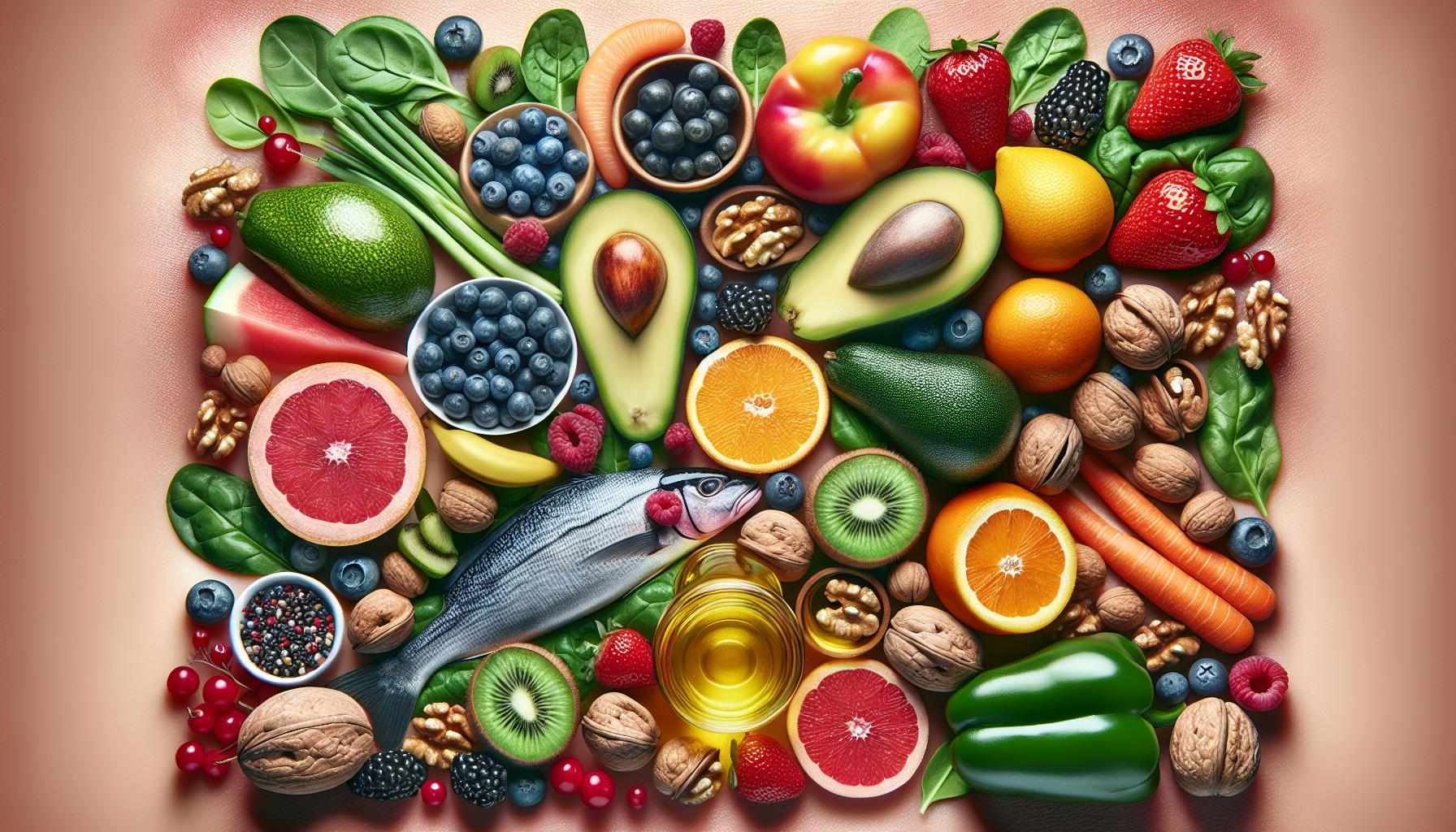
Implementing effective stress management techniques can significantly improve skin health. Here are a few strategies to consider:1. Mindfulness and Meditation: Incorporating mindfulness practices into your daily routine can help lower stress levels. Techniques such as deep breathing, yoga, and meditation promote relaxation and can lead to clearer skin.2. Regular Exercise: Physical activity is a powerful stress reliever. Exercise releases endorphins, which enhance mood and help reduce anxiety, ultimately benefiting your skin. Aim for at least 30 minutes of moderate exercise most days.3. Healthy Diet: A well-balanced diet rich in antioxidants, vitamins, and omega-3 fatty acids can fortify the skin and combat the effects of stress. Foods such as berries, nuts, and fish may help improve skin texture and resilience.4. Adequate Sleep: Quality sleep is essential for skin repair and rejuvenation. Lack of sleep can lead to increased stress hormones in the body, exacerbating skin problems. Aim for 7-9 hours of uninterrupted sleep each night.5. Skincare Routine: Adopt a simple yet effective skincare routine that focuses on hydration. Use products that are gentle and moisturize the skin to avoid aggravating stress-related issues. Avoid harsh chemicals that can further irritate the skin.By actively addressing stress through these techniques, individuals can see not just improvements in their mental well-being but also a transformation in their skin health. Understanding the link between stress and skin conditions can empower individuals to take control and make informed choices for their skincare and overall wellness.
| Category of Stress Impact | Effects on Skin Health |
|---|---|
| Hormonal Changes | Increased cortisol levels lead to excess oil production, contributing to acne. |
| Inflammation | Stress-induced inflammation exacerbates conditions like eczema and psoriasis. |
| Skin Barrier Disruption | Stress can impair the skin’s protective barrier, leading to moisture loss and irritation. |
DIVE DEEPER: Click here to discover the art of contouring
Proactive Strategies to Mitigate Stress-Induced Skin Issues
While the detrimental effects of stress on skin health are significant, recognizing the impact allows for the development of effective strategies to combat these challenges. Implementing a multifaceted approach that includes lifestyle modifications, mindfulness practices, and proper skincare routines can foster a more resilient skin barrier and overall well-being.
Stress-Reduction Techniques
One of the most effective ways to counteract stress is through the adoption of specific relaxation techniques. The following strategies have been shown to reduce stress levels and subsequently improve skin health:
- Mindfulness and Meditation: Engaging in mindfulness techniques, such as meditation, yoga, or deep-breathing exercises, can significantly reduce stress levels. According to a study in the journal Psychosomatic Medicine, mindfulness meditation can lower cortisol levels, which may prevent stress-related skin issues.
- Regular Physical Activity: Exercise is an excellent stress-reliever that not only boosts mood but also improves circulation, delivering vital nutrients and oxygen to the skin. According to the American Psychological Association, even moderate physical activity—like brisk walking—can mitigate stress and its cascading effects on skin health.
- Quality Sleep: Poor sleep can worsen stress and, in turn, skin conditions. Striving for seven to nine hours of quality sleep every night can improve skin repair processes and reduce the appearance of stress-related skin ailments. Creating a calming bedtime routine could prove beneficial in achieving restful sleep.
Tailored Skincare Regimens
In addition to adopting stress management techniques, a thoughtful skincare regimen can also help combat the visible effects of stress on the skin. Here are some strategies to consider:
- Hydration and Moisturization: Keeping the skin adequately hydrated is crucial. Opt for a moisturizer containing hyaluronic acid or ceramides to enhance the skin’s barrier function and retain moisture, especially for those experiencing stress-induced dryness or eczema flare-ups.
- Anti-Inflammatory Ingredients: Consider including skincare products with anti-inflammatory ingredients such as niacinamide and green tea extract. These can help soothe irritated skin and reduce redness associated with stress-induced conditions like rosacea.
- Non-Comedogenic Products: For individuals prone to acne flare-ups during stressful periods, using non-comedogenic skincare and makeup products can minimize clogging pores, helping to reduce the risk of breakouts.
Dietary Considerations
Diet also plays a pivotal role in managing stress and enhancing skin health. Foods rich in antioxidants, like fruits and vegetables, can combat oxidative stress on skin cells, while omega-3 fatty acids found in fish such as salmon can help reduce inflammation. A balanced diet that limits processed sugars and favors whole foods can lead to better skin outcomes.
Incorporating herbal supplements such as ashwagandha or rhodiola rosea may also promote stress reduction. These herbs have been linked to lower cortisol levels and improved mental resilience, which could be beneficial for skin health as well.
Ultimately, developing a personalized approach to managing stress and its effects on skin health requires a blend of these strategies. Understanding the intricate interaction between mental state and skin vitality can inspire individuals to take control, leading to a blossoming sense of well-being and a radiant complexion.
DISCOVER MORE: Click here for natural makeup tips
Conclusion: Embracing a Holistic Approach to Skin Health
In conclusion, the intricate connection between stress and skin health is both profound and undeniable. Stress acts as a catalyst, triggering a myriad of skin conditions, from acne to eczema, thereby emphasizing the importance of understanding its effects. By adopting a multifaceted approach that includes stress-reduction techniques, personalized skincare regimens, and mindful dietary choices, individuals can significantly improve their skin health while fostering a greater sense of overall well-being.
Implementing mindfulness practices such as meditation and yoga can effectively lower cortisol levels, paving the way for clearer and healthier skin. Moreover, regular physical activity not only serves as a natural stress-reliever but also enhances circulation, nourishing the skin from within. Prioritizing quality sleep further promotes skin repair processes, making it essential in the fight against stress-induced skin issues.
Additionally, a carefully curated skincare routine, incorporating ingredients like hyaluronic acid and niacinamide, can help mitigate the visible consequences of stress on the skin. Meanwhile, a diet rich in antioxidants and omega-3 fatty acids can combat oxidative stress and inflammation, ultimately leading to healthier skin.
By recognizing and proactively addressing the link between stress and skin health, individuals can embark on a journey toward self-care that not only restores their skin’s vitality but also nurtures their mental health. The pursuit of a glowing complexion is often intertwined with strategies to reduce stress, making it imperative to embrace a holistic lifestyle that prioritizes both mental and physical health. As we move forward, let us take this knowledge to heart and empower ourselves to glow from the inside out.