The Impact of Natural Ingredients on the Effectiveness of Personal Care Products
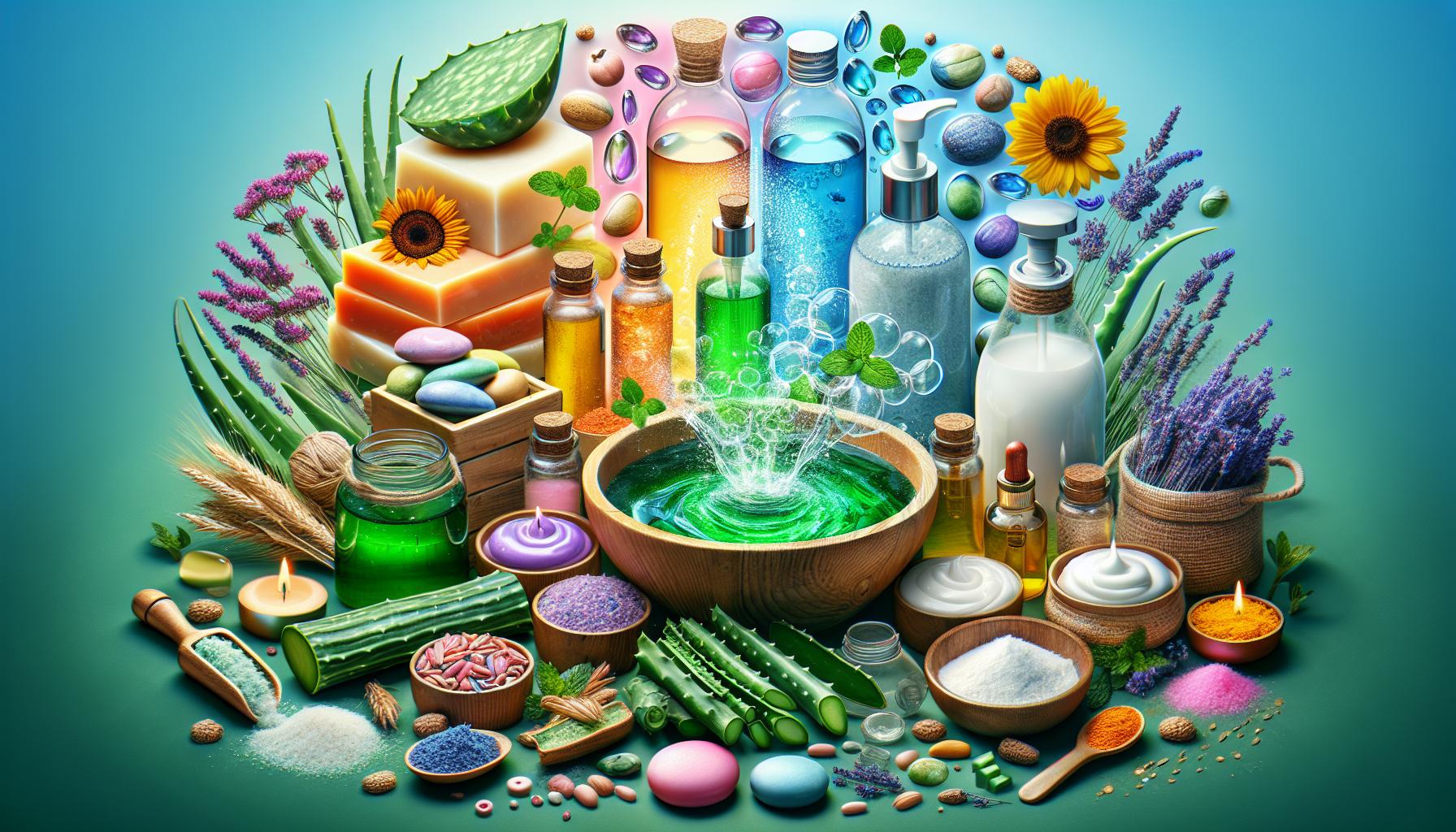
The Shift Towards Natural Ingredients in Beauty Care
In recent years, the beauty and personal care industry has witnessed a significant shift towards using natural ingredients. This trend is primarily driven by consumer demand for products that are safer, more effective, and environmentally friendly. But what exactly drives this growing interest?
- Health Consciousness: Many consumers are becoming increasingly aware of the potential risks associated with synthetic chemicals in beauty products. Studies have shown links between certain artificial additives and health issues like skin irritations, allergies, and even hormonal disruptions. As awareness spreads, consumers are actively seeking out products that minimize these risks, favoring items labeled as “free from parabens,” “sulfate-free,” or “cruelty-free.”
- Effectiveness: Natural ingredients often boast unique properties that can enhance the efficacy of personal care products. For example, hyaluronic acid, a naturally occurring substance in the body, is becoming a popular ingredient in moisturizers and serums due to its ability to hold up to 1,000 times its weight in water. Likewise, many consumers are discovering the benefits of herbal extracts, like ginseng, known for stimulating cell turnover and revitalizing tired skin.
- Sustainability: There’s a pressing need for greener alternatives as environmental concerns rise. Consumers in the United States are increasingly aware of the impact their purchases have on the planet. Brands that adopt sustainable sourcing practices and eco-friendly packaging are not only meeting demands for eco-conscious products, but they are also building a loyal customer base. More companies are committed to transparency about their sourcing and production methods, further enhancing their appeal.
Research studies indicate that several natural ingredients possess remarkable benefits, such as:
- Aloe Vera: Known for its soothing and hydrating qualities, this plant has been used for centuries to heal various skin conditions, from sunburns to acne. Its natural gel is now a staple in many products, appealing to health-focused consumers.
- Tea Tree Oil: Renowned for its antibacterial and antifungal properties, this essential oil is featured in numerous skincare lines targeting acne and other blemishes, providing a natural alternative to traditional treatments.
- Shea Butter: Celebrated for its moisturizing and healing effects on the skin, shea butter is rich in vitamins A and E, making it a favorite ingredient in lotions and balms intended for dry or sensitive skin.
These ingredients are not just buzzwords; they represent a deeper understanding of what enhances product performance. As traditional formulations face scrutiny, the industry must adapt and innovate in response to these evolving preferences.
The quest for natural personal care products is more than just a trend—it’s a pivotal change in how consumers view their self-care routines. By opting for products infused with natural ingredients, individuals not only care for their bodies but also contribute to a larger movement toward sustainability and health-awareness. This increasing demand for natural cosmetics invites consumers to rethink their choices in personal care, as it reveals how nature can dramatically enhance the effectiveness of beauty products.
DISCOVER MORE: Click here for natural makeup tips
The Benefits of Natural Ingredients in Personal Care
The use of natural ingredients in personal care products brings an array of benefits that significantly enhance their effectiveness, appealing to health-conscious consumers and eco-advocates alike. As the industry pivots to include these elements, it’s essential to understand why they are more than just a passing trend; they represent a profound transformation in how care products are formulated and perceived.
First and foremost, natural ingredients are often rich in bioactive compounds that promote skin health and overall well-being. Unlike their synthetic counterparts, which may cause irritation or adverse reactions, ingredients derived from plants, minerals, and organic sources are generally gentler on the skin. They cater to a diverse range of skin types and conditions, making them suitable for individuals seeking effective solutions tailored to their needs. Below are a few notable natural ingredients and their remarkable benefits:
- Coconut Oil: Known for its intense moisturizing properties, coconut oil not only hydrates the skin but also has antimicrobial benefits that protect against infections and skin irritations. Its versatile use spans hair care, body lotions, and even lip balms, positioning it as a staple in natural beauty routines.
- Jojoba Oil: Similar in composition to the skin’s natural sebum, jojoba oil is easily absorbed, making it a perfect moisturizer for balancing oily and dry skin. Its anti-inflammatory properties can soothe irritation and redness, enhancing the skin’s overall appearance.
- Chamomile Extract: Renowned for its calming effects, chamomile extract is commonly found in skincare products designed for sensitive skin. Its anti-inflammatory and antioxidant properties help reduce redness, making it a favorite among those with conditions like eczema or rosacea.
Moreover, the efficacy of these natural ingredients often lies in their multi-functional characteristics. For instance, essential oils, like lavender and peppermint, not only provide a sensory experience through their pleasant fragrances but also bring therapeutic benefits such as stress relief and increased circulation. This multiplicity fosters consumer trust, as users appreciate products that serve not only aesthetic purposes but also health benefits.
The integration of natural ingredients also resonates with the increasing demand for transparency in the beauty industry. As consumers seek to understand what they are putting on their bodies, brands that prioritize clear labeling and ethical sourcing stand out in a crowded market. This shift is not merely about the ingredients but also about fostering a connection between the product and the consumer’s values—promoting a worldview that embraces sustainability and care for the environment.
Furthermore, studies have shown that natural ingredients can yield long-term benefits that synthetic options rarely match. For example, the consistent use of products infused with antioxidant-rich extracts leads to improved skin elasticity and resilience over time. As more consumers become informed, the push for products that not only promise short-term results but also long-term health becomes paramount.
In summary, the impact of natural ingredients on the effectiveness of personal care products is profound and multifaceted. These elements not only enhance product performance but also fortify the integrity of the consumer-brand relationship. The growing trend toward natural formulations reflects an understanding that the quest for beauty and self-care is inextricably linked to health and well-being.
| Category | Key Features |
|---|---|
| Natural Moisturizers | Harness the power of ingredients like aloe vera and shea butter to deeply hydrate and revitalize the skin without harsh chemicals. |
| Skin Sensitivity | Natural ingredients tend to have fewer allergens, making them suitable for sensitive skin and reducing the risk of irritation. |
| Antioxidant Properties | Substances like green tea and vitamin C fight free radicals, promoting a youthful appearance and reducing signs of aging. |
| Eco-Friendly | Using natural ingredients often results in lower environmental impact compared to synthetic alternatives, appealing to eco-conscious consumers. |
In today’s world, consumers are increasingly focused on the impact of natural ingredients in their personal care regimens. The switch to natural skincare is not just a trend but a response to demands for transparency and health. Products formulated with ingredients such as botanicals and essential oils offer not only efficacy but also a sense of trust and safety. Manufacturers are now showcasing these natural components to highlight their commitment to well-being and sustainability.Moreover, personal care products enriched with natural elements typically possess additional benefits, such as being less likely to cause adverse reactions. For example, formulations built around plant extracts are designed to harmonize with the skin’s physiology, often leading to enhanced absorption and improved overall texture. The allure of unlocking nature’s potential in beauty leads consumers toward products that not only beautify but also nourish. By embracing this holistic approach, shoppers are empowered to make informed decisions that reflect their health and lifestyle values, bolstering both personal wellness and environmental preservation. The savvy consumer knows that the blend of science and nature produces skincare solutions that are both effective and conscientious. As this interest grows, so do opportunities for innovation in developing natural personal care products, promising a brighter, sustainable future for the industry.
DISCOVER MORE: Click here to enhance your makeup skills
The Science Behind Natural Ingredients and Their Efficacy
Continuing the exploration of natural ingredients in personal care products, it’s crucial to delve into the science that supports their effectiveness. Many consumers may wonder if these ingredients can truly rival the well-established benefits of synthetic products. The answer lies in the unique composition and bioactivity of natural elements, which often offer remarkable results beyond mere marketing claims.
One of the compelling arguments for the efficacy of natural ingredients is their complex chemical makeup. Unlike synthetic alternatives, which are designed to replicate specific effects, natural substances often contain a wide array of phytochemicals that work synergistically. For example, aloe vera contains a variety of vitamins, enzymes, and amino acids that can promote healing and hydration. Research shows that the polysaccharides in aloe vera can enhance skin moisture retention while promoting skin regeneration—benefits that synthetic moisturizers struggle to match.
In the context of anti-aging, natural ingredients such as green tea extract and rosehip oil have made significant strides in skincare. Green tea is loaded with polyphenols, known for their strong antioxidant properties, which can effectively neutralize free radicals that contribute to skin aging. Meanwhile, rosehip oil is rich in essential fatty acids and vitamins A and C, both of which are crucial for collagen synthesis and skin repair. Studies have documented that consistent use of these ingredients results in visible improvements in skin texture and tone.
Moreover, the systemic benefits of natural ingredients extend beyond topical usage. When integrated into personal care formulations, they often cater to broader health needs. For instance, the use of tea tree oil in acne treatment not only targets localized breakouts but also provides antibacterial and anti-inflammatory properties that bolster overall skin health. This characteristic is particularly important for younger demographics experiencing hormonal fluctuations, as they can benefit from gentle yet effective care.
The impact of natural ingredients is not limited to individual products but influences the entire industry landscape. The rising popularity of clean beauty has prompted numerous brands to reformulate their products to reduce or eliminate harmful synthetic chemicals. The Environmental Working Group (EWG) and other watchdog organizations have advocated for safer ingredient practices, pushing consumers to seek transparency and prioritize products with clear, traceable origins. As a result, many companies are adopting third-party certifications and emphasizing their commitment to clean, sustainable practices, allowing consumers to feel confident in their choices.
Furthermore, the psychological impact of using products with natural ingredients cannot be overstated. Many consumers report a heightened sense of well-being and satisfaction when using items that align with their values, such as sustainability and cruelty-free claims. Natural scents from essential oils can also contribute not just to product effectiveness but to the overall experience of self-care, enhancing moods and reducing stress. Products containing lavender or eucalyptus, for example, are often employed in calming routines, underscoring the importance of sensory engagement in personal care.
In light of these insights, consumers are increasingly informed and discerning regarding their personal care choices. The alliance between efficacy and ethics, driven by natural ingredients, paves the way for a burgeoning market that is not only focused on beauty but also on holistic well-being. The impact these ingredients have on the effectiveness of personal care products continues to shape consumer preferences and industry standards alike.
DIVE DEEPER: Click here to discover the evolution of natural ingredients in cosmetics
Conclusion: Embracing the Power of Nature in Personal Care
As our exploration of natural ingredients and their impact on personal care products draws to a close, one thing is abundantly clear: the convergence of science, efficacy, and consumer awareness heralds a new era for the beauty industry. These ingredients, rich in phytochemicals and synergistic properties, not only offer solutions that rival their synthetic counterparts but often surpass them, fostering healthier skin and enhanced well-being.
The growing preference for products featuring natural ingredients such as aloe vera, green tea extract, and tea tree oil underscores a significant shift in consumer values. Today’s informed shopper seeks transparency and sustainability, which drives brands to innovate and reformulate their offerings. As a result, products that emphasize clean, traceable origins and ethical practices are soaring in popularity—tapping into a broader movement towards holistic health.
Moreover, the emotional and psychological benefits of using natural personal care products cannot be overlooked. The calming scents of essential oils act as a therapeutic agent, enriching daily rituals and enhancing mental wellness. The fusion of efficacy and ethical considerations is more than just a trend; it is the cornerstone of a well-informed consumer culture that prioritizes quality and integrity.
In conclusion, as we consider the impact of natural ingredients on personal care products, we are invited to reflect on how our choices influence not only our individual health but also the broader environment. By embracing the power of nature, we pave the way for a more sustainable and effective approach to personal care that looks beyond beauty to encompass overall well-being. It is a journey that invites further exploration, making it an exciting time for both consumers and the industry alike.