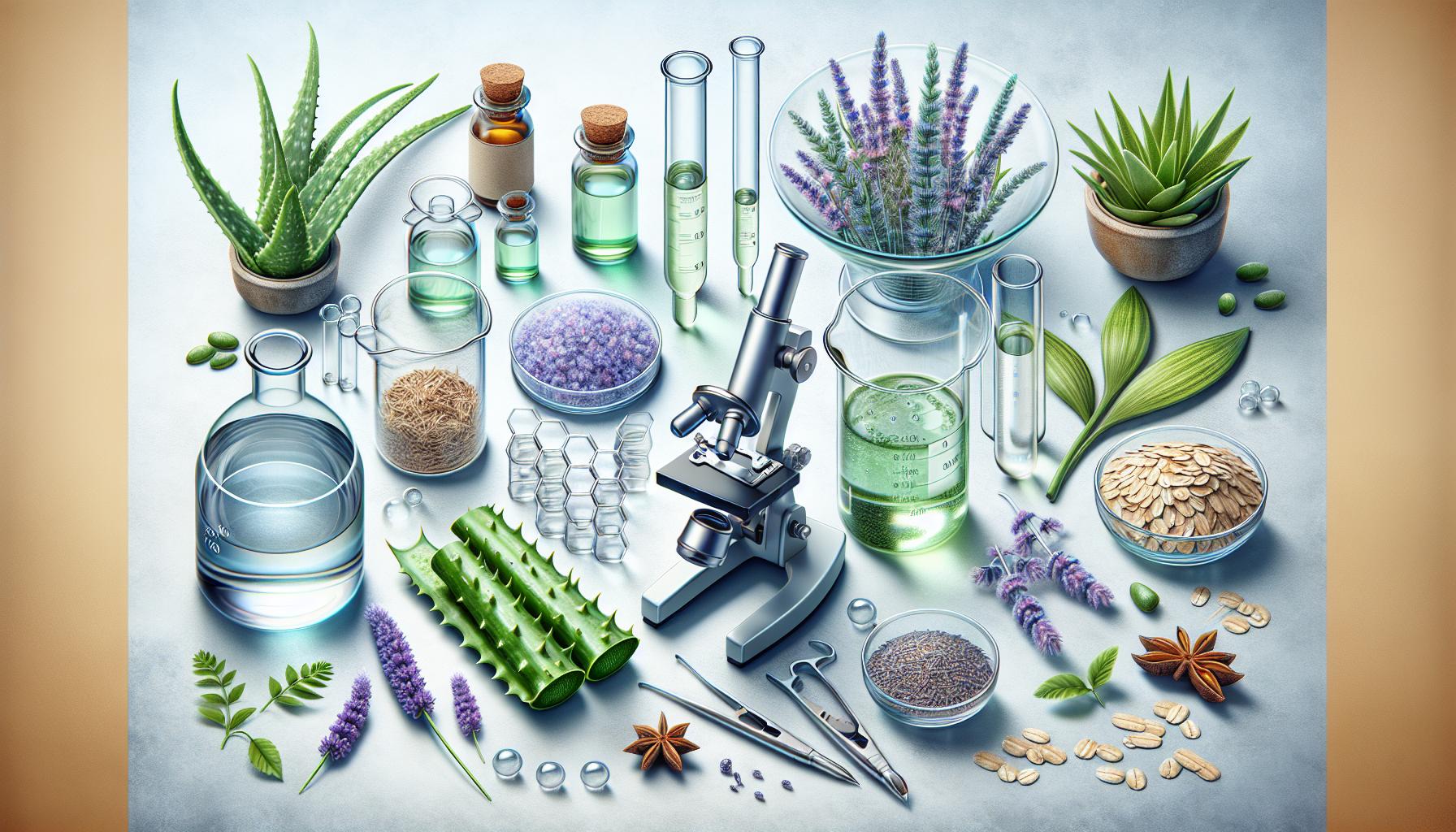
Trends in Cosmetics: The Rise of Natural and Sustainable Ingredients

Transforming Consumer Choices
In today’s marketplace, it’s clear that personal health and environmental sustainability have become paramount. As consumers grow increasingly aware of the components in their beauty products, there is a palpable shift toward formulations that prioritize natural and sustainable ingredients. This trend indicates a broader consciousness about wellness—a desire to not only enhance beauty but also to protect the planet.
Both established brands and newcomers in the cosmetics industry are actively adapting to this paradigm shift. The focus on ingredients has evolved dramatically, guiding consumers to seek products that are:
- Eco-friendly: Ingredients sourced from renewable resources, such as responsibly harvested palm oil or recycled packaging, are now more popular than ever. Brands are adopting sustainable harvesting practices and benefiting from certifications like Fair Trade or USDA Organic, guaranteeing minimal environmental impact.
- Plant-based: The incorporation of botanical ingredients is gaining traction. For instance, products infused with jojoba oil, known for its moisturizer properties, and shea butter, which provides nourishment, are preferred for their effectiveness and compatibility with various skin types. Essential oils derived from plants not only offer delightful fragrances but also therapeutic benefits, such as calming lavender or invigorating peppermint.
- Non-toxic: Shoppers today are increasingly cautious about harmful chemicals. The avoidance of parabens, sulfates, and synthetic fragrances is crucial for many consumers. This demand is leading to the rise of clean beauty brands focused on formulating products that are both effective and safe.
The statistics surrounding sustainable beauty products are indeed impressive. Reports suggest that the market is projected to surpass $20 billion by 2025, a clear indication that consumers are willing to invest in brands that align with their values. Awareness campaigns emphasizing the effects of cosmetic ingredients on health and the environment have driven this surge in conscientious consumerism. As a result, brands are also responding by adopting greater transparency in their operations and ingredient sources.
Key Drivers of the Sustainable Movement
Several factors are propelling this trend. Firstly, social media platforms have become powerful tools for educating consumers. Influencers and activists often highlight brands that celebrate ethical practices, allowing followers to make informed choices. Moreover, growing concerns around issues like plastic pollution and climate change have created a sense of urgency for responsible consumerism.
Additionally, innovations in formulation, such as the use of biotechnological methods to produce sustainable ingredients, are paving the way for even cleaner products. For example, companies are beginning to harness lab-grown alternatives to traditionally harvested ingredients, ensuring minimal environmental disruption while meeting demand.
As we explore this vibrant shift in the cosmetics landscape, consumers have an opportunity to thoughtfully choose brands that reflect their values. By recognizing the importance of clean ingredients, eco-friendly practices, and transparency, they can contribute to a healthier and more sustainable future in beauty. The cosmetics industry isn’t just about looking good; it’s increasingly about feeling good, knowing that purchases support personal wellness and the welfare of our planet.
DISCOVER MORE: Click here for the perfect foundation match
Shifting Values in Beauty Consumption
The rise of natural and sustainable ingredients in cosmetics is not just a fleeting trend; it reflects a fundamental transformation in consumer values and preferences. As millennials and Gen Z, often dubbed the “conscious consumer generation,” take the reins of purchasing power, they are demanding more from their beauty products. They want transparency, ethical sourcing, and ingredients that not only promote their well-being but also protect the environment.
This conscientious shift is evidenced by growing interest in eco-friendly packaging and sustainable brands that prioritize the planet’s health alongside beauty. For example, many companies are opting for biodegradable materials, reducing plastic waste and striving for a circular economy. Notable brands like Ethique and Lush have pioneered this movement, offering solid shampoo bars and refillable containers that minimize environmental impact. Consumers are increasingly recognizing that even small changes in packaging can significantly affect overall sustainability.
Furthermore, the demand for plant-based components in cosmetics has skyrocketed. A survey by the NPD Group revealed that 62% of consumers are inclined to buy products containing natural ingredients. This statistic reflects a shift toward a preference for botanicals, with many skincare lines incorporating superfoods such as aloe vera, green tea, and coconut oil known for their therapeutic properties and benefits for various skin types. The trend has prompted brands to explore indigenous plants that carry beneficial properties, like marula oil and tamarind extract, weaving rich cultural stories into their narratives.
This increasing awareness around ingredient integrity is forming the backbone of the clean beauty movement. With consumers becoming more educated, terms like “clean,” “non-toxic,” and “free from harmful chemicals” are becoming crucial in marketing. The growing ratings platform EWG (Environmental Working Group) provides consumers with valuable insight, allowing them to check the safety of their favorite products easily. This demand for transparency has resulted in brands prioritizing ingredient safety and omitting potentially harmful chemicals such as parabens, artificial colors, and synthetic fragrances.
Market Trends and Innovations
As the consumer landscape evolves, the cosmetic industry is witnessing remarkable innovations. The market for natural and sustainable beauty products is projected to exceed $20 billion by 2025, according to various market research reports. This shift in buying behavior has encouraged brands to innovate using biotechnology, allowing for the development of synthetic alternatives that resemble natural ingredients without harming the environment.
- Lab-grown collagen: Emerging technologies are facilitating the production of collagen in a lab setting, thus eliminating the ethical concerns surrounding animal-derived sources.
- Biofermentation: This process harnesses microorganisms to create potent skincare ingredients from sustainable sources, enhancing efficacy while remaining eco-friendly.
- Waterless formulations: With growing awareness around water scarcity, brands are shifting towards anhydrous (water-free) products, which not only conserve resources but also pack a higher concentration of beneficial ingredients.
As these trends gain momentum, it is evident that the cosmetics industry is more than ever focused on aligning with consumers’ ethical values. By embracing sustainable practices, companies are not only reshaping their brand identities but also paving the way for a more conscious approach to beauty that resonates deeply with the values of today’s shoppers.
As consumers increasingly prioritize health and environmental impact, the cosmetics industry is witnessing an unprecedented shift towards natural and sustainable ingredients. This trend is reshaping product formulations and marketing strategies, compelling brands to adopt transparency and responsibility in their sourcing practices.
The rise of natural ingredients can be attributed to a growing awareness of the chemicals found in conventional cosmetics. With consumers striving for cleaner and greener products, ingredients such as organic oils, plant extracts, and minerals are becoming staples in the beauty arsenal. Brands are now emphasizing the need for safe, biodegradable options that not only enhance beauty but also promote skin health and well-being.
Moreover, the shift towards sustainability is leading to innovative packaging solutions designed to reduce waste. Many companies are adopting recyclable, biodegradable, or refillable options, appealing to the eco-conscious consumer. This approach not only minimizes environmental impact but also positions brands as leaders in sustainability, fostering customer loyalty.
Furthermore, the trend is fuelled by the rise of ethical consumerism. Today’s buyers are informed and concerned about the origins of the products they use. They demand to know if brands adhere to sustainable practices and if their products are cruelty-free. This shift is prompting companies to refine their supply chains and ensure that all components—from raw ingredients to end products—reflect ethical standards.
With these changes, the cosmetics landscape is evolving. Brands that embrace this trend and invest in natural and sustainable ingredients are not merely following a fad; they are setting the stage for a future where beauty and sustainability coexist harmoniously. This not only captures the attention of a growing demographic of environmentally aware consumers but also opens avenues for innovation and growth within the industry.
| Category 1 | Category 2 |
|---|---|
| Natural Ingredients | Organic oils and plant extracts that enhance beauty while benefiting skin health. |
| Sustainability | Innovative packaging solutions that prioritize recyclability and minimize environmental impact. |
DISCOVER MORE: Click here to explore the latest trends
Consumer Education and Influencer Impact
The surge in natural and sustainable ingredients in cosmetics has gone hand in hand with the growing importance of consumer education and the influence of social media. Today, beauty enthusiasts are more informed about what goes into their products, thanks in large part to the internet and the power of influencers. This democratization of information enables consumers to research ingredients and verify claims, fostering a more discerning mindset towards beauty purchases.
Platforms like Instagram and TikTok serve as breeding grounds for beauty influencers who advocate for clean beauty. They share personal narratives, product reviews, and even DIY recipes, encouraging audience engagement and cultural dialogues about sustainability. Influencers such as Safiya Nygaard and Glamzilla highlight the importance of natural ingredients while showcasing their effectiveness. The hashtags #CleanBeauty and #ZeroWaste are flourishing, helping consumers navigate the overwhelming choice of products while holding brands accountable.
The overwhelming demand for authenticity has prompted brands to collaborate with influencers who prioritize transparency. In response, brands are providing ample information on sourcing, extraction methods, and production practices. This trend is not just about marketing; it positions brands as partners in consumers’ wellness journeys, creating a community that values ethical consumption as part of leading a balanced lifestyle.
Certifications and Standards
As the natural cosmetics industry grows, so does the number of certifications and standards aimed at guiding consumers and companies alike. Certifications such as USDA Organic, Leaping Bunny (cruelty-free), and EcoCert carry significant weight, offering consumers assurance of a product’s authenticity. These badges signal trust and integrity, helping consumers make informed decisions aligned with their values.
- USDA Organic: Indicates that a product contains at least 95% organic ingredients, ensuring adherence to strict federal regulations.
- Leaping Bunny: Certifies that no animal testing was involved in any phase of product development, appealing to the increasing number of consumers concerned about animal welfare.
- EcoCert: Sets a standard for natural and organic cosmetics, emphasizing the importance of sustainable farming and responsible resource management.
Such certifications elevate the discourse around sustainability in cosmetics, influencing consumer choice and compelling brands to maintain high ethical standards. This creates an environment where informed customers can confidently support brands that prioritize both quality and environmental stewardship.
Retail Revolution: E-commerce and Subscription Models
The retail landscape is undergoing a transformation that complements the rise of natural and sustainable beauty products. E-commerce websites and subscription services focusing on clean beauty enhance accessibility. Platforms like Thrive Market and FabFitFun curate selections of natural products, allowing consumers to discover new brands and ingredients conveniently.
Additionally, many traditional retailers are dedicating sections of their stores to clean beauty, showcasing natural alternatives for shoppers. A notable example is Sephora, which now features a clean beauty category that includes products with transparent ingredient lists and ethical sourcing. These retail innovations not only meet consumer demand but also help educate shoppers about the benefits of natural ingredients.
As the beauty industry adapts to consumer expectations consistently, the future of cosmetics is likely to be defined by innovation and sustainability. By embracing the shift towards natural and sustainable ingredients, the industry creates a more holistic approach to beauty that respects both the consumer and the planet.
LEARN MORE: Click here to discover the magic of natural ingredients
Conclusion: A New Era of Beauty Standards
The rise of natural and sustainable ingredients in the cosmetics industry marks a significant shift towards a more conscious approach to beauty. As consumers become increasingly aware of the impact of their choices on both personal health and the environment, brands are responding by reformulating products with ethically sourced, natural components. This trend is not just a passing phase; it represents a deeper commitment to sustainability, transparency, and consumer empowerment.
Additionally, the influence of social media and the demand for authenticity have revolutionized how consumers engage with beauty brands. The proliferation of customer reviews, educational content, and influencer endorsements has fostered an informed consumer base that prioritizes ethical standards. Brands that embrace this evolving landscape, driven by certifications like USDA Organic and Leaping Bunny, are more likely to build trust and loyalty among shoppers.
Furthermore, the ongoing retail revolution, powered by e-commerce and subscription models, facilitates accessibility to clean beauty products. As consumers seek convenience without sacrificing quality, platforms specializing in natural products are playing a pivotal role in shaping their beauty routines. The future of cosmetics lies at the intersection of innovation and sustainability, where every choice is a step towards a more harmonious relationship with our planet.
Ultimately, the conversation around sustainable cosmetics continues to grow, inviting consumers to participate actively. Embracing this trend not only enhances personal beauty but also contributes to a collective effort to protect our environment. By choosing products that align with their values, consumers are redefining beauty standards for the better.