The Impact of Stress on the Skin: Anti-Aging Strategies for Emotional Well-Being
The Impact of Stress on Skin Health: An In-Depth Exploration
The health of our skin is often indicative of our overall well-being, acting as a canvas that reveals the hidden layers of our emotional and physical states. One of the most influential factors affecting skin health is stress. When stress levels rise, the implications for our skin can be profound, leading to a plethora of skin issues, ranging from dullness to severe breakouts. Thus, recognizing and understanding the intricate relationship between stress and skin health becomes essential for anyone looking to improve their complexion.
How Stress Influences the Skin
The body’s response to stress triggers a cascade of hormonal changes. Primarily, when we are stressed, our body produces elevated levels of cortisol, a hormone known for its effects on various bodily systems, including the integumentary system. The consequences of these hormonal fluctuations can manifest as:
- Premature aging: Cortisol has been shown to break down collagen and elastin, two proteins fundamental to maintaining skin’s elasticity and firmness. This deterioration accelerates the formation of wrinkles and fine lines, leading to a more aged appearance than one’s chronological age might suggest.
- Acne flare-ups: Stress is a notorious trigger for hormonal changes, particularly in women. This can lead to an increase in oil production and clogged pores, resulting in more frequent and intense acne breakouts. Furthermore, stress can cause inflammation, further exacerbating these conditions.
- Dryness and sensitivity: Chronic stress can compromise the skin barrier, which is essential for keeping moisture in and harmful agents out. The result is often a cycle of dryness and heightened skin sensitivity, leading to conditions like eczema or rosacea.
Proactive Measures for Anti-Aging and Skin Wellness
It’s clear that to combat the adverse effects of stress on our skin, we must adopt a holistic approach that encompasses emotional and physical health. Some effective strategies include:
- Meditation and mindfulness: Research has shown that practices such as meditation can significantly reduce stress levels. Mindfulness exercises allow individuals to focus their thoughts, leading to reduced anxiety and, by extension, healthier skin. Simple practices like deep-breathing techniques or guided imagery can lead to noticeable improvements over time.
- Regular exercise: Physical activity is not only beneficial for overall health but also promotes skin health by enhancing circulation. Increased blood flow delivers oxygen and nutrients to the skin, aiding in its repair and maintaining a vibrant appearance. Activities such as yoga can also combine physical movement with mindfulness, further alleviating stress.
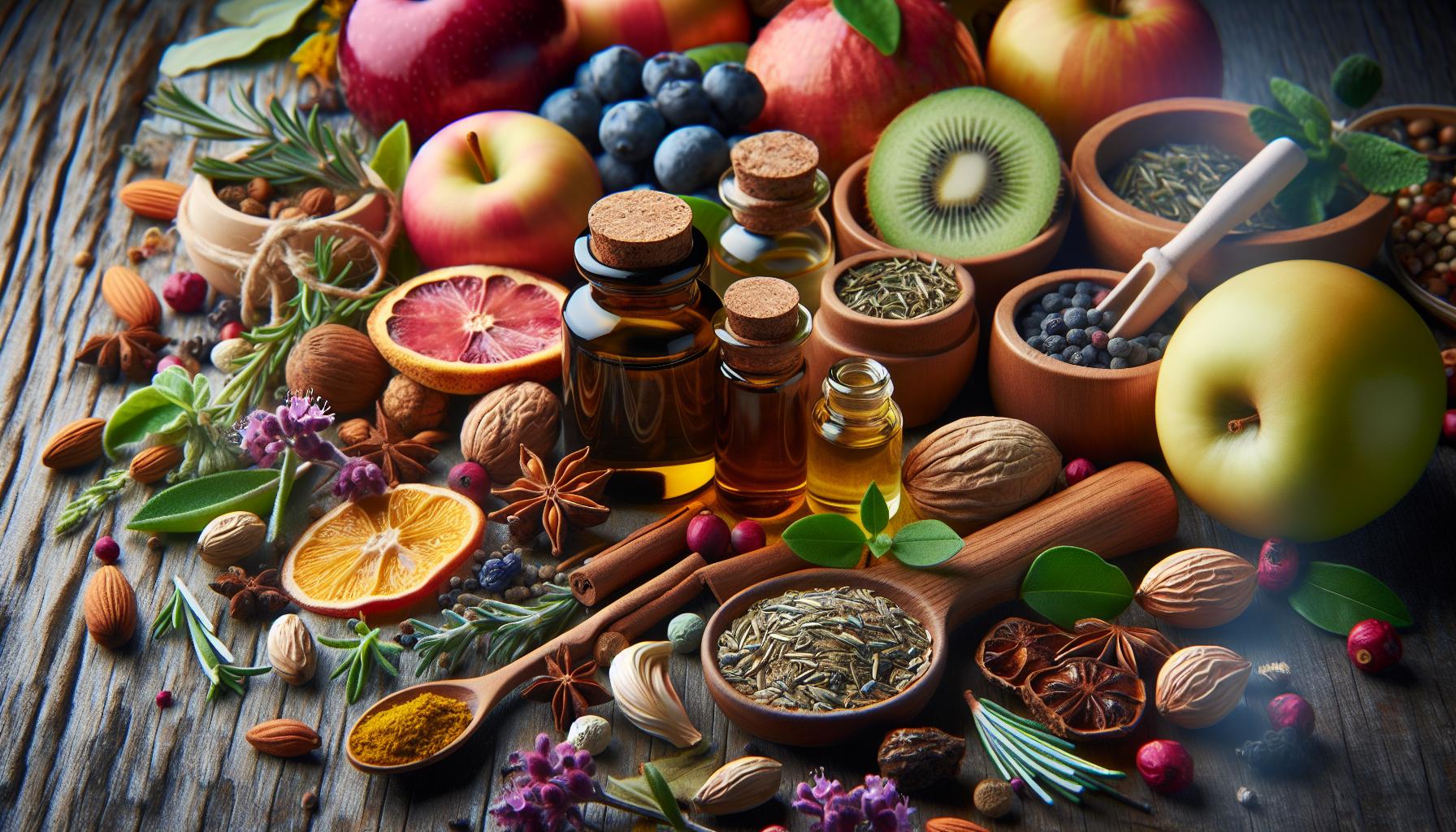
- Balanced nutrition: A diet packed with antioxidants—found in fruits like berries and vegetables such as spinach—can help combat oxidative stress, which contributes to skin aging. Additionally, omega-3 fatty acids found in fish can aid in maintaining skin hydration and reducing inflammation.
By integrating these strategies into daily life, individuals can unveil the secrets to achieving healthier, youthful skin while simultaneously fostering emotional resilience. Recognizing the profound connection between stress and skin health encourages a more balanced approach to skincare that prioritizes not just surface appearance, but overall well-being.
DISCOVER MORE: Click here for insights on skincare routines
Stress and Its Impact on Skin Health
The intricate relationship between stress and skin health has become a focal point of study and discussion, particularly as modern lifestyles increase the prevalence of stress-related skin issues. As a visible representation of our emotional state, the skin can reveal much about our inner feelings and overall health. Understanding the various ways that stress can affect our skin not only aids in addressing cosmetic concerns but also promotes holistic well-being.
How Stress Affects the Skin
When faced with challenges, the body can enter a fight-or-flight mode, activating the sympathetic nervous system. This reaction triggers the release of stress hormones, primarily cortisol and adrenaline. While this response can be beneficial in the short term, chronic exposure to stress can have detrimental effects on the skin. Here are some of the most significant ways in which stress reveals itself physically:
- Elevated Cortisol Levels: Continuous elevation of cortisol can deplete vital proteins like collagen and elastin, which are essential for maintaining skin elasticity and firmness. As these levels remain high, the skin may begin to sag and form premature wrinkles. This aging effect can be particularly concerning in a culture that often values youthful appearances, prompting individuals to seek out expensive skincare products that may not address the root cause.
- Impaired Immune Response: Prolonged stress can weaken the immune response, leading to an increase in skin irritations such as acne, eczema, and rosacea. Research has shown that individuals undergoing high stress often experience greater flare-ups, indicating a direct connection between emotional state and skin conditions. This brings to light the importance of managing stress as part of skincare routines.
- Increased Oil Production: The relationship between stress and the body’s oil production is particularly relevant for people prone to acne. Elevated levels of androgens during stressful periods can cause sebaceous glands to produce more oil. This excess oil, combined with inflammation due to stress, can create the perfect breeding ground for acne breakouts, leading to a vicious cycle of stress and skin issues.
- Skin Sensitivity: The skin can react adversely to stress, increasing its sensitivity. People’s skin, once tolerant to certain products, may suddenly become reactive, resulting in rashes or irritation. This heightened sensitivity can complicate skincare regimens, leaving individuals feeling frustrated and helpless.
Strategies for Mitigating Stress and Promoting Skin Health
Recognizing the profound impacts of stress on our skin underscores the importance of integrating both psychological and physical strategies for stress management. Developing a comprehensive approach to skincare that encompasses mental, emotional, and physical well-being is crucial. Here are some effective techniques:
- Mindfulness and Meditation: Regular mindfulness practices such as yoga or meditation can significantly reduce stress levels, contributing to improved skin health.
- Regular Exercise: Physical activity is an excellent way to alleviate stress and promote overall wellness. It increases blood flow, transporting essential nutrients to the skin while also helping to regulate hormones.
- Healthy Diet: Consuming a balanced diet rich in antioxidants, vitamins, and minerals can enhance skin resilience, making it more adept at coping with stress-driven challenges. Foods like berries, leafy greens, and fatty fish are known to be particularly beneficial for skin health.
- Skincare Routine Adjustments: Paying attention to your skincare routine can make a substantial difference. Opt for gentle, calming products that are suitable for sensitive skin to prevent adverse reactions.
By examining these factors and implementing practical strategies, individuals can rejuvenate not only their skin but also their emotional and mental well-being. Such a holistic approach will undoubtedly lead to healthier, more vibrant skin while reducing the adverse effects of stress.
The Role of Stress in Skin Aging
Stress is a significant factor in the aging of skin, often leading to a plethora of dermatological issues. When the body is under stress, it produces higher levels of cortisol, a hormone that can lead to inflammation and the breakdown of collagen, the protein responsible for skin elasticity and firmness. This process accelerates the formation of wrinkles and fine lines, contributing to an aged appearance.
Moreover, stress can exacerbate existing skin conditions such as acne, rosacea, and eczema. The fight-or-flight response triggered by stress causes blood vessels to constrict and affects skin hydration. Consequently, this imbalance can lead to skin that appears dull and lifeless. Addressing stress not only enhances emotional well-being but simultaneously promotes healthier skin.
Anti-Aging Strategies to Combat Stress-Related Skin Issues
Incorporating effective strategies can significantly enhance skin resilience against stress. Here are several techniques worth exploring:
- Meditation and Mindfulness: Regular practice helps lower cortisol levels, thereby improving skin conditions by promoting relaxation.
- Exercise: Physical activity increases blood circulation and can aid in reducing stress while allowing skin to achieve a healthy glow.
- Proper Skin Care Regimens: Utilizing products with anti-inflammatory ingredients such as Vitamin C and hyaluronic acid can protect the skin from stress-related damage.
- Nutrition: A balanced diet rich in antioxidants can help combat oxidative stress, essential for maintaining youthful-looking skin.
By understanding the deep connections between emotional well-being and skin health, individuals can take proactive steps toward achieving a vibrant, youthful complexion, regardless of the stressors around them.
DISCOVER MORE: Click here to learn how sustainability is shaping cosmetics
Innovative Treatments and Lifestyle Changes for Skin Resilience
As our understanding of the impact of stress on skin health deepens, innovative treatments and lifestyle changes continue to emerge. Addressing stress-related skin issues requires a multifaceted approach that incorporates both targeted therapies and daily habits. Below are some cutting-edge treatments and actionable lifestyle changes that can enhance skin resilience and promote emotional well-being.
Harnessing Technology and Innovative Treatments
With advancements in dermatological science, various treatments have been developed that cater specifically to stress-induced skin issues. Laser therapy, for example, has gained traction as a robust solution for rejuvenating the skin. It works by stimulating collagen production, helping to plump up fine lines and wrinkles exacerbated by stress. Options such as fractional CO2 laser or Erbium laser treatments can significantly improve skin texture and tightness while enhancing overall complexion.
Additionally, injectables like Botox and dermal fillers are increasingly popular for those seeking immediate results. While they primarily address fine lines and sagging, they also serve as a confidence booster, offering psychological benefits that can counteract the effects of stress. These techniques require careful consideration and should be conducted by a qualified professional to ensure safety and effectiveness.
Moreover, emerging treatments like microneedling have shown promise in reducing the effects of stress on the skin. This technique uses tiny needles to create micro-injuries in the skin, prompting natural healing processes that enhance collagen production. With minimal downtime, many individuals have found microneedling to be a useful addition to their skincare regimen, particularly for stress-related skin aging.
Lifestyle Changes for Lasting Skin Health
Beyond clinical treatments, embracing lifestyle changes can have profound effects on both skin health and stress management. Establishing a consistent sleep routine is crucial, as inadequate rest can exacerbate stress and contribute to skin problems such as dark circles and a lackluster complexion. Aim for 7-9 hours of quality sleep each night, and consider incorporating bedtime rituals such as reading or deep breathing exercises to improve overall sleep quality.
Another essential aspect is hydration. Maintaining adequate hydration not only helps to flush out toxins but also supports skin elasticity and moisture levels. Incorporate skin-supportive, hydrating foods like cucumbers, watermelon, and orange juice into your diet for a refreshing boost.
In the realm of skincare, embracing the trend of clean beauty can also make a difference. Many conventional products contain harsh chemicals that can further irritate stressed skin. Opt for natural, hypoallergenic products that nourish and repair the skin barrier. Look for ingredients such as hyaluronic acid, which hydrates and plumps the skin, or niacinamide, known for its calming and barrier-protecting benefits.
The Role of Professional Guidance
For those struggling with severe stress-related skin issues, seeking the guidance of a licensed psychologist or therapist should not be overlooked. Mental health professionals can provide coping strategies and tools for managing stress, which in turn can positively influence skin health. Integrating dermatological care with regular mental health support can lead to improved outcomes, creating an interconnected loop of wellness.
As stress continues to be an underlying factor influencing skin health, utilizing both innovative treatments and proactive lifestyle changes can help individuals reclaim their skin’s vibrancy while simultaneously enhancing their emotional well-being. Recognizing this interplay is the first step in building a resilient and healthier life.
DISCOVER MORE: Click here to elevate your portrait game
Conclusion: Embracing a Holistic Approach to Skin Health
The connection between stress and skin health is increasingly recognized in both dermatology and mental health fields. Stress not only accelerates aging but also compromises the skin’s natural protective barriers, leading to a myriad of visible issues. This interplay emphasizes the need for a comprehensive approach encompassing both innovative treatments and lifestyle changes.
As we’ve explored, methods such as laser therapy, microneedling, and injectables can provide immediate aesthetic benefits, helping to bolster self-esteem and emotional well-being. However, the importance of adopting a balanced lifestyle cannot be overstated. Prioritizing hydration, establishing healthy sleep schedules, and embracing clean beauty practices can significantly improve skin resilience. Furthermore, integrating mental health support with these practices ensures individuals can manage stress actively and holistically.
Moving forward, it is essential for individuals to recognize that caring for their skin is more than a cosmetic endeavor; it is a vital component of overall health and emotional well-being. Embracing this holistic model allows for a nuanced understanding of how stress impacts skin aging, prompting action that is both restorative and nurturing. By investing in both skin health and emotional resilience, one can achieve not only a more youthful appearance but also a more fulfilling life. Discovering this balance can lead you down a path of lasting vibrance—inside and out.