The Art of Contouring: Techniques to Sculpt Your Face

Understanding Contouring
Contouring is a transformative makeup technique that can redefine and enhance your facial structure. Although often associated with high-profile beauty influencers on platforms like Instagram and TikTok, contouring has long been a fashion staple in the beauty industry, with roots that trace back to the theatrical makeup used in movies and theater. This technique doesn’t merely serve as a trend; it offers a unique way for individuals to express themselves and boost their confidence through makeup.
Definition
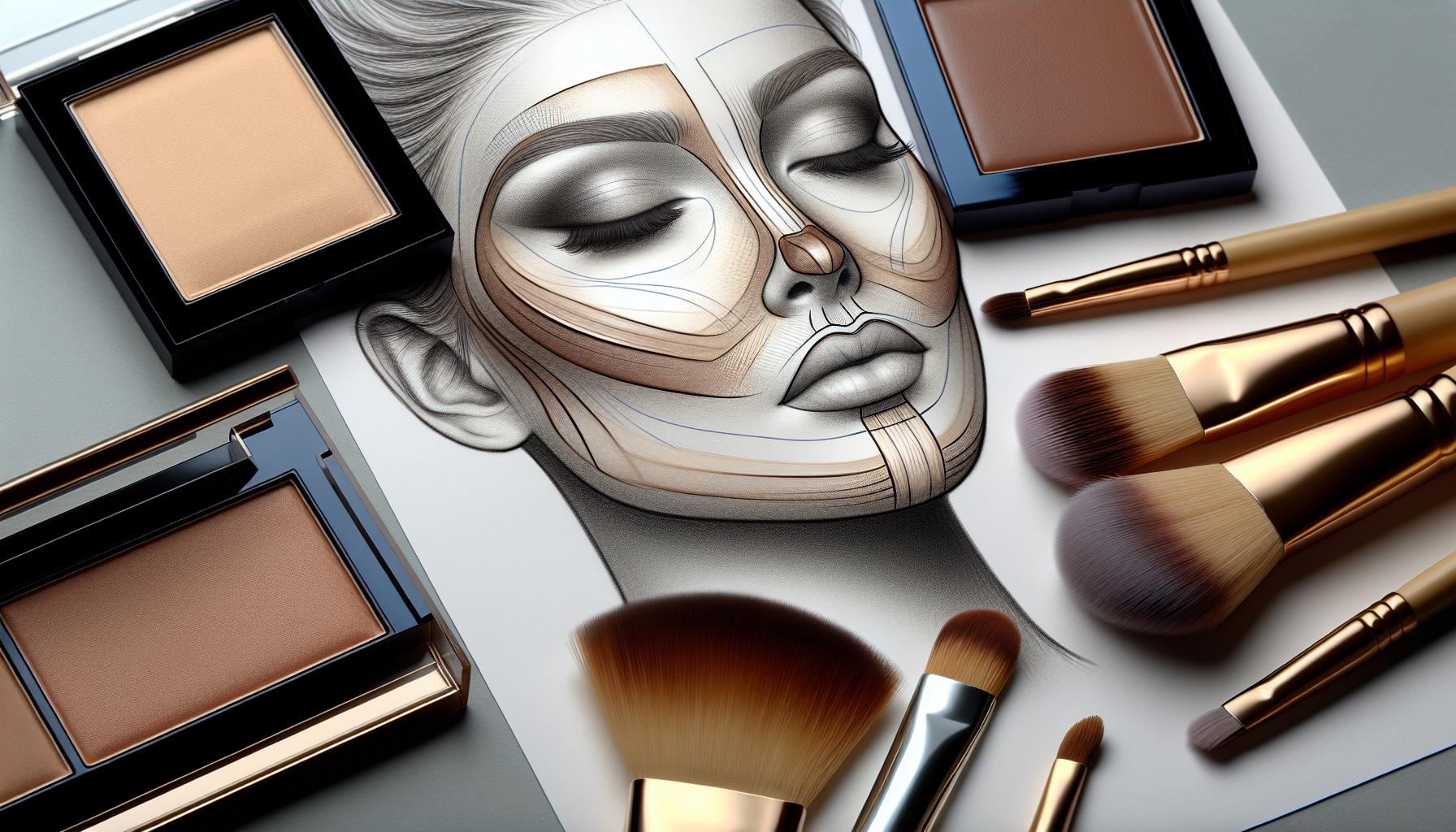
At its core, contouring involves using makeup products to create an illusion of depth and dimension on the face, enhancing natural features while creating shadows in strategic areas. By darkening certain parts and highlighting others, you can sculpt your face to emphasize your cheekbones, slim your nose, or even soften your jawline. This multidimensional approach draws attention to your best features while balancing your overall look.
Key Tools
To achieve a stunning contour, having the right tools is essential. Key items include:
- Brushes: A variety of brushes such as angled brushes for the cheekbones and blending brushes for a seamless finish are crucial.
- Sponges: Makeup sponges help in blending products smoothly into the skin, especially around edges, ensuring a natural look.
- Specific Contour Products: These come in various formulations—creams, powders, and sticks—each suitable for different skin types and desired looks. Cream contours are ideal for a dewy finish, while powder contours work well for oily skin.
Target Areas
When it comes to contouring, certain areas of the face are prime targets for definition. Focus on:
- Cheekbones: Applying a darker shade just below the cheekbone and a highlighter on the top creates a sculpted effect.
- Jawline: Contouring the jawline can give a sharper appearance and enhance the chin.
- Nose: A subtle contour on either side of the nose can help it appear narrower or straighter.
- Forehead: Light contour on the edges of the forehead can create the illusion of a smaller face, adjusting the proportion for balance.
Learning the techniques of contouring allows you to tailor your makeup routine to suit your unique face shape and desired aesthetic. With practice, even beginners can achieve a professional finish, transforming their makeup game whether for daily wear or special occasions. The transformative power of contouring can significantly influence both personal perception and how you are viewed by others.
Stay tuned as we demystify this captivating art form, detailing practical steps and expert advice to help you master the perfect contour. Elevate your makeup skills, and prepare to shine in every light with confidence and flair.
DISCOVER MORE: Click here to learn how natural ingredients are reshaping beauty
Contouring Techniques: A Step-by-Step Guide
Once you grasp the fundamentals of contouring and have gathered the appropriate tools, diving into the actual application is where the magic begins. Mastering the art of contouring requires practice, patience, and a willingness to experiment. Key techniques can help you achieve a beautifully sculpted look, allowing your skills to grow along with your confidence.
The Classic Contour Method
The classic contour method is straightforward yet highly effective. It relies on the careful application of darker and lighter shades to create the elusive chiaroscuro effect that professional makeup artists have employed for decades. Here’s a practical step-by-step guide:
- Prep Your Canvas: Begin with a clean and moisturized face. Applying a primer will help your contour blend seamlessly into your skin.
- Choose Your Contour Shades: Select a contour shade that is two shades darker than your natural skin tone and a highlighter that is one to two shades lighter.
- Application: Using your angled brush or sponge, apply the darker contour shade:
- Underneath your cheekbones, blending upward towards the temples.
- Along the sides of your nose for a more defined look.
- Along your jawline, making sure to blend toward your neck for a natural transition.
- On the top of your forehead around the hairline to create a smaller appearance.
- Highlight: Next, apply the lighter highlighter to the high points of your face, including:
- Above the cheekbones, to enhance your facial structure.
- The bridge of your nose for a lifted appearance.
- Your brow bone, to draw attention to your eyes.
- Cupid’s bow for a fuller lip effect.
- Blend, Blend, Blend: The key to achieving a flawless finish is thorough blending. Use a clean makeup sponge or blending brush to ensure there are no harsh lines between the contour and highlight.
Tips for Different Face Shapes
One of the most intriguing aspects of contouring is its customization potential based on face shape. Understanding your facial structure can transform your makeup routine. Here are some tips tailored to specific face shapes:
- Round Faces: Contouring the sides of your cheeks and the jawline can create a more oval appearance. Focus on highlighting the center of the forehead to balance the proportions.
- Square Faces: Soften the angles by contouring around the jawline and enhancing the cheekbones. Highlighting the center of the forehead can also help draw attention away from the jawline.
- Heart-Shaped Faces: Contour along the hairline and the sides of the forehead, while highlighting the jawline to create harmony.
- Oval Faces: This shape is naturally balanced, but a bit of contouring on the sides of the forehead and jaw can add dimension.
Employing these techniques and tips, you can sculpt your face in ways that enhance your unique features. Remember, the key to successful contouring lies in practice and finding what works best for you. As you develop your skills, you’ll discover that contouring isn’t just about the makeup; it’s about celebrating your individuality and expressing your style.
The Art of Contouring: Techniques to Sculpt Your Face
Contouring has transformed the beauty world, allowing individuals to achieve jaw-dropping dimensions through clever makeup application. In understanding the various techniques, it’s essential to explore how to create shadows and highlights to sculpt your face artfully. This section delves into key methods, tools, and tips that can elevate your contouring skills, ensuring you master this art.
Essential Tools for Contouring
The right tools can make all the difference in achieving a flawless contour. Here are the primary instruments you should consider:
- Brushes: Utilizing a variety of brushes is crucial. A fluffy brush works well for larger areas, while a smaller, more precise brush is ideal for detailed areas like the nose.
- Beauty Blenders: These sponges can help to blend powders and creams seamlessly into the skin, ensuring an even finish.
- Contouring Palettes: Choose palettes specifically designed for contouring which offer shades tailored to your skin tone, including matte and shimmer options.
Contouring Techniques
Understanding the various techniques will elevate your contouring game. Here are key methods to implement:
- Classic Contour: This method involves applying a darker shade beneath the cheekbones, along the jawline, and on the sides of the nose for a more defined structure.
- Reverse Contouring: This innovative technique starts by highlighting the high points of your face before contouring, offering a soft, dimensional finish that looks less harsh.
- Softening Harsh Lines: Expertly blending is vital; avoid stark lines by using a lighter hand or a damp beauty blender to achieve a naturally sculpted appearance.
Mastering these techniques requires practice and patience, but the results are undoubtedly worth the effort. Experiment with different products, explore tutorials, and soon you’ll discover how to flatter your unique face shape through contouring.
| Category | Description |
|---|---|
| Enhances Features | Contouring helps define cheekbones and jawlines, enhancing one’s natural structure. |
| Creates Dimension | Gives a three-dimensional look to the face, notably benefiting photography and makeup looks. |
With dedicated practice, you can achieve sculpted perfection that fits your lifestyle and skin type, boosting your confidence and enhancing your beauty routine. Dive deeper into this transformative art, as the potential for self-expression is limitless in the world of contouring.
DON’T MISS: Click here to learn about hydration and skin aging
Advanced Contouring Techniques for a Professional Finish
Once you have mastered the classic contour method and personalized techniques for your face shape, it’s time to explore advanced contouring techniques that can elevate your makeup game. Understanding these additional strategies allows for a more polished finish and provides room for creativity. With the right approach, you can achieve a look that rivals that of the professionals.
Strobing: The Luminous Alternative
Strobing is a technique that focuses solely on highlighting rather than contouring. This method is ideal for those who prefer a glowing, sun-kissed look over defined shadows. Here’s how to incorporate strobing into your makeup routine:
- Choose the Right Products: Opt for liquid or cream highlighters for a luminous finish. Popular choices include pearl or champagne tones that work across various skin tones.
- Highlight Strategically: Apply the highlighter to the high points of your face—namely the tops of your cheekbones, brow bones, and the bridge of your nose. For additional glow, add a touch to the center of your eyelids and the high points of your collarbones.
- Blend with a Light Hand: Use your fingers or a damp sponge to blend in the highlighter, ensuring it melds smoothly into your skin for that ethereal glow.
Reverse Contouring: A New Trend
As makeup trends evolve, reverse contouring has emerged as a unique alternative to traditional techniques. This modern approach flips the script by applying a lighter foundation or concealer where you typically place your contours. Here’s how to try reverse contouring:
- Initial Foundation Application: Start by applying your foundation as usual, ensuring a smooth and even base.
- Apply the Concealer: Use a high-coverage concealer that is one to two shades lighter than your foundation and apply it under your eyes, down the bridge of your nose, on your chin, and along the center of your forehead.
- Blend Everything Seamlessly: Blend these lighter areas with a damp sponge for an even finish before setting them with a translucent powder.
Color Correction Techniques
Color correction can play an integral role in contouring, especially when dealing with specific skin concerns. Utilizing complementary colors can neutralize unwanted tones before contouring begins:
- Green for Redness: If you have redness from blemishes or rosacea, use a green color corrector before foundation in those areas to neutralize the redness.
- Peach/Orange for Dark Circles: For under-eye circles, particularly in darker skin tones, applying a peach or orange hue can counteract bluish tones, creating a more uniform base.
- Yellow for Brightening: A yellow corrector can be utilized to brighten up dull areas of the skin, creating a fresh canvas for contouring.
Integrating these advanced techniques into your contouring routine can vary your looks while enhancing your natural beauty. Whether you choose to embrace the delicate glow of strobing or experiment with color correction, the opportunities are endless. Make sure to practice these methods and remain updated on evolving trends, ultimately discovering which techniques provide you with the most satisfying results.
Dive Deeper: Click here to discover the latest trends
Conclusion
The world of makeup is a realm of endless possibilities, and mastering the art of contouring is essential for anyone looking to enhance their natural beauty. As we have explored, contouring involves much more than simply applying dark and light shades to your face; it encompasses a variety of techniques that can be tailored to suit your unique features and skin tone. Whether you opt for traditional contouring, the luminous allure of strobing, or the innovative approach of reverse contouring, finding what works best for you is key to achieving a flawless look.
Moreover, the integration of color correction techniques further amplifies your ability to sculpt and perfect your complexion. These methods allow you to address specific skin concerns, setting a solid foundation before contouring takes place. As the beauty industry continues to evolve, embracing these advancements and experimenting with different products will only expand your makeup repertoire.
Ultimately, the journey of contouring is as much about self-discovery as it is about makeup application. With practice, patience, and an open mind, you can unlock your artistic potential and transform your face into a canvas of stunning dimensions. So, gather your tools and experiment with these techniques, continually honing your skills. The art of contouring awaits, and with each application, you can reveal the most confident version of yourself.