The Influence of Social Media on Nutrition Choices and Eating Habits
The Transformative Role of Social Media in Shaping Nutrition
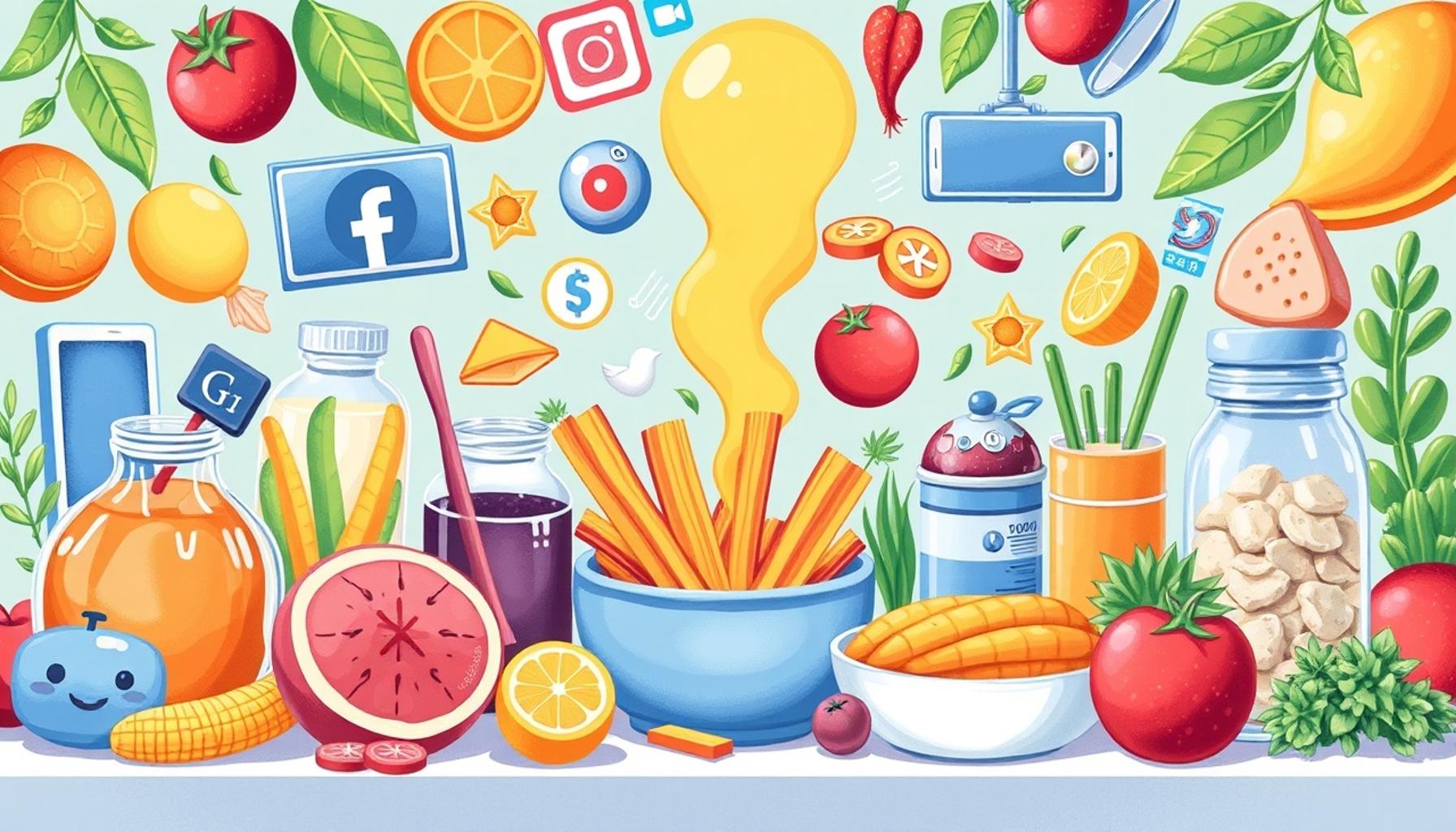
The way we perceive and engage with food has undergone remarkable changes thanks to the widespread influence of social media. Platforms such as Instagram, Facebook, and TikTok have become pivotal in defining dietary trends and influencing our eating habits. In a world where attention spans are short and visually appealing content reigns supreme, these social networks have effectively reshaped our understanding of nutrition.
Social media influences our nutritional decisions in a multitude of compelling ways:
- Influencer Marketing: Many celebrities, nutritionists, and wellness gurus leverage their platforms to promote specific diets, supplements, and products that are often labeled as “superfoods.” For example, influencers might showcase their morning routine featuring a green smoothie, prompting their followers to view such a dietary choice as aspirational. This kind of exposure can skew perceptions about what constitutes healthy eating, making products with little scientific backing seem appealing based merely on celebrity association.
- Visual Appeal: Vibrant food photography has indeed changed how we think about meals. The aesthetic presentation of dishes on platforms like Instagram encourages users to experiment with their cooking and eating habits. This trend has given rise to a culture of sharing “foodstagrams,” where beautifully arranged meals become worthy of documentation and sharing. Such visual stimuli not only ignite creativity in the kitchen but also lead to increased plant-based eating, as colorful fruits and vegetables often steal the spotlight.
- Community Engagement: Social media builds community among users who share similar health goals, allowing for the exchange of recipes, tips, and personal stories surrounding dietary changes. Hashtag groups, such as #Whole30 or #Keto, unite individuals around specific diets, motivating them to stay on track while providing a support network. This connectivity can be powerful, especially for individuals seeking encouragement or accountability in their nutritional journeys.
Moreover, several studies have illuminated the connection between social media usage and dietary habits. For instance, a survey indicated that nearly 70% of teenagers reported shifting towards healthier meals after following diet-centric accounts. This shift showcases the profound impact of influencers and curated content on even younger demographics who are more susceptible to digital trends.
As we delve deeper into the relationship between social media and nutrition, it raises an important inquiry: to what extent does digital influence shape our dietary choices? Each post, tweet, or viral recipe prompts us to reconsider our food choices and understand their implications for our overall wellness. With the continuous evolution of these platforms, the conversation around nutrition will only become richer and more complex, inviting further investigation into how these influences affect our eating behaviors long-term.
The Ripple Effect of Visual Content on Eating Behaviors
As social media becomes increasingly intertwined with our daily lives, the way we approach our meals is also transforming. The visual nature of platforms like Instagram and TikTok not only entertains but also educates followers about nutrition in a way that traditional media never quite achieved. Users are bombarded with endless streams of colorful, enticing food images that drive cravings and influence meal prep decisions. It’s a phenomenon that raises questions about how much of our nutritional choices are genuinely personal and how much are swayed by the content we consume online.
A significant factor influencing healthy eating choices is the concept of social proof. When users see their peers or admired influencers posting about certain dietary practices, it inherently creates a perception of normality and desirability. For example, if someone follows a popular vegan chef who shares innovative plant-based recipes, they may feel compelled to explore veganism themselves. This phenomenon can create fluctuations in dietary trends, particularly among younger audiences who are more likely to conform to peer followings and social validation.
- User-Generated Content: The rise of user-generated content has proven to be a double-edged sword. While it allows individuals to share their successes and failures in their dietary journeys, it can also perpetuate misinformation. Posts featuring extreme diets or unrealistic body images can lead to unhealthy attitudes towards food, making it essential for users to critically evaluate the sources of their dietary inspiration.
- Virality of Trends: Fad diets can gain traction rapidly through social media. The #KetoDiet, for example, became a viral sensation with platforms showcasing its supposed benefits. However, while many may find short-term success, the sustainability and health consequences of such diets often remain under-discussed, leading to potential long-term negative impacts on users’ health.
- Impact of Food Challenges: Challenges like the “30-Day Healthy Eating Challenge” or viral smoothie bowl tutorials promote increased engagement and motivation. While these initiatives can foster community and spur individuals to try healthier options, they can also create pressure to conform to diverse standards that may risk nutritional balance.
Highlighting the widespread influence of social media on dietary practices, a recent study indicated that approximately 40% of adults surveyed reported altering their eating habits based on social media content. The convergence of personal beliefs and social trends raises a fundamental query about the authenticity of our culinary choices. Are we driven by genuine desires to pursue healthier lifestyles, or merely following the latest trends promoted through curated online narratives?
As we scrutinize the implications of social media on our nutrition choices, it unravels the complexity of modern dietary habits. The avatars we follow, the recipes we recreate, and the ideologies we embrace all shape our relationship with food. With social media here to stay, its potential to influence our eating habits will likely evolve, prompting individuals to develop a more discerning approach to what they consume—both on their plates and on their screens.
| Advantage | Description |
|---|---|
| Increased Awareness | Social media platforms raise awareness about various diets and health trends, making it easier for users to discover nutritious meals. |
| Community Support | Users can find supportive communities that encourage healthy eating habits and exchange recipes, which can motivate better nutrition choices. |
| Influencer Impact | With the rise of health influencers, many users are inspired by their content, leading them to try new, healthy recipes or dietary lifestyles. |
| Information Accessibility | Information on nutrition is readily accessible, empowering people to make informed decisions about their eating habits based on trending diets. |
Community Dynamics and Eating Habits
Alongside the visual allure of food content, social media also nurtures community dynamics that significantly shape nutritional choices. Platforms such as Facebook, Reddit, and diet-specific forums foster communal engagement and discussion around food, creating a collective ethos that influences individuals’ dietary decisions. The sense of belonging and support within these communities can empower users to make healthier choices while sharing personal insights, challenges, and successes.
A prominent example of this can be seen in niche Facebook groups dedicated to specific dietary lifestyles, such as gluten-free or paleo eating. Within these groups, members share recipe ideas, swap cooking tips, and offer motivational support, which can inspire more sustainable eating practices. Research has shown that participation in such communities can significantly improve adherence to dietary commitments, with users reporting enhanced motivation and accountability due to the social interaction involved.
- Titles and Challenges: Community-driven initiatives, like the “Meatless Monday” campaign, have gained traction as users rally together to embrace healthier eating habits. Users often utilize popular hashtags, further amplifying the visibility of these initiatives. The communal aspect provides a platform where individuals feel less isolated in their journey toward healthier eating, helping to mitigate the challenges of habit formation.
- Influencers and Their Impact: Influencers also play a critical role in shaping group dynamics. Many follow figures who align with their dietary preferences and philosophies, leading to a strong influence over followers’ choices. For instance, health-focused content creators often promote clean eating or superfoods, which can lead to a surge in the popularity of specific products that may otherwise go unnoticed. A study by the Journal of Nutrition Education and Behavior found that people are increasingly influenced by online personalities who share lifestyle content, resulting in the adoption of various food trends.
- The Dangers of Comparison: While community support can be beneficial, it can also have downsides. The constant cycle of comparison to curated lives and “perfect” meals leads individuals to question their self-worth based on dietary choices. The risks associated with body image dysmorphia, eating disorders, and emotional eating are amplified in a culture fueled by social media validation. Several mental health organizations are raising concerns about how social media’s impact on eating habits can lead to adverse psychological effects.
Moreover, social media is a powerful tool for spreading awareness around certain dietary issues, such as food justice and sustainability. Movements advocating for local, organic, and ethically sourced food options have gained momentum through strategic social media campaigns. These campaigns not only encourage personal responsibility for dietary choices but also raise consciousness around larger systemic issues in the food production industry.
The intertwining of social media with nutrition choices demonstrates how modern eating habits are no longer solely individualistic but influenced by a shared digital experience. With a growing number of individuals acknowledging the role of social media in shaping their food preferences, it becomes crucial to evaluate the sources of information and reflect on the impact it has on mental and physical health. As trends emerge and shift, understanding this digital landscape becomes essential for navigators of contemporary diets. Thus, it is imperative for users to approach the social media sphere with a discerning eye, ensuring that their dietary choices are driven by informed decision-making rather than mere social trend-following.
Conclusion
In summary, the intricate relationship between social media and our nutrition choices highlights a profound evolution in how individuals engage with food. From community dynamics that foster support and motivation to the influential power of online personalities, it’s clear that social media serves as both a catalyst for positive dietary changes and a potential source of misinformation. The rise of niche groups has created vibrant communities that encourage healthier eating, while challenges such as the pressures of comparison can lead to negative psychological effects.
As the landscape of food-related content continues to shift, the significance of critical thinking becomes increasingly essential for consumers. It’s important for individuals to sift through the overwhelming information available online, recognizing credible sources amidst the noise of sensationalized trends. The dialogue surrounding topics like food justice and sustainability further underscores the need for awareness and informed decision-making, as social media expands its role in advocating for ethical food practices.
Looking ahead, we must embrace the benefits of social media while remaining vigilant about its influence on our eating habits. By fostering discussions that prioritize mental and physical well-being, we can create a healthier online food culture that empowers individuals. Ultimately, understanding the implications of social media on nutrition is crucial; it not only shapes our dietary choices but also influences our perceptions of ourselves and our relationship with food. As we navigate this digital terrain, a balanced approach can lead to informed, healthier eating habits that resonate beyond mere trends.