The Benefits of Meal Prepping for Better Nutritional Choices
Understanding Meal Prepping
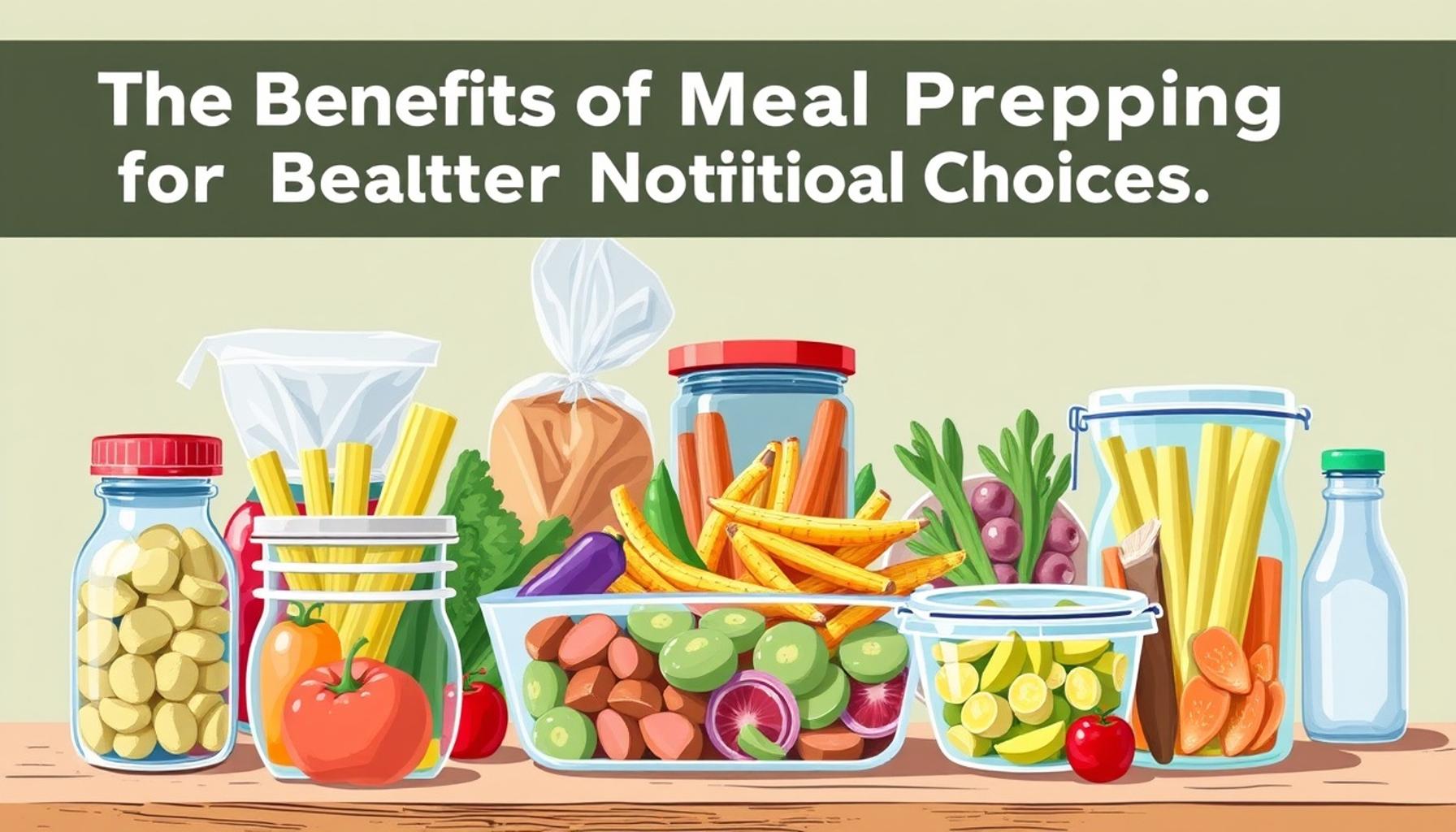
In recent years, the concept of meal prepping has surged in popularity, rapidly becoming a go-to strategy for health enthusiasts and busy professionals alike. This approach entails preparing meals in advance, often at the beginning of the week, enabling individuals to enjoy nutritious meals without the daily hassle of cooking. By dedicating just a few hours to meal preparation, people can ensure that healthy options are readily available, providing both physical nourishment and mental satisfaction.
Exploring the Benefits
The advantages of meal prepping extend far beyond convenience. Here, we delve deeper into its multifaceted benefits:
- Improved Portion Control: Overeating can be a significant hurdle on the path to a healthier diet. By pre-portioning meals into containers, you take the guessing game out of serving sizes. A study from the Journal of the Academy of Nutrition and Dietetics revealed that people who actively engage in meal prepping tend to consume fewer calories and make smarter food choices throughout the week.
- Cost-Effectiveness: Purchasing ingredients in larger quantities can lead to substantial savings. For instance, buying a 5-pound bag of brown rice is often cheaper per serving than getting several smaller bags. This not only leads to financial benefits but also promotes a transition to wholesome staples like grains, legumes, and seasonal vegetables that are typically lower in cost.
- Variety and Balance: Prepping meals allows for better meal planning. This means you can rotate different proteins, vegetables, and whole grains to avoid monotony on your plate. For example, one week, you might prepare grilled chicken with quinoa and roasted broccoli, while the next could feature baked salmon with brown rice and asparagus. This variety helps in achieving a more balanced intake of essential nutrients, promoting better overall health.
Enhancing Mental Well-being
In addition to physical health benefits, meal prepping plays a crucial role in reducing mental clutter. The anticipation of making decisions about what to eat can add undue stress to already busy schedules. By having meals ready to go, you free yourself from daily dilemmas and cultivate a more mindful eating habit. When you know your meals are nutritious, you are more likely to honor your body’s needs and avoid impulsive food choices.
Research suggests that individuals who prepare their meals tend to experience lower anxiety levels related to food choices. They are prompted to engage more intentionally with their eating habits, fostering a sharper focus on what nourishes them physically and emotionally. In a time when conditions such as obesity and diabetes are prevalent in the United States, grasping the advantages of meal prep becomes an empowered decision towards a healthier lifestyle.
As we continue to explore the transformative potential of meal prepping, you may find that it not only revamps your kitchen routine but also inspires a deeper connection with your health journey. By considering practical tips and strategies for implementing meal prepping into your life, you can pave the way for sustained health and wellness.
Unlocking Health Benefits Through Meal Prep
Meal prepping goes well beyond simply saving time; it has become a crucial component of many people’s strategies for maintaining a balanced diet. By embracing meal prep, individuals can establish a sustainable eating routine that not only satisfies their hunger but also supports their nutritional goals. The act of planning and preparing meals ahead of time ensures that wholesome ingredients are front and center, eliminating the temptation to reach for unhealthy options in times of stress or busyness.
Promoting Healthy Eating Habits
One of the most significant advantages of meal prepping is its potential to promote healthy eating habits. A structured meal prep routine allows individuals to consciously select their foods, facilitating better choices that align with personal health objectives. This control over food selection is vital; studies show that when individuals take an active role in their meal choices, they are more likely to consume nutrient-dense foods such as fruits, vegetables, lean proteins, and whole grains.
Here are some ways meal prepping can help promote healthy eating habits:
- Intention over Impulse: With meals pre-prepared, the impulse to grab convenience foods or fast food is dramatically reduced. Having a healthy, ready-to-eat option available means you’re less likely to succumb to cravings for unhealthy snacks or meals.
- Enhanced Nutritional Awareness: As you plan your meals, there’s an opportunity to research and incorporate recipes that are rich in essential vitamins and minerals. Understanding the nutritional profile of foods teaches better eating habits that can last a lifetime.
- Consistency: Establishing a meal prep routine fosters a sense of discipline and consistency, both crucial attributes in developing healthier dietary patterns. When healthy meals become a regular occurrence, reaching health goals becomes significantly more attainable.
Furthermore, meal prepping encourages individuals to experiment with a vast array of ingredients. The challenge of creating diverse and flavorful dishes can transform meal times into enjoyable experiences rather than monotonous routines. Engaging openly with many ingredients also leads to discovering new flavor combinations and healthy alternatives, thus maintaining enthusiasm for nourishing your body.
Another noteworthy benefit is the substantial time savings that meal prepping can provide during the week. By setting aside just a few hours for meal prep, individuals can avoid the daily stress of cooking or decision-making related to food. Those who incorporate meal prepping into their routines often report feeling less stressed during mealtime, leading to a more enjoyable and appreciative eating experience.
In conclusion, meal prepping serves as a gateway to fostering better nutritional choices and establishing sustainable eating habits that stick. It offers the framework needed to reshape our relationship with food and can significantly impact our physical and mental well-being. With endless creative possibilities, meal prepping is an investment in one’s health that rewards individuals with nourishment, time, and peace of mind.
The Benefits of Meal Prepping for Better Nutritional Choices
Meal prepping isn’t just a buzzword; it’s a powerful approach that can transform your eating habits and overall health. By dedicating a few hours each week to plan and prepare meals, you can take control of your dietary choices, bringing numerous advantages to the forefront. Below is a table that highlights specific benefits of meal prepping and how it contributes to making better nutritional choices.
| Category | Description |
|---|---|
| Time Management | Meal prepping saves time during the week by reducing daily cooking and cleaning efforts. |
| Nutritional Control | It allows you to plan balanced meals, ensuring adequate intake of macronutrients and micronutrients. |
| Financial Savings | Buying ingredients in bulk and eliminating last-minute takeout can significantly reduce overall food costs. |
| Portion Control | Pre-portioning meals helps in sticking to recommended serving sizes, aiding weight management. |
| Reduced Waste | Planning meals helps in using ingredients efficiently, thereby minimizing food spoilage and waste. |
By understanding the multifaceted advantages of meal prepping, individuals can enhance their dietary habits with greater confidence. The simplicity it brings to meal selection alongside the enjoyment of home-cooked food can inspire a healthier lifestyle tailored to your unique nutritional needs. So why not dive deeper into the world of meal prepping? You may uncover a new approach to eating that aligns perfectly with your wellness goals.
Cost-Effective Choices with Meal Prepping
In addition to its health benefits, meal prepping offers significant financial advantages that can contribute to better overall well-being. Grocery shopping can become a daunting task without a clear plan, often leading to impulse buys and foods that are not in line with nutritional goals. However, when individuals engage in meal prep, they develop strategic shopping habits that not only ensure they purchase necessary ingredients but also help them save money in the long run.
Reducing Food Waste
One of the pressing issues in the culinary landscape today is food waste—the U.S. Department of Agriculture estimates that over 30% of food produced in the U.S. goes uneaten. Meal prepping significantly mitigates this problem. When individuals plan their meals for the week, they can purchase only what they need, thereby reducing the likelihood of food spoilage. This practice not only conserves resources but also reflects a more sustainable approach to eating that is becoming increasingly important for environmentally-conscious consumers.
Smart Shopping Strategies
Meal prepping necessitates that individuals compile shopping lists based on planned meals. This type of shopping strategy minimizes unnecessary expenditures by encouraging thoughtful purchases rather than impulsive finds in the aisles. Moreover, bulk buying staple ingredients such as grains, legumes, and spices can lead to additional savings. The cost-per-serving decreases, making meal prep a financially sound approach. In essence, by committing to meal prepping, individuals may notice a remarkable reduction in their monthly grocery bills, all while still enjoying nutritious meals.
Creating Balanced Meals on a Budget
Meal prepping opens doors to creating balanced meals that cater to individual dietary preferences without breaking the bank. For example, incorporating grains like quinoa or brown rice as a base can provide the necessary fiber while being cost-effective. Likewise, seasonal produce often comes at a lower price point and can enhance the nutritional value of meals. With creativity, meal preppers can transform budget-friendly ingredients into tantalizing dishes, making healthy eating accessible for everyone.
Meal Prep and Portion Control
Another notable advantage of meal prepping is its role in encouraging appropriate portion sizes. Many people struggle with overindulging, especially when dining out or relying on pre-packaged convenience foods. However, by pre-portioning meals, individuals can better manage their caloric intake and align with their health goals. Research has demonstrated that controlled portion sizes can lead to significant improvements in weight management and overall health. This is crucial for those looking to lose weight or maintain a healthy lifestyle without feeling deprived.
Furthermore, meal prepping provides a framework for individuals looking to diversify their diets. By preparing various meals that cater to different nutritional needs throughout the week, individuals can enjoy a rich tapestry of flavors and nutrients. The versatility of meal prep not only targets macronutrient distribution—carbohydrates, proteins, and fats—but also ensures an adequate intake of micronutrients, thus paving the way for comprehensive wellness.
Overall, embracing the practice of meal prepping can support financial savvy while empowering individuals to make better nutritional choices. With the right mindset and strategies, meal prep can transform eating habits, ultimately leading to a more balanced, healthy lifestyle.
Conclusion: Transforming Nutrition Through Meal Prepping
In summary, meal prepping emerges as a valuable tool for those seeking to enhance their nutritional choices while simultaneously fostering financial prudence. By meticulously planning meals, individuals are not only able to make healthier dietary decisions but also cultivate a sense of discipline and commitment to their overall well-being. The act of preparing meals in advance significantly reduces the chances of succumbing to convenience foods that often lack essential nutrients.
Furthermore, meal prepping proves instrumental in reducing food waste, enabling consumers to purchase only what they need while promoting a more sustainable approach to eating. This conscious consumption not only aligns with environmental goals but also benefits one’s wallet. As grocery bills decrease through strategic shopping and bulk buying, the practice of meal prepping becomes an economically sensible choice without sacrificing quality or flavor.
Additionally, creating balanced meals tailored to personal preferences and nutritional requirements is made easier through pre-portioning. This fosters a mindful engagement with food, supporting better portion control that can lead to effective weight management. As individuals experiment with diverse ingredients and flavors, they broaden their palates while ensuring an abundance of essential nutrients.
Ultimately, by embracing meal prepping, individuals forge a path toward not just improved health, but a lifestyle that prioritizes nutrition, creativity, and sustainability. Whether you are a busy professional, a parent, or a student, the benefits of meal prepping are undeniable. It’s time to take the plunge into meal prepping and discover the transformative impact it can have on daily life and wellness.