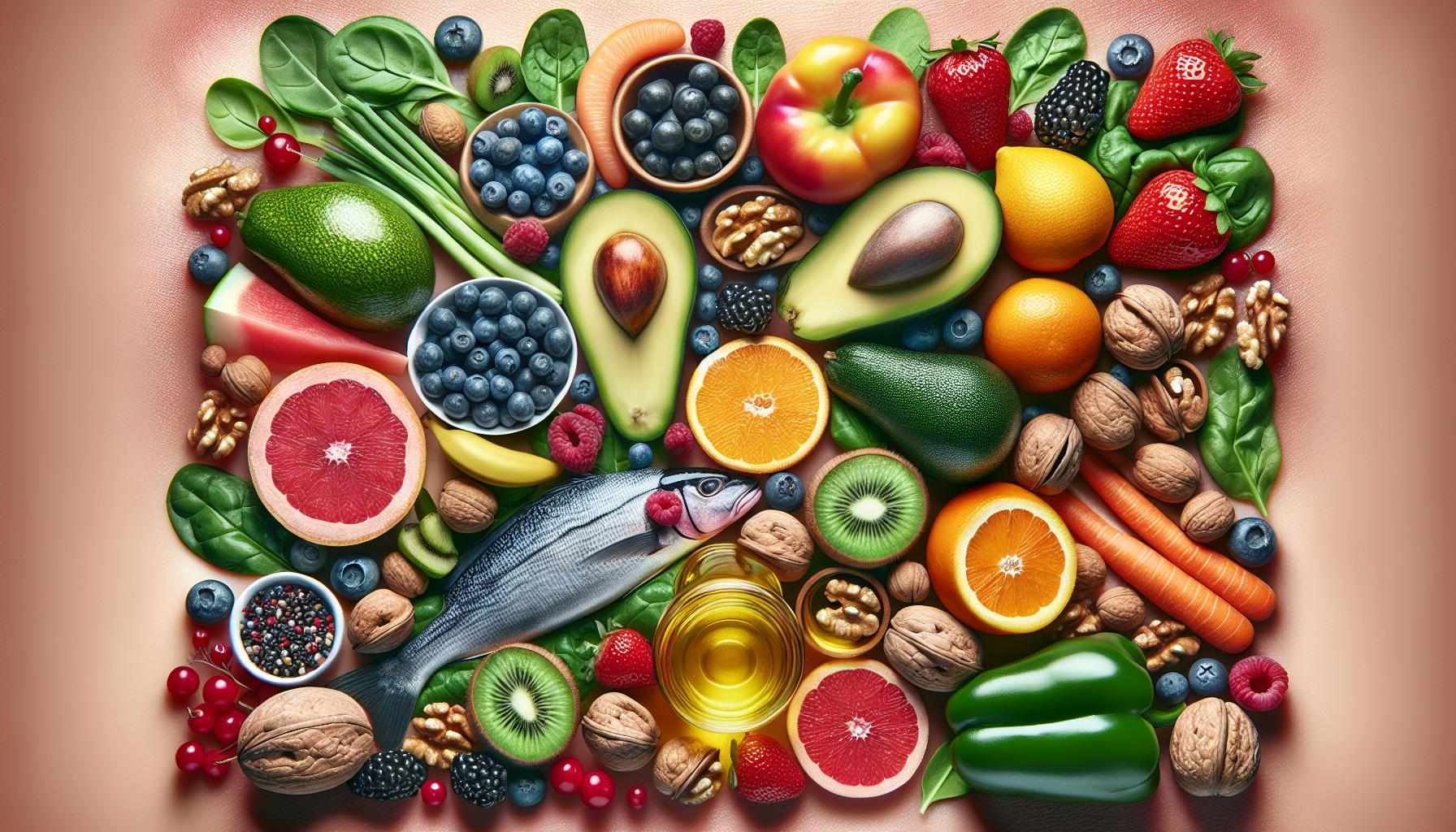
The Effects of Diet on Skin Appearance: Essential Nutrients

Understanding Nutrition and Skin Health
The connection between diet and skin appearance is often underestimated. Our skin is a reflection of what we consume daily, making proper nutrition essential for maintaining a youthful glow. This article delves into the effects of diet on skin health, exploring essential nutrients that play a significant role.
Key Nutrients for Radiant Skin
In the quest for flawless skin, several nutrients stand out. Each plays a vital role in both the short and long-term health of our largest organ.
- Vitamins: Several vitamins are crucial for skin repair and protection.
- Vitamin A is known for its role in skin cell production. It helps reduce fine lines and improves skin texture. Foods rich in Vitamin A include carrots, sweet potatoes, and spinach.
- Vitamin C acts as a powerful antioxidant, protecting skin cells from free radical damage. It also promotes collagen production, which is essential for maintaining skin elasticity. Citrus fruits, strawberries, and bell peppers are excellent sources.
- Vitamin E provides moisture and protection against UV damage. Almonds, avocados, and sunflower seeds are great additions to your diet to boost Vitamin E intake.
- Vitamin D helps alleviate skin conditions like psoriasis and can enhance the skin’s immune system. Sunlight is a primary source, but you can also find it in fatty fish and fortified foods.
- Minerals: Key minerals such as zinc and selenium are often overlooked but play significant roles in reducing inflammation and promoting healing.
- Zinc is essential for skin regeneration, and a deficiency may lead to various skin issues, including acne. Foods rich in zinc include oysters, pumpkin seeds, and lentils.
- Selenium has antioxidant properties that protect skin from sun damage. It can be found in Brazil nuts, fish, and whole grains.
- Fatty Acids: The importance of omega-3 fatty acids cannot be overstated. They contribute to maintaining the skin’s barrier function and hydration levels.
- Incorporating fatty fish like salmon or mackerel, nuts, and seeds into your meals can help preserve your skin’s moisture and suppleness.
Incorporating these nutrients into your diet can not only enhance appearance but also improve skin health in the long term. As you explore your dietary choices, consider their direct impact on the vitality and texture of your skin. A balanced diet, rich in these essential vitamins, minerals, and fatty acids, can become a cornerstone of any skincare routine.
Adopting a nutrition-focused approach to skincare can yield tangible results. Small adjustments in your diet can lead to improvements in skin clarity, tone, and overall health. For instance, reducing sugar and increasing water intake can help combat acne and dry skin. Join us as we uncover the science behind nutrition and its transformative effects on your complexion. With conscious choices, a radiant and healthy complexion is within your reach.
DIVE DEEPER: Click here to learn about the future of beauty treatments</a

The Role of Hydration in Skin Health
While vitamins and minerals are fundamental to skin health, another crucial element deserves attention: hydration. The relationship between water intake and skin appearance cannot be overstated. Proper hydration can have immediate effects on skin texture and overall vitality. Dehydration, on the other hand, can lead to dryness, flakiness, and an increased likelihood of fine lines appearing.
Why Hydration Matters
- Improved Skin Elasticity: Water is vital for maintaining the skin’s elasticity. When the body is adequately hydrated, skin cells expand, filling up with moisture which gives the skin a plump and youthful appearance.
- Regulated Oil Production: Interestingly, dehydrated skin tends to produce more oil in an effort to compensate for lack of moisture. This excess oil can lead to clogged pores and acne breakouts. Ensuring sufficient hydration can help maintain a balanced oil production.
- Enhanced Complexion: A well-hydrated complexion is more radiant. Water acts as a natural detoxifier, flushing out toxins that can enhance skin clarity and brightness.
To maintain optimal hydration levels, it’s essential to consume adequate amounts of water daily. The commonly recommended guideline is to drink at least eight 8-ounce glasses a day, but individual needs may vary depending on factors such as age, activity level, and climate. Incorporating hydrating foods, such as cucumbers, oranges, and tomatoes, can also contribute to your overall fluid intake, promoting a healthier complexion.
Impact of Omega-3 Fatty Acids on Skincare
Moving on from hydration, omega-3 fatty acids are another powerful group of nutrients that deserve attention when discussing dietary impacts on skin appearance. These essential fats are not only beneficial for heart health but also play a significant role in maintaining skin integrity.
- Barrier Function: Omega-3 fatty acids help strengthen the skin’s barrier function, which protects against environmental aggressors, including pollutants and UV radiation. A strong barrier prevents moisture loss, allowing the skin to remain hydrated and supple.
- Anti-Inflammatory Properties: These fatty acids can help reduce inflammation in the skin, making them particularly useful for individuals with conditions like eczema or acne. This can lead to reduced redness and irritation, promoting overall skin clarity.
- Source of Omega-3s: Including sources of omega-3s in your diet, such as fatty fish (like salmon or sardines), walnuts, and flaxseeds, can support skin health and enhance its appearance.
In essence, a holistic approach to skincare focuses on both hydration and essential fatty acids. By making conscious dietary choices, one can enhance skin appearance while addressing underlying health issues that may contribute to skin concerns. As you embark on your journey toward healthier skin, remember that the foundation lies within your plate.
The Effects of Diet on Skin Appearance: Essential Nutrients
Many people underestimate the impact of what they consume on their skin health. Nutrients play a pivotal role in maintaining skin integrity, hydration, and overall appearance. When exploring the relationship between diet and skin, it is essential to identify key nutrients that contribute to a radiant complexion.
| Nutrient | Benefits for Skin |
|---|---|
| Vitamin C | Promotes collagen production and fights oxidative stress, leading to firmer and brighter skin. |
| Omega-3 Fatty Acids | Help maintain skin barrier function and reduce inflammation, resulting in smoother, hydrated skin. |
| Vitamin E | Acts as an antioxidant protecting the skin from UV damage, keeping it youthful and healthy. |
| Zinc | Aids in skin healing and prevents acne, contributing to a clearer complexion. |
Each of these essential nutrients plays a unique and important role in skin health. For example, Vitamin C not only aids in collagen synthesis but also helps fight free radicals that can prevent signs of aging. On the other hand, Omega-3 fatty acids are crucial for reducing skin inflammation and maintaining its overall hydration. Reports indicate that a deficiency in these nutrients can manifest as dry, flaky skin, showing just how critical they are. Incorporating foods rich in these vitamins and minerals into your diet can lead to noticeable improvements in skin texture and glow. For instance, citrus fruits, fish, nuts, and seeds are all excellent sources of vital nutrients that promote skin health. As you explore the effects of diet on skin appearance, understanding these essential nutrients can empower your choices and lead to a more vibrant complexion.
DISCOVER: Click here to enhance your eye makeup skills
Power of Antioxidants in Supporting Skin Health
As we delve deeper into the impact of diet on skin appearance, one cannot overlook the significance of antioxidants. These potent compounds play a formidable role in neutralizing free radicals—unstable molecules that can cause cellular damage and accelerate aging. By incorporating antioxidant-rich foods into your diet, you might significantly enhance your skin’s resilience and overall vitality.
How Antioxidants Work
- Combatting Free Radical Damage: Free radicals result from environmental stressors, such as UV radiation, pollution, and even certain lifestyle choices like smoking. Antioxidants work by donating electrons to stabilize these rogue molecules, preventing them from causing harm to skin cells. This protective mechanism can lead to a more youthful and healthy appearance.
- Enhancing Collagen Production: Collagen is crucial for maintaining skin elasticity and firmness. Some antioxidants, particularly Vitamin C, play a pivotal role in collagen synthesis. A diet rich in Vitamin C can maintain the skin’s structural integrity and combat sagging associated with aging.
- Natural Sources: To reap the benefits of antioxidants, consider indulging in colorful fruits and vegetables. Berries, such as blueberries and strawberries, are excellent sources of anthocyanins, while spinach and kale pack a wealth of vitamins A, C, and E. Nuts and seeds, such as almonds and sunflower seeds, also provide essential antioxidant compounds.
For those seeking to maximize the effects of antioxidants on skin appearance, incorporating a variety of these foods is key. A diverse, colorful plate not only makes meals visually appealing but also ensures that you are getting a broad spectrum of protective nutrients.
The Importance of Vitamins for Skin Vitality
In addition to antioxidants, specific vitamins play essential roles in promoting healthy skin. Among these, Vitamin A, Vitamin E, and Vitamin K have garnered significant attention for their skin-enhancing benefits.
- Vitamin A: Often hailed as a skin superhero, Vitamin A is crucial for skin repair and regeneration. Dietary sources such as sweet potatoes, carrots, and dark leafy greens can support a smooth complexion and minimize the appearance of fine lines.
- Vitamin E: This vitamin is celebrated for its ability to protect and nourish skin. Vitamin E acts as a powerful antioxidant, helping to shield skin from oxidative stress. Consuming foods like almonds, avocado, and sunflower oil can enhance skin hydration and elasticity.
- Vitamin K: While it may not be as commonly discussed, Vitamin K plays a unique role in reducing dark circles and bruises on the skin. It supports the skin’s healing processes and can be found in foods such as broccoli, Brussels sprouts, and fermented dairy products.
When it comes to skincare, a focus on a holistic dietary approach, rich in essential vitamins, antioxidants, and healthy fats, is vital for achieving optimal skin health. By prioritizing these nutrients, individuals can take an active role in shaping their skin’s appearance from the inside out, leading to a luminous and resilient complexion.
DISCOVER MORE: Click here to learn about the power of natural ingredients
Conclusion: Nourishing Your Skin from Within
In summary, the connection between diet and skin appearance is increasingly recognized as a critical factor in promoting a healthy, radiant complexion. By understanding the roles of essential nutrients like antioxidants, vitamins, and healthy fats, individuals can make informed dietary choices that directly impact their skin’s vitality. A diet rich in colorful fruits and vegetables, whole grains, lean proteins, and healthy oils not only supports overall wellness but also enhances skin texture and resilience.
The power of antioxidants, such as those found in berries and leafy greens, cannot be overstated, as they combat free radical damage and support collagen production. Furthermore, specific vitamins—like Vitamin A, Vitamin E, and Vitamin K—serve unique functions that contribute to skin repair and hydration, helping to maintain youthful firmness and elasticity. Every meal offers an opportunity to nourish your skin, and embracing a holistic approach to nutrition can yield remarkable results.
As more research unfolds regarding the effects of diet on skin health, it becomes increasingly clear that achieving a luminous complexion is within reach. For those wishing to delve deeper, consider consulting with a nutritionist or exploring reputable sources on nutritional science. Taking an active role in your dietary choices allows for the possibility of not just improved skin appearance but also a healthier, happier you. Embrace the journey of nurturing your skin from the inside out; your complexion will thank you.