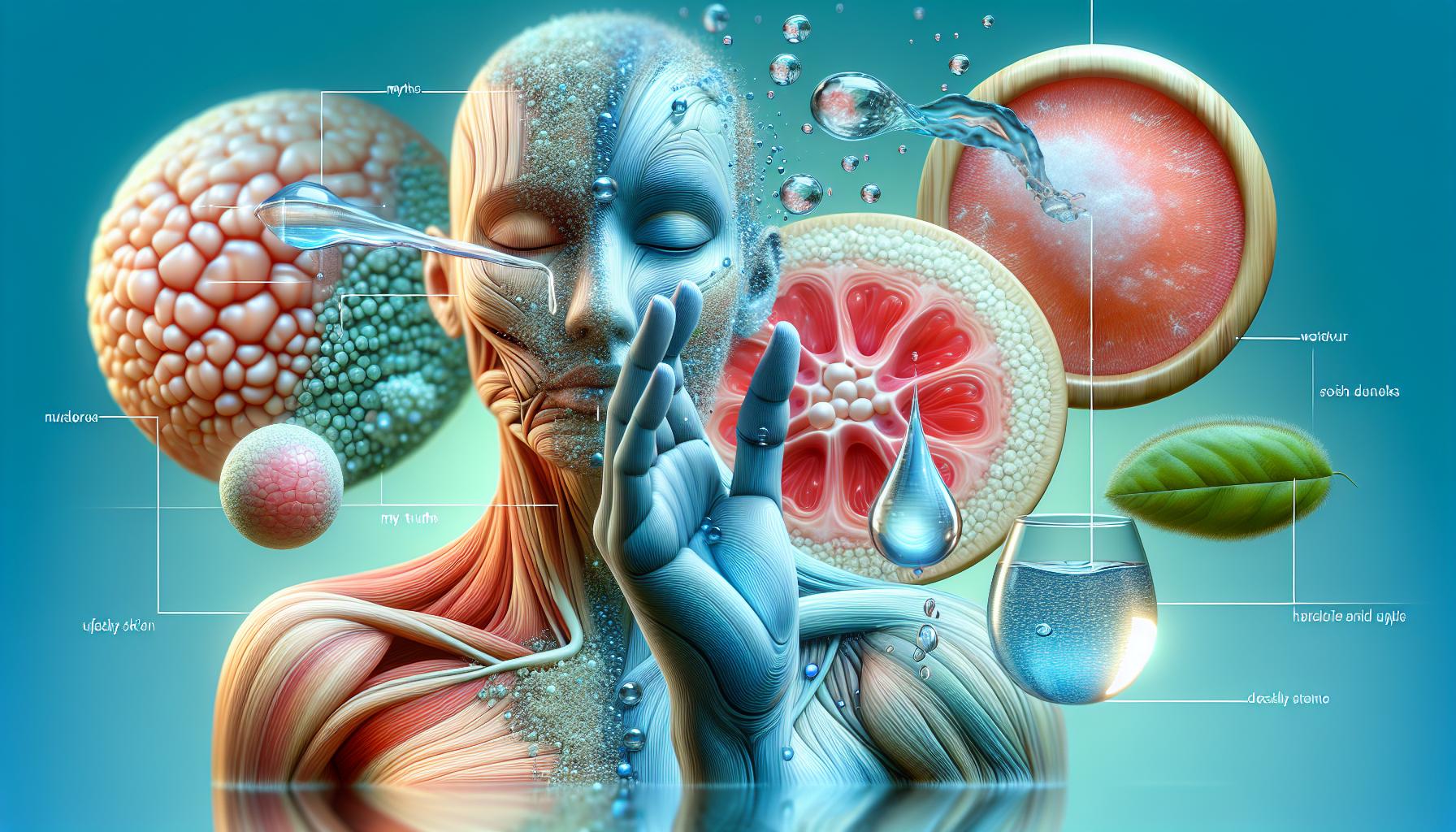
The Importance of Hydration for Skin Health: Myths and Truths

The Critical Link Between Hydration and Skin Health
When discussing skin health, hydration is frequently touted as a miracle solution among beauty enthusiasts and skincare professionals alike. Yet, the actual relationship between hydration and the skin often blurs between well-established facts and popular misconceptions. Delving deeper into this topic not only informs your skincare regimen but also enhances your understanding of overall health.
One of the prevalent beliefs is that drinking water equals glowing skin. While staying well-hydrated is essential for bodily functions, the direct correlation between water intake and skin radiance isn’t quite as straightforward. According to dermatologists, the skin can only absorb a limited amount of hydration from liquid, and external factors such as climate and lifestyle choices play a crucial role as well. For example, individuals living in arid climates might notice that no amount of water can compensate for skin dryness without appropriate topical interventions.
This leads us to the next widely held notion: moisturizers hydrate. It is essential to clarify that while moisturizers can create a barrier that traps moisture within the skin, they themselves do not hydrate. Ingredients like hyaluronic acid and glycerin attract water to the skin, and if the skin is already dehydrated, using a moisturizer can yield limited benefits. For optimal results, consider pairing moisturizers with hydrating serums. A good practice is to apply these products on damp skin, as it can amplify their effectiveness.
Another intriguing concept is that you can over-hydrate. While the skin needs hydration to remain supple, too much can disrupt the skin’s natural barrier. Conditions such as water retention or “water overdose” can lead to puffiness and even acne breakouts, particularly in individuals with sensitive skin. Thus, understanding your skin type is key to curating a personalized skincare strategy.
In conclusion, while hydration is undoubtedly vital for maintaining skin elasticities, such as improving texture and preventing flakiness, separating fact from myth helps one to make informed decisions. Awareness of current skincare products, a commitment to balanced hydration, and understanding individual skin needs can all contribute toward achieving that sought-after radiance. Stay tuned as we unpack more truths behind hydration and how it uniquely interacts with your skin’s health.
DIVE DEEPER: Click here to discover the latest in beauty technology</a
Understanding Hydration: More Than Just Drinking Water
One of the first steps to evaluating hydration and skin health involves recognizing that the skin is an organ with complex needs. The skin’s outer layer, known as the epidermis, acts as a protective barrier, while the inner layers maintain moisture levels and overall health. However, the conversation surrounding hydration goes beyond simple water consumption. It is crucial to understand what truly nourishes the skin from both the inside and outside.
First and foremost, let’s examine the role of hydration in skin elasticity. Skin elasticity refers to the skin’s ability to stretch and return to its original shape. This property diminishes with age and environmental stressors, leading to sagging and wrinkles. Dermatologists underscore that adequate hydration supports the skin’s structure, fostering a plump, youthful appearance. Yet, generating optimal hydration is a multi-faceted endeavor that requires more than just sipping water throughout the day.
The human body is composed of approximately 60% water, essential for every single cell function. While it is common to hear the advice to drink at least eight glasses of water daily, this recommendation doesn’t consider variables like exercise, overall diet, and individual differences in metabolism. For example:
- Active individuals may need to increase their fluid intake to replenish lost sweat during workouts.
- Diet plays a significant role as foods high in water content, such as cucumbers, oranges, and watermelon, can significantly contribute to hydration levels.
- Climate influences hydration as drier environments can lead to accelerated moisture loss, thus requiring additional efforts to retain skin hydration.
Additionally, the concept of skin barrier function is essential when discussing hydration. The skin barrier helps to lock in moisture and protect against environmental pollutants. If this barrier is compromised due to harsh weather conditions, over-cleansing, or exposure to irritants, the skin becomes more susceptible to dryness and irritation. Fortifying the barrier with hydrating ingredients like ceramides, fatty acids, and antioxidants can be more effective than merely increasing water intake.
Another crucial aspect of hydration is the effect of underlying health issues. Certain medical conditions, such as diabetes or thyroid disorders, can impact the body’s ability to maintain moisture in the skin. Therefore, if you struggle with chronic skin dryness or flaky skin despite adequate water intake, consulting a healthcare professional is advisable. They can help identify underlying health concerns that might contribute to skin conditions.
In summary, hydration is vital for skin health but understanding its complexities can empower you to make better choices for your skin and overall health. By focusing on a holistic approach that combines appropriate hydration methods, nourishing foods, and suitable skincare products, you pave the way for healthier, more resilient skin. The journey does not stop here; stay tuned as we uncover the myriad of ways hydration interacts with skin health, debunking myths, and shedding light on lesser-known truths.
The Importance of Hydration for Skin Health: Myths and Truths
When it comes to skin health, hydration plays a pivotal role, yet many misconceptions cloud its importance. One widespread myth is that drinking excess water directly translates to more hydrated skin. While hydration from within is essential, the skin’s moisture barrier functions differently than internal hydration. The skin often retains moisture through external products that help seal in hydration. Understanding this distinction is vital for achieving radiant skin.
Furthermore, the debate around moisturizers is rife with conflicting viewpoints. Some argue that only heavy creams can provide adequate moisture, while others assert that lighter gel-based products suffice. The truth lies in individual skin types. Dry, sensitive skin may require richer creams, while oily or combination skin responds better to lighter formulations. Each type of skin has unique hydration requirements.
Another aspect often overlooked is the impact of environmental conditions on skin hydration. Factors such as humidity, temperature changes, and air quality can drastically affect how our skin retains moisture. In dry climates or during winter months, the skin may need extra hydration to combat moisture loss. Incorporating a good humidifier into your home environment or applying serums with hyaluronic acid can greatly enhance moisture retention.
Lastly, it is crucial to appreciate the role of nutrition in skin hydration. Certain foods, such as fruits and vegetables with high water content, provide not only hydration but also essential vitamins that promote skin health. Incorporating these foods into your diet is just as significant as drinking adequate amounts of water.
| Myth | Truth |
|---|---|
| Drinking more water = better skin hydration | Skin hydration also relies on external products that seal moisture. |
| All skin types need heavy creams for hydration | Skin types vary; some benefit from lighter products. |
In the continuously evolving landscape of skincare, recognizing these truths amidst prevalent myths is crucial for establishing an effective hydration routine. With informed choices, you can truly enhance your skin health.
DISCOVER MORE: Click here to learn about the benefits of natural ingredients
The Myths Surrounding Hydration and Skin Health
In the quest for radiant skin, several myths regarding hydration have emerged, and it’s time to set the record straight. One common belief is that drinking excessive amounts of water can cure all skin problems, including acne and eczema. This notion, while well-intentioned, overlooks other significant factors influencing skin health, such as genetics, hormonal fluctuations, and dietary choices. While staying hydrated is beneficial, it is crucial to recognize that water alone cannot address underlying issues that require a more targeted approach.
Another prevalent myth is that beauty products with hydrating ingredients can replace the need for water intake altogether. While moisturizers containing substances like hyaluronic acid can help draw moisture into the skin, these products work best when they complement a well-hydrated body. As the saying goes, “you can’t pour from an empty cup.” If the body lacks hydration, even the most advanced skincare regimen may not yield optimal results. Hydration is a comprehensive process that spans internal and external care, emphasizing the need to strike a balance.
The Role of Humidity and Seasonal Changes
The impact of humidity and environmental changes on skin hydration cannot be overlooked. During the warmer months, increased humidity can make the skin feel more hydrated, as moisture is more readily available in the air. However, this does not mean that one can neglect proper hydration practices. On the contrary, during dry winter months, heating systems can strip moisture from the air, leading to parched skin. Individuals living in areas with fluctuating climates should adapt their hydration strategies accordingly; for instance, although it may be humid during summer, the skin might still need additional nourishing creams to combat the effects of sun exposure and sweat.
Moreover, gender differences can also play a role in hydration needs. Studies suggest that women may have a higher risk of dehydration due to factors such as hormone levels and skin composition. Conversely, men, possessing thicker skin with higher collagen levels, may experience different hydration dynamics. Understanding these distinctions can help tailor approaches to skincare and hydration, ensuring that both men and women find what works best for their unique skin types.
Hydration Through Diet: Beyond Water
Let us not forget the importance of incorporating hydrating foods into our diets. While drinking water is essential, many food sources offer beneficial hydration. Fruits like strawberries, oranges, and peaches, as well as vegetables like spinach and bell peppers, not only contribute to hydration but also provide essential vitamins and minerals that support skin health. A diet rich in antioxidants, omega-3 fatty acids, and whole grains can also enhance the skin’s moisture retention capabilities and overall vitality.
In understanding hydration’s role in skin health, it is crucial to explore a variety of strategies that encompass both internal and external sources of nourishment. By debunking myths and addressing practical realities, individuals will be better equipped to foster skin health through informed hydration practices. In the following sections, we will delve into scientifically backed truths about hydration’s unique mechanisms and their direct impact on our skin.
DIVE DEEPER: Click here to learn more
Conclusion: Navigating the Waters of Hydration for Skin Health
Understanding hydration plays a pivotal role in achieving and maintaining healthy skin is a complex journey filled with myths, truths, and important subtleties. As we’ve explored, relying solely on drinking water as a panacea for skin concerns is a misconception that can lead to disappointment. True skin health stems from a multifaceted approach that considers individual genetics, lifestyle choices, and nutritional intake.
The expansion of our knowledge surrounding hydration must include an appreciation for dietary sources of moisture, as eating fruits and vegetables rich in water content can complement our hydration efforts significantly. Additionally, adapting skincare routines to environmental factors such as humidity and recognizing the differences in hydration needs between genders reveals how personalized our hydration strategies can be.
As we blend internal hydration with a well-thought-out skincare regimen that incorporates moisturizing products, the right balance becomes clearer. This holistic approach not only enhances appearance but also serves to promote skin resilience and vitality. Ultimately, fostering a comprehensive understanding of hydration’s role unlocks the door to healthier skin, enabling us to dispel myths and embrace practices that lead to genuinely transformative results.
Incorporating these insights into our daily routines invites a deeper connection to our skin’s health. As we continue to investigate and educate ourselves further, we can navigate the waters of hydration with confidence, leading to a more informed and empowered approach to skin care.