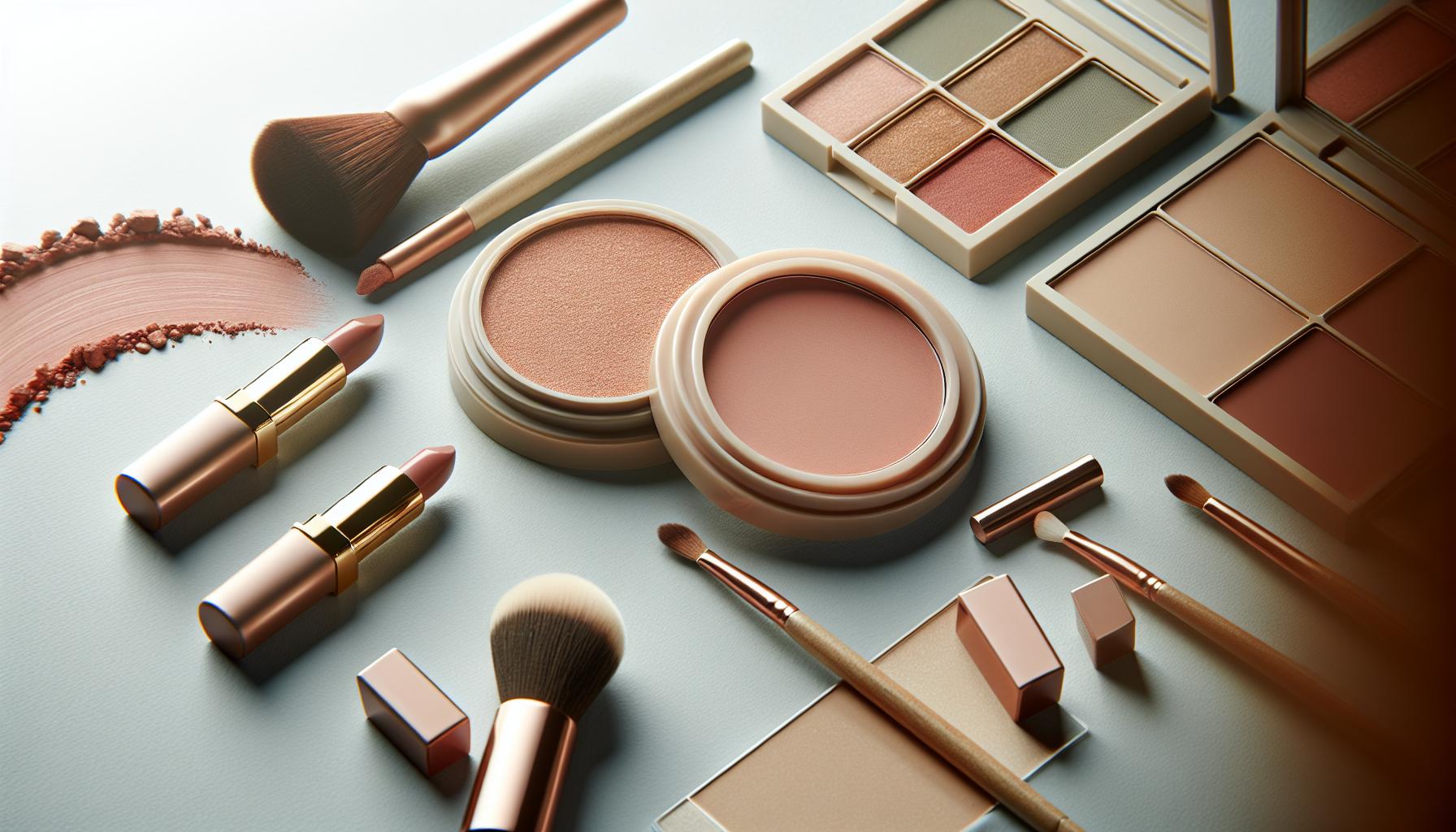
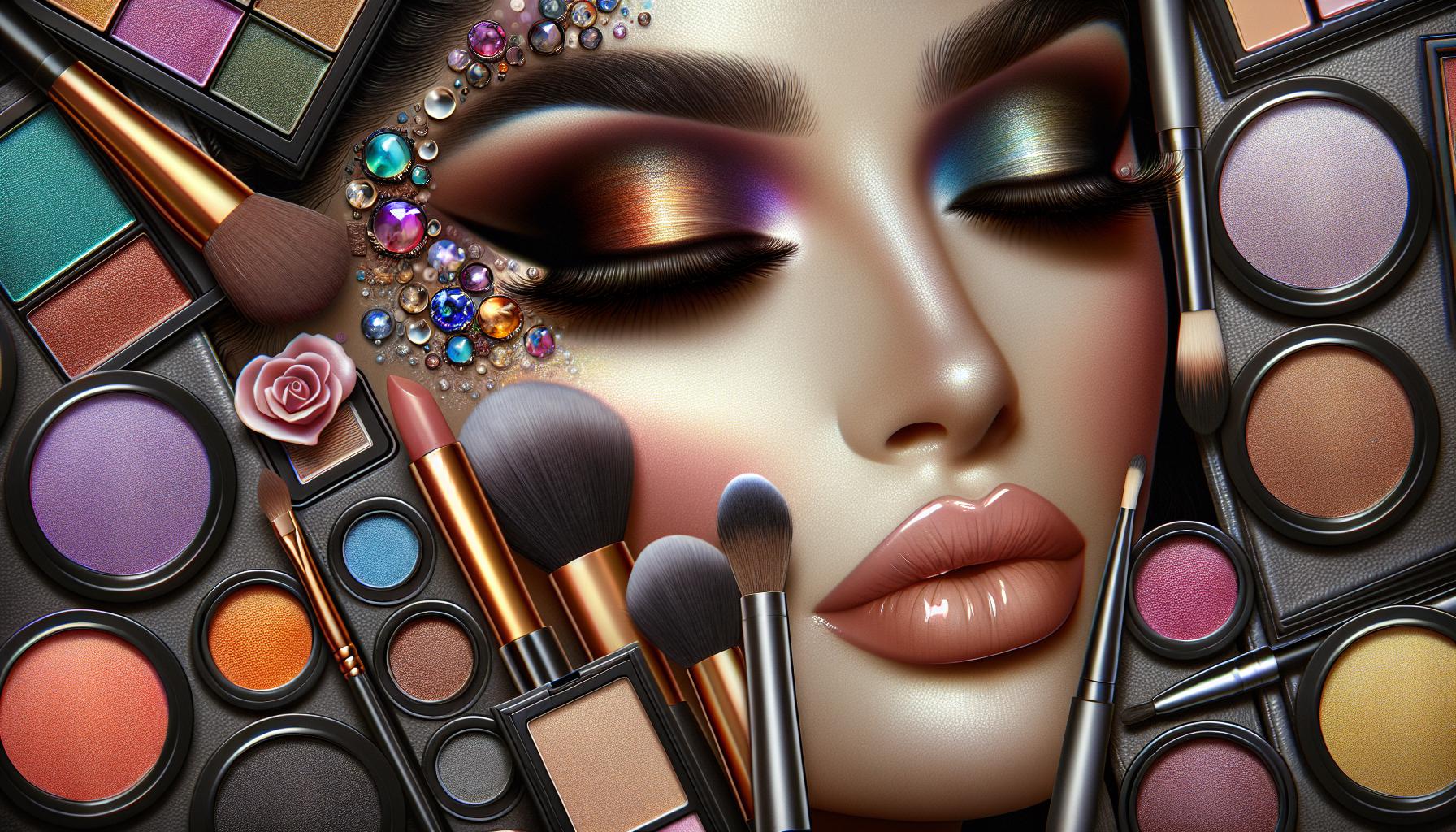
Makeup for Photography: Techniques for a Perfect Result in Portraits
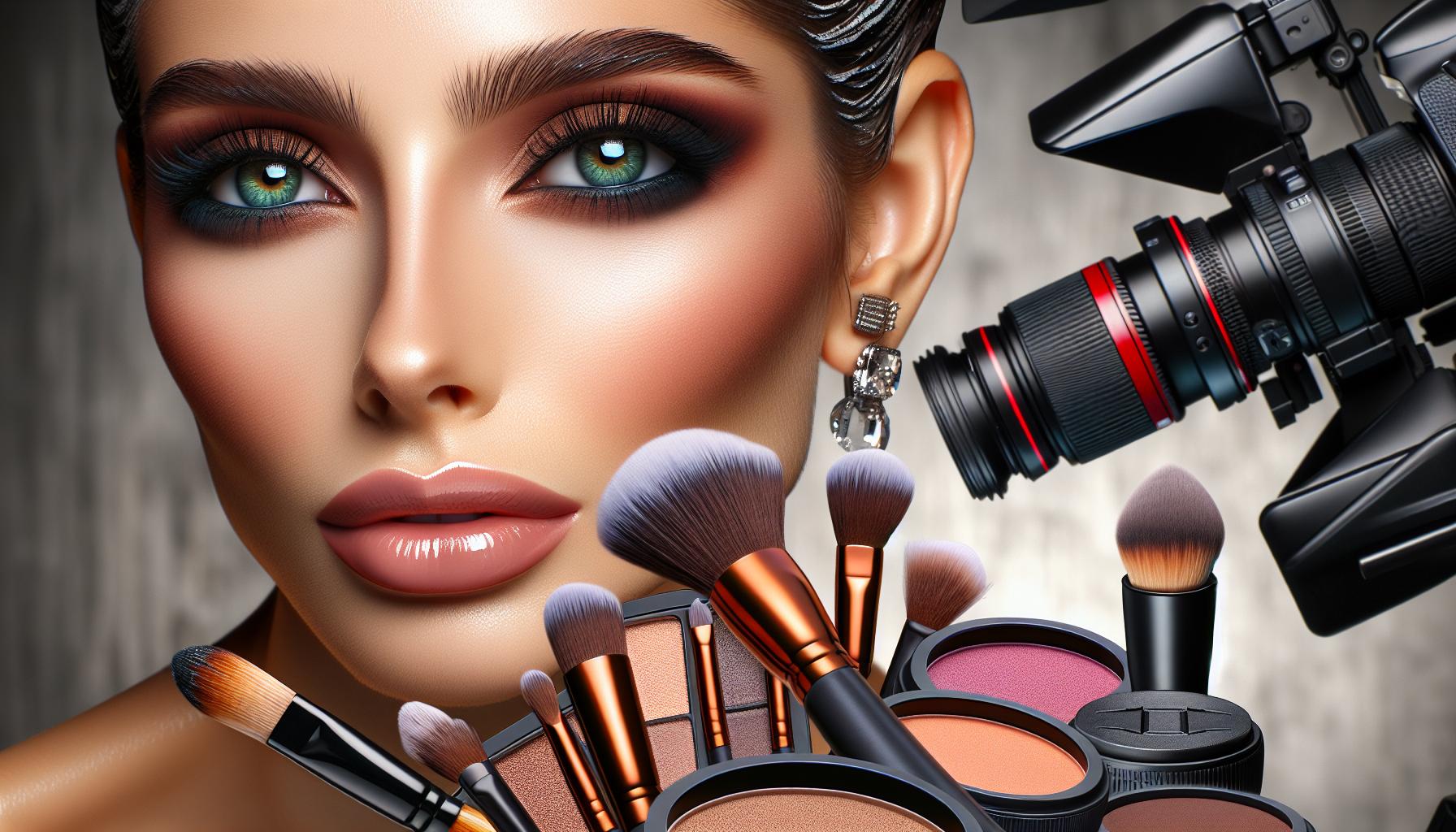
The Impact of Makeup in Photography
In the realm of photography, makeup serves as a critical tool in transforming ordinary images into striking portraits that leave lasting impressions. Achieving the perfect shot requires an understanding not only of the camera and lighting but also of how makeup enhances the subject’s features. Makeup can smooth imperfections, highlight unique characteristics, and evoke emotions that resonate deeply with audiences.
To master the art of makeup for photography, attention to these vital aspects is imperative:
- Skin Preparation: The foundation of any great makeup application begins with skin prep. A well-moisturized face allows makeup to glide on smoothly, and using primers can create an ideal canvas. Products containing silicone can fill in pores and fine lines, which is crucial for achieving a flawless finish under the demanding scrutiny of a camera lens.
- Foundation Choices: Selecting the right foundation can dramatically influence the overall look. Matte formulations are typically favored in photography to minimize shine, especially when exposed to bright studio lights or natural sunlight that can amplify oiliness. It’s often advisable to choose a foundation that is one or two shades darker than the model’s normal skin tone to counteract the tendency for colors to appear washed out in bright lighting.
- Highlighting Features: Accentuating features like cheekbones and brow bones with highlighter can add dimension and vitality to facial structures. However, it is crucial to apply these products lightly to maintain a sense of natural beauty, ensuring the highlighter doesn’t cause glare which could disrupt the image’s overall aesthetic.
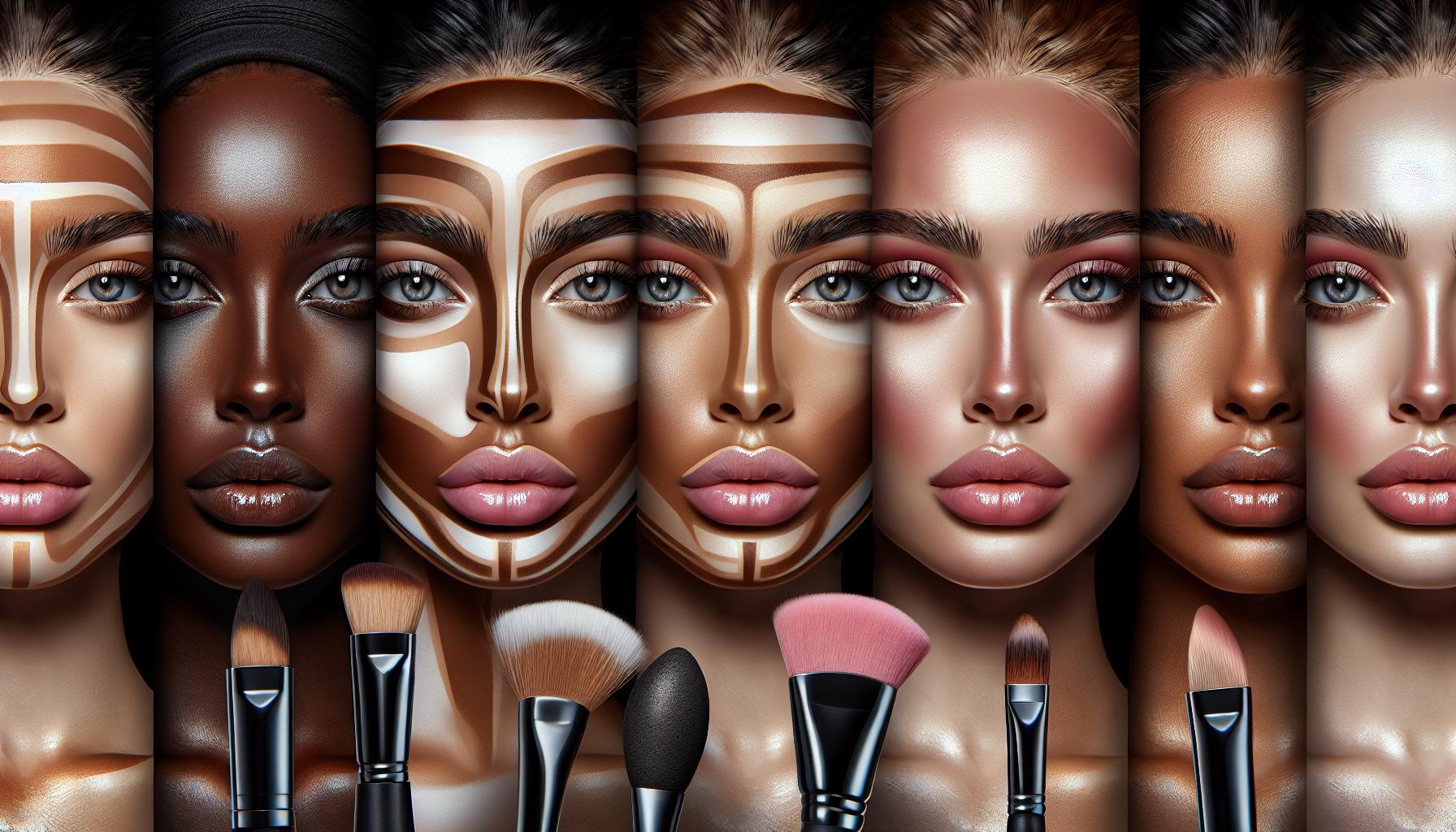
Photography tends to amplify any imperfections, making it essential to adopt effective makeup techniques. For instance, contouring and color correction can cleverly define facial structures while disguising flaws. Proper contouring can create the illusion of higher cheekbones or a more sculpted jawline, while color correctors can neutralize redness or unwanted undertones in the skin.
Additional Tips for Flawless Portraits
There are also several other key considerations that can elevate portrait makeup further:
- Color Selection: Always choose colors that not only complement the model’s skin tone but also align with the concept of the shoot. Earthy tones are wonderful for outdoor shoots, while darker, bolder shades might suit dramatic indoor settings.
- Setting Sprays: After makeup application, utilizing setting sprays is vital for ensuring longevity, especially during extended photoshoots. These products help lock in makeup and can be especially helpful in humid or hot conditions where makeup is prone to melting.
- Test Shots: Performing test shots before the actual shoot is an invaluable practice. It allows artists to see how the makeup interacts with the lighting and environment, making it easier to tweak appearances before capturing the final images.
By diving deeper into these critical makeup aspects, photographers and models can work together seamlessly to capture breathtaking portraits. The right application of makeup doesn’t merely enhance an image; it transforms it into an extraordinary visual narrative that resonates with everyone who sees it.
DIVE DEEPER: Click here to discover the latest trends
Essential Makeup Techniques for Stunning Portraits
When it comes to capturing spectacular portraits, the marriage of makeup artistry and photography is indispensable. The techniques utilized can either enhance the beauty of the subject or detract from the intended effect, making it essential for makeup artists to understand how various elements interact with camera technology. Here, we explore pivotal techniques that not only complement facial features but also cater to the demands of photographic capture.
The Power of Natural Light: One of the most influential factors in photography is natural light. Makeup that works beautifully in a studio may behave differently in natural daylight. Thus, it’s crucial to tailor makeup applications according to the light source. In outdoor sessions, choosing products with a lightweight finish can enable skin to breathe while still looking flawless. For example, a tinted moisturizer with SPF provides coverage without the heaviness of traditional foundations. Be mindful that while more dewy products might work well in soft natural light, they can also reflect more than desired in harsh sunlight.
Understanding Skin Tones: Each portfolio of work can feature a wide array of skin tones, making it imperative to select shades that work harmoniously with each individual. To achieve a balanced and inclusive portrait that represents diversity, artists should keep an extended range of foundation and concealer shades in their kits. Using color-matching tools or even consulting with the subject prior to the shoot can help streamline this process. It’s also beneficial to incorporate color theory—understanding undertones (cool, warm, or neutral) can guide the artist in choosing secondary products, like blush and lipstick, that enhance the overall look.
Makeup Techniques for Photographic Clarity
The application techniques used can further ensure the makeup translates well on camera. Here are some promising strategies:
- Layering Products: Layering different products—for example, applying a liquid foundation followed by a powder—can create texture and longevity on the skin. This technique combats the risk of makeup appearing flat during the shoot.
- Concealing Strategically: For portraits, spot concealing is essential. Focus specifically on areas of concern such as blemishes or under-eye circles without applying a heavy coat over the entire face. This ensures the model’s natural features remain visible and engaging.
- Eyeliner and Mascara Tips: When it comes to the eyes, mascara that separates lashes can provide a beautiful definition without the risk of clumping—a detail that is easily observable in high-resolution images. Similarly, using waterproof eyeliner ensures that it stays put during emotional moments, reducing the chance of smudges.
As you delve into makeup techniques specifically for photography, keeping these elements at the forefront can help to craft stunning, memorable portraits. The combination of thoughtful application and an understanding of how makeup interacts with light and camera settings lays the groundwork for flawless results.
| Category | Details |
|---|---|
| Foundation Techniques | Using a lightweight foundation that matches the skin tone helps to achieve a natural look. |
| Highlighting and Contouring | Strategically placed highlights and contours add depth to the face, enhancing facial features. |
| Setting Makeup | A translucent powder will help to eliminate shine and keep the look fresh through the photo session. |
| Color Selection | Choosing colors that complement the subject’s skin tone makes the portrait more striking. |
When it comes to makeup for photography, understanding various techniques is vital in achieving stunning, high-quality portraits. Foundation application is the first step to ensure an even skin texture. A lightweight foundation that provides adequate coverage without feeling heavy can make all the difference in your portrait paradigm. This choice allows your subjects’ natural beauty to shine through without dilution.One of the most effective ways to enhance the facial structure is through highlighting and contouring. These techniques are essential to bring dimension, highlighting the cheekbones while ensuring any irregularities are visually balanced. The interplay of light and shadow on makeup brings your subject’s features to life, enhancing the entire photographic composition.Setting makeup with a translucent powder can further aid in achieving that flawless, shine-free finish. It’s crucial for keeping the makeup intact throughout the photo session, especially in varying lighting conditions. Lastly, selecting the right color palette is key. Opt for shades that complement your subject’s unique skin tone, as this can significantly influence the photograph’s overall mood. By combining these crucial techniques, you lay the foundation for a perfect portrait that captivates and resonates with viewers.
DISCOVER MORE: Click here for natural makeup tips
Advanced Techniques to Elevate Portrait Makeup
In the world of portrait photography, the significance of advanced makeup techniques cannot be overstated. Going beyond the basics, these methods not only amplify the subject’s natural radiance but also ensure that every detail shines through in high definition. Understanding these innovative techniques can be transformative for both makeup artists and photographers alike.
Creating Dimension with Contouring and Highlighting
One of the most effective ways to enhance facial features is through contouring and highlighting. This technique adds depth and dimension to the face, making it appear sculpted yet natural. Contouring products, which are typically a few shades darker than the skin tone, should be applied strategically along the jawline, cheekbones, and the sides of the nose. Highlighting should be used on areas where light naturally hits—such as the tops of the cheekbones, the bridge of the nose, and the cupid’s bow—to bring forward these features. In portrait photography, the camera can wash out certain details, so creating this contrast is essential to achieving a stunning outcome.
Balancing Makeup with Camera Settings
Understanding how different camera lenses and settings can affect the final image is paramount. For example, a macro lens that captures intricate details requires makeup that can withstand close-up scrutiny. In such cases, it’s crucial to use products that minimize texture and focus on a smooth finish. Blur effect primers can serve as a great base, helping to smooth out skin imperfections. Moreover, utilizing a setting spray can lock the makeup in place, ensuring that the subtle nuances are preserved throughout the shoot.
Colors and Textures for Vibrant Images
The palette chosen for portrait makeup plays a pivotal role in how the overall image translates. Rich, saturated colors can add vibrancy without appearing overwhelming, especially when complemented with neutral shades that provide balance. Avoid shimmery products unless necessary and opt for matte formulations to prevent unwanted shine, which can detract from the subject’s features in photographs. Additionally, experimenting with textures—such as pairing creamy blushes with powder highlights—can create a dynamic look, giving the portrait more visual interest.
Special Considerations for Diverse Skin Types
Every subject presents unique skin characteristics that can influence both the makeup choices and techniques. For individuals with oily skin, incorporating oil-free and mattifying products will help control shine, particularly under high-intensity lighting. Conversely, on dry skin, using hydrating bases and adding nourishing facial oils can achieve a luminous finish that appears polished in images. Understanding the skin’s behavior in various lighting conditions is essential for producing portraits that are not only flattering but also true to life.
As makeup artists and photographers collaborate to create breathtaking portraits, utilizing these advanced techniques can pave the way for exceptional results. By incorporating an understanding of color theory, texture interplay, and individual skin types, the partnership will yield portraits that not only captivate but also tell a unique story, forever remembered in time.
DISCOVER MORE: Click here for insightful tips
Conclusion: Mastering Portrait Makeup for Stunning Photography
In conclusion, the art of makeup for photography is a delicate balance between enhancing natural beauty and adapting to the unique requirements of portraiture. By embracing the advanced techniques discussed, such as contouring, highlighting, and understanding camera settings, artists can significantly elevate their craft to achieve flawless results. The strategic use of color and texture not only enhances vibrancy in photographs but also ensures that the subject’s individuality shines through, creating compelling images that resonate deeply with viewers.
The role of the makeup artist goes beyond the application of products; it involves a keen understanding of diverse skin types and the ability to adapt techniques to meet the needs of each individual. This proficiency not only fosters a harmonious collaboration with photographers but also transitions portraits into timeless works of art. As makeup continues to evolve alongside photography styles and technology, staying informed about new products and trends is crucial for professionals in this field.
Ultimately, achieving a perfect result in portrait photography requires that each brushstroke conveys a story—one that captures the essence of the subject while standing delivers impact through the lens. Aspiring makeup artists and photographers alike are encouraged to delve deeper into these innovative strategies, experimenting with their approaches to continuously refine their skillset and redefine what is possible in portrait photography.