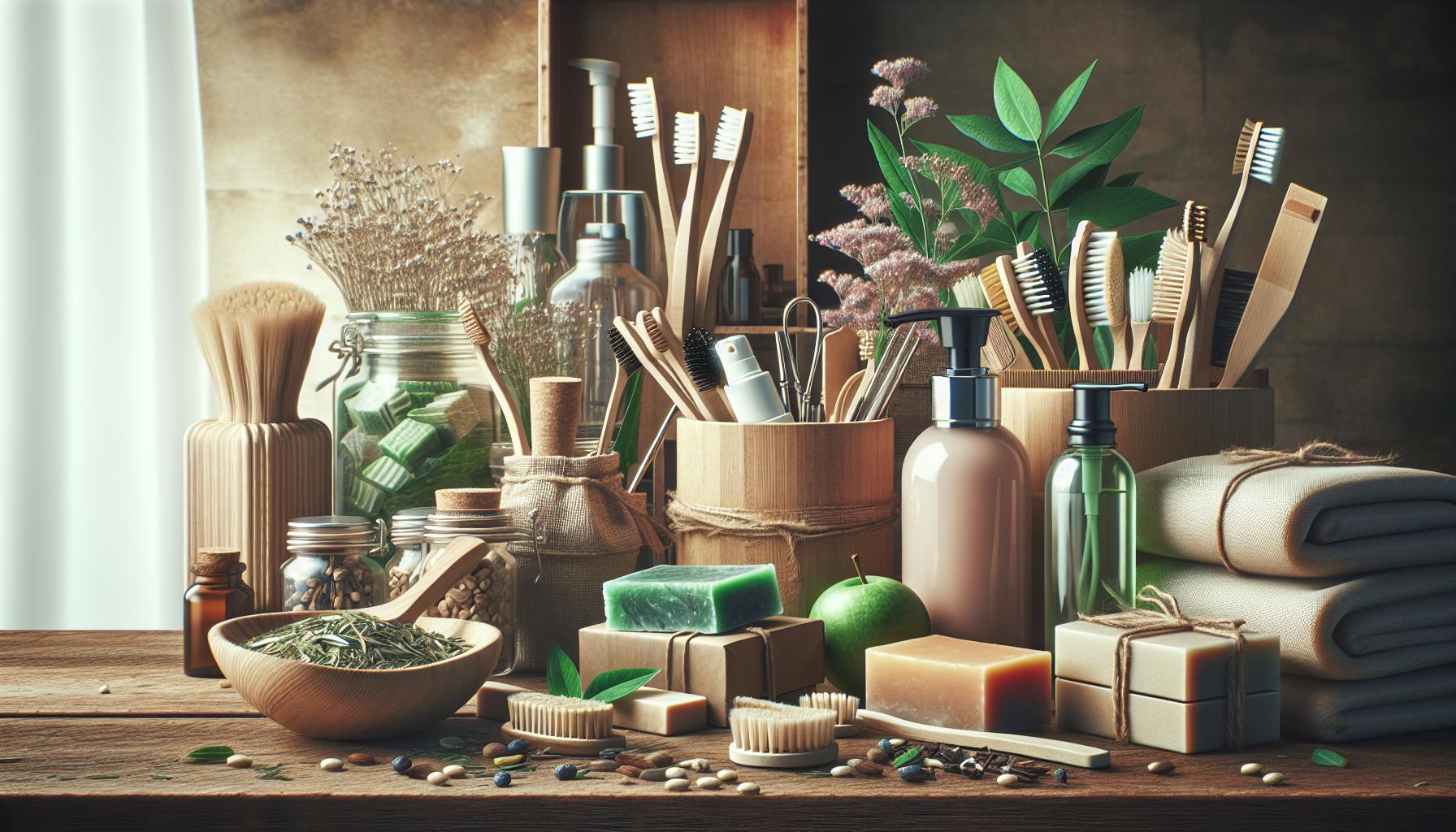
The Influence of Stress on Skin Health and Personal Care Solutions
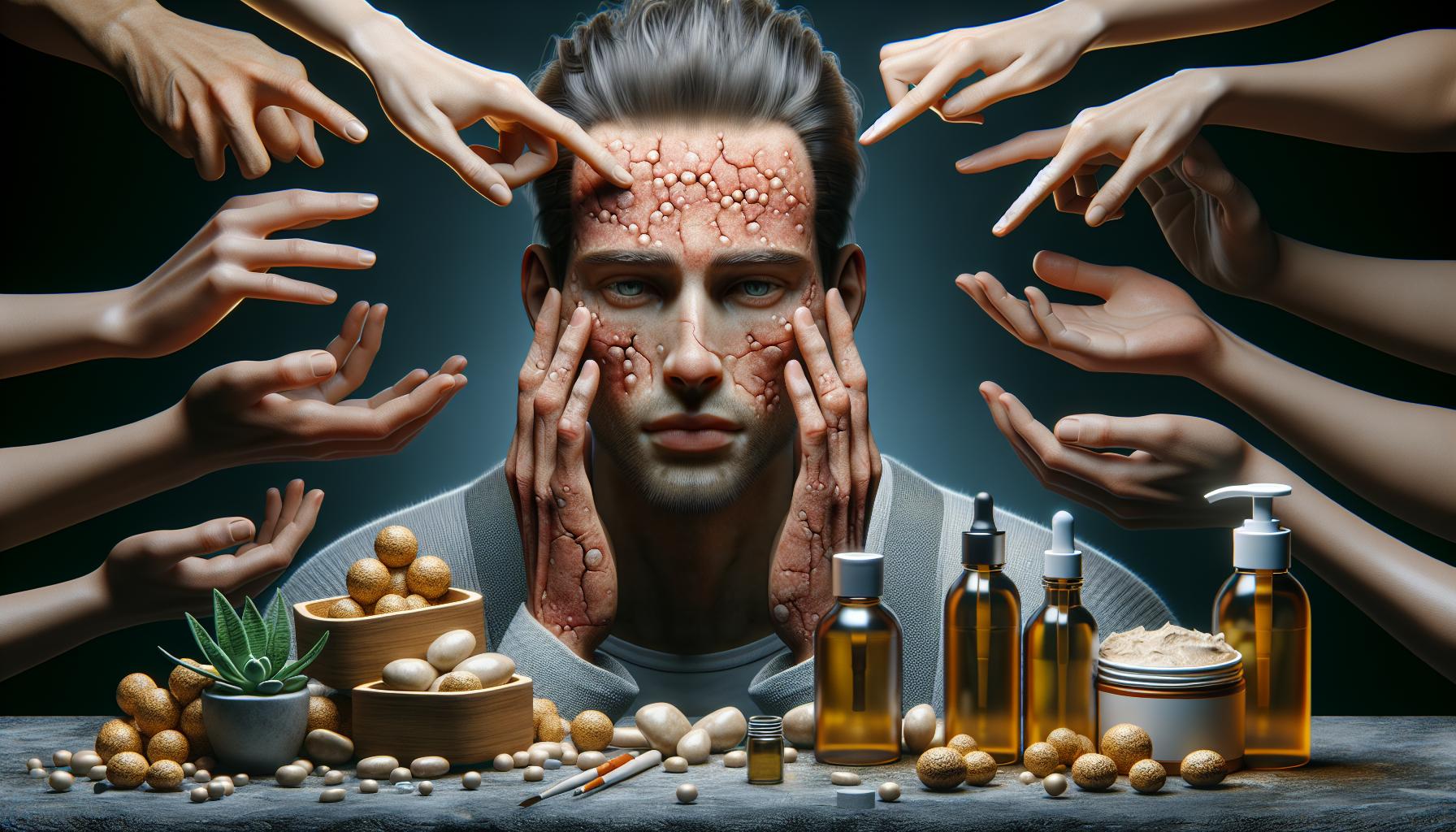
The Intricate Dance Between Stress and Skin Health
In our fast-paced, modern lives, the pressures of work, relationships, and daily responsibilities can manifest in various ways, sometimes showing themselves as stress. While many are aware of the emotional and psychological toll stress can take, fewer recognize its profound effects on skin health, a vital aspect of personal care.
When it comes to skin issues tied to stress, the link often stems from hormonal fluctuations triggered by our body’s fight or flight response. This elevation in stress hormones, particularly cortisol, can lead to a cascade of detrimental changes within the skin.
Common Skin Problems Induced by Stress
- Acne outbreaks: During stressful periods, the body produces excess cortisol, which can stimulate oil glands in the skin, leading to breakouts. This correlation has been observed across various demographics, including teenagers and adults. For instance, a study conducted by the American Academy of Dermatology found significant increases in acne flare-ups among young adults during exam periods.
- Premature aging: Continuous exposure to stress can result in a marked decrease in collagen levels. Since collagen is vital for skin elasticity, its breakdown can lead to fine lines and wrinkles. In this context, keeping stress at bay may be a crucial factor in maintaining youthful skin.
- Eczema flare-ups: For those suffering from eczema, stress can be a major trigger. The National Eczema Association emphasizes that stress not only exacerbates this condition but can also make managing symptoms considerably more difficult. As stress levels rise, so too can the intensity and frequency of the itching and irritation associated with eczema.
- Psoriasis symptoms: Research indicates that stress can trigger the rapid skin cell production characteristic of psoriasis, leading to painful and unsightly patches. Many individuals with psoriasis report that during particularly stressful times, their symptoms become significantly worse, necessitating a reliable management plan that accounts for emotional health.
The implications of these skin issues extend beyond physical appearance; they can lead to decreased self-esteem and increased anxiety, creating a detrimental feedback loop. Addressing skin concerns related to stress requires a comprehensive approach to personal care that includes both topical solutions and stress management techniques.
Strategies for Managing Skin Health
Adapting your skincare routine to counteract the effects of stress is not just about choosing the right products; it also encompasses lifestyle changes. Incorporating stress-relief practices such as mindfulness, yoga, or regular exercise can help reduce the cortisol levels that trigger skin problems. Additionally, a healthy diet rich in antioxidants—from fruits, vegetables, and omega-3 fatty acids—can support skin healing and resilience.
As we explore holistic approaches to skin health, we can uncover numerous personal care solutions tailored to individual needs. Awareness of the connection between stress and skin conditions empowers us to take proactive steps towards better overall health.
DISCOVER MORE: Click here to delve into the evolution of natural ingredients
Understanding How Stress Affects Our Skin
The profound connection between stress and skin health is often overlooked in personal care discussions. Stress manifests not only mentally and emotionally but also physically, particularly on our skin. When faced with stressors, the body initiates a fight-or-flight response, releasing a surge of hormones, including cortisol. These hormonal changes can lead to a variety of skin issues that affect individuals of all ages and backgrounds.
The Science Behind Stress-Induced Skin Conditions
Research highlights several ways that stress impacts skin conditions, revealing a complex interplay between our emotional state and dermatological health. Here are some prevalent ways stress makes its mark:
- Inflammation: Stress triggers inflammatory pathways in the body, leading to conditions such as acne and rosacea. Over time, this inflammation can result in chronic skin irritation and discomfort.
- Weakened Skin Barrier: Chronic stress can diminish the skin’s natural barrier functions, resulting in increased sensitivity and a higher likelihood of moisture loss. This contributes to a dull appearance and a heightened risk of developing conditions like eczema.
- Delayed Healing: A stressed body does not heal as effectively. Whether recovering from a simple scratch or a cosmetic procedure, high stress levels can prolong healing times, making skin vulnerabilities more apparent.
Each of these factors underscores the necessity of addressing not just the physical symptoms, but the underlying stressors that contribute to skin health challenges. For instance, a survey by the American Psychological Association found that more than 75% of Americans reported experiencing stress, with a significant portion indicating that it impacts their overall health, including their skin.
Personal Care Solutions to Mitigate Stress Effects on Skin
Incorporating targeted personal care solutions can significantly improve skin health while simultaneously addressing stress levels. A multifaceted strategy should include:
- Adopting a Skincare Routine: Consistent use of gentle, hydrating products can help reinforce the skin’s barrier, combating dryness and irritation exacerbated by stress.
- Meditation and Mindfulness: These practices help reduce cortisol levels, leading to calmer skin. Studies show that 30 minutes of mindfulness meditation can effectively lower stress and improve emotional wellbeing.
- Exercise: Regular physical activity not only enhances overall health but also stimulates the release of endorphins, which can act as natural stress relievers, indirectly benefiting the skin.
- Nourishing Diet: Embracing a diet rich in vitamins A, C, and E, along with healthy fats from sources like fish and nuts, can fortify the skin against damage and support recovery from stress-related conditions.
By implementing these practical personal care solutions, individuals can take proactive steps towards mitigating the influence of stress on skin health. Awareness of this connection empowers us to create environments—both internal and external—conducive to our skin’s wellbeing.
| Category | Details |
|---|---|
| Stress Impact on Skin | Stress can exacerbate skin conditions like acne, eczema, and psoriasis, leading to inflammation and irritation. |
| Personal Care Solutions | Holistic approaches, including stress management techniques like mindfulness and proper skincare routines, can significantly alleviate stress effects on skin health. |
| Nutritional Support | Adequate hydration and a balanced diet rich in antioxidants help strengthen skin resilience against stress-induced damage. |
| Professional Treatments | Dermatological solutions, such as chemical peels and acne therapies, can be tailored to combat stress-related skin issues effectively. |
Understanding the dynamic relationship between stress and skin health can be pivotal in implementing effective personal care solutions. Stress impacts not only the physical appearance of the skin but also its overall health. By recognizing the signs and addressing them with comprehensive strategies, individuals can not only enhance their skin’s resilience but also improve their overall well-being. The link between mental health and skin conditions underscores the importance of adopting both management techniques and skincare practices to cultivate healthy, glowing skin.
DISCOVER MORE: Click here to learn how to choose beauty products with natural ingredients
Exploring the Psychological Aspects of Stress and Its Dermatological Impact
The intricate relationship between psychological stress and skin health is increasingly being recognized among dermatologists and mental health professionals. Stress not only impacts our skin directly through hormonal fluctuations but also affects our behaviors, which can further aggravate skin issues. Understanding this multifactorial connection can help individuals adopt a more holistic approach to their skin care and overall well-being.
The Role of Anxiety and Depression in Skin Health
Anxiety and depression are common psychological states that often accompany chronic stress. Research indicates that individuals suffering from these conditions are more prone to skin disorders such as eczema, psoriasis, and various forms of dermatitis. A study published in the Journal of Investigative Dermatology revealed that people with high anxiety levels reported significantly more symptoms related to skin sensitivity and irritation.
The link between mental health and skin conditions stems from behavioral patterns as well. Many individuals under stress may unconsciously engage in habits like excessive face touching, picking at blemishes, or neglecting a skincare regimen, exacerbating existing issues. Identifying and interrupting these cycles is key to maintaining skin health.
Importance of Sleep and Restorative Practices
Stress can significantly disrupt sleep patterns, leading to inadequate rest, which is essential for skin rejuvenation. During sleep, the body undergoes repair processes that are vital for skin health, including cell turnover and collagen production. A lack of sleep can result in dark circles, puffiness, and an overall tired appearance, challenging individuals’ efforts to maintain clear and healthy skin.
To combat the impact of stress on sleep, integrating restorative practices such as yoga and deep breathing exercises can be beneficial. According to the National Sleep Foundation, incorporating such techniques can reduce insomnia symptoms and promote restorative sleep cycles, paving the way for healthier, more resilient skin.
Therapeutic Approaches to Skin and Stress Management
Individuals looking to mitigate the effects of stress on their skin can benefit from professional consultation, blending dermatological care with psychological support. Therapists and dermatologists recommend approaching skin concerns from both perspectives. Weathering the dual battles of stress and skin irritation may involve cognitive behavioral therapy (CBT) focused on stress management, alongside customized skincare routines prescribed by dermatologists.
Natural remedies such as essential oils, particularly lavender and chamomile, are gaining popularity for their calming properties and potential skin benefits. Additionally, these therapies not only comprise topical treatments but can extend to adjusting lifestyle choices that calm the mind and elevate self-care practices.
Building a Resilient Routine: Integrating Personal Care with Stress Relief
Creating a personal care strategy that combines both skincare and stress management practices is essential for comprehensive skin health. For example, setting aside time for a weekly facial mask session can double as self-care and relaxation method. Moreover, establishing an evening regimen to wind down—complete with gentle cleansing, application of serum, and meditation—can help mitigate the stress impacts observed throughout the day.
Ultimately, taking a proactive approach toward stress management and skincare not only enhances one’s appearance but also improves overall mental health. In doing so, individuals are taking control of their skin health journey, empowering themselves to make informed choices through understanding the deep-seated connection between stress and skin well-being.
DON’T MISS: Click here to learn how sunscreen protects your skin
Conclusion: Embracing a Holistic Approach to Skin Health
The intricate connections between stress, skin health, and personal care solutions highlight the importance of adopting a comprehensive approach to self-care. As we have explored, the psychological ramifications of stress can manifest in various skin conditions, revealing an often-overlooked aspect of dermatological health. The interplay between our mental state and our skin serves as a reminder that both are deeply intertwined; by nurturing one, we inevitably care for the other.
By understanding that stress can lead to skin issues such as eczema, psoriasis, and other dermatological problems, individuals can seek targeted solutions that encompass effective skincare routines while addressing psychological wellness. Integrating methods such as mindfulness, yoga, and other stress-relief techniques can lead to not only improved skin but also enhanced well-being.
Furthermore, establishing a regular cadence of personal care—like establishing a relaxing evening regimen focused on skin nourishment and mental tranquility—can profoundly impact both skin appearance and overall mental health. Individuals are encouraged to explore natural remedies, professional consultations, and mainstream treatments that work synergistically to combat the effects of stress.
Ultimately, fostering this holistic approach can empower individuals to regain control over their skin health. By addressing both the stressors in our lives and the implications they have on our skin, we position ourselves on a path toward healthier living, reinforcing the notion that caring for our skin is a significant component of self-care and mental wellness.