How Diet Affects Skin Health and Personal Care
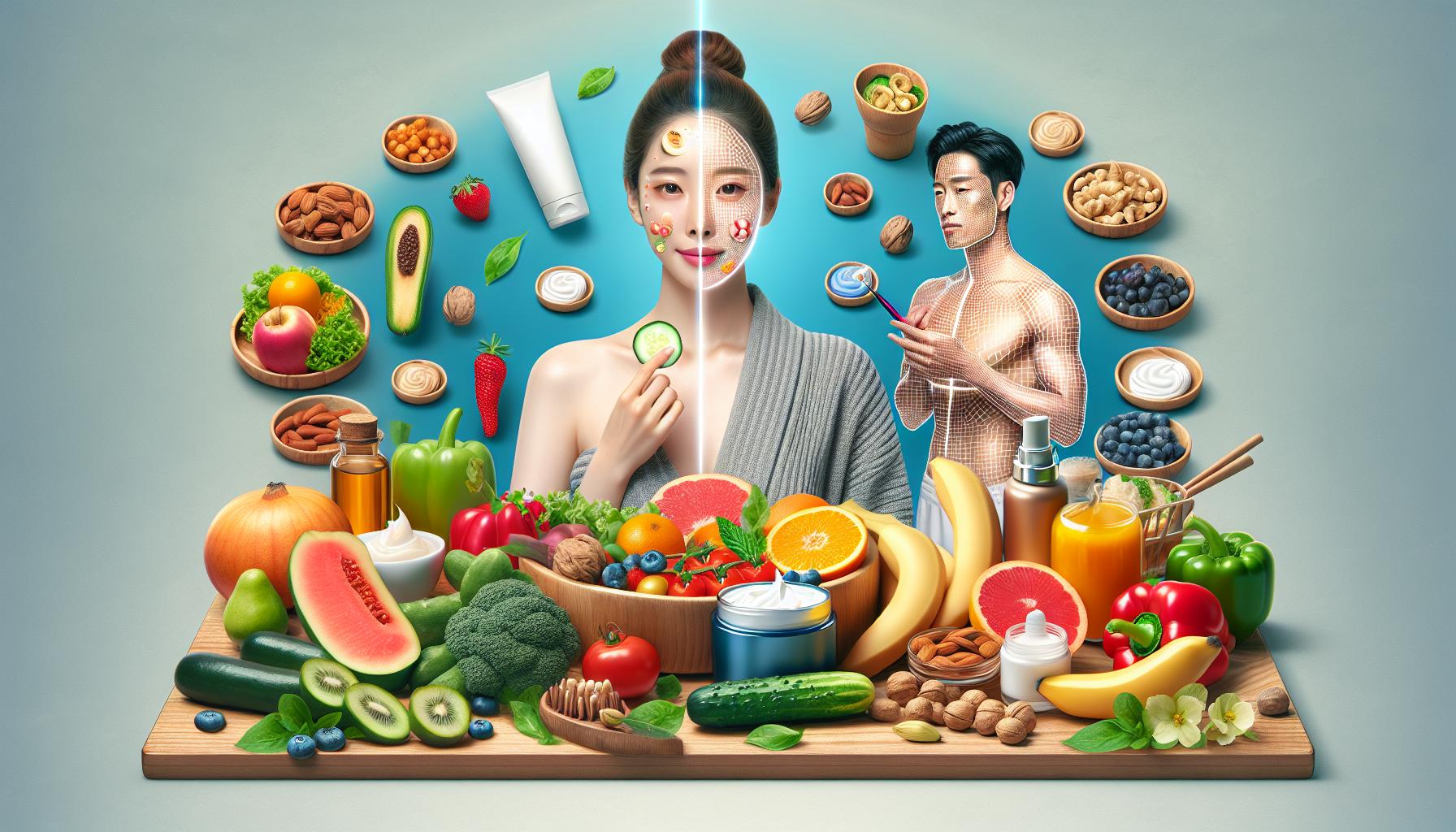
The Intricate Link Between What We Eat and Skin Health
The relationship between diet and skin health is more profound than many realize. What we consume can have a significant impact on our skin’s appearance and overall condition. By understanding this connection, individuals can make informed choices that may enhance their personal care routines. The skin, being the body’s largest organ, acts as a mirror that reflects our internal health, with our dietary choices playing a crucial role in its condition.
One of the most fundamental elements in maintaining skin vitality is hydration. Adequate water intake is essential for maintaining skin elasticity and moisture. The skin cells need hydration to function optimally, and even mild dehydration can lead to a dry, flaky complexion. Aim for at least half a gallon of water daily, and consider adding hydrating foods like cucumbers and watermelons to your diet for an additional moisture boost.
The nutrients we consume also significantly affect our skin. Vitamins and minerals, especially vitamins A, C, E, and omega fatty acids, play vital roles in skin repair and regeneration. For example, vitamin C, found in citrus fruits and berries, is essential for collagen production, crucial for maintaining skin elasticity. Similarly, omega-3 fatty acids, present in fatty fish like salmon and walnuts, help to reduce inflammation, which can mitigate conditions such as acne and rosacea.
- Antioxidants: Foods rich in antioxidants combat oxidative stress, helping prevent premature aging. Berries, dark chocolate, and green tea are excellent sources that can protect skin cells from damage caused by free radicals, ultimately contributing to a youthful appearance.
Many everyday foods can either contribute to radiant skin or exacerbate skin issues. For instance, processed foods, laden with sugars and unhealthy fats, may lead to breakouts and dull skin. In contrast, fruits and vegetables rich in phytochemicals can promote a healthier complexion. Leafy greens, sweet potatoes, and carrots provide a wealth of nutrients that support skin regeneration and fight aging.
Moreover, diet’s impact extends beyond aesthetics. Certain dietary choices can influence conditions like eczema, acne, and psoriasis. For example, a diet high in refined carbs and sugar can trigger inflammatory responses, worsening acne for some individuals. On the other hand, incorporating foods like turmeric and ginger, known for their anti-inflammatory properties, can assist in managing these skin issues.
Understanding these effects can lead to proactive personal care measures, empowering individuals to take charge of their skincare. By exploring how different foods affect skin health, one can pave the way for better choices that not only benefit the skin but also enhance overall well-being. As you consider your daily diet, think about how modifying what you eat might lead to glowing skin and a healthier lifestyle.
DISCOVER MORE: Click here to dive into the latest trends
Nourishment for the Skin: Key Nutrients and Their Impact
When it comes to skin health, the old adage “you are what you eat” truly holds water. Our diet can dictate everything from how our skin feels to its overall appearance. Let’s delve deeper into the essential nutrients that should be part of your daily regimen and explore how they can dramatically improve your skin.
A diet abundant in vitamins can have transformative effects on the skin. Vitamin A, for instance, is crucial for skin cell production and repair, playing a vital role in sustaining a healthy complexion. Sources like carrots, sweet potatoes, and spinach are excellent ways to incorporate this nutrient. On the opposite end of the spectrum, a deficiency in vitamin A may lead to dryness and other skin ailments, demonstrating its importance in your daily diet.
Vitamin C is another powerhouse nutrient known for its ability to enhance skin health. This vitamin fights free radicals and stimulates collagen production, which is essential for maintaining skin elasticity and firmness. Citrus fruits, strawberries, and bell peppers are rich in vitamin C, and including them regularly can lead to a noticeably brighter and firmer complexion.
In addition to vitamins, minerals such as zinc and selenium should not be overlooked. Zinc plays a pivotal role in the skin’s healing process and helps to reduce inflammation. Foods including oysters, pumpkin seeds, and legumes can serve as excellent sources of this vital mineral. Meanwhile, selenium acts as an antioxidant that protects the skin from UV damage, reinforcing the need for its inclusion in your diet. Brazil nuts and fish like tuna and salmon are all rich in selenium.
The Role of Healthy Fats in Skin Health
While one might think that fat is detrimental to health, certain types of healthy fats are essential for maintaining skin moisture and elasticity. Omega-3 fatty acids found in fatty fish, flaxseeds, and walnuts are particularly beneficial. They combat inflammation and can help alleviate conditions like eczema and acne. Studies have shown that diets rich in omega-3s may improve skin hydration and barrier function, leading to a more resilient complexion.
To better understand the potential dietary impacts on skin health, consider incorporating the following foods into your routine:
- Berries: Packed with antioxidants, they help fight free radical damage.
- Leafy Greens: Provide vital nutrients for skin repair.
- Fatty Fish: Rich in omega-3s for reducing inflammation.
- Avocados: High in healthy fats that boost skin hydration.
- Sweet Potatoes: A great source of beta-carotene, which can help prevent sun damage.
By consuming a diversity of these nutrient-rich foods, you can lay the groundwork for healthier skin. Instead of merely relying on topical products, it’s essential to recognize the significant influence of diet on skin health, encouraging individuals to embrace holistic approaches to personal care.
| Dietary Components | Impact on Skin Health |
|---|---|
| Antioxidants (Vitamins C & E) | Help combat free radicals, reducing signs of aging and boosting overall skin radiance. |
| Omega-3 Fatty Acids | Promote skin hydration and decrease inflammation, essential for conditions like acne and eczema. |
| Zinc | Critical for wound healing, reducing irritation and supporting skin barrier function. |
| Hydration | Proper water intake is vital; it helps maintain skin elasticity and plumpness. |
In today’s world, understanding how our diet directly influences skin health is paramount. Research shows that a diet rich in antioxidants, such as fruits and vegetables, can lead to visibly healthier skin. These powerful compounds not only fight skin aging but also enhance its natural glow.Moreover, incorporating omega-3 fatty acids into your meals can significantly improve skin hydration and reduce inflammation. Foods such as salmon, chia seeds, and walnuts are excellent sources. This is particularly beneficial for those suffering from various skin conditions, including acne and eczema.Additionally, zinc plays a crucial role in wound healing and can help alleviate skin irritations. It strengthens the skin barrier, making it more resilient against environmental stressors.Never underestimate the power of hydration. A well-hydrated body not only helps your skin maintain its elasticity but also enhances its overall appearance. Be mindful of your water intake; it is a fundamental aspect of personal care that reflects on your skin’s surface.
DISCOVER MORE: Click here to learn how to choose the best natural beauty products
The Impact of Sugar and Processed Foods on Skin
While a balanced diet rich in vitamins, minerals, and healthy fats is crucial for skin health, it is equally important to understand the adverse effects of certain foods. Sugar and highly processed foods can wreak havoc on your skin, leading to issues such as acne, premature aging, and loss of elasticity. When we consume sugar, it can trigger a process called glycation, where sugar molecules bind to proteins, including collagen and elastin in the skin, rendering them stiff and less effective. This can result in sagging skin and increased wrinkles.
Moreover, refined carbohydrates—found in white bread, pastries, and sugary snacks—can spike insulin levels, promoting oil production in the skin. This excess oil can contribute to acne breakouts and other skin flare-ups. By reducing the intake of these foods and opting for whole grains and natural sweeteners, individuals may experience significant improvements in their skin’s clarity and texture.
Hydration: The Unsung Hero of Skin Care
No discussion about diet and skin health would be complete without highlighting the importance of hydration. Water plays an intimate role in maintaining skin elasticity, removing toxins, and ensuring that nutrients reach the skin cells effectively. Dehydrated skin can appear dull, flakey, and more prone to wrinkles. Experts recommend drinking at least eight 8-ounce glasses of water daily, though individual needs can vary based on activity level and body weight.
Fruits and vegetables with high water content, such as cucumbers, oranges, and watermelon, can contribute to hydration from within. Incorporating soups, herbal teas, or even hydration-enhancing foods in daily meals can ensure optimal moisture levels in the skin.
Probiotics and Gut Health: The Connection to Radiant Skin
The link between gut health and skin health is emerging as an exciting field of study. A healthy gut microbiome can positively influence skin conditions like eczema and acne. Probiotics, which are beneficial bacteria found in fermented foods such as yogurt, sauerkraut, and kimchi, can help keep your gut flora balanced.
Research has indicated that a balanced gut microbiome can reduce inflammation throughout the body, including the skin. This anti-inflammatory effect can enhance conditions like rosacea and psoriasis, making it a smart addition to your diet for achieving clear skin. Many individuals are now turning to probiotic supplements or increasing their intake of fermented foods as part of their skin-care regimen.
Ultimately, achieving glowing, healthy skin goes far beyond topical treatments. By understanding the profound relationship between diet and skin health, individuals can make informed choices that not only enhance their physical appearance but also contribute to long-term skin vitality. As research continues to unfold, the age-old wisdom of “you are what you eat” is becoming more relevant than ever in the realm of personal care.
DIVE DEEPER: Click here to learn about the journey of natural ingredients in cosmetics
Conclusion: Embracing the Connection Between Diet and Skin Health
In the intricate tapestry of skin health, diet plays a pivotal role that cannot be overstated. As we have explored, the consumption of nutrient-dense foods rich in vitamins, minerals, and antioxidants can dramatically improve skin vitality and appearance. Equally, the detrimental impacts of sugar and processed foods highlight the importance of choosing our food wisely; these elements not only contribute to skin conditions like acne but can also accelerate the aging process. The relationship between what we eat and how we look is becoming increasingly clear, as evidenced by the rise in popularity of clean eating and whole food diets.
Moreover, we cannot ignore the significant role that hydration plays in maintaining youthful skin. Drinking sufficient water and incorporating hydration-rich foods is essential for a radiant complexion. Adding elements like probiotics to our diet further bridges the gap between gut health and skin health, illustrating an interconnected system where each component influences the other. The integration of these nutritional insights is not merely a trend but rather a science-backed approach to personal care.
In conclusion, understanding how diet affects skin health empowers individuals to make informed decisions that extend beyond superficial treatments. By prioritizing wholesome, nourishing foods, staying hydrated, and fostering gut health, anyone can achieve clearer, healthier skin. The journey towards vibrant skin begins on our plates, reaffirming the timeless adage that indeed, we are what we eat. As you embark on your personal care journey, consider re-evaluating your dietary choices and watch how they bring about transformative changes to your skin.