The Importance of Hydration for Skin Health: Myths and Truths
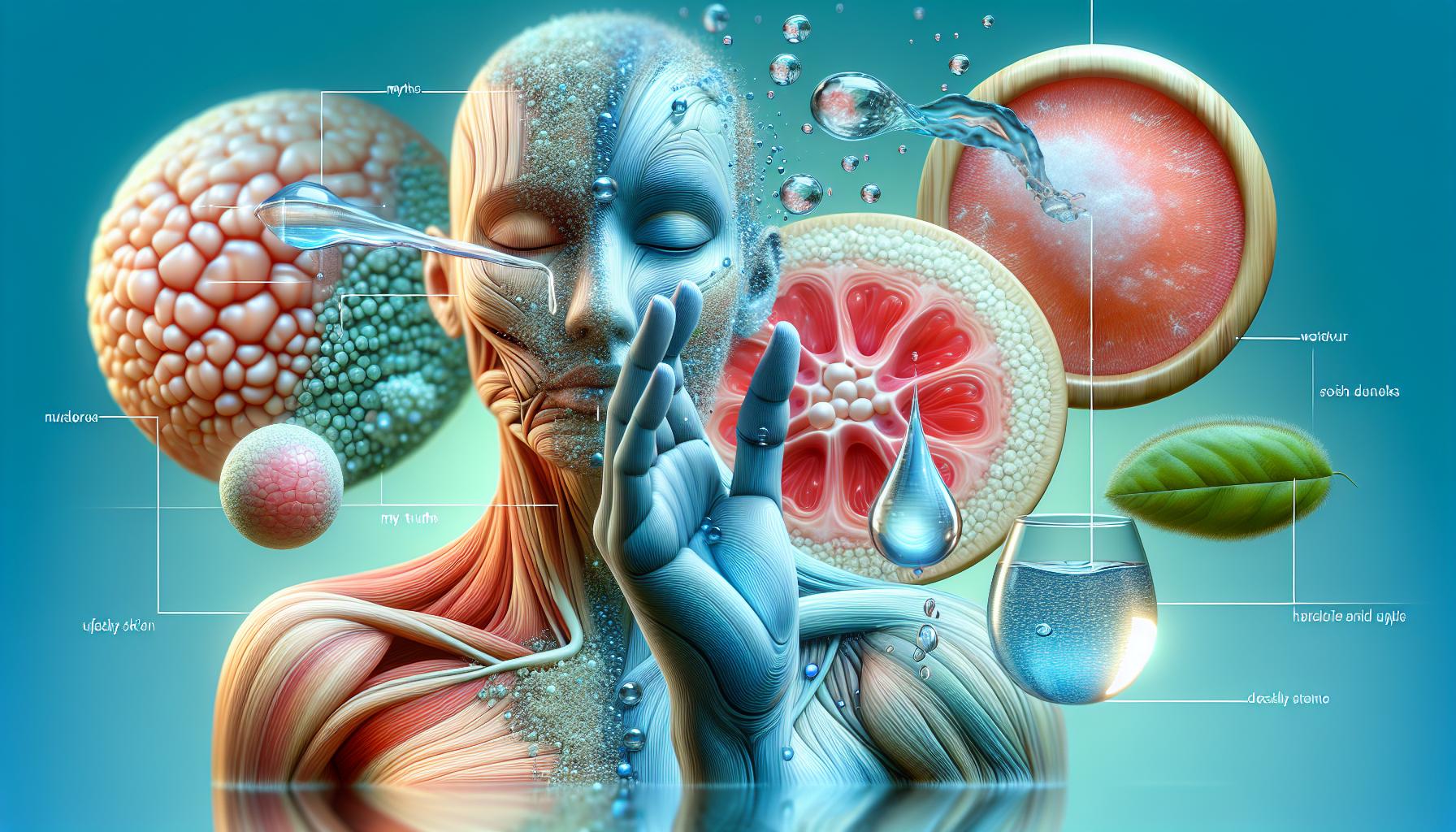
The Role of Hydration in Skin Health
The connection between hydration and skin health is one that sparks both curiosity and confusion. While many individuals might assume that simply drinking more water can turn their skin into a glowing masterpiece, the true picture is often more complex. Understanding how hydration impacts skin health is crucial for achieving that desired radiant complexion.
Hydration Levels Matter
Our skin is the largest organ of the body, and it thrives on adequate hydration. Maintaining optimal hydration levels is vital for skin elasticity, which is essential for preventing fine lines and wrinkles. For example, when skin is hydrated, it appears plumper and more youthful. Studies have shown that skin hydration can improve its overall barrier function, promoting softness and reducing the occurrence of dryness or irritation. Therefore, keeping your body hydrated goes beyond just drinking water; it’s an invitation to a holistic approach to skincare.
The Importance of Both Internal and External Hydration
While drinking water is fundamental, it is also crucial to consider external hydration. Moisturizers and skin creams can significantly enhance the skin’s hydration level, especially in climates that are dry or during harsh winter months. Products containing ingredients like hyaluronic acid can attract moisture to the skin, while oils can lock in that hydration. For instance, users of facial creams infused with natural oils like jojoba or argan oil notice a remarkable difference in their skin’s texture and moisture retention.
Dietary Influences on Skin Health
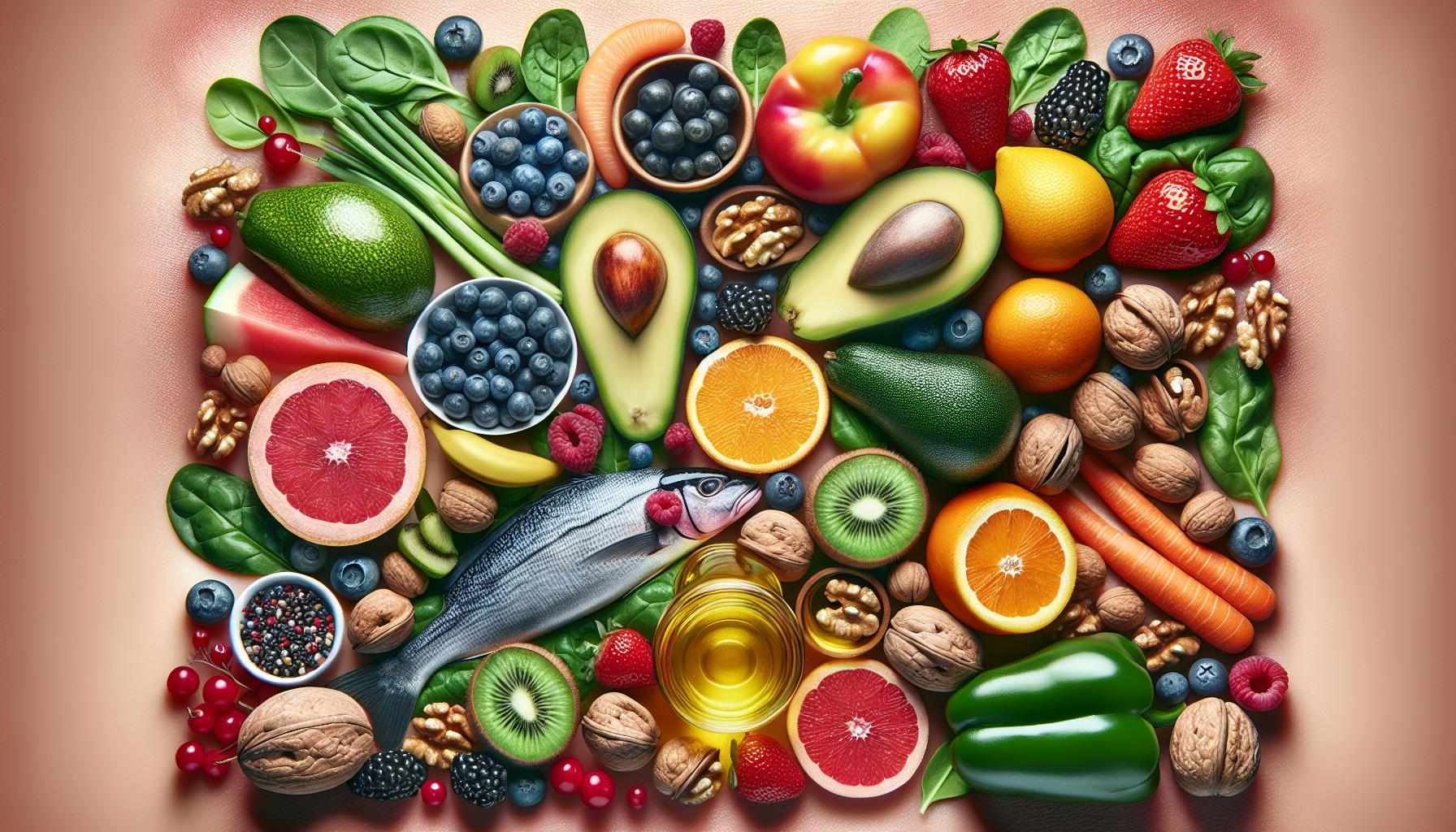
Your diet can dramatically impact the hydration of your skin, as well. Foods high in water content—such as cucumbers, watermelon, and oranges—contribute to your overall fluid intake. Moreover, incorporating foods rich in antioxidants, like berries and leafy greens, can combat skin aging. For example, vitamin C found in strawberries not only keeps your skin hydrated but also promotes collagen production, vital for maintaining a youthful appearance.
Dispelling Common Myths
It’s essential to navigate the sea of misinformation surrounding hydration. The popular belief that “You need to drink at least eight glasses of water daily for perfect skin” is simplistic and doesn’t take into account individual needs based on activity level, age, and climate. Additionally, the notion that “Only people with dry skin need to worry about hydration” neglects the fact that even oily skin can be dehydrated and require adequate moisture. Lastly, some might think “Moisturizers are enough without considering your water intake,” which could lead to inadequate hydration, affecting the skin’s overall health and vitality.
As you explore various beauty products and remedies, remember the importance of distinguishing between myths and truths about hydration. Understanding the nuances brings you one step closer to achieving and maintaining healthy skin. Through informed choices, proper hydration methods, and a balanced diet, you can nurture your skin from the inside out and reveal a radiant glow that truly reflects good health.
DISCOVER MORE: Click here to uncover the secrets of choosing natural beauty products
Understanding Hydration: Essential for Skin Vitality
To grasp the full importance of hydration for skin health, it’s essential to delve into how hydration affects the skin at various levels. Understanding these levels will shed light on why both internal and external hydration are key players in maintaining that sought-after glow. This knowledge can be your guiding compass in navigating the diverse landscape of skincare.
The Impact of Dehydration on Skin
Dehydration can manifest on the skin in several distressing ways. Recognizing these signs allows for quicker intervention. Common indicators include:
- Dry Patches: Areas of skin that lack moisture can become flaky and rough, often feeling tight to the touch.
- Redness and Irritation: Dehydrated skin may become inflamed, leading to excessive sensitivity.
- Increased Fine Lines: Lack of hydration can accentuate the appearance of fine lines and wrinkles, making skin appear older.
- Dullness: A lack of moisture can deprive the skin of its natural radiance, resulting in a tired and lackluster appearance.
It’s a stark reminder that hydration is not merely a cosmetic concern but a foundational pillar of skin health. Research has shown that adequately hydrated skin can absorb skincare products better, enhancing their effectiveness. The skin’s barrier function improves, acting as a shield against environmental pollutants and pathogens that can cause premature aging and other skin ailments.
The Role of Lifestyle Choices
To cultivate healthy skin hydration, it’s pivotal to consider your lifestyle choices. Factors like exercise, climate, and stress can influence the body’s hydration levels significantly. For example, individuals active in hot climates or those with demanding schedules may lose fluid rapidly through sweat and stress-induced perspiration.
To counteract the effects of lifestyle on skin hydration, consider these strategies:
- Stay Hydrated: Track your daily water intake and aim for a minimum of eight 8-ounce glasses, adjusting based on your needs and activity levels.
- Monitor Climate Effects: In colder months, using a humidifier can help maintain skin hydration levels indoors.
- Practice Stress Management: Engaging in relaxation techniques such as yoga or meditation can help keep hydration levels steady by reducing evaporation caused by stress.
Making Informed Choices for Skin Hydration
Arming yourself with information on hydration is the best way to foster skin vitality. Whether it involves balancing your water intake, investing in a quality moisturizer, or being mindful of your dietary choices, every action you take adds up. As the body absorbs nutrients from food and water, it’s essential to appreciate the interconnectedness of what you consume and how it manifests in your skin.
In conclusion, hydration remains one of the most pivotal aspects of achieving a healthy skin complexion. By distinguishing the truths from the myths regarding skin hydration, you embark on a journey towards maintaining vibrant, nourished skin. Understanding the dependence on both internal and external sources of hydration can aid your goal of achieving skin that not only looks good but also embodies health and vitality.
The Importance of Hydration for Skin Health: Myths and Truths
As we delve deeper into skin hydration, it’s crucial to distinguish between myths and truths surrounding this fundamental aspect of skin health. One common myth is that drinking excessive amounts of water directly translates to better skin health. While hydration is vital, the body distributes water based on its needs, and excess water may not yield the expected skin benefits. Similarly, another prevalent notion is that simply applying hydrating products can replace the necessity of drinking water. In reality, effective hydration encompasses both internal and external strategies.
Let’s explore some key facts about hydration that can alleviate common misconceptions:
| Skin Hydration Factor | Details |
|---|---|
| Natural Oils | Using natural oils can enhance the skin barrier, preventing moisture loss and locking in hydration effectively. |
| Moisturizers | Quality moisturizers with hyaluronic acid and glycerin can draw moisture into the skin, providing a plump and hydrated appearance. |
Understanding these elements can lead to better decisions regarding skin care routines. Additionally, optimizing hydration isn’t merely about drinking water; it’s about embracing a holistic approach that includes diet, environmental factors, and the careful selection of skin-care products.
Stay tuned as we uncover more truths and elaborate on effective strategies to maintain skin hydration, allowing you to achieve a radiant complexion.
DIVE DEEPER: Click here to discover the evolution of natural ingredients in cosmetics
Debunking Myths About Skin Hydration
Despite widespread acknowledgment of the benefits of hydration for skin health, numerous myths persist that can cloud understanding. Untangling these misconceptions can empower individuals to adopt effective hydration practices for enhanced skin vitality.
Myth 1: Drinking Water Alone is Enough
One of the most common misconceptions is that simply drinking adequate amounts of water guarantees well-hydrated skin. While internal hydration is vital, it’s not a standalone solution. The skin surface also requires external hydration through moisturizers. Many people overlook the environmental factors that can strip skin of moisture, such as harsh weather or pollution. Utilizing a daily moisturizer that contains hydrating ingredients like hyaluronic acid or glycerin can make a significant difference in maintaining hydration levels.
Myth 2: Oily Skin Doesn’t Need Hydration
Many believe that individuals with oily skin can skip hydrating products, thinking that excessive oil is sufficient. This is misleading, as oily skin can still be dehydrated. When the skin is lacking moisture, it can produce even more oil to compensate, leading to a vicious cycle of imbalance. Incorporating lightweight, oil-free hydrators can help replenish moisture without contributing to excess oiliness, ensuring all skin types receive the hydration they need to thrive.
Myth 3: Hydration Only Matters in Summer
Seasonal shifts can deeply affect skin health, and many people mistakenly believe that hydration is only a concern in the sweltering summer months. In reality, winter can be particularly harsh on the skin. Cold air outside and heating systems indoors can lead to severe moisture loss, making winter hydration practices equally important. Investing in a richer moisturizer during colder months, alongside routine hydration intake, can help combat winter dryness, keeping skin smooth and supple.
Scientific Insights on Skin Hydration
To further illustrate the significance of hydration, consider that the skin comprises approximately 64% water. This percentage emphasizes the need for adequate moisture for optimal skin function. A study published in the *Journal of Clinical and Aesthetic Dermatology* revealed that participants who increased their water intake showed a remarkable improvement in skin elasticity and hydration levels. This data underscores the importance of not only drinking water but being mindful of skincare routines that enhance and maintain skin hydration.
Choosing the Right Hydrating Products
While understanding hydration myths is crucial, selecting the right products can be equally transformative. Delving into the ingredient deck of moisturizers can help reveal which formulations suit individual skin needs best. For optimal hydration:
- Look for Hyaluronic Acid: This powerful humectant draws moisture from the environment into the skin, providing long-lasting hydration.
- Consider Glycerin: Another key humectant, glycerin helps seal in moisture and is ideal for all skin types.
- Explore Natural Oils: Ingredients like jojoba oil or squalane not only hydrate but also create a protective barrier against moisture loss.
Choosing the right products and understanding the intricacies of skin hydration can enhance not only the appearance of your skin but its overall health. By remaining informed about hydration myths and embracing effective strategies, you can nurture your skin into its most vibrant state.
DISCOVER MORE: Click here to learn about the latest natural ingredient trends
Conclusion: Embracing Effective Hydration Practices for Optimal Skin Health
In conclusion, the link between hydration and skin health is undeniable, yet misperceptions continue to create confusion. It is essential to understand that while drinking water is a critical component of internal hydration, it must be complemented with external moisturizing strategies to truly benefit skin vitality. Recognizing that all skin types, even oily skin, require consistent hydration is vital for maintaining balance and preventing excess oil production.
Moreover, we must not overlook the seasonal variations that impact skin moisture levels. Hydration is a year-round commitment, necessitating adjustments in skincare routines to address environmental challenges and seasonal changes. Armed with scientific insights linking hydration to skin elasticity and resilience, individuals can navigate the crowded world of skincare with confidence.
Choosing the right hydrating products—those rich in hyaluronic acid, glycerin, and natural oils—will empower users to tailor their regimen to their unique skin needs. By dispelling myths and adopting informed hydration practices, you can unlock the potential for healthier, glowing skin. Ultimately, staying educated about hydration will not only enhance your skin’s appearance but also fortify its overall health, leading to a more vibrant, youthful complexion.
For those keen on further exploring this topic, consider investigating various hydrating formulations and their individual benefits, as well as consulting a dermatologist to tailor a routine specific to your needs. Hydration is not merely a beauty trend—it’s a vital aspect of holistic skincare that deserves attention and respect.