Trends in Pet Adoption in Nigerian Urban Communities
Understanding Pet Adoption Trends in Nigeria
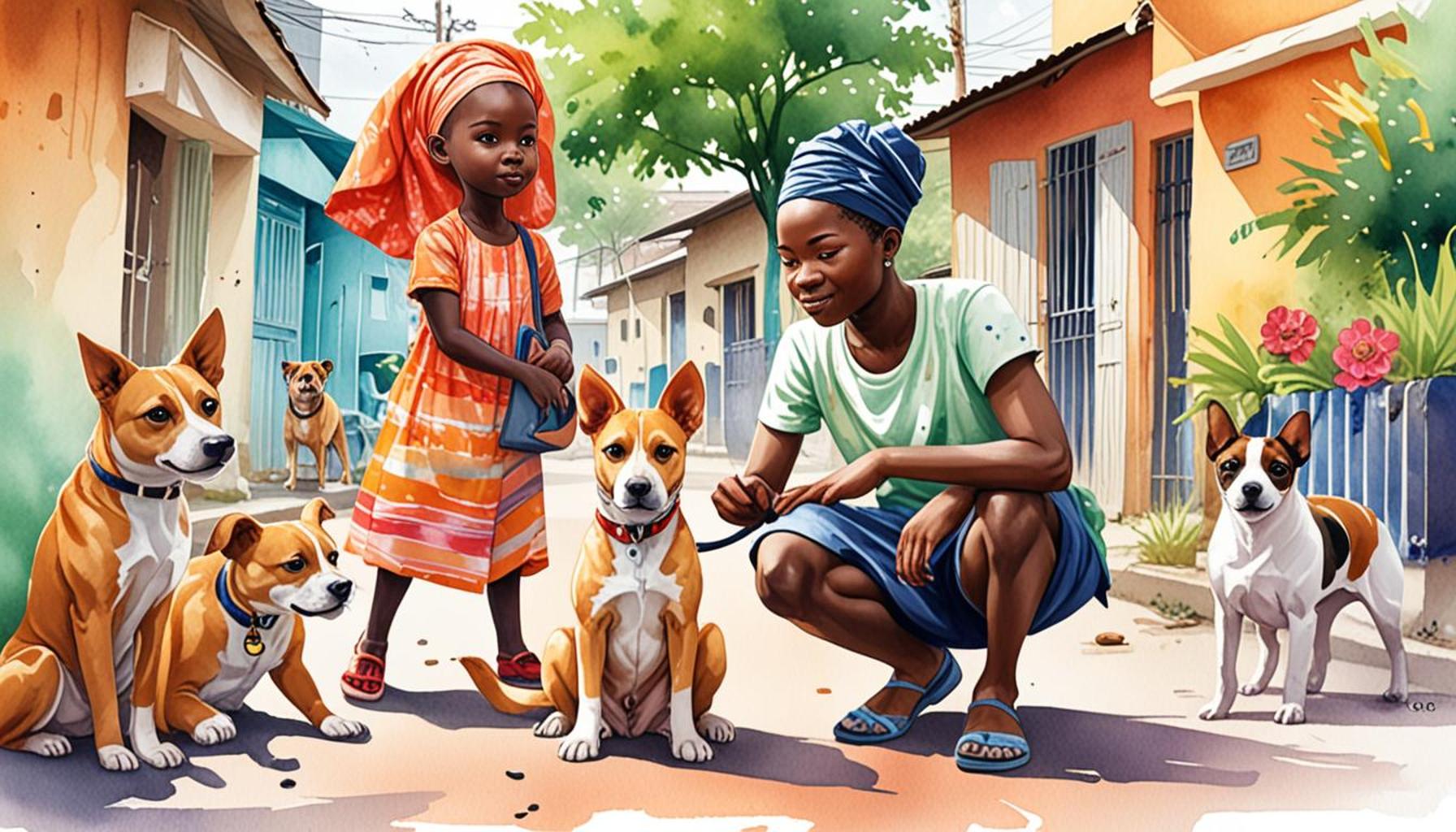
In recent years, pet adoption in Nigerian urban communities has seen a remarkable shift. This movement is not just about bringing animals into homes; it’s a reflection of evolving attitudes towards pet ownership and companionship. The influence of globalization, social media, and urbanization is fundamentally reshaping how Nigerians perceive pets.
One of the most significant trends is the increased awareness surrounding the benefits of adopting pets. With the rise of social media platforms like Instagram and Facebook, many Nigerians are exposed to success stories of rescued animals. These platforms serve as a catalyst for change, showcasing heartwarming transformations of shelter animals into beloved family members. Consequently, more individuals are beginning to consider adopting animals from shelters and rescue organizations instead of purchasing from breeders or pet shops, leading to a growing population of healthy and well-loved pets in households.
Additionally, the trend towards diverse pet choices is gaining momentum. While dogs and cats have long been favored companions, there’s a noticeable shift toward adopting less common pets, including rabbits, birds, and even reptiles such as snakes and iguanas. Urban dwellers, especially in major cities like Lagos and Abuja, are exploring the idea of having a more eclectic pet collection that reflects personal taste and lifestyle. For example, in Nigeria, many young professionals appreciate the low-maintenance nature of rabbits, making them a popular choice for apartment living.
Moreover, community engagement in pet adoption is thriving. Various NGOs and animal rights organizations are organizing adoption drives and educational campaigns to promote animal welfare. Events often attract large crowds, demonstrating a growing interest in responsible pet ownership. For instance, “Adopt a Dog Day” events in urban parks not only facilitate direct adoptions but also foster community interactions, helping to instill a sense of responsibility among urban residents towards homeless animals.
Today, pet ownership among urban Nigerians is intricately tied to lifestyle choices and personal expression. Many individuals now view pets as family members rather than mere animals. This shift creates a unique bond that contributes to emotional well-being, particularly in the hustle of city life. The presence of a pet can alleviate stress, provide companionship, and even motivate owners to engage in outdoor activities, further enhancing their quality of life.
As we explore the trends in pet adoption across Nigeria, it is essential to delve deeper into how socioeconomic factors and personal preferences shape these patterns. The awareness of animal welfare is growing, particularly within the burgeoning middle class who have the means to provide for pets adequately. Understanding these dynamics will shed light on the future of pet ownership in Nigeria’s urban centers, indicating a shift towards a more compassionate and responsible approach to loving and caring for pets.
Shift in Attitudes Towards Pets
The ongoing transformation in pet adoption trends within Nigerian urban communities highlights a fundamental shift in attitudes towards pet ownership. Emphasizing compassion and responsibility, this new perspective is significantly influenced by increased educational efforts and community engagement initiatives. Urban residents are beginning to recognize the importance of adopting rather than buying pets, fostering the notion that every animal deserves a loving home.
A critical component of this change is the rising influence of social media. Platforms like Instagram, Facebook, and Twitter have become powerful tools for showcasing the stories of abandoned animals in need of homes. Each post or tweet featuring a rescue story captures the hearts of potential pet owners, encouraging them to consider adoption as a feasible option. As a result, many urban Nigerians are now sharing their own pet adoption stories, creating a culture of empathy and awareness. This sharing not only educates but also inspires others to embark on similar journeys, slowly dismantling the stigma around adopting shelter animals.
Accessibility and Economic Factors in Adopting Pets
Moreover, the economics of pet ownership play a significant role in shaping the trends observed in urban pet adoption. As Nigeria grapples with economic challenges, there is a growing segment of the population that views pet adoption as both a practical and emotionally rewarding choice. Many individuals in urban areas are finding it financially viable to adopt pets due to lower costs associated with shelters compared to purchasing from breeders.
According to data, the cost of adopting a pet from a shelter can range from NGN 5,000 to NGN 25,000, while buying from breeders can escalate into hundreds of thousands of Naira. This reality motivates many prospective pet owners to consider adoption as a budget-friendly option, often intersecting with the values of animal welfare and responsible ownership. The affordability of adopting pets also encourages a broader demographic to partake in pet ownership, including young adults and middle-income families.
Factors Influencing Urban Pet Selection
In addition to financial considerations, urban Nigerians are increasingly selective about the type of pets they adopt. Several factors influence this choice, including:
- Living Space: Apartments and smaller homes in bustling cities prompt prospective pet owners to adopt smaller or less active animals, such as cats, rabbits, and even certain bird species.
- Lifestyle Compatibility: Busy professionals often choose pets that require less maintenance. Smaller dog breeds or even pets like guinea pigs have become more prevalent among individuals with hectic schedules.
- Social Media Influence: The visibility of unique pet types across social platforms is encouraging urban dwellers to adopt unconventional pets, from reptiles to exotic birds, appealing to their desire for individuality.
This evolving dynamic around pet selection reflects a broader cultural shift in Nigeria, where pets are increasingly viewed not just as animals but as integral companions that enhance emotional well-being. As we dive deeper into the pet adoption trends in Nigerian urban communities, it becomes vital to analyze how these shifts in behavior contribute to a more compassionate societal approach toward animal welfare.
| Category 1 | Category 2 |
|---|---|
| Increased Awareness | Education campaigns about responsible pet ownership are reshaping attitudes towards adoption. |
| Community Initiatives | Local shelters and NGOs are leading efforts to promote adoption through community events and reduced fee programs. |
Alongside these trends, there is a noticeable shift in demographics with younger urban dwellers increasingly choosing to adopt pets. This shift is accompanied by the recognition of the physical and emotional benefits pets can bring. More urban communities are opening their hearts to animals in need, and this transformative wave is impacting multiple aspects of society. In addition, the rise of social media platforms has enabled pet adoption stories to reach wider audiences, fueling a desire to adopt instead of purchase, thus alleviating pressures on pet overpopulation. Beyond this, the mental health benefits of pet companionship are being increasingly recognized, providing emotional support during stressful times. As a result, many young professionals are opting for pets to complement their busy city lives, leading to a richer understanding of the human-animal bond.As these trends continue to evolve, the potential for enhancing the welfare of pets in Nigerian urban communities grows exponentially.
Community Engagement and the Role of Non-Profits
The surge in pet adoption trends in Nigerian urban communities cannot be discussed without acknowledging the significant contributions of non-profit organizations and community groups dedicated to animal welfare. These organizations have become critical in facilitating the adoption process, providing education, and raising awareness about the benefits of adopting rather than buying pets. Initiatives such as community adoption drives, educational workshops, and outreach programs are becoming increasingly popular, further promoting responsible pet ownership.
For instance, many cities now see regular adoption fairs organized by animal shelters and advocacy groups, where community members can meet pets in need of homes. These events often emphasize the stories behind each animal, using emotional appeal to connect with potential adopters. By sharing these narratives, activists aim to foster a sense of empathy and encourage individuals to consider adopting animals that may have otherwise been overlooked.
Moreover, the collaboration between local governments and non-profits has been pivotal in addressing the challenges of stray animal populations. Programs that aim to reduce the number of stray animals through spaying and neutering, vaccination campaigns, and fostering initiatives are gaining momentum. These measures not only present humane solutions to managing stray animals but also educate the public about the necessity of caring for pets, ultimately driving more individuals towards adoption.
The Impact of Cultural Attitudes and Myths
Despite the growing trend of pet adoption, several challenges persist, rooted in cultural attitudes and myths surrounding certain breeds or types of pets. In many urban settings in Nigeria, there exists an inherent fear or misunderstanding regarding adopting mixed breeds or shelter animals, with some individuals believing they may be more prone to health issues or behavioral problems. To counter these misconceptions, various organizations have launched educational campaigns focusing on the benefits of mixed-breed pets, along with success stories of adopted animals that have thrived in loving homes.
Furthermore, traditional beliefs about pets can adjust the decision-making process for many prospective adopters. In communities where dogs are often viewed suspiciously, or cats are perceived as bad omens, there is an uphill battle for advocates trying to normalize pet ownership. Community leaders and social influencers play a vital role in dismantling these myths, by setting examples through personal adoption stories and encouraging others to embrace a more open attitude towards various pet types.
Influence of Pet Care Products and Services
The rise in pet adoption is also mirrored by a booming market for pet care products and services. As urban dwellers increasingly embrace pet ownership, there has been a marked increase in the availability of pet food, grooming services, and veterinary care tailored to the evolving demands of pet owners. Additionally, many urban centers now boast pet supply stores that cater specifically to the needs of adopted animals, ensuring that new pet owners have access to affordable and quality products.
This growth reflects a shift in consumer behavior, as many urban Nigerians are willing to invest in their pets’ health and well-being. Collaborating with local businesses, shelters are often able to offer discounts or special packages for new adopters, reducing cost barriers and making it easier for families to start their pet-owning journey.
Through a combination of effective outreach programs, cultural shifts, and economic realities, the evolving trend of pet adoption in Nigerian urban communities presents promising opportunities for both animals and their potential owners. This dynamic landscape is a testament to the increasing awareness of responsible pet ownership, shaped by collective community efforts. As urban residents continue to open their hearts and homes to animals in need, the future of pet adoption in Nigeria seems increasingly bright.
Conclusion
The trends in pet adoption in Nigerian urban communities reflect a transformative shift in societal attitudes towards pets, driven by a combination of cultural engagement, educational initiatives, and growing accessibility to pet care resources. As we have explored, the involvement of non-profit organizations has been instrumental in promoting responsible pet ownership and facilitating the adoption process. Their efforts not only address the prevalent myths surrounding mixed breeds and shelter animals but also reshape the narrative around pet ownership in Nigerian society.
Furthermore, the rise of a vibrant market for pet care products and services complements the surge in pet adoption, showcasing an emerging willingness among urban residents to invest in the health and happiness of their adopted animals. This burgeoning economy, paired with community-driven adoption events, reflects a broader cultural acceptance of pets as companions rather than mere possessions.
However, challenges remain. Overcoming deep-rooted cultural beliefs and generating consistent awareness about the benefits of animal adoption will require persistent collaboration among community leaders, influencers, and advocacy groups. The future of pet adoption in Nigeria hinges on continued community engagement and an unwavering commitment to reshaping perceptions around pets.
In conclusion, the optimistic trajectory of pet adoption in Nigerian urban areas not only offers a brighter future for countless stray animals but also enriches the lives of families and individuals alike, paving the way for a more compassionate society. As we witness this evolving landscape, it is essential for stakeholders to remain dedicated to fostering a culture of empathy and responsible pet ownership.