Training Tips for Small Dog Breeds: Adapting Methods to Size
Understanding Small Dog Training
Training small dog breeds requires a distinct approach, tailored to their unique size and temperament. These adorable pets, often full of energy, present both challenges and rewards during the training process. Owners need to embrace a variety of techniques to ensure effective learning and bonding.
- Behavioral nuances: Small dogs can display stubbornness, making consistency crucial. For instance, breeds like the Chihuahua are known for their fierce independence. This trait can lead them to test boundaries, so establishing a clear set of training rules from the start is vital.
- Positive reinforcement: Techniques such as treats and praise can effectively motivate them. Using high-value rewards tailored to your dog’s preferences—like pieces of cooked chicken or special dog treats—can make training more engaging. In Nigeria, where flavors are rich and varied, even a sprinkle of local delicacies can serve as an enticing reward during training sessions.
- Short sessions: Keeping training sessions brief helps maintain focus and enthusiasm. Small dogs often have shorter attention spans, so limiting training to intervals of 5-10 minutes can enhance their ability to absorb new commands and tricks, making them feel less overwhelmed.
In Nigeria, owning small breeds like the Chihuahua or Pomeranian is increasingly popular. Adapting training methods specifically for these breeds is essential for their development and well-being. Consider the bustling environment of urban areas in Lagos, where these small breeds often encounter larger dogs and crowded spaces. Proper training helps navigate these encounters safely.
Why Size Matters
Small dog breeds often perceive themselves as big and bold; this mind-set can sometimes lead to unwanted behaviors such as excessive barking or aggressive posturing. Understanding the size-specific traits can guide owners in selecting proper training techniques that take these quirks into account.
- Socialization: Engaging with other dogs enhances their adaptability. It is crucial to expose them to various settings and dog breeds, especially in communal settings like parks or during dog-friendly events. This exposure helps mitigate the instinct to overreact to unfamiliar canines.
- Safety: Training should also focus on navigating larger environments safely. Teaching commands such as “leave it” or “come” can protect smaller pets when larger dogs approach enthusiastically.
- Commands: Basic commands like sit and stay are essential for effective management. These commands not only ensure safety but also enhance communication and understanding between pet and owner. They serve as a foundation for more complex tricks or responsive behaviors.
With the right training tips, small dog owners can harness the full potential of their furry companions. Exploring these methods can lead to a better relationship and a well-adjusted pet, ultimately contributing to a happy household. By understanding the unique dynamics of training small breeds, owners can forge stronger bonds while equipping their pets with necessary skills to thrive in both urban and rural Nigerian settings.
Tailoring Training Techniques for Small Breeds
When it comes to training small dog breeds, understanding their specific needs and characteristics is fundamental for successful outcomes. These pint-sized companions not only capture our hearts but also require a different training strategy than their larger counterparts. Small dogs, such as French Bulldogs and Pugs, exhibit distinctive behaviors and learning tendencies that necessitate a distinct approach.
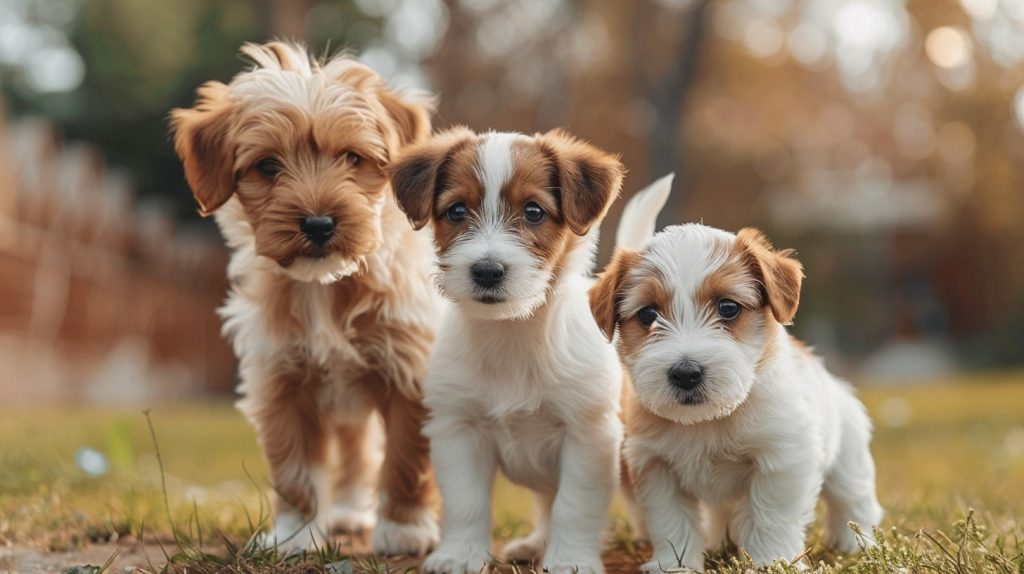
- Understanding Temperament: Many small breeds can be a bit vocal and display strong personalities. For instance, Yorkshire Terriers may bark excessively as a means of communication or to establish boundaries. Being aware of this helps owners adjust their training methods to foster positive behavior while discouraging unwanted barking.
- Consistency is Key: Establishing a routine is crucial when dealing with small dogs. Consistent commands, rewards, and training schedules help create a sense of security and structure. The repetition of commands, such as “sit” or “down,” reinforces learning, making it easier for the dog to grasp new concepts over time.
- Patience and Persistence: Small dogs may take longer to learn specific commands due to their independent nature. Patience is essential, especially during the challenges of training. Techniques such as breaking down commands into smaller steps can facilitate the learning process, allowing these small pals to progress at their own pace.
In various Nigerian cities, such as Abuja and Port Harcourt, the prevalence of compact living spaces often means that small dog breeds are the ideal choice for pet owners. However, this urban setting can pose unique challenges during training, with distractions such as traffic and other animals. Developing a training plan tailored to the environment, and practice in different settings, can yield positive results and increase a dog’s confidence.
Engaging with Social Skills
Socialization plays a vital role in the training of small breeds, as their perceived vulnerability can lead to defensive behaviors. Introducing your dog to other pets and new environments can significantly affect their demeanor. A well-rounded routine can involve:
- Frequent Outings: Taking your small dog to parks or community events will expose them to a variety of sights, sounds, and smells. Keeping a close watch during interactions can contribute positively to their social skills.
- Playdates: Arranging playdates with other friendly small dogs is an excellent way to teach your pet how to interact playfully. This helps them learn boundaries and proper dog etiquette, ultimately fostering healthy relationships.
- Class Enrollments: Local training classes can provide a structured environment for socializing with other dogs under professional guidance. Many are tailored to small breeds, allowing them to learn alongside peers.
Training small dog breeds in Nigeria comes with its unique set of opportunities and challenges. By personalizing training plans to address their specific needs, owners can promote good behavior while building lasting bonds with their pets. In turn, this creates a harmonious living situation, whether in the bustling streets of Lagos or the calm surroundings of the countryside. As you embark on this training journey, remember that every small win counts towards a well-behaved, happy dog.
| Advantage | Description |
|---|---|
| Personalized Training Approaches | Small dog breeds require tailored training techniques that account for their stature and behavioral differences. |
| Enhanced Owner-Dog Bonding | Adapting methods fosters a deeper connection, making training a rewarding experience and encouraging positive reinforcement. |
| Improved Behavior in Social Settings | Small dogs trained with size-appropriate methods often exhibit better social interaction skills with other pets and people. |
| Safety Considerations | Tailoring training to their size helps protect small breeds from potential injuries during obedience or agility training. |
Engaging in small dog training requires an understanding of their specific needs. The importance of adapting training methods not only promotes a healthy and happy pet but also enhances the overall training experience. By employing techniques suitable for the size and traits of small breeds, owners can enjoy a more satisfying relationship while addressing behavioral challenges effectively. Explore these distinct advantages to optimize your training journey with small dog breeds.
Positive Reinforcement Techniques
Employing positive reinforcement is a cornerstone of effective training for small dog breeds. This approach not only encourages good behavior but also strengthens the bond between owner and pet. By utilizing rewards such as treats, praise, or playtime, trainers can motivate their small dogs to learn and practice new skills. However, knowing how to apply this technique effectively is essential.
- Choose Appropriate Rewards: Small breeds, like Chihuahuas and Shih Tzus, may benefit from bite-sized treats that are easy to consume. Keeping rewards small yet enticing prevents unnecessary weight gain while still providing instant gratification. Additionally, some dogs may respond better to verbal praise or play with their favorite toy as a reward for good behavior.
- Timing is Crucial: Immediate reinforcement is key in teaching new commands or correcting behaviors. For instance, if your small dog performs a desired action, such as sitting when commanded, rewarding them right away ensures they associate the command with the correct behavior. This immediacy helps solidify the learning experience.
- Gradual Phasing Out of Rewards: As small dogs become familiar with commands, it is important to gradually reduce the frequency of treats. Transitioning to using qualitative rewards, like enthusiastic praise or affectionate petting, encourages your pet to perform the task for the joy of pleasing their owner rather than just for a treat. This helps create intrinsic motivation.
Creating a Puppy-Friendly Training Environment
Establishing a conducive training environment is important, especially for small dog breeds that may feel overwhelmed by larger spaces or loud noises. Keeping the training sessions short and engaging ensures that your furry friend remains focused and enthusiastic. Consider these tips for a productive training atmosphere:
- Quiet Spaces: Choose a tranquil spot away from distractions, like bustling traffic or noisy household activities. Small dog breeds often respond better in quieter environments where they can concentrate on the task at hand.
- Utilizing Space Efficiently: Small breeds are nimble and can navigate tighter spaces. Implementing training exercises in various locations, such as your living room or backyard, provides opportunities for your dog to adapt to different scenarios while staying relaxed.
- Elevating the Challenge: Once your small dog has mastered a command indoors, gradually introducing distractions—such as toys, sounds, or even friendly visitors—can enhance their learning experience. This method of progressively challenging their training serves to reinforce their skills in real-world situations.
For dog owners in Nigeria’s urban landscapes, understanding the significance of these tailored training techniques can enhance your training experience with small breeds. By coupling a calm and organized approach with positive reinforcement, you foster an environment that nurtures confidence and motivation in your small dog. As a result, not only does the training become an enjoyable process, but it also cultivates a strong bond that enriches both your lives.
Conclusion
In conclusion, training small dog breeds requires a unique approach that considers their size, temperament, and learning styles. By leveraging positive reinforcement techniques, such as using bite-sized treats or engaging praise, owners can motivate their small companions to learn effectively. Creating a puppy-friendly training environment is equally important, where distractions are minimized, and the space is utilized efficiently to promote focus and confidence. Additionally, transitioning to qualitative rewards empowers small dogs by fostering intrinsic motivation, ultimately enriching their learning experience.
For dog owners in Nigeria, adapting these training methods to your small dog can significantly enhance the relationship and communication you share. Remember that training should be a joyful journey, not just a task, and incorporating playful elements can make sessions more enjoyable and effective. Whether you’re enjoying a sunny afternoon in your backyard or navigating the bustling streets of Lagos, consider the unique needs of your small breed and respond accordingly. This tailored approach not only teaches obedience but also cultivates trust and companionship, laying the groundwork for a harmonious life together.
As you embark on this rewarding endeavor, stay patient and consistent. With the right techniques and understanding, you can unlock your small dog’s potential, helping them become well-mannered and happy members of your family. Embrace the challenges and victories of training, and watch as your bond deepens with every success.