Training Tips for Pet Birds: How to Teach Your Bird to Speak and Interact
The Enriching Experience of Bird Training
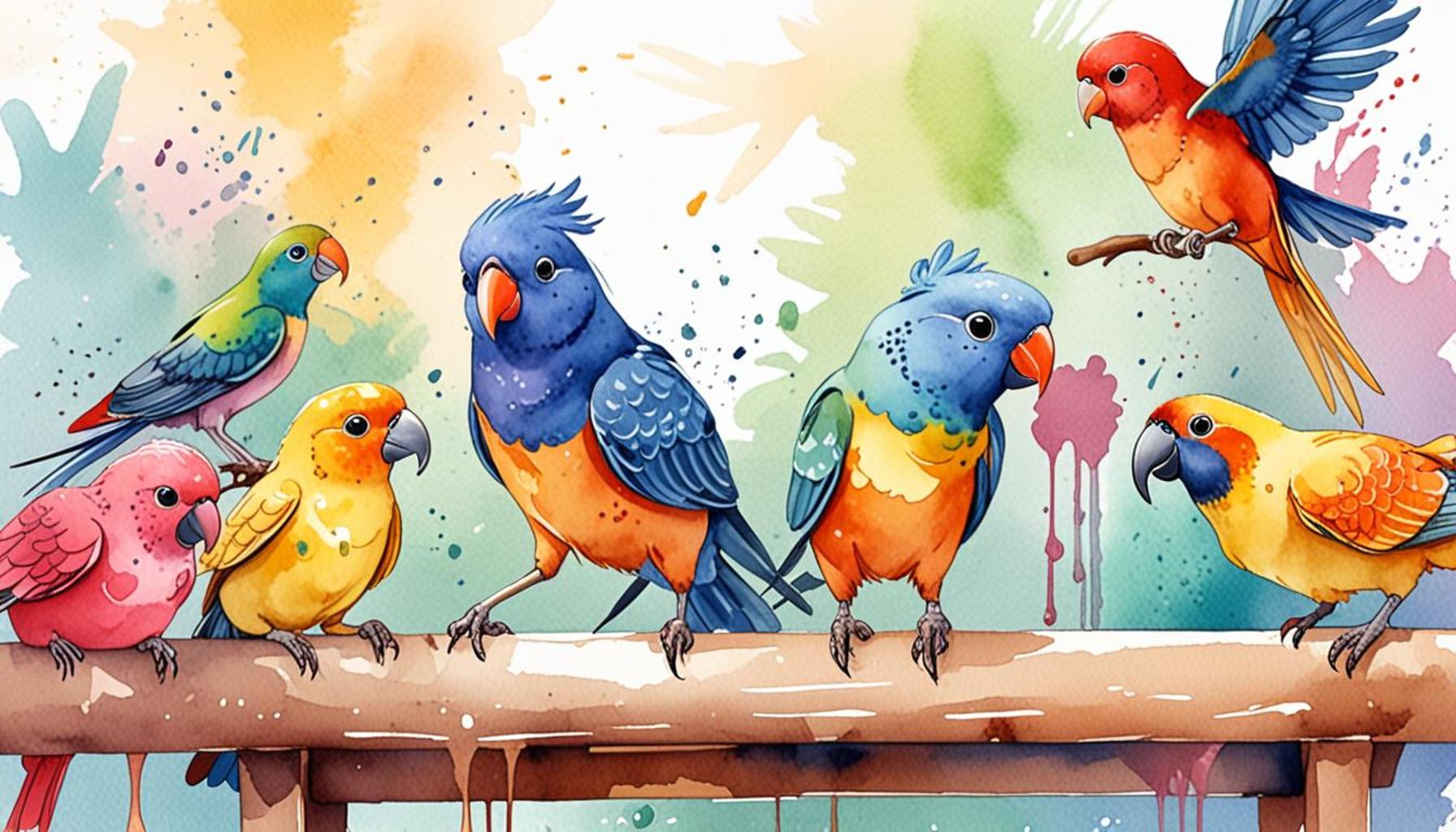
Teaching your pet bird effective communication and interactive behaviors can be a profoundly rewarding experience, fostering a unique bond between you and your feathered companion. With thoughtful training tips, your bird can evolve into a charming friend that brings energy and joy to your household through its delightful vocalizations and engaging actions.
Birds such as parrots, canaries, and budgerigars are especially renowned for their remarkable ability to mimic human speech and engage in social interactions. Whether you own a vibrant African Grey parrot known for its exceptional talking skills or a playful budgie that loves to chirp and perform, the benefits of training are multifaceted and far-reaching. Here are some compelling benefits of engaging in bird training:
- Enhanced Bonding: Regular training sessions provide an opportunity for you to spend quality time with your bird, promoting trust and closeness in your relationship.
- Mental Stimulation: Birds are highly intelligent creatures. Training offers mental challenges that can help prevent boredom and encourage overall well-being.
- Reduced Behavior Issues: Not only does training equip your bird with valuable skills, it also addresses challenging behaviors, such as biting or excessive screeching, by keeping your pet engaged in constructive activities.
In Nigeria, the trend of bird ownership is on the rise, with many enthusiasts taking pride in teaching their birds essential commands and entertaining phrases. For instance, it’s common to hear a parrot greeting visitors with a cheerful “welcome!” or a budgie showing off its trick of dancing in response to music. These interactions not only entertain but also demonstrate the potential for learning and communication among birds.
Effective Training Techniques
As you immerse yourself in the exciting world of bird training, it’s important to adopt techniques that align with your bird’s personality and species characteristics. Here are practical tips to enhance your training journey:
- Start Small: Begin with simple commands or phrases that your bird can easily understand. Gradually increase the complexity as it becomes more comfortable.
- Use Positive Reinforcement: Reward your bird with treats and praise when it successfully follows a command. This encourages repetition of desired behaviors.
- Be Patient: Birds learn at their own pace. Consistency and patience are key to successful training.
- Create a Routine: Establish a daily training schedule to help your bird anticipate and prepare for learning sessions.
Equipped with these techniques, you can embark on a fulfilling journey of bird training. The excitement of teaching your pet new tricks and watching it respond will undoubtedly enrich your life and provide endless enjoyment. As you continue to explore various training methods, you may just unlock the full potential of communication with your avian companion!
Understanding Your Bird’s Unique Nature
Before diving into specific training techniques, it’s crucial to understand the unique nature of your pet bird. Each species has its own distinctive traits, behaviors, and levels of intelligence that will influence how you approach training. For instance, parrots are known for their advanced cognitive abilities and vocalization skills, making them ideal candidates for extensive training. On the other hand, canaries and finches are less inclined to mimic speech but thrive on engaging activities that stimulate their natural instincts.
Understanding the personality of your bird is essential for tailoring your approach. For example, while some birds may naturally be more outgoing and eager to learn, others may be shy or even hesitant. Creating an environment where your bird feels safe and secure is important before embarking on any training regimen. A calm and comfortable setting will encourage interaction and engagement.
Establishing Trust and Comfort
Building trust is the foundation of any successful training endeavor. Birds are prey animals by nature, and they will instinctively be cautious around potential threats. To foster a trusting relationship with your pet bird, consider these steps:
- Spend Time Together: Regularly interact with your bird outside of training sessions. This can include gentle talking, offering your hand, or simply sitting near its cage to allow it to become comfortable with your presence.
- Utilize Gentle Handling: If your bird allows it, familiarize it with gentle handling. Gradually introduce stepping onto your finger or perch, which can help establish a sense of security and openness.
- Use Soft Tones: Speak to your bird in soft, calming tones. Birds are sensitive to human emotions, and a soothing voice can help alleviate any anxiety or fear they may feel.
- Offer Treats: Encourage your bird’s willingness to engage with you by offering favorite treats. This not only builds positive associations but also motivates your pet to participate during training sessions.
To optimize your bird’s learning process, pay attention to its response to different stimuli. For example, some birds may react positively to specific sounds, colors, or movements. By taking notes on what excites or calms your bird, you can adapt your training methods to suit its preferences, ultimately leading to a more enriched learning experience.
Creating a Stimulating Training Environment
The setting in which you train plays a significant role in your bird’s ability to learn. A stimulating environment, free from distractions and chaos, will promote focus and cooperation. Ensure that your training space is quiet and equipped with necessary tools, such as toys, treats, or visual aids to make the sessions more engaging. Observing how your bird interacts in different environments can also provide insight into its preferences, allowing you to cater sessions accordingly.
By investing time in understanding your bird’s unique nature and fostering trust, you’re laying the groundwork for a productive training journey. Utilizing the correct approach and environment will not only enhance your training efforts but will also help deepen the lovely bond you share with your bird. As you proceed with patience and observance, you may find that the journey is as rewarding as the destination, with countless delightful moments along the way.
| Advantages of Training | Key Features |
|---|---|
| Enhanced Bonding | Training fosters a deeper connection between bird and owner, promoting trust and affection. |
| Mental Stimulation | Engaging your bird in training exercises keeps its mind active and healthy, reducing boredom. |
| Behavioral Improvements | Proper training leads to well-mannered birds that are easier to handle and interact with. |
When considering training your pet bird, one of the most significant benefits is enhanced bonding. The act of teaching your bird to speak and respond to commands can greatly strengthen the relationship you have with your feathered companion. Through consistent interaction and positive reinforcement, your bird learns to trust you, which is vital for its emotional health.Additionally, mental stimulation is crucial for a pet bird’s overall well-being. Birds are intelligent creatures that thrive on challenges. Training offers them a chance to exercise their cognitive abilities, helping to prevent issues related to boredom, such as feather plucking or excessive squawking. Incorporating fun training games can keep your bird engaged and eager to learn.Finally, behavioral improvements can be a natural outcome of proper training. Well-trained birds often exhibit more desirable behaviors, making them enjoyable companions. Through various training techniques, owners can address unwanted behaviors, ensuring a peaceful coexistence between humans and their avian friends.
Effective Training Techniques for Your Pet Bird
Now that you have established trust and created a stimulating environment, it’s time to explore effective training techniques. Training a pet bird requires not only dedication but also creativity in how you engage with your feathered friend. Here are some proven methods to help teach your bird to speak and interact with you.
Utilizing Repetition and Consistency
Repetition is key when it comes to training birds. Similar to how humans learn a new language, birds require frequent exposure to words or phrases before they can begin to mimic them. Start by selecting simple words or phrases like “hello,” “goodbye,” or your bird’s name, and repeat them consistently during interactions. Aim for short training sessions of about 5 to 10 minutes to maintain your bird’s attention without overwhelming it.
Always use the same tone and inflection for each word or phrase. This consistency aids your pet in associating the sound with its meaning, enhancing the learning experience. Additionally, pairing the spoken words with visual cues can further reinforce learning. For example, while saying “hello,” wave goodbye with your hand to create a contextual link between the sound and the action.
Incorporating Positive Reinforcement
Positive reinforcement is a highly effective technique for dog and bird training alike. When your bird successfully mimics a word or engages in a desired behavior, immediately reward it with a tasty treat or praise. This encourages your bird to repeat the behavior in the future. Birds, especially species like African Grey parrots and budgerigars, are particularly responsive to rewards, and you may find that their eagerness to engage increases significantly with a little motivation.
- Choose Appropriate Rewards: Identify which treats your bird enjoys most, such as seeds, fruits, or specially formulated bird treats. Make sure that these rewards are healthy and given in moderation to avoid overindulgence.
- Vary the Rewards: To keep your bird engaged, try mixing the rewards between verbal praise, playtime, and different types of treats. This variety can keep the training sessions lively and highly anticipated.
Utilizing Social Interaction
Birds are social creatures and thrive on interaction. Train your bird with family members or friends to foster a sense of community learning. This will not only increase the bird’s comfort level but also allow it to understand various tones, voices, and facial expressions. Engaging with other people can reveal different aspects of your bird’s personality and preferences, helping to inform your training approach.
Involving your bird in daily activities also encourages interactive learning. Allow it to accompany you as you move around your home, interacting with different objects and environments. This exposure nurtures curiosity and can foster more vocalizations as the bird seeks to communicate its experiences.
Establishing a Routine
Birds thrive on routines, which can be beneficial when it comes to training. Establish a consistent schedule for training sessions, feeding, and playtime. Consistency helps the bird understand what to expect, making it more comfortable and willing to participate during training. Designate specific times throughout the day for short training sessions, and make sure to engage in equally important bonding activities afterward.
Given the diverse bird species prevalent in Nigeria, from the colorful lovebirds to the intelligent African Grey parrots, recognizing their individual needs and adjusting your training routine accordingly will reap substantial rewards. By systematically implementing these training techniques with patience and understanding, you are paving the way for your bird to flourish, speak, and create delightful interactions with you and your family.
Conclusion: Enhancing Communication with Your Pet Bird
In conclusion, training your pet bird to speak and interact is not only a rewarding endeavor but also a chance to deepen your bond with your feathered companion. Employing techniques such as repetition, positive reinforcement, and social interaction allows for a dynamic learning environment that caters to your bird’s natural instincts and needs. Regularly engaging in training sessions, tailored specifically to the unique personality and species of your bird, can yield fascinating results over time.
Remember, patience is paramount. Birds, much like humans, learn at their own pace; thus, adapting to their individual rhythms will foster a positive experience. In Nigeria, where vibrant bird species like the African Grey and budgerigar are popular, understanding their specific requirements can unlock their potential for not just mimicking sounds, but also engaging in meaningful interactions.
By establishing a routine and integrating your bird into daily life, you create an enriching atmosphere that encourages natural vocalizations and communication. As you embark on this journey, embrace the joy of discovery alongside your pet. Soon enough, you will not only be astonished by your bird’s ability to speak but will also be rewarded with delightful companionship filled with interactions that transcend mere words. So, gather your treats, create a stimulating environment, and make the most of this special opportunity to nurture a long-lasting relationship with your cherished pet bird.