Training Exotic Pet Animals: Strategies for Iguanas and Rabbits
Understanding Exotic Pet Training
Training exotic pets such as iguanas and rabbits can be an eye-opening experience for pet owners. Unlike traditional pets like dogs and cats, these animals come with their own unique sets of behaviors and needs, which can make training both a challenge and an exciting journey. As you work through this process, not only do you tend to your pet’s well-being, but you also discover more about their natural instincts and attributes.
Why Train Your Exotic Pets?
Training your exotic pet should be viewed as a crucial aspect of pet ownership, given several compelling reasons:
- Enhances Bonding: Training provides a perfect opportunity to build trust between you and your pet. It creates a shared experience that allows both of you to understand each other better. Whether it’s engaging your rabbit in short play sessions or allowing your iguana to explore safe areas, these activities foster a stronger connection.
- Promotes Good Behavior: Teaching your exotic pets good manners improves everyday life. For instance, training a rabbit to use a litter box can lead to a cleaner home environment, while teaching an iguana to stay calmly in your hands can minimize stress during vet visits.
- Improves Safety: Safety is a paramount concern for both owners and pets. Training can prevent dangerous situations; for instance, teaching your iguana to return to its habitat when visually beckoned helps protect it from unwanted escapes. Similarly, training your rabbit to be less skittish can ensure fewer accidents in your home.
Training Techniques Overview
When it comes to training exotic pets, distinct approaches are required due to their varied behaviors:
- Iguanas: These creatures benefit greatly from positive reinforcement techniques. For example, rewarding your iguana with a favorite treat each time it approaches you enhances its motivation to bond. Environmental enrichment is also crucial; providing climbing structures, hiding spots, and opportunities for natural behaviors helps create a stimulating environment that encourages cooperation.
- Rabbits: Gentle handling is pivotal for rabbits; being calm and patient can significantly reduce a rabbit’s anxiety levels. Clicker training, an effective technique, involves using a clicker as a sound signal followed by a treat. This form of training can help your rabbit learn useful commands or tricks, making daily interactions more enjoyable.
As you embark on this rewarding training odyssey, remember to consider your exotic pet’s individual personality traits and specific needs. Acknowledging these aspects is essential; for instance, a timid rabbit may require more patience compared to a curious iguana. Discovering the most efficient methods will not only transform your pet’s life for the better but will enrich your experience as a dedicated owner. With commitment and creativity, are you prepared to unlock the full potential of your iguana or rabbit? The journey awaits, filled with the promise of growth and mutual understanding!
Exploring the Unique Needs of Iguanas and Rabbits
Understanding the individuality of your exotic pets, such as iguanas and rabbits, is pivotal in training them effectively. These animals possess distinct qualities and instincts that can largely influence their responses to various training methods. To successfully engage with your iguana or rabbit, it’s essential to familiarize yourself with their behaviors and preferences.
Iguanas: The Curious Lizard
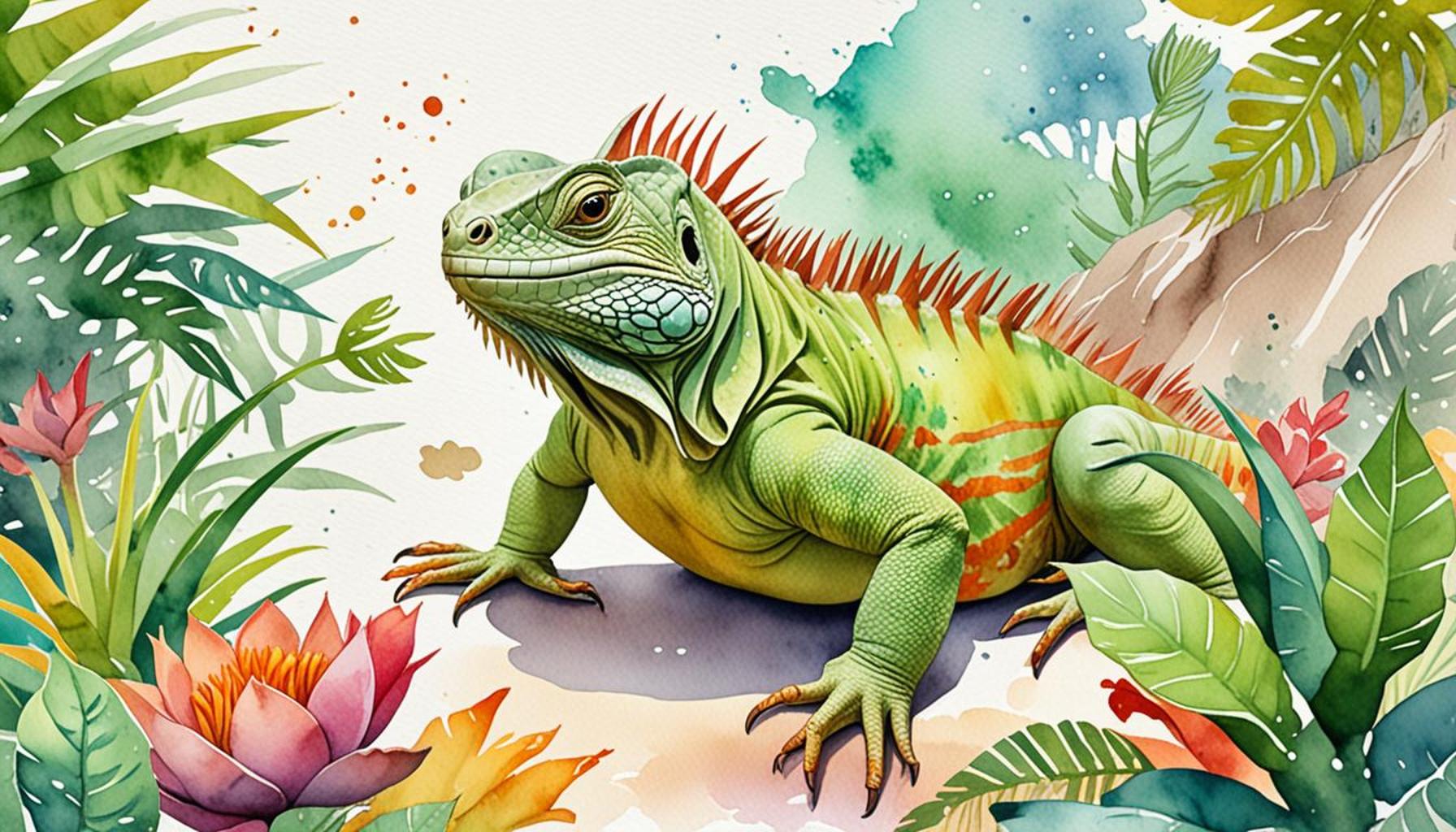
Iguanas are not just fascinating reptiles; they are also remarkably intelligent creatures. When training iguanas, harnessing their natural curiosity can make a significant difference. Begin by creating a safe and enriching environment filled with climbing opportunities, plants, and hiding spaces. Iguanas are naturally inclined to explore, so providing them with choices encourages healthy interaction with their surroundings. Positive reinforcement is crucial. Treats such as leafy greens or pieces of fruit can motivate your iguana to engage during training sessions. Furthermore, patience is vital; iguanas may take time to respond, but the effort will strengthen your bond.
Rabbits: The Gentle Companions
Rabbits, on the other hand, are charming little creatures that thrive on affection and trust. To train your rabbit effectively, consider their sensitive nature. Establishing a calm and relaxed atmosphere during training sessions is essential to reduce any anxiety. Start with basic commands such as “come” or “sit,” using a clicker as a sound marker when they get it right. This can be a fun way to teach them new tricks while keeping them engaged. Notably, rabbits also respond well to treat-based training; using their favorite snacks will help create a positive association with the learning process.
Moreover, socialization plays a significant role in a rabbit’s development. Regularly engaging with your rabbit in a safe area allows them to explore their surroundings and people, further enhancing their confidence and trust in you as their caretaker.
Common Training Strategies
Training iguanas and rabbits may involve different techniques, but there are common strategies that apply to both:
- Consistency: Establish a routine to reinforce learning. Regular short training sessions (approximately 5-10 minutes) are more effective than longer, infrequent practices, as they help maintain your pet’s focus.
- You Can Train Anytime: Unlike cats or dogs, iguanas and rabbits are not bound to a specific training time. Take advantage of opportunities when your pet seems active, as they are more likely to engage.
- Know Their Comfort Zones: Each pet has its comfort level. Pay close attention to their body language; signs of stress such as tail twitching or hiding indicate it might be time to pause the training session.
By employing these foundational strategies and nurturing your pet’s natural instincts, you will embark on a delightful training journey with your iguana or rabbit. With time, patience, and love, both you and your exotic pet can reap the rewards of an enriching partnership that transcends simple companionship.
| Training Strategies | Benefits |
|---|---|
| Understanding Body Language | Enhances communication between pet and owner, reducing stress. |
| Positive Reinforcement | Encourages desired behaviors, making training enjoyable and effective. |
| Consistent Routine | Establishes trust and reliability in the training process. |
| Environment Enrichment | Stimulates mental activity, reducing boredom and promoting well-being. |
Training exotic pets, particularly iguanas and rabbits, involves understanding their unique behaviors and environments. Utilizing strategies such as positive reinforcement, where treats and praise are given for good behavior, can significantly enhance the effectiveness of your training efforts. Additionally, recognizing the body language of these animals can lead to a deeper understanding of their needs and emotions, which in turn fosters a positive training environment.Establishing a consistent routine helps build a sense of security for your pet, making them more receptive to training. Furthermore, enriching their environment with stimulating toys and challenges encourages mental engagement, preventing potential behavioral issues that arise from boredom. Exploring these strategies not only aids in the training process but also strengthens the bond between the owner and their exotic pet. By diving deeper into these techniques, pet owners can unlock the full potential of their training endeavors.
Advanced Training Techniques for Iguanas and Rabbits
As you become more acquainted with the basic training principles for your iguana or rabbit, you might find yourself interested in delving deeper into advanced training techniques. These strategies can further enrich the interaction you have with your exotic pets, fostering an even greater bond.
Positive Reinforcement: The Key to Successful Training
The cornerstone of training iguanas and rabbits is positive reinforcement. This method encourages desired behaviors by rewarding your pet immediately after they perform the action you want. For instance, when training your iguana to come to you, use a piece of their favorite fruit as a reward. This not only motivates them but also helps to form a connection between their action and the reward.
With rabbits, this can be particularly impactful. As social animals, they often become attached to their owners. Using treat-based positive reinforcement helps build their trust. When your rabbit successfully performs a trick, responding with a favorite treat and lots of affection reinforces a healthy learning environment.
Interactive Toys and Gadgets
Engaging your pets with interactive toys can offer constructive learning while keeping their minds stimulated. For iguanas, toys that encourage climbing or problem-solving—like a puzzle feeder—can promote natural behaviors while providing exercise. These toys can be filled with healthy greens, enticing your iguana to explore and work for their food, leading to a rewarding experience.
For rabbits, chew toys that can be stuffed with hay or treats not only provide enrichment but also help maintain their dental health. Toys like tunnels can encourage their natural instincts to burrow and explore, making training feel like a fun adventure rather than a chore.
Understanding Body Language and Behavior
While training your exotic pets, being keenly aware of their body language is essential. For example, iguanas may exhibit signs such as head bobbing or a relaxed posture when they are comfortable. Recognizing these signs allows you to adapt your training methods accordingly. If your iguana seems restless or displays signs of stress, such as tail whipping, it is a clear indication that the session should be paused to avoid negative associations with training.
In the case of rabbits, understanding their behavior is equally crucial. A relaxed bunny may flop over, while a nervous one might thump its hind legs. By observing these cues, you can modify your approach, either giving them more space or shifting to a more soothing activity. This fosters an effective communication channel between you and your pet, increasing both engagement and the likelihood of success in training.
Setting Realistic Goals
As a dedicated pet owner in Nigeria, setting realistic goals for training sessions is vital. For instance, you might aim to teach your rabbit to hop through a small hoop within a month. Break down such tasks into shorter, manageable goals that can be achieved in a week or less. This not only makes the training process more enjoyable but also provides both of you with a sense of accomplishment when milestones are reached.
For iguanas, focus on smaller habits such as responding to their name or enjoying daily handling. Establishing and celebrating these mini milestones solidifies the progress made and keeps the training process motivating for both you and your exotic pet.
Incorporating these advanced training techniques can create a more engaging and joyful experience for you and your iguana or rabbit. With patience and understanding, you will discover the unique capabilities of your exotic pets while enhancing the bond you share with them.
Conclusion
Training exotic pets like iguanas and rabbits is not just about instilling commands; it’s a journey of forging connections and understanding their unique behaviors. Employing strategies such as positive reinforcement and utilizing interactive toys can significantly enhance this experience, transforming training into an enjoyable and rewarding activity for both you and your pet.
Recognizing and responding to your animal’s body language is essential for effective communication. In Nigeria, where many households are warming up to the idea of caring for exotic pets, understanding how to appropriately address their needs and emotions can create a more soothing environment for learning.
Moreover, setting realistic goals is key. Breaking down training objectives into smaller, manageable tasks not only keeps both the trainer and the pet motivated, but also helps in celebrating incremental achievements. This approach fosters a strong bond built on trust and companionship, whether you’re teaching your rabbit to hop through hoops or encouraging your iguana to respond to its name.
Ultimately, the process of training iguanas and rabbits is an enriching endeavor that goes beyond mere obedience. It enables you to uncover the distinct personality traits and preferences of your pets, resulting in a fulfilling relationship. As you embark on this exciting journey, remember that patience, understanding, and consistent engagement will pave the way for an extraordinary companionship with your exotic animals.