The Role of Routine Vet Exams in Early Health Problem Detection
Regular veterinary exams play a crucial role in maintaining the health and well-being of our beloved pets. Routine check-ups allow veterinarians to identify potential health issues before they escalate, providing peace of mind for pet owners. Understanding this importance can not only enhance the quality of life for pets but also reduce long-term veterinary costs.
These examinations can reveal a variety of health problems, such as:
- Dental disease: Often overlooked, dental issues can lead to severe health complications.
- Obesity: Regular weigh-ins help manage a pet’s weight and prevent associated health conditions.
- Skin conditions: Early detection of dermatological issues can lead to effective treatment.
- Heart disease: Routine checks can identify heart abnormalities that need immediate attention.
- Parasite infestations: Regular screenings can help catch these issues before they cause serious harm.
In this article, we will explore the top 5 benefits of routine veterinary exams, shedding light on why these visits are vital to your pet’s health. Get ready to discover new insights that could change how you view your pet’s healthcare journey.
Top 5 Reasons Why Regular Veterinary Exams Are Crucial for Early Detection of Health Issues
As pet owners, we often find ourselves caught up in the whirlwind of daily life, sometimes overlooking the essential health needs of our beloved companions. However, understanding the importance of regular veterinary exams can be a game-changer in keeping our pets healthy and extending their lifespan. Below, we explore the top five reasons that highlight the vital role of routine veterinary check-ups in the early detection of health issues in pets.
5. Prevention of Serious Health Conditions
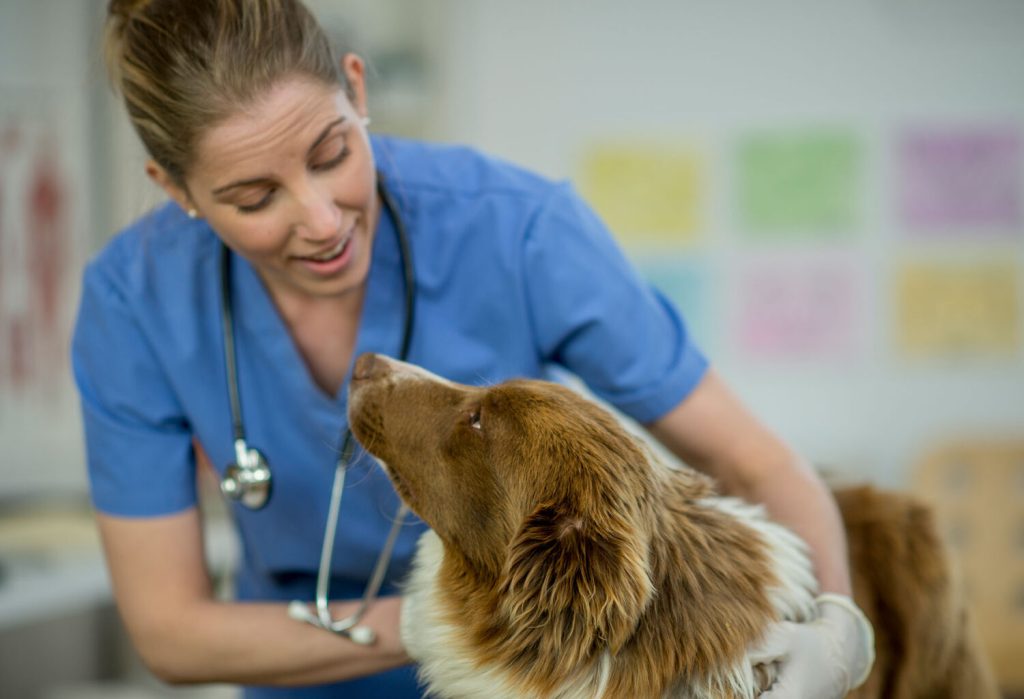
Regular veterinary exams are paramount in preventing serious health conditions from developing unnoticed. During these check-ups, veterinarians can perform various screenings that may not be obvious to pet owners. They often include blood tests, diagnostic imaging, and physical examinations that enable early detection of issues such as cancer, kidney disease, and diabetes.
Early intervention is crucial for the effective management or treatment of these conditions. For example, detecting cancer at an early stage can significantly improve the prognosis and treatment options available. Kidney disease, another silent but serious ailment, can also be better managed if caught early, potentially avoiding the need for more drastic treatments like dialysis.
With early detection, many serious conditions can be managed effectively, dramatically improving a pet’s quality of life. This not only saves pets from unnecessary pain and discomfort but also reduces the financial burdens on pet owners.
4. Vaccination and Parasite Control
A critical component of maintaining pet health through veterinary exams is vaccination. Ensuring pets receive timely immunizations protects them against contagious diseases such as rabies, distemper, and parvovirus—the latter, particularly, being highly contagious and often fatal in puppies.
In addition to vaccinations, veterinarians assess a pet’s need for parasite control. Fleas, ticks, and worms may seem like mere nuisances, but they can lead to severe health problems if left unchecked. For instance, ticks are notorious for transmitting Lyme disease, while heartworm—a parasite spread by mosquitoes—can become life-threatening if untreated.
Regular parasite screenings are vital. They help in monitoring and applying appropriate treatments that keep these invaders at bay, thereby ensuring a healthier and happier life for pets.
3. Weight Management and Nutritional Guidance
Obesity among pets is an escalating issue and is intrinsically linked to a myriad of health problems including joint pain, diabetes, and cardiovascular diseases. During regular veterinary visits, veterinarians can monitor a pet’s weight, offering tailored advice to address nutritional needs and manage weight.
Veterinarians often work to educate pet owners on the implications of excessive weight, helping them understand that a pet’s diet profoundly impacts their overall well-being. Providing guidance on nutrition allows for crafting a balanced diet that meets the pet’s specific lifestyle and nutritional requirements.
Achieving an ideal weight not only contributes to prolonging a pet’s life but also enhances their quality of life by promoting an active and engaging lifestyle. Pets that maintain a healthy weight are generally more energetic and encounter fewer health complications.
2. Dental Health Monitoring
Often overlooked, dental health is a critical aspect of a pet’s overall wellness. Many pet owners underestimate the importance of oral hygiene, not realizing that oral diseases, like periodontal disease, can lead to severe systemic issues, including heart disease and kidney damage.
During routine exams, veterinarians evaluate the pet’s dental health, checking for signs of tartar buildup, gum disease, and infections. They may recommend professional dental cleanings or treatments that ensure oral health is addressed before turning into significant health problems.
Tackling dental issues early can spare pets from a great deal of pain and potential health complications. Pet owners can help by incorporating dental care routines such as regular teeth brushing and offering dental chews that can aid in maintaining oral hygiene between veterinary visits.
1. Building a Stronger Bond with the Veterinarian
A often understated benefit of regular veterinary exams is the strengthening of the bond between the pet owner, the pet, and the veterinarian. Establishing a relationship with a veterinary professional facilitates better communication, allowing for personalized care tailored to a pet’s unique health needs.
Trusting your veterinarian leads to a deeper understanding of your pet’s health requirements. This relationship encourages the adoption of regular health maintenance practices, ensuring that any health issues are addressed promptly. Moreover, a well-acquainted veterinarian can quickly notice subtle changes in a pet’s behavior or condition, aiding in quicker diagnosis and management of potential health issues.
In conclusion, regular veterinary exams play a critical role in the early detection and prevention of potential health issues in pets. By prioritizing these exams, pet owners can ensure they are taking proactive steps toward maintaining their companions’ health and well-being. So, if you haven’t scheduled an appointment lately, now might be the perfect time to do so. Your pet’s health could depend on it!
Veterinary examinations are crucial in the proactive health management of pets and livestock alike. As the landscape of veterinary care evolves, the significance of regular check-ups cannot be overstated. The following table breaks down some of the prominent advantages, categorizing these insights into distinct areas to highlight the importance of routine veterinary assessments.
| Category | Advantages |
|---|---|
| Early Detection | Regular examinations enhance the likelihood of identifying health concerns such as tumors or organ dysfunction before they escalate. |
| Preventive Care | Veterinary visits allow healthcare providers to administer necessary vaccinations and preventive treatments that protect pets from common diseases. |
| Behavioral Monitoring | Regular visits can reveal behavioral changes that may signal underlying health issues, leading to early intervention. |
| Owner Education | Veterinarians provide invaluable insights on pet care, ensuring owners are informed about nutrition, exercise, and overall wellness strategies. |
As seen in the above categories, the role of veterinary examinations is multidimensional. The efficacy of early detection in human medicine serves as a poignant reminder that the same principles apply to our animal companions. Health problems left undetected can lead to severe consequences that might have been avoided with timely intervention.In addressing the aspect of preventive care, it’s essential to consider how routine check-ups can allow veterinarians to keep vaccines up to date. These vaccinations are critical not only for the health of individual animals but also for maintaining herd immunity across the population. Moreover, educating pet owners during these visits can lead to a more informed public, contributing to community health and improved well-being.Behavioral patterns observed at vet visits can offer a window into the animal’s overall health that might not be visible in a casual observation. Changes in behavior can correlate to physical ailments, and by addressing these concerns early, families can potentially mitigate severe health crises down the line.Ultimately, fostering a relationship between pet owners and veterinary professionals is key to promoting a sustainable health environment for animals. Regular veterinary examinations serve as a cornerstone in this relationship, providing ongoing education, support, and a comprehensive understanding of the importance of health monitoring.
Frequently Asked Questions about Regular Veterinary Examinations
What is the importance of regular veterinary examinations for pets?
Regular veterinary check-ups are crucial because they serve as a preventive measure, helping to identify health issues before they become serious. Many conditions, such as diabetes, kidney disease, and dental problems, can be detected early with routine exams. Early detection often leads to better outcomes and can prevent more significant health problems in the future.
How often should I take my pet for a veterinary examination?
The frequency of veterinary visits depends on several factors, including your pet’s age, health status, and risk of disease exposure. Generally, adult pets should visit the vet at least once a year. However, puppies, kittens, senior pets, and those with chronic health conditions may require more frequent visits. Always consult your veterinarian for a schedule that’s tailored to your pet’s needs.
What can I expect during a regular veterinary examination?
A thorough veterinary exam typically includes a physical assessment where the vet checks your pet’s eyes, ears, teeth, heart, and lungs. Blood tests, fecal exams, and vaccinations may also be part of the visit. The goal of these examinations is to ensure your pet is in optimal health and to provide timely interventions if necessary.
Are there specific signs indicating that my pet needs a veterinary visit outside regular check-ups?
Yes, there are several signs that might warrant a veterinary consultation. These include sudden weight changes, decreased appetite, persistent coughing, vomiting, diarrhea, or any noticeable changes in behavior. If you notice any of these symptoms, it’s crucial to consult your veterinarian immediately to ensure prompt treatment.
Can regular exams help my pet live longer?
Indeed, regular examinations are a key component in extending your pet’s life. By ensuring vaccines are up-to-date, monitoring weight, and catching diseases early, veterinary exams contribute to a longer, healthier life. Studies have shown that proactive health management can significantly impact a pet’s longevity and quality of life.
Conclusion: The Vital Role of Regular Veterinary Exams
In the grand symphony of pet care, regular veterinary exams play an indispensable role, acting as the vigilant eyes that detect health issues before they crescendo into critical problems. As we explored, the early detection of health problems through these exams can be a game-changer, offering pets a better quality of life and longevity.
Firstly, regular check-ups enable veterinarians to identify subtle changes in a pet’s behavior or physical condition that owners might overlook. These examinations are pivotal in diagnosing ailments early, from preventing the spread of infections to managing chronic conditions. The thorough physical assessments coupled with advanced diagnostic tools work in synergy to uncover hidden health concerns, allowing for prompt intervention.
Moreover, regular vet visits foster a proactive approach to health care. They prioritize preventive measures, such as vaccinations and dental care, ensuring that pets remain in optimal health throughout their lives. Such preventive strategies are not just beneficial but crucial, as they contribute significantly to decreasing the likelihood of severe health issues developing over time.
Ultimately, the value of regular veterinary exams cannot be overstated. They are a key element of responsible pet ownership and provide the foundation for a healthy, happy life for our beloved animal companions. For pet owners, understanding and committing to this routine care is essential. It is not only an investment in their pet’s well-being but also a reassurance that they are doing everything possible to safeguard the health and happiness of their four-legged friends. In this light, regular vet exams are not merely appointments but a crucial aspect of the intricate dance of caring for our pets, leading them towards a healthier future.