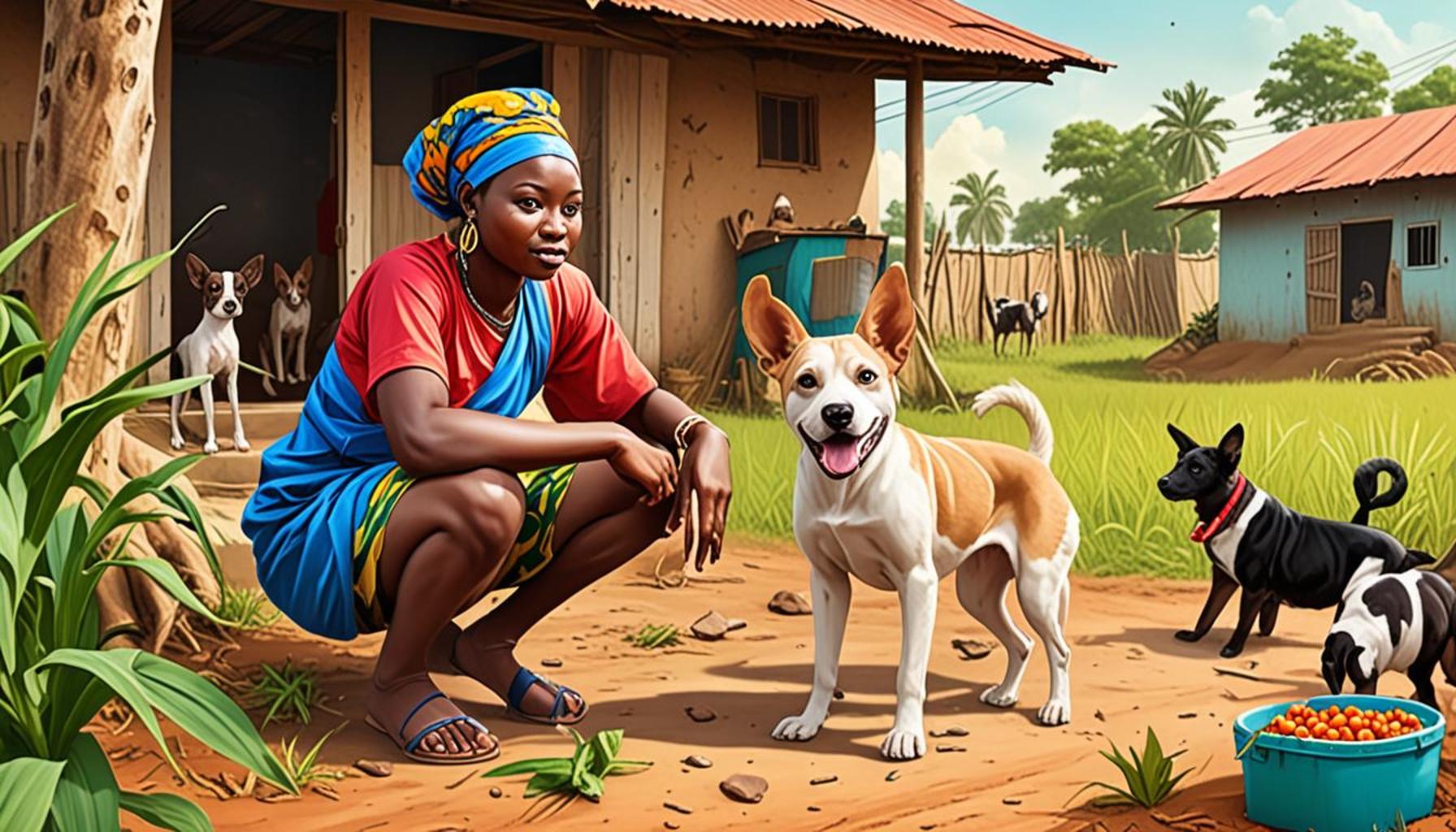
The Role of NGOs in Promoting Animal Adoption in Nigeria
The Role of NGOs in Enhancing Animal Welfare in Nigeria
The issue of stray and abandoned animals in Nigeria is becoming increasingly alarming, with many pets left to roam the streets, vulnerable to neglect, abuse, and starvation. In response to this burgeoning crisis, non-governmental organizations (NGOs) have emerged as vital advocates for animal welfare, orchestrating a multifaceted approach aimed at creating transformative change through education, rescue, and community engagement.
At the forefront of their efforts are awareness campaigns designed to educate the public on the myriad benefits of pet adoption. These initiatives emphasize not just the joy of companionship but also the responsibility that comes with bringing a pet into one’s home. By utilizing social media platforms, hosting workshops, and engaging within community events, NGOs strive to shift public perception, highlighting the plight of abandoned animals while also showcasing success stories of adopted pets. This helps to foster a sense of accountability among potential pet owners, encouraging them to consider adoption as a viable option.
Additionally, rescue operations form a cornerstone of these organizations’ missions. NGOs conduct regular patrols in urban and rural areas, rescuing animals from dire conditions, including those who are injured or malnourished. Once safe, these animals often receive crucial medical attention, and NGOs seek to place them in loving homes through adoption drives. Regular adoption events are held, creating an interactive environment where potential pet owners can engage with animals directly, significantly increasing the chances of successful adoptions.
A significant barrier to adoption in Nigeria is often the lack of access to veterinary services. Many NGOs bridge this gap by offering comprehensive medical care, including vaccinations and spaying/neutering services. By ensuring that these animals are healthy before they are adopted, NGOs not only enhance the appeal of adoption but also promote responsible pet ownership. This inevitably leads to healthier communities and reduces the overall stray animal population.
Beyond direct rescue and education, NGOs also focus on community empowerment. By partnering with local schools, they instill values of empathy and respect for all living beings among children. Such initiatives pave the way for a generation that is more compassionate toward animals, which is vital for long-term societal change. Moreover, NGOs actively engage in policy advocacy, striving to influence legislation that supports animal rights and welfare. They work with government bodies to push for stricter enforcement of animal protection laws, ensuring that the voice of animals is heard at all levels of governance.

The impact of NGOs on animal welfare in Nigeria is profound and continues to grow. Through their varied strategies, these organizations are not just rescuing animals; they are changing the conversation around animal adoption in the country. As communities begin to understand and appreciate the importance of adopting rather than purchasing pets, the ripple effects may lead to a decrease in animal abandonment and an increase in healthy, happy companionship between humans and their pets.
Strategies and Innovations in Promoting Animal Adoption
In Nigeria, the surge in the population of stray and abandoned animals has prompted non-governmental organizations (NGOs) to innovate and implement effective strategies aimed at promoting animal adoption. These strategies span various dimensions including community outreach, fundraising initiatives, and partnerships with local businesses and stakeholders.
A major focus of NGOs is their community outreach programs, which have proved pivotal in spreading awareness about the benefits of adopting pets. Through targeted information campaigns, these organizations educate citizens about the responsibilities tied to pet ownership, emphasizing the importance of adoption as a humane solution to reducing the number of strays. Initiatives such as:
- Local Workshops: NGOs conduct workshops in schools, neighborhoods, and community centers, attracting potential pet owners and providing insights on responsible pet care.
- Social Media Campaigns: Leveraging platforms like Facebook and Instagram, NGOs share captivating stories and images of rescued animals, fostering empathy and motivating the public to adopt.
- Pet Fairs and Adoption Days: These engaging events not only showcase animals available for adoption but also allow families to interact with pets in a friendly environment.
Fundraising has also emerged as a crucial component of these organizations’ ability to facilitate animal adoption. Many NGOs rely on donations from well-meaning individuals and corporate sponsors to fund their rescue operations and animal care. Activities such as charity runs, bake sales, and crowdfunding campaigns help generate financial support, enabling these organizations to maintain their shelters, provide medical care, and organize adoption events. It is fascinating to note that some NGOs have even introduced subscription models, where supporters can contribute regularly, creating a sustainable source of income for ongoing operations.
Furthermore, NGOs in Nigeria are increasingly recognizing the importance of forging partnerships with local businesses and community leaders. By collaborating with veterinary clinics, pet supply stores, and animal-friendly organizations, they create a network that enhances their outreach and effectiveness. These collaborations often involve:
- Discounts on Veterinary Services: Pet owners who adopt from NGOs may receive discounted or free veterinary consultations and vaccinations.
- Awareness Collaborations: Local businesses often host adoption drives or sponsor events, raising awareness in the community and helping more animals find homes.
As these initiatives flourish, they reveal a growing cultural shift in the perception of animal adoption in Nigeria. The collaborative efforts of NGOs have not only evolved to improve the chances of adoption for countless animals but have also planted the seeds for a more empathetic society towards animal welfare. This trend underscores the potential of NGOs to effect meaningful change, contributing to the development of a culture where adopting pets becomes a widely accepted practice, rather than merely an exception.
The multifaceted approach adopted by NGOs is more than commendable; it represents a proactive response to a crisis that calls for urgent action. As their influence grows, the vision of a Nigeria where every animal has a loving home seems increasingly within reach.
As the plight of stray and abandoned animals continues to grow in Nigeria, NGOs are stepping in as pivotal players in the fight for animal welfare. These organizations employ a multifaceted approach to promote animal adoption and ensure the wellbeing of animals across the country. Through dedicated outreach programs, they aim to educate communities about the importance of adopting rather than purchasing pets, emphasizing that shelter animals can be loving companions just like those bought from breeders.
One of the significant roles of these NGOs is advocacy. They work tirelessly to implement policies that protect animal rights and influence local government to provide better funding for shelters. In doing so, they emphasize the consequences of abandonment as a societal issue that needs urgent addressing. Furthermore, NGOs frequently engage in community workshops that teach responsible pet ownership, which not only aims to reduce the number of strays but also fosters a culture of empathy towards animals.
Moreover, NGOs actively collaborate with local businesses to host adoption drives and awareness campaigns. This partnership boosts visibility for shelter animals and helps potential adopters connect with their future pets. By displaying the animals in friendly, low-pressure environments, the NGOs can demystify the adoption process and alleviate misconceptions associated with adopting a shelter animal.
Statistics show that countries with robust NGO presence and programs have witnessed increased adoption rates, directly impacting the overall health of the animal population. Such initiatives in Nigeria are not merely about finding homes for abandoned animals; they are also about stitching a fabric of community responsibility and compassion. Through innovation and dedication, NGOs are transforming the narrative around animal adoption in the country, showcasing the immense rewards of giving a shelter animal a second chance at life.
| Advantage | Impact |
|---|---|
| Awareness Campaigns | Educates the public on the benefits of adopting pets from shelters. |
| Community Workshops | Reinforces responsible pet ownership and reduces strays. |
This progressive movement orchestrated by NGOs underscores the critical role they play in redefining the narrative around animal adoption, paving the way for a more compassionate Nigeria.
Challenges Faced by NGOs and Their Resilience
Despite the remarkable strides made by NGOs in promoting animal adoption in Nigeria, they encounter numerous challenges that threaten their efforts. These obstacles range from financial constraints to societal misconceptions about pet ownership, all of which necessitate a resilient and adaptable approach by these organizations.
One of the primary issues facing NGOs is the financial instability that comes with relying on donations and fundraising activities. Fluctuating economic conditions can significantly impact the willingness of individuals to donate, and this unpredictability makes it challenging for NGOs to plan long-term projects. In response, many organizations have diversified their fundraising strategies, exploring grants from international animal welfare bodies and creating revenue-generating initiatives, such as pet training programs and merchandise sales, to secure sustainable funding.
Furthermore, cultural perceptions regarding pets can pose significant barriers to promoting adoption. In some Nigerian communities, dogs and cats are often viewed primarily as guard animals or, at times, as nuisances, leading to reluctance in adopting them as family pets. To combat this stigma, NGOs emphasize education and compassion in their outreach, highlighting how pets can enhance well-being and serve as loving companions. Success stories from pet adopters who share their positive experiences can also sway public opinion, proving that the bond between humans and animals can enrich lives in immeasurable ways.
Moreover, the issue of overpopulation of stray animals continues to exacerbate the challenges faced by these NGOs. With limited shelter space and resources, many organizations struggle to accommodate the increasing number of abandoned animals. In light of this, NGOs are beginning to adopt innovative solutions like spay and neuter programs aimed at controlling the stray population and reducing the number of animals in shelters. These initiatives not only help manage the situation but also educate the public about responsible pet ownership practices.
Despite the hurdles, the unwavering passion and commitment of NGO staff, volunteers, and supporters drive the animal adoption movement forward. Notably, the emergence of community involvement has added a new dimension to these organizations’ efforts. Local community members are encouraged to participate in events and spur conversations about animal welfare. This grassroots engagement cultivates a sense of ownership and accountability, making it easier for NGOs to mobilize resources and drive their advocacy initiatives.
Furthermore, NGOs demonstrate their resilience through persistent lobbying for better policies on animal welfare. Collaborating with governments and legal experts, they work tirelessly to advocate for laws that enhance the welfare of animals, and address issues such as cruelty, abandonment, and neglect. The eventual success of these measures would potentially foster an environment where animal adoption thrives.
In navigating these challenges, NGOs in Nigeria not only showcase their determination but also effectively engage the community, transforming perceptions of animal adoption while standing firm against adversity. Their ability to adapt to changing circumstances sets a precedent for action-oriented strategies that can truly contribute to the welfare of animals across the nation.
Conclusion
As evidenced throughout this discourse, NGOs play a pivotal role in enhancing the landscape of animal adoption in Nigeria. Their efforts have not only provided shelter and care for countless abandoned animals but have also initiated a much-needed conversation about responsible pet ownership and animal welfare. The challenges they face—from financial constraints to ingrained cultural perceptions—are substantial, yet the creativity and resilience displayed by these organizations are commendable.
By diversifying their funding sources and embedding education into their outreach programs, NGOs are laying a solid foundation for a future where animal adoption is more widely accepted and celebrated. The emphasis on community involvement has proven to be a transformative force in shifting mindsets. Engaging localities to understand the profound connection between humans and animals can foster compassion and encourage more families to adopt pets, thereby contributing to the reduction of stray populations.
Moreover, the advocacy for better animal welfare policies is a crucial step toward holistic change. As these NGOs continue to work tirelessly to push for legislative support that prioritizes animal rights, they build a framework that would ideally create an environment conducive to adoption and nurture public sentiment towards treating pets as valued family members rather than mere properties.
Ultimately, the journey of promoting animal adoption in Nigeria is far from over, but the steadfast commitment of NGOs heralds a new era of possibilities. As the nation continues to grapple with the implications of animal welfare, it becomes imperative for individuals and communities to support these NGOs, embracing the responsibility to protect and adopt. With unified efforts, there is hope for a brighter future where animals find loving homes, transforming lives and communities throughout Nigeria.