The role of healthy eating in promoting mental health
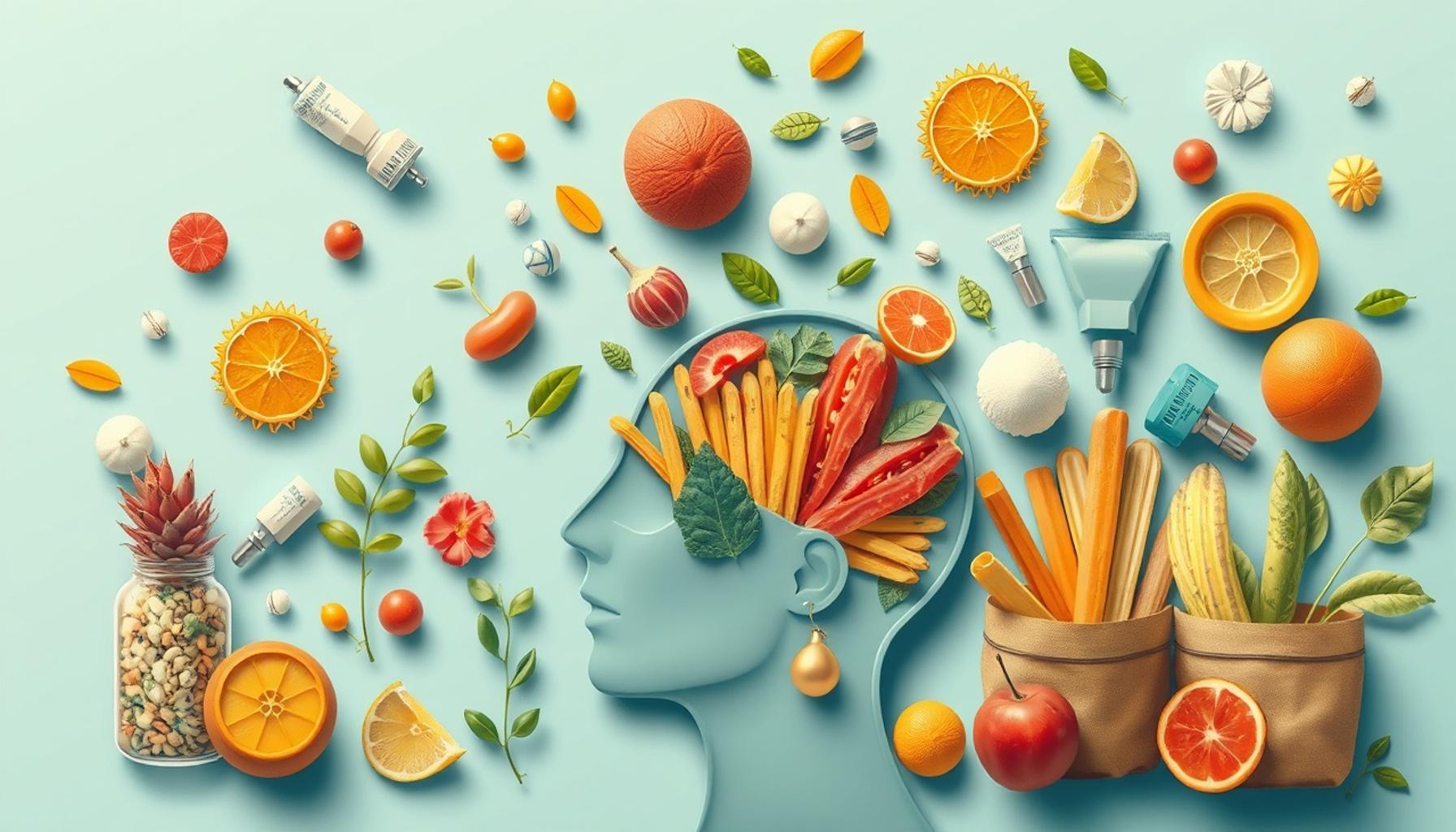
Nutritional Strategies for Mental Well-Being
Healthy eating is often touted for its physical benefits, but its impact on mental health is equally profound. A balanced diet rich in essential nutrients plays a vital role in supporting emotional well-being and cognitive function. As the conversation around mental health grows, it becomes increasingly important to recognize how our dietary habits intersect with psychological health, particularly in the context of rising mental health disorders in the United States.
Research has shown several ways that healthy eating contributes to mental health, and here are some key aspects to consider:
- Stabilization of Mood: Nutrient-rich foods can help balance mood-regulating neurotransmitters such as serotonin and dopamine. For instance, foods rich in tryptophan, an amino acid found in turkey, nuts, and seeds, can increase serotonin levels, potentially leading to a more stable mood.
- Reduction of Anxiety Levels: Certain diets, such as the Mediterranean diet, which emphasizes whole grains, healthy fats, and lean proteins, may lower anxiety and improve stress management. Studies reveal that individuals following this diet report lower levels of anxiety and depression.
- Enhancement of Cognitive Function: Vitamins and minerals support brain health and memory. For example, omega-3 fatty acids, found in fish like salmon and walnuts, have been linked to improved cognitive performance and a lower risk of cognitive decline.
In the United States, the prevalence of mental health disorders is rising, making it crucial to consider dietary choices. The National Institute of Mental Health reports that nearly one in five adults experiences mental illness in a given year, which highlights the dire need for holistic approaches in mental health care.
Research also points to the role of specific foods in building mental resilience. Foods rich in antioxidants, such as berries, leafy greens, and dark chocolate, combat oxidative stress, which can negatively affect mental health. Similarly, high-fiber foods promote a healthy gut microbiome, a factor increasingly linked to mental wellness through the gut-brain axis.
Implementing small dietary changes can make a significant difference. Swapping out processed snacks for fruits and vegetables or incorporating more fatty fish into your meals can enhance not just physical health but emotional resilience as well. The journey toward better mental health starts with understanding the importance of what we consume, paving the way for a more balanced and fulfilling life.
In conclusion, the links between nutrition and mental health are compelling and warrant further exploration. As the conversation around mental well-being continues to evolve, delving deeper into how dietary choices influence emotional and cognitive health could become an essential aspect of comprehensive mental health care.
The Connection Between Nutrition and Mental Health
The way we eat can have a tremendous impact on our mental well-being. In recent years, a substantial number of studies have emerged pointing to the profound connection between nutrition and mental health. A diet that is rich in whole foods, healthy fats, lean proteins, and essential vitamins can provide the brain with the fuel it needs to function optimally, while also significantly influencing mood and cognitive performance.
One key factor in this relationship is the gut-brain axis, a complex communication network linking the gut and the brain. Emerging evidence suggests that a healthy gut microbiome, supported by a diet rich in fiber and probiotics, can improve mental health outcomes. Foods such as yogurt, kefir, and fermented vegetables (like kimchi and sauerkraut) nourish beneficial gut bacteria, which in turn can impact our mental state by producing short-chain fatty acids that have neuroprotective properties.
Essential Nutrients for Mental Wellness
Just as our physical health is supported by certain nutrients, our mental health thrives on specific vitamins and minerals. The following are essential nutrients that play a significant role in promoting mental wellness:
- Omega-3 Fatty Acids: Found in fatty fish like salmon and sardines, omega-3 fatty acids are known to reduce inflammation and are critical for brain health. Research indicates that these nutrients can alleviate symptoms of depression and anxiety.
- B Vitamins: Vitamins B6, B12, and folate are crucial for neurotransmitter synthesis. These vitamins help regulate mood and guard against mental fatigue. Sources include leafy greens, legumes, and whole grains.
- Vitamin D: Often referred to as the “sunshine vitamin,” vitamin D plays a key role in mood regulation. Low levels have been linked to depression, making supplementation, especially in winter months, particularly important for those living in northern climates.
- Magnesium: This mineral helps combat anxiety and supports overall brain function. Foods like spinach, nuts, and seeds are rich in magnesium and should be staples in a mental health-promoting diet.
Moreover, antioxidants found in fruits and vegetables—such as berries and citrus fruits—combat oxidative stress and inflammation, which can contribute to anxiety and depression. By incorporating a colorful array of fruits and vegetables, individuals can supply their bodies with the necessary tools to stave off mental fatigue and enhance overall emotional resilience.
Understanding the role of healthy eating in reducing mental health issues can empower individuals to take charge of their nutritional choices. As the United States faces an ongoing mental health crisis, prioritizing nutritious foods may act as a preventive measure and provide a complementary approach to conventional treatments like therapy and medication.
Ultimately, improving mental health through dietary changes is an accessible and compelling path for many. A journey into healthier eating not only fosters physical well-being but also nurtures the mind, creating a harmonious balance between body and spirit.
The Role of Healthy Eating in Promoting Mental Health
Healthy eating is not only essential for physical well-being but plays a pivotal role in enhancing mental health as well. Numerous studies have indicated strong correlations between nutrition and mental wellness, emphasizing that what we consume can directly impact our mood, anxiety levels, and cognitive functions. Adopting a balanced diet rich in vitamins, minerals, and essential fatty acids can fuel brain health and lead to better emotional resilience.
| Category | Benefits |
|---|---|
| Nutrient-Rich Foods | Foods like fruits, vegetables, and whole grains provide essential nutrients that support brain function. |
| Omega-3 Fatty Acids | These acids, found in fish and nuts, are linked to decreased depression and anxiety, improving overall mental health. |
Certain vitamins, like the B vitamins, are crucial for mental clarity and can reduce symptoms of anxiety and stress. Incorporating these nutrients into our daily meals is a simple yet effective way to enhance our emotional well-being. Fermented foods, rich in probiotics, are also emerging as beneficial for gut health, which is closely tied to mental health. Recent research suggests that a healthy gut can transmit signals to the brain, impacting mood regulation.
Furthermore, recognizing the impact of dietary choices on mental health encourages individuals to not only focus on what they eat but also on the overall lifestyle that accompanies it. Mindful eating practices may promote better food choices and improve the enjoyment of meals, which can consequently benefit mental health. The next step is to explore how specific food groups can profoundly influence our psychological states and emotional balance.
The Impact of Dietary Patterns on Mental Health
While specific nutrients play a crucial role in mental wellness, it’s important to consider the overall d dietary patterns that can significantly affect mood and cognitive function. Research has increasingly highlighted the importance of a balanced diet over time, particularly the Mediterranean diet, which emphasizes fruits, vegetables, whole grains, fish, and healthy fats, primarily from olive oil. A growing body of evidence suggests that adherence to this dietary pattern is associated with a lower risk of depression and anxiety.
For example, a 2018 study published in the journal Psychological Medicine found that individuals who closely followed the Mediterranean diet reported fewer symptoms of depression compared to those who consumed a more Western-style diet high in processed foods and sugars. The Mediterranean diet’s abundance of phytonutrients and healthy fats may contribute to its protective effects against mental health disorders.
The Role of Processed Foods and Sugar
In contrast, diets high in processed foods, refined sugars, and trans fats have been linked to an increased risk of mental health challenges. Foods such as pastries, sugary drinks, and fast-food meals can lead to spikes in blood sugar levels, which may negatively affect mood and energy levels. These foods may also contribute to chronic inflammation, further exacerbating mental health issues. A 2017 study from the American Journal of Psychiatry indicated that individuals regularly consuming these foods reported significantly higher rates of anxiety and depression.
Understanding the role of food additives is another vital aspect of healthy eating’s impact on mental health. Many highly processed foods contain additives like artificial colorings and preservatives, which may disrupt gut health and the brain’s regulatory systems, thereby influencing mood and cognitive performance.
Mindful Eating and Mental Health
Another emerging concept in the conversation surrounding healthy eating and mental well-being is mindful eating. This practice encourages individuals to slow down and fully engage with their meals, paying attention to the flavors, textures, and emotional responses that arise during the eating experience. Mindfulness in eating has been shown to reduce emotional eating and foster a healthier relationship with food. It can promote awareness of how certain foods affect mood, helping individuals make more intentional dietary choices that support their mental health.
Moreover, the benefits of cooking and preparing fresh meals at home cannot be overstated. Engaging in cooking can serve as a form of self-care, allowing individuals the opportunity to express creativity and take ownership of their dietary choices. A 2016 study published in Public Health Nutrition suggested that people who frequently cook at home generally report better mental health and well-being compared to those who primarily consume takeout or pre-packaged meals.
As mental health continues to be a focal point in today’s society, the role of healthy eating deserves our attention and consideration. Choices made in the grocery aisle can often extend well beyond physical health, carving pathways towards improved emotional and psychological well-being. By fostering environments that encourage healthy eating patterns, society can tap into this powerful tool for mental health promotion.
Conclusion: Nourishing the Mind Through Diet
In summary, the evidence clearly underscores the profound connection between healthy eating and mental health. From the protective benefits of the Mediterranean diet to the detrimental effects of processed foods, our dietary choices are pivotal not only in determining our physical health but also in shaping our emotional and psychological well-being. As demonstrated, diets rich in whole foods, healthy fats, and essential nutrients can significantly lower the risk of mental health disorders, while high consumption of processed and sugary foods risks exacerbating anxiety and depression.
Moreover, the emergence of mindful eating practices emphasizes the importance of a conscious relationship with food, transforming meals into opportunities for enhanced awareness and emotional regulation. Engaging in cooking and meal preparation at home has proven benefits, adding a layer of emotional satisfaction and creativity to our dietary practices.
As we navigate the complexities of modern life, prioritizing nutritional mental health offers a practical and transformative approach to enhancing our overall quality of life. Elevating the conversation around the impact of what we eat could lead to significant improvements in public health. We must collectively advocate for environments that promote healthy food choices, considering them vital tools in combating the mental health crisis facing many today.
In an era where mental health has never been more crucial, the journey begins in our kitchens. By making informed dietary choices, we can foster not only a healthier body but also a healthier mind. For those interested in further exploring this vital intersection of nutrition and mental well-being, numerous resources and studies await your discovery, offering valuable insights into how we can all cultivate a happier, balanced life through food.