The Role of Community Sports in Fostering Social Connections and Healthy Habits
Understanding the Vital Role of Community Sports
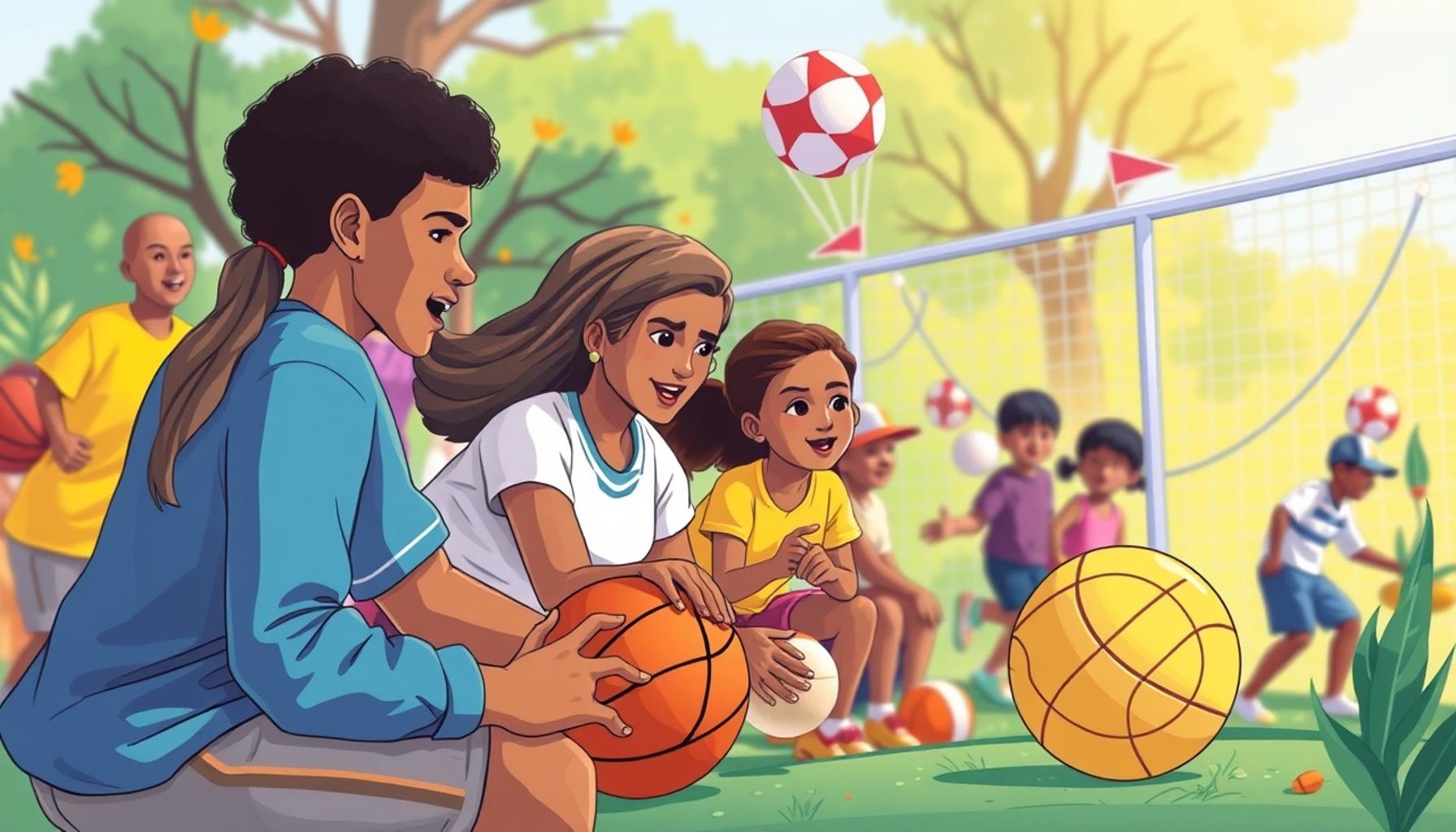
Engaging in community sports is not just about participating in games or physical exertion; it is about weaving together the rich tapestry of society. In neighborhoods across the United States, community sports serve as a dynamic platform for learning, growth, and the establishment of connections. From local basketball leagues to weekend softball games, these activities nurture strong social ties while enhancing physical health.
Teamwork and Collaboration
At the heart of community sports lies a spirit of teamwork. Each player has a role, and success depends on collaboration and communication. Whether in soccer, where players must coordinate to execute set plays, or in volleyball, where each member must understand their responsibilities, these experiences foster critical life skills. Children and adults alike learn the value of strategy and the necessity of working together towards shared goals, which are invaluable both on and off the field.
The Power of Shared Experiences
The experience of competing together creates social bonds that often last a lifetime. Celebrating victories can lead to joyous moments shared over pizza, while enduring defeats teaches resilience and provides opportunities for mutual support. Many friendships formed in local sports leagues develop into deep-rooted relationships that extend far beyond the sports field, exemplifying the idea that teamwork creates a larger community.
Promoting Inclusivity
Another significant aspect of community sports is their emphasis on inclusion. Nearly all local teams welcome individuals regardless of their skill levels, ensuring that everyone, from novices to seasoned athletes, can participate. This inclusivity breaks down social barriers and allows people from varied backgrounds—be it age, ethnicity, or economic status—to come together for a common purpose. League play, clinics, and community events enable even the shyest individuals to find their place, encouraging broader participation.
Health and Well-Being Benefits
Engagement in community sports comes with an array of benefits for mental health. Numerous studies support the notion that regular physical activity is associated with lower rates of stress, anxiety, and depression. The communal aspect of these sports cultivates a supportive environment, where individuals can find camaraderie and encouragement. Participating in teams can lead to improved self-esteem, as one navigates the highs and lows of competition and community participation.
Nurturing Thriving Communities
The influence of community sports extends beyond personal health. When people come together to participate in athletic activities, they invigorate their neighborhoods and bolster a culture of wellness. Local parks filled with games of basketball or softball not only provide outdoor recreation but also create a sense of belonging. This engagement fosters strong, resilient communities that thrive through mutual support and shared enthusiasm.
As we continue to explore the myriad impacts of community sports, it becomes increasingly apparent that these local activities are not merely pastimes. They are fundamental to cultivating social connections, promoting healthy habits, and nurturing vibrant, interconnected communities. Embracing community sports is essential for personal development and community strengthening; it is a worthwhile endeavor for everyone involved.
The Transformative Impact of Community Sports
Community sports play a pivotal role in shaping not only individuals but also the fabric of neighborhoods. As players engage in activities ranging from pick-up soccer games to organized basketball tournaments, they foster connections that transcend mere competition. These connections are built on shared experiences, which serve as a foundation for lasting friendships and community engagement.
Building Social Networks
A fundamental advantage of participating in community sports is the creation of social networks. By joining local teams, individuals find themselves in an environment that encourages interaction with others who share similar interests. This can lead to:
- New friendships: The camaraderie developed during practices and games often spills over into social gatherings, fostering bonds that can last a lifetime.
- Networking opportunities: Participants can meet individuals from diverse backgrounds and professions, opening doors to both personal and professional relationships.
- A sense of belonging: Being part of a team provides a significant boost to individual self-esteem and contributes to a feeling of inclusion within one’s community.
The Role of Local Organizations
Local organizations and clubs are instrumental in providing opportunities for community members to participate in sports. These organizations often offer structured programs that cater to various age groups and skill levels. By doing so, they promote not only socialization but also actively contribute to a healthier lifestyle. Utilizing community resources such as:
- Recreation centers: These facilities often host leagues and clinics that are accessible to everyone in the community, ensuring that participation is easy and affordable.
- Youth programs: By targeting young athletes, local sports organizations teach the importance of teamwork and discipline from an early age, which can translate into other aspects of their lives.
- League sponsorship: Many businesses support local teams, demonstrating the interconnectedness of businesses and community sports, further solidifying the social fabric.
Encouraging Healthy Lifestyles
Engaging in community sports is recognized as a vital component of promoting healthy habits. Regular participation helps not only in maintaining physical fitness but also in combating a range of health issues prevalent in today’s society, such as obesity and heart disease. The benefits include:
- Improved cardiovascular health: Activities like running, cycling, and basketball enhance heart health and overall stamina.
- Mental health advantages: Physical activity is linked to reduced stress, anxiety, and depression, making community sports a natural stress reliever.
- Lifelong habits: By instilling a love for physical activity early in life, individuals are more likely to continue pursuing healthy habits as they age.
As we delve deeper into the importance of community sports, it becomes clear that these activities are essential for nurturing relationships and instilling healthy practices among participants. With team spirit, shared goals, and a supportive atmosphere, community sports reflect a microcosm of society, demonstrating how collective efforts can drive positive changes for individuals and their surroundings.
| Key Advantages | Description |
|---|---|
| Improved Mental Health | Participation in community sports can lead to decreased feelings of anxiety and depression through social interactions. |
| Enhanced Community Engagement | Sports events encourage community members to actively participate and connect, fostering a sense of belonging. |
| Physical Fitness Promotion | Regular involvement in sports combats sedentary lifestyles, encouraging sustainable health practices. |
| Life Skills Development | Team sports teach essential skills such as teamwork, leadership, and communication, contributing to personal development. |
Community sports play a vital role not only in enhancing physical wellness but also in building social connections, thereby improving overall community health. Engaging with diverse groups cultivates friendships and networks, allowing participants to exchange support and encouragement. Studies reveal that individuals who take part in community sports are more likely to volunteer and contribute to local events, promoting a culture of solidarity. Additionally, these activities help in creating inclusive environments where people from different backgrounds, ages, and abilities collaborate towards common goals. Participation in sports can also inspire individuals to adopt healthier habits outside of the field, such as improved nutrition and regular fitness routines, substantially impacting public health at large. The framework established by community sports yields long-term benefits for individual wellbeing while nurturing community spirit.
Fostering Inclusion and Diversity through Community Sports
In a society characterized by diverse cultures, backgrounds, and experiences, community sports serve as a conduit for inclusion and diversity. These sporting activities break down barriers and create an environment where individuals can unite a common goal, whether it be the thrill of a game or the joy of personal achievement.
Bridging Cultural Divides
Community sports provide an opportunity for individuals from various walks of life to engage in friendly competition. This engagement can lead to:
- Cross-cultural understanding: Sporting events may draw participants from different ethnic and cultural backgrounds, fostering dialogue and awareness about each other’s traditions and values.
- Unified community identity: When diverse teams come together, they often create a sense of collective identity. This collective spirit serves as a catalyst for broader community events that include everyone, promoting a more connected society.
- Empowerment through participation: Community sports empower underrepresented groups, supporting them in finding a voice and establishing visibility in their neighborhoods.
The Role of Coaching and Mentoring
Coaches play an integral role in community sports, acting as mentors not only in athletic skills but in personal development as well. Their influence can lead to:
- Skill development: Coaches teach players techniques and strategies, boosting their confidence both on and off the field.
- Life lessons: Through sports, coaches impart vital life skills such as leadership, resilience, and teamwork, which can help athletes navigate life’s challenges.
- Positive role models: Especially for youth, having a coach who is invested in their well-being can significantly impact their motivation to excel both academically and athletically.
Enhancing Community Engagement
The engagement that community sports incite stretches beyond the athletes themselves. They draw in families and friends, fostering a greater sense of community involvement. This can manifest in various ways:
- Volunteerism: Community sports events frequently require volunteers, providing community members with an opportunity to contribute their time and skills to support local teams.
- Organized events: Tournaments and game days become communal events where families gather, creating a festive atmosphere that strengthens local bonds.
- Social responsibility: Many community sports organizations collaborate with local charities or schools, incorporating a commitment to giving back, which inspires participants to engage in meaningful community projects.
The experience of participating in community sports extends beyond physical activity; it cultivates a sense of unity, collaboration, and engagement that permeates neighborhoods. By creating spaces where people feel safe and connected, community sports nurture both social fabric and healthy lifestyles. The ripple effects of these initiatives promote an environment where every participant feels valued, further reinforcing the importance of community sports in transforming lives and fostering positive societal change.
Conclusion: The Lasting Impact of Community Sports
As we have explored, community sports play an indispensable role in cultivating social connections and promoting healthy habits among individuals of all ages and backgrounds. They provide a platform for people to come together, breaking down barriers and fostering a sense of belonging that is increasingly valuable in our fast-paced society. Through friendly competition and shared experiences, community sports create an atmosphere of inclusion and unity, paving the way for cross-cultural understanding and ultimately reinforcing a collective identity.
The mentorship provided by coaches not only aids in developing athletic skills but also empowers participants by teaching essential life lessons that contribute to their personal growth. The ripple effect of enhanced social interaction and community engagement initiated by sports extends beyond the playing field, positively influencing local dynamics and inspiring volunteerism and social responsibility.
Moreover, the benefits of community sports are profound for physical health, as they motivate individuals to maintain active lifestyles, thereby reducing the risk of chronic diseases and improving overall well-being. Engaging regularly in such activities instills lifelong habits that promote health and wellness, ensuring that communities thrive both physically and socially.
In conclusion, the importance of community sports transcends mere recreation. They are a vital tool for enhancing social ties and fostering a healthier populace. As we prioritize the development of local sports programs, it will be essential to support this grassroots movement to ensure that the benefits continue to resonate throughout communities across the United States, transforming lives and laying the foundation for a vibrant, interconnected society.