The Influence of Social Media on the Popularization of Pets in Nigeria
Transformative Impact of Social Media on Nigerian Pet Ownership
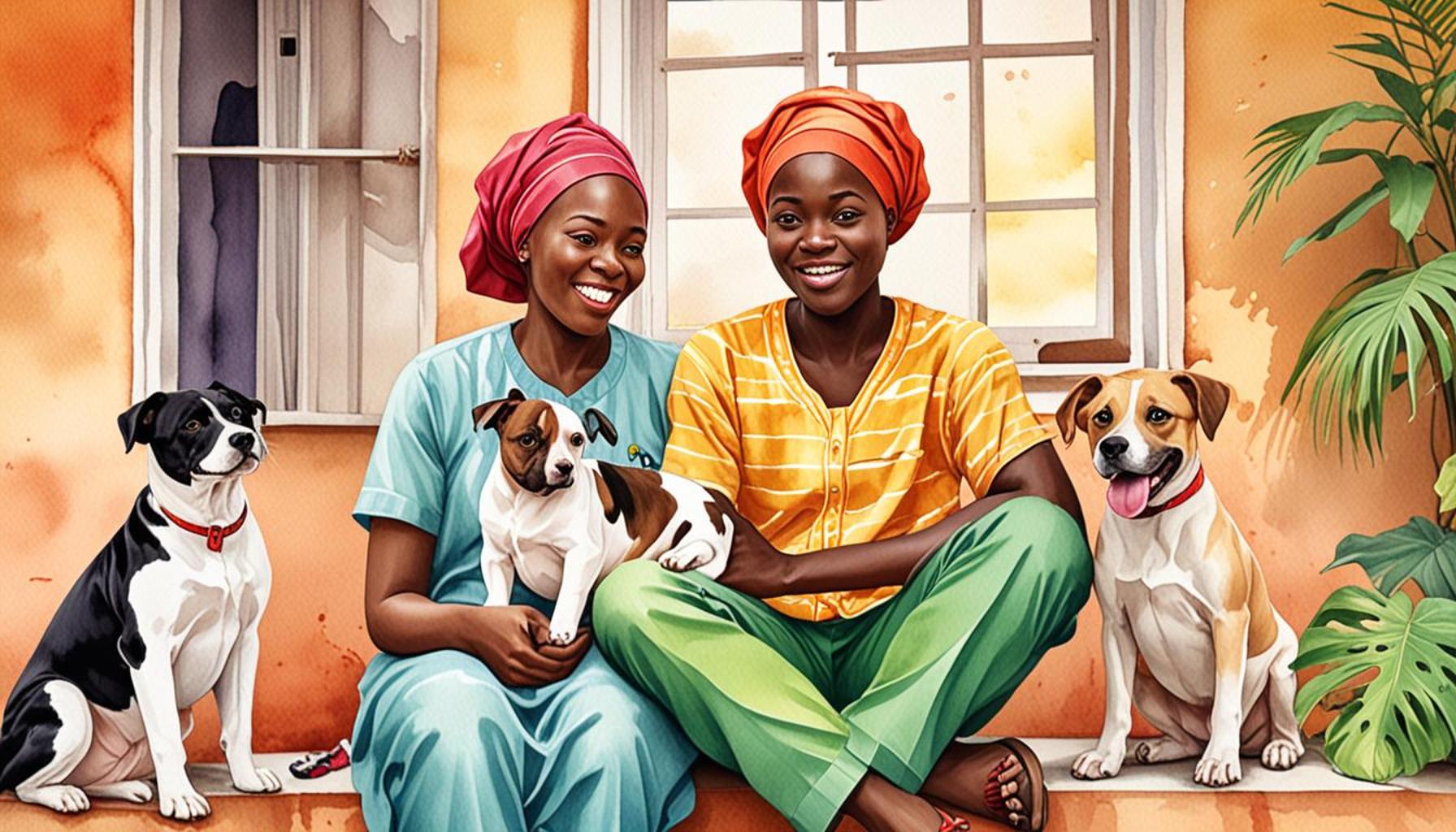
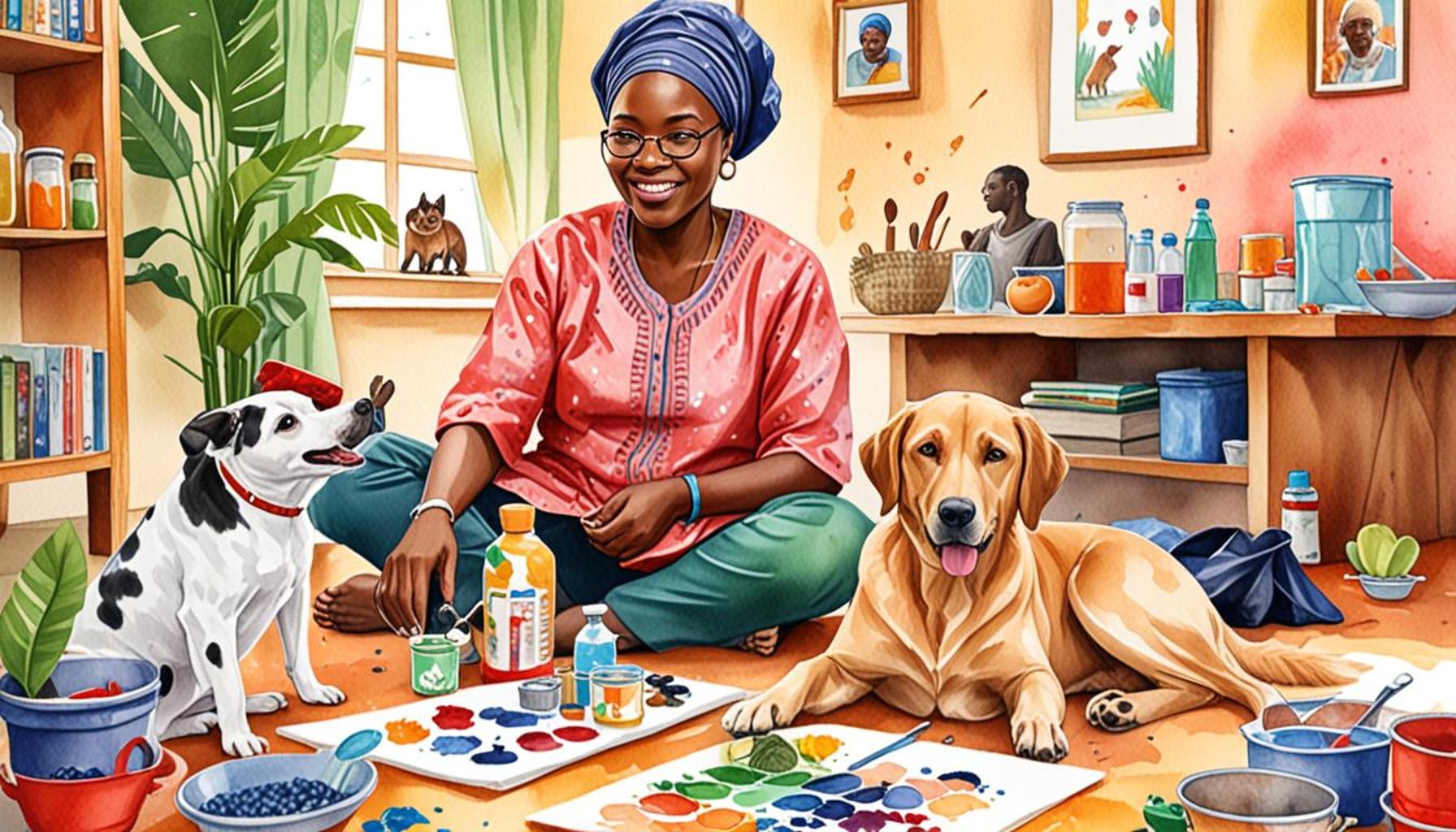
In recent years, social media has profoundly transformed many aspects of life in Nigeria, including the world of pets. With platforms like Instagram, Facebook, and TikTok gaining immense popularity, pet ownership is now at the forefront of discussion and trends. The vibrant images and videos shared online have sparked a unique connection among pet lovers, leading to an unprecedented cultural shift regarding animals in homes across the country.
The influence of social media on pet ownership can be observed through various factors that collectively shape perspectives and behaviors towards pets:
- Viral Trends: Pets showcasing unique talents or quirky behaviors often capture the attention of users, resulting in videos that go viral. For example, Nigerian pet owners frequently share clips of their dogs mimicking local accents or dancing to popular songs, creating a sense of shared joy. This has not only made pet ownership trendy but encourages others to join the vibrant pet community, with hashtags like #NigerianPets trending online.
- Influencer Culture: The rise of pet influencers is another fascinating aspect of this phenomenon. Dogs and cats with engaging personalities garner massive followings—think of popular accounts like @MiloTheNigerianPooch, which share daily snippets of life with a pet. These influencers inspire many Nigerians to adopt pets, emulate their lifestyles, and showcase their own furry friends online, creating a new breed of social media celebrity.
- Awareness and Education: Social media platforms serve as crucial hubs for information on pet care, nutrition, and adoption opportunities. For example, dedicated groups on Facebook provide insights into dog training methods or dietary advice, while Instagram accounts focus on the importance of vaccinations and regular check-ups. This wealth of information helps potential pet owners make informed decisions before bringing a new creature into their homes.
This digital shift has not only led to a rise in pet ownership but has also cultivated a strong sense of community among animal lovers. Pet owners frequently collaborate online, sharing tips, success stories, and even local pet events. Communities such as “Nigerian Pet Parents” bring together enthusiasts who exchange experiences, fostering relationships that stretch beyond screens.
As we delve deeper into this evolving topic, it is essential to explore how social media is continuously shaping attitudes towards pets and identifying the far-reaching changes brought about by this digital revolution. The growing popularity of pets in Nigeria is not merely a passing trend but a significant social phenomenon deeply rooted in culture and interconnectedness.
Ultimately, the role of social media in Nigerian pet culture opens up avenues for further exploration. As this narrative continues to unfold, one can expect even greater engagement and innovation in how Nigerians relate to their pets, driven by the powerful connections built online.
Social Media’s Role in Shaping Pet Trends
The dynamic world of social media has become a potent catalyst for the increasing popularity of pets in Nigeria. Unlike any other time in history, social media serves as a vibrant platform for showcasing a variety of animals, fostering a sense of community, and even influencing purchasing decisions regarding pet ownership. With the vast user base spanning diverse demographics, social media acts as a bridge that connects pet enthusiasts, breeders, and potential pet owners in an engaging manner.
One of the most significant impacts of social media is its ability to ignite viral trends. Nigerians are quick to share amusing and heartwarming content involving pets, leading to the rapid spread of ideas and practices associated with pet ownership. Posts depicting pets dressed in traditional Nigerian attire, partaking in everyday activities, or even featuring in local festivals highlight how pets are becoming integrated into the cultural fabric. This trend not only normalizes pet ownership but encourages a more significant number of people to adopt pets, seeing them not just as animals but as valuable family members.
Moreover, the influence of pet influencers cannot be understated in this context. These social media stars, often comprising dogs, cats, and other popular pets, enjoy widespread recognition and adoration. Their daily antics, dressed in stylish outfits or engaging in entertaining activities, create aspirational content for many Nigerians. More than simple entertainment, these accounts inspire others to embark on their own pet ownership journeys and provide tips on caring for animals. The following are examples of how pet influencers are reshaping perceptions about pets:
- Awareness of Adoption: Numerous influencers highlight the importance of rescuing and adopting pets rather than purchasing them from breeders. Through shared stories of their rescued companions, they spark a movement towards animal welfare.
- Promoting Responsibility: Vlogs often encapsulate the daily responsibilities of pet ownership, including feeding, training, and health care, which prompts prospective pet owners to consider what it entails to have a pet.
- Creating Community: These influencers often collaborate with local shelters and foster care programs, encouraging their followers to participate in community initiatives that promote animal adoption and welfare.
Social media has also enhanced information accessibility regarding pet care. Platforms like Facebook and Instagram are teeming with educational content that helps demystify common questions surrounding pet ownership. Users can explore a wealth of resources ranging from grooming techniques to health management tips. This newfound accessibility empowers Nigerians to venture into pet ownership with a more prepared mindset, leading to improved animal welfare.
As we explore further, it will become evident that the convergence of social media and pet ownership is redefining societal norms surrounding animals in Nigeria. With each post and interaction, a new narrative emerges, suggesting a profound cultural revolution rooted in empathy, shared experiences, and a collective love for our furry companions. The journey into the world of pet ownership, with social media as a driving force, is certainly one to watch.
| Category | Key Features |
|---|---|
| Engagement | Social media platforms create vibrant communities around pets. |
| Awareness | Increased visibility of pet adoption and responsible pet ownership. |
| Influencer Impact | Pet influencers drive trends, showcasing various pets and their care. |
| Marketing Opportunities | Brands leverage pet culture for targeted advertising campaigns. |
The digital age has fundamentally altered the way we perceive and share our lives, especially in Nigeria, where the influence of social media on pet culture cannot be overstated. Platforms like Instagram, Facebook, and Twitter have birthed interactive spaces for pet enthusiasts to flourish, contributing not just to the lifestyle choices of many but actively shaping public perception around pet ownership. The vibrant engagement seen in pet-focused communities fosters connections among pet owners, enthusiasts, and potential adopters, encouraging a broader understanding of responsible pet care.The phenomenon of pet influencers also plays a critical role, where these charismatic personalities captivate audiences with their daily adventures. Such visibility inspires many Nigerians to either welcome pets into their homes or adopt abandoned animals, significantly reshaping the landscape of pet ownership. Additionally, companies are tapping into this trend, crafting dedicated marketing strategies centered around iconic pet figures, further solidifying the bond between social media and pet popularity. While this trend burgeons, understanding its comprehensive impact on societal norms regarding pets becomes paramount.
The Impact of Online Communities and Engagement
In addition to the visibility that social media provides for pets, the emergence of online communities has reshaped how Nigerians connect with one another over their shared love for animals. Social media platforms like Facebook and Twitter have nurtured numerous groups and forums dedicated to pet owners and enthusiasts, offering a space for discourse, advice, and shared experiences. These communities often serve as lifelines for new pet owners, who can navigate challenges with the collective wisdom of seasoned enthusiasts.
For instance, groups that focus on specific breeds, training techniques, or even regional pet ownership laws facilitate targeted discussions. Their members share relevant resources such as veterinary recommendations or nutritional information, fostering an environment where pet owners feel empowered to make informed choices. A notable example includes the growing popularity of breeds like the French Bulldog and Shiba Inu, which have garnered dedicated fan pages that celebrate their quirks while educating owners on breed-specific care. Through shared hashtags and viral posts, these communities create an ongoing dialogue that not only enhances pet welfare but also reinforces community bonds.
Moreover, the rise of user-generated content around pet ownership has played a significant role in shifting perceptions. When a pet owner shares a post about their cat adorably chasing a butterfly or their dog learning a new trick, it invites followers to engage with the content through likes, comments, and shares. This interaction fosters a sense of camaraderie, where followers are inspired to share their own pet stories, cascading the popularity of pet ownership even further. According to a survey conducted by a popular Nigerian pet care company, over 70% of pet owners reported that they were influenced by social media content when deciding to adopt a pet.
The impact extends beyond simple interactions. Various brands promoting pet products, ranging from organic dog food to fashionable pet clothing, have started capitalizing on this trend by leveraging social media for marketing. Influencers are partnering with these brands to showcase products seamlessly integrated into their daily pet routines. These partnerships not only drive engagement and authenticity but also profoundly alter consumer behavior, steering pet owners towards brands that prioritize sustainability and animal welfare.
Furthermore, social media has emerged as an indispensable platform for advocating for animal rights and welfare. Campaigns against dog fighting, neglect, and abandonment are increasingly gaining traction, reaching audiences beyond traditional media’s reach. Photographs and videos capturing the plight of stray animals often spurred by influencers can mobilize thousands of people, encouraging them to support local shelters or participate in adoption events. This transformation highlights how social media not only enhances the presence of pets within households but also fosters a sense of social responsibility among potential owners.
As the digital landscape continues to evolve, it is evident that the symbiotic relationship between social media and pet ownership will remain influential. The narratives shaped by community engagement, user-generated content, and brand partnerships paint a comprehensive picture of how modern Nigerians perceive and interact with pets. With each share and comment, the growing movement toward compassionate pet ownership is not just a fleeting trend; it signifies a deeper cultural shift that resonates throughout the nation.
Concluding Thoughts on Pet Popularization in Nigeria through Social Media
The remarkable intersection of social media and pet ownership in Nigeria has accelerated the popularization of pets in unprecedented ways. From engaging online communities that share invaluable resources to the expressive user-generated content that captivates audiences, these platforms play a pivotal role in reshaping cultural attitudes towards animals. Social media not only fosters a deeper connection between pet owners but also cultivates a rich tapestry of shared experiences that inspire potential pet adopters to consider welcoming furry companions into their lives.
Moreover, the influence of brand partnerships with pet product companies and the growing recognition of animal welfare advocate campaigns underscore the profound impact that social media can have on consumer behavior and social responsibility. As pet influencers capture the hearts of their followers, the model of responsible pet ownership extends to many, encouraging ongoing discussions about the ethical treatment of animals.
As the digital narrative continues to unfold, one can expect to see not just an increase in pet adoption rates but also a shift towards more informed and conscientious pet care among Nigerians. This transitional phase signals a broader cultural reawakening in our relationship with animals, driven by the power of social media. As individuals and communities embrace this change, ongoing engagement with pet-related content will likely propel Nigeria into a future where pets are not only seen as companions but as integral members of the family. It is a journey worth exploring, as each paw print shared online resonates with the potential to create lasting positive change in the world of pet ownership.