The influence of Nigerian culture on pet food choices
The Intersection of Culture and Pet Food Selection
In Nigeria, where rich cultural traditions meet contemporary lifestyles, the choices made by pet owners often tell a story about societal values, regional preferences, and nutritional awareness. As pets increasingly become members of the family, their dietary choices reflect both the essence of local cuisine and modern food trends.
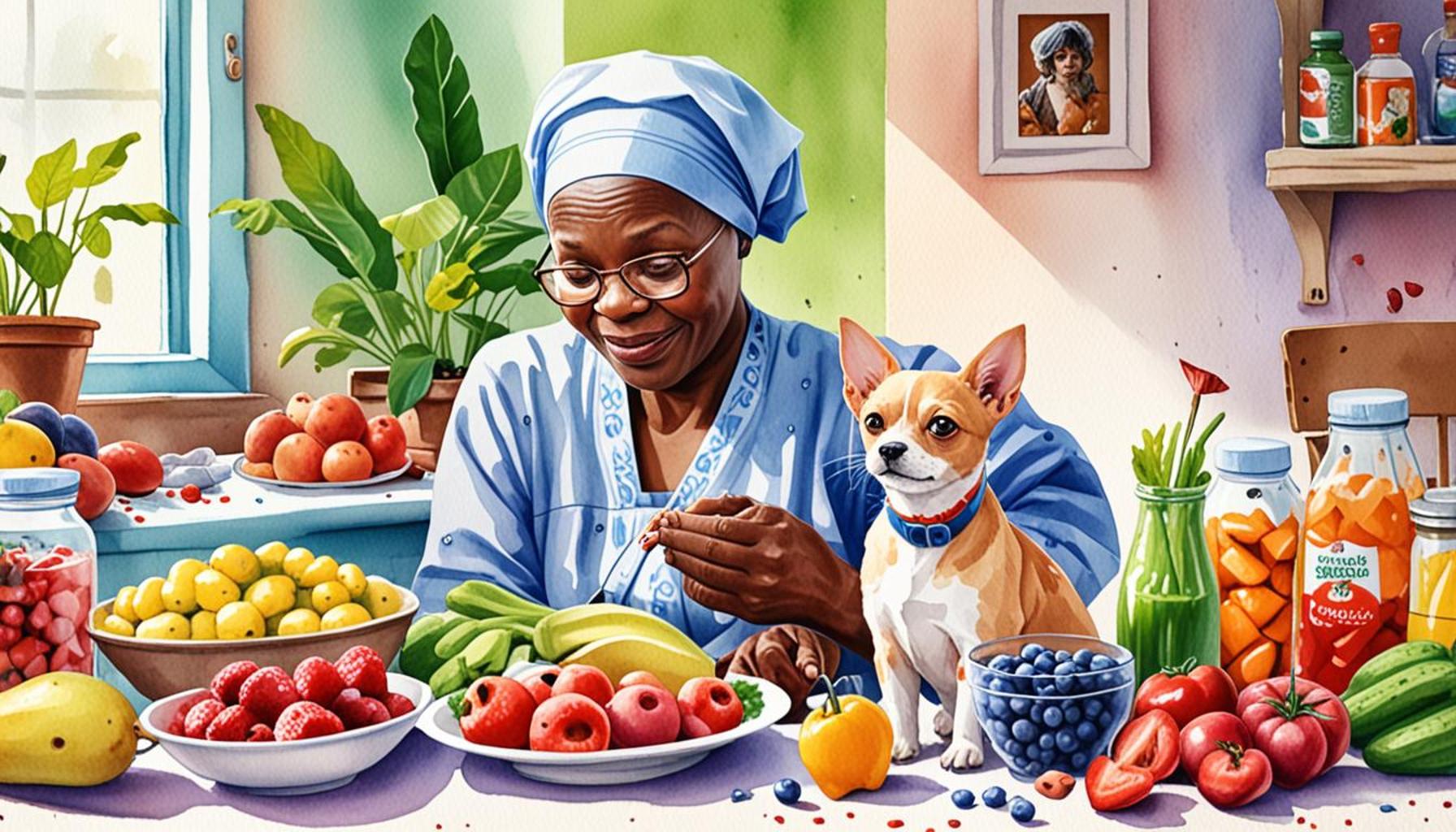
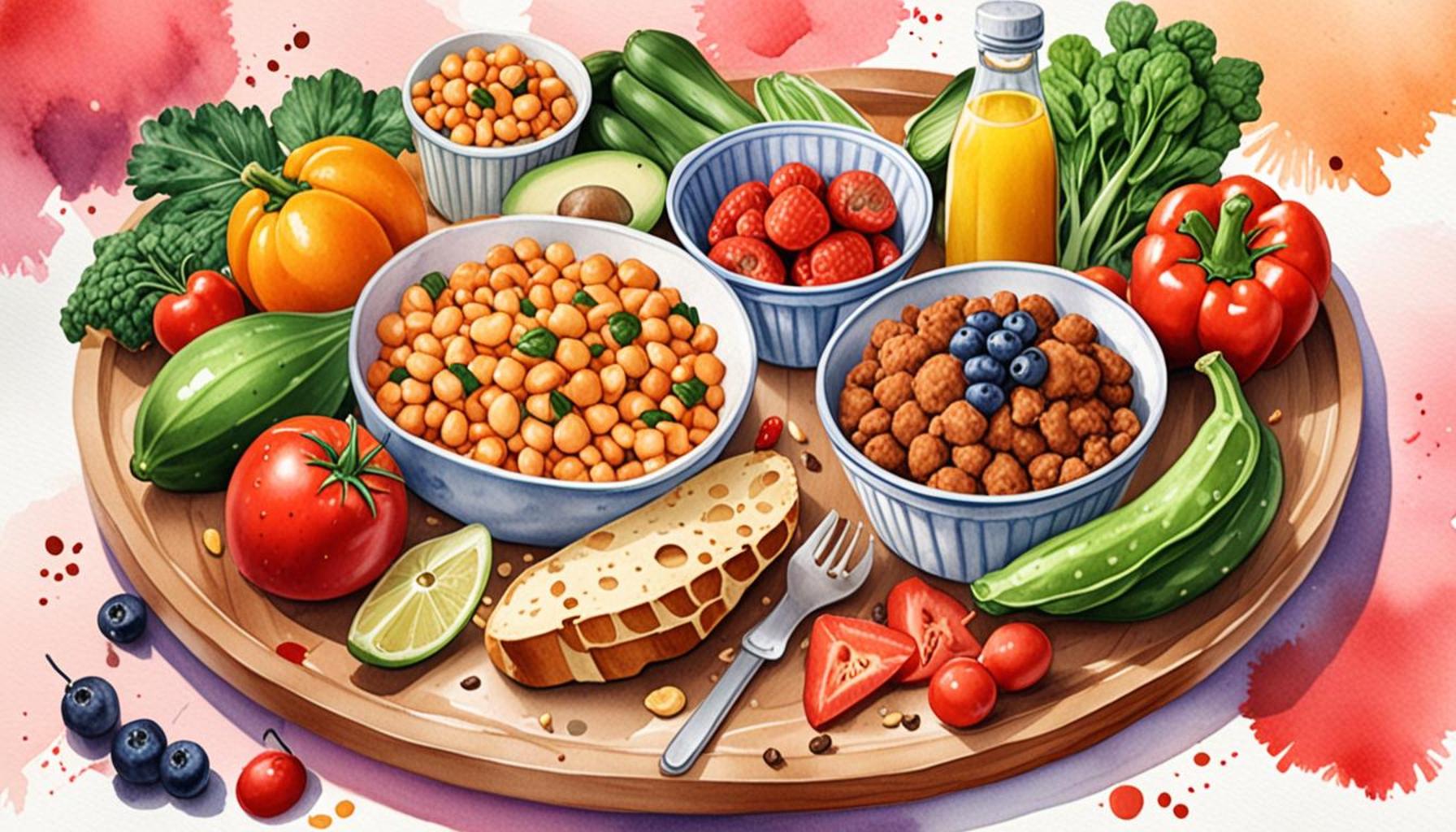
One of the most significant influences on pet food selections is the incorporation of traditional diets. Many Nigerian pet owners opt to feed their animals foods that resonate with their cultural heritage. Foods such as rice, beans, yam, and fish are not just staples for humans; they find their way into pet diets as well. For instance, in coastal regions, dogs may enjoy meals enriched with fish or seafood, while in the northern parts of the country, a diet based on grains might be more prevalent. This adaptation highlights how closely pet nutrition can align with human dietary practices, fostering a sense of community and belonging.
Moreover, the cultural significance of pets, particularly dogs, cannot be understated. In many Nigerian communities, dogs symbolize loyalty, protection, and prestige. As a result, pet owners are inclined to invest in premium brands that showcase high-quality ingredients. This is particularly true in urban hubs like Lagos and Abuja, where affluent individuals may choose imported, gourmet pet foods as a way to portray an image of success and an upscale lifestyle. Local markets also feature a variety of pet treats that contain local flavors, marrying premium quality with cultural identity.
The availability of local ingredients significantly impacts pet food choices. Many manufacturers in Nigeria are beginning to adapt their recipes based on locally sourced items, catering to the growing demand for organic and natural pet foods. For instance, ingredients such as palm oil, cassava, and assorted meats are increasingly finding a place in commercial pet food products. This trend not only supports local agriculture but also reassures pet owners about the quality and safety of what they are providing for their furry friends.
Alongside these factors, there is a rising awareness regarding pet health and nutrition. Educational campaigns by veterinarians and pet food companies are helping owners understand the importance of balanced diets rich in vitamins and minerals. In this endeavor, the emphasis has shifted from mere sustenance to longevity and wellness for pets. Nutritional labels are becoming more scrutinized, with pet owners seeking foods that align with their values about health, sustainability, and support for local industries.
The confluence of cultural practices and modern influences creates a remarkable tapestry of pet food choices in Nigeria. This dynamic landscape invites further exploration as it reflects not just the dietary habits of pets but also broader themes of identity, socioeconomic status, and evolving consumer expectations. Understanding these crosscurrents can provide deeper insights into Nigerian society and its ongoing evolution.
Cultural Significance of Pet Diets
The choices that Nigerian pet owners make regarding their animals’ diets are profoundly influenced by cultural beliefs and regional practices. In a country where food serves as a medium for cultural expression, it is no surprise that this extends to the diets of pets. Traditionally, many communities perceive pets as family members, and as such, they take care to provide meals that are not only nourishing but also deeply rooted in local culinary customs.
A substantial number of pet owners in Nigeria opt for homemade meals that blend both human food and specially formulated pet diets. This practice reflects a rich tapestry of ethnic influences—be it Igbo, Yoruba, Hausa, or other ethnic groups—which prioritize natural and wholesome ingredients. For instance, a common practice among Yoruba pet owners involves incorporating catfish into the diets of their dogs, while Hausa owners may prefer utilizing millets and grains that their livestock consume, mirroring their agricultural heritage.
Furthermore, traditional Nigerian flavors often find their way into commercially available pet foods, as manufacturers recognize the importance of local taste preferences. Pet food brands are beginning to launch products that feature ingredients such as groundnut (peanut), ogbono (wild mango seed), and bitter leaf, appealing to pet owners’ nostalgia and culinary connections. This melding of local cuisine and pet nutrition not only enriches the diets of pets but also celebrates the unique flavors that define Nigerian food culture.
The Role of Socioeconomic Factors
Socioeconomic status plays a critical role in determining pet food selections among Nigerians. For many lower-income families, pets are often fed leftovers or affordable local ingredients, reflecting a practical and resourceful approach to pet care. These choices underscore the broader theme of socioeconomic realities faced by many in Nigeria; pet ownership is seen as an extension of household identity. Below are factors that influence pet food choices across different socioeconomic strata:
- Affordability: Lower-income households tend to focus on budget-friendly options, prioritizing local staples rather than premium imported brands.
- Access to Resources: In rural areas, access to diverse pet food options may be limited, thereby influencing owners to create concoctions at home using available ingredients.
- Urbanization: As city life becomes more prevalent, urban pet owners often invest in specialized pet foods, signifying a shift toward viewing pets as companions rather than utility animals.
- Cultural Values: Many families treat pets with love and respect, paralleling the treatment of family members, which can lead to investing more in high-quality food when financially feasible.
The intersection of these cultural and socioeconomic elements creates a complex landscape for pet food choices in Nigeria. It highlights the significance of understanding the cultural context behind what pet owners are choosing to feed their companions, which can lead to greater insights into not only pet health but also the evolving nature of family and community bonds.
| Cultural Influence | Impact on Pet Food Choices |
|---|---|
| Traditional Ingredients | Many Nigerian pet owners prefer to incorporate local ingredients such as cassava and yam into their pets’ diets, reflecting cultural culinary practices. |
| Cultural Beliefs | The belief in natural and organic foods often leads to a demand for pet food that mirrors traditional health practices, impacting product development in the industry. |
Nigerian culture profoundly shapes pet food choices, where the influence of traditional dietary practices and local ingredients becomes evident. As pet ownership rises, the demand for foods made from local staples like cassava and yam increases. These ingredients not only foster a sense of familiarity but also promote the concept of natural feeding, underlining the importance of culturally relevant nutrition for pets. Additionally, cultural beliefs surrounding health and wellness drive consumers toward foods perceived as organic or natural. This perspective creates a market for pet food brands that embrace local flavors and formulations that align with traditional health practices. The rising inclination towards holistic pet health is also reflected in the products that cater to these preferences.Ultimately, the intertwining of Nigerian culture and pet food choices underscores a fascinating evolution within the pet care industry. As pet owners increasingly seek to provide meals that resonate with their own culinary heritage, manufacturers are adapting their offerings to meet these cultural demands, creating a vibrant market that celebrates both tradition and modern pet care.
Traditional Ingredients and Their Impact
Central to the pet food choices made by Nigerian owners is the reliance on traditional ingredients that are not only nutritious but also steeped in cultural significance. For instance, the use of yam and cassava in pet food is prevalent, as these staples are common in Nigerian households. Many owners believe that the inclusion of such ingredients enhances their pets’ health and aligns with their dietary practices. Native grains, such as rice and maize, serve as fundamental carbohydrate sources not only for family meals but also for the diets of pets.
Moreover, in many Yoruba and Igbo communities, protein sources like eggs, fish, and meat play a pivotal role. Pet owners often incorporate proteins into homemade recipes, ensuring their pets receive a balanced diet. The belief that pets thrive on diets that mimic human food parallels the notion that a well-fed pet is a happy and healthy companion, which resonates across various cultures in Nigeria. This belief in a direct relationship between nutrition and pet well-being often drives owners to experiment with new recipes, blending traditional Nigerian elements with commercially available options.
Influence of Social Media and Modern Trends
In recent years, the influence of social media has emerged as a significant factor affecting pet food choices among Nigerian pet owners. Platforms such as Instagram and Facebook have become spaces for sharing pet care tips, food recipes, and innovative ways to prepare meals that align with traditional practices. Pet influencers showcasing elaborate pet meals draw attention to the significance of homemade diets and encourage others to adopt similar practices. This trend has prompted even commercial brands to adapt, introducing lines of pet food that highlight local flavors and traditional ingredients.
This interrelation between social media and pet nutrition brings to light the changing dynamics of pet ownership. As more Nigerian households engage with online communities, they are increasingly inclined to experiment with what they feed their pets, blending nutrition with creativity. The popularization of DIY pet recipes that use native ingredients reflects a broader cultural renaissance focusing on sustainability while celebrating the unique culinary heritage of Nigeria.
Health Consciousness Among Pet Owners
As the consciousness of health and wellness continues to rise among Nigerians, this sentiment has influenced how pet owners perceive and curate their pets’ diets. The push toward adopting healthier lifestyles has seeped into pet nutrition as well. Many owners now seek out natural ingredients and opt for organic and holistic pet food options. This shift mirrors the larger global trend toward healthier living, where Nigerian pet owners become discerning consumers, looking for labels that affirm the quality and source of the ingredients.
Consequently, local pet food manufacturers have begun to capitalize on this trend by innovating new recipes that incorporate superfoods like moringa and spirulina, which are renowned for their health benefits. This not only aligns with the owners’ health-conscious lifestyle but also resonates with the cultural emphasis on preventive health measures deeply embedded in Nigerian traditions.
This evolving relationship with pet food choices suggests a future where Nigerian pet diets are a reflection of a vibrant amalgamation of cultural heritage, modern trends, and health consciousness, all contributing to the rich narrative of pet ownership in Nigeria.
Conclusion
The exploration of the influence of Nigerian culture on pet food choices reveals a fascinating interplay between tradition, modernity, and health consciousness among Nigerian pet owners. As pet guardians increasingly embrace the notion that a balanced diet for their pets mirrors the nutritional practices they uphold in their own lives, traditional ingredients such as yam, cassava, and native grains form the cornerstone of pet nutrition. This cultural inclination towards providing wholesome, familiar foods not only aligns with the culinary heritage of Nigeria but also emphasizes the emotional connection between pets and their owners.
Moreover, the rise of social media as a platform for sharing innovative pet care practices has further diversified pet diets. The blending of traditional recipes with contemporary trends showcases a unique cultural renaissance that champions creativity in pet nutrition while celebrating local flavors. As Nigerian pet owners become more health-conscious, the adoption of natural ingredients and superfoods highlights a broader movement towards wellness, reflecting a commitment to preventive health that is deeply rooted in the cultural fabric of the nation.
The narrative of pet ownership in Nigeria is thus poised for transformation, driven by a collective embrace of cultural values, modern influences, and health trends. As stakeholders in the pet food industry observe and respond to these shifts, the future promises a more vibrant and holistic approach to pet nutrition—a perfect blend of tradition and innovation that continues to nurture the well-being of Nigerian pets and their human companions alike.