The Importance of Socialization in Canine Behavioral Training

The Importance of Socialization in Canine Training
Socialization is a crucial part of a dog’s development and training. It significantly influences how dogs react to their surroundings, interact with other animals, and build relationships with people. Proper socialization involves exposing your dog to a variety of stimuli—different environments, sounds, scents, and interactions from a young age, ideally between three and fourteen weeks. This early exposure helps to forge a well-adjusted and confident canine.
Key benefits of proper socialization include:
- Reduction of fear-based behaviors: A dog that has been adequately socialized is less likely to display anxiety or fear around unfamiliar situations. For instance, a well-socialized dog may confidently walk down a bustling street or remain calm when encountering different breeds in a park.
- Improved obedience: Dogs that are socialized early can follow commands reliably, even amidst distractions. Imagine a dog successfully sitting and staying on command while other dogs are barking and playing nearby—this is a testament to effective socialization.
- Enhanced communication: Socialized dogs learn to interpret social cues not just from humans but also from fellow dogs. For example, they become adept at recognizing warning signs, body language, and signals, which can prevent confrontations or misunderstandings.
In recent years, the proliferation of dog parks and pet-friendly establishments in the United States has made it easier for pet owners to provide their dogs with essential social interaction. These spaces encourage dogs to mingle with one another, helping them learn social boundaries and self-control. Yet, despite this accessibility, many owners still underestimate the importance of intentional socialization.
Research has shown that dogs lacking proper socialization are more prone to developing behavioral issues such as aggression, excessive barking, or destructive tendencies. By understanding how to socialize a dog effectively—using techniques such as controlled introductions to novel environments or supervised playdates with other dogs—owners can prevent these issues before they arise.
As we explore this topic further, you will uncover a wealth of methods, expert insights, and community practices that illustrate the undeniable significance of socialization in enhancing a dog’s happiness and behavioral training. By investing time and effort in this vital area, you’re not just raising a pet; you’re nurturing a well-rounded companion ready to thrive in the world.
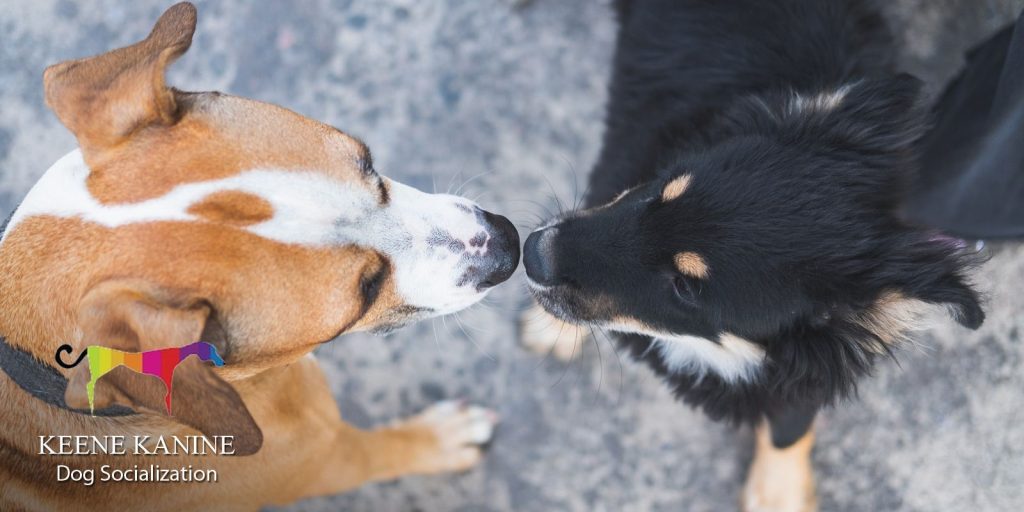
Understanding the Foundations of Canine Socialization
Canine socialization is not just a series of meet-and-greet encounters; it is a structured process that serves as the foundation for a dog’s behavioral health and overall well-being. When dogs are exposed to a variety of experiences during their critical development window, they learn to adapt to varied environments and situations, mitigating the risks of behavioral problems later on. Socialization goes hand in hand with other training methods, enhancing the learning curve and making the transition into complex social settings feel natural and reassuring for the dog.
Research indicates that socialization plays a significant role in various aspects of canine behavior, including:
- Confidence Building: Dogs that are socialized are more likely to exhibit confidence in new situations. Whether it be interacting with humans or meeting different canine breeds, a well-socialized dog exhibits an eagerness to engage rather than retreat in fear.
- Better Coping Mechanisms: Engaging with diverse settings—from busy urban streets to quiet parks—helps dogs manage potential stressors more effectively. By facilitating safe interactions with various stimuli, dogs learn coping strategies that will enable them to handle overwhelming situations calmly.
- Decreased Risk of Health Problems: Socialization does not only equip dogs with behavioral skills; it can contribute to their physical health. Stress and anxiety linked to a lack of socialization can lead to issues such as gastrointestinal problems, which can affect overall health.
In a landscape where dog ownership and commitment to training are more critical than ever, understanding the multiple layers of socialization becomes imperative. Dog parks, training classes, and playgroups have gained popularity across the United States, providing dedicated spaces for vital social interaction. However, despite these resources, many pet owners still struggle to grasp the concept of intentional socialization—treating it as a casual encounter rather than a critical aspect of each dog’s upbringing.
Experts highlight that early positive experiences greatly influence a dog’s temperament as adults. They encourage owners to seek out positive reinforcement training methods that celebrate good behavior while simultaneously exposing their pets to everyday situations. Situational exposure such as meeting children, navigating busy streets, or encountering other pets in a controlled environment are powerful tools for instilling the right behavior patterns.
In summary, the significance of socialization in canine behavioral training is multifaceted. It encapsulates a range of advantages including improved confidence, better coping mechanisms, and enhanced health outcomes. This foundational aspect not only shapes how dogs behave but sets clear expectations for their interactions throughout their lives. As we delve deeper into specific techniques and professional advice on effective socialization practices, you will see why investing in this element is essential for raising a happy, balanced canine companion.
| Advantage | Description |
|---|---|
| Enhanced Adaptability | Socialized dogs are more adaptable to new environments, noises, and experiences. |
| Reduction of Aggressive Behaviors | Proper socialization helps decrease fear-based aggression towards people or other dogs. |
| Improved Communication | Socialized dogs learn essential body language cues from other dogs, enhancing their communication skills. |
| Increased Confidence | Regular interactions boost a dog’s confidence, reducing anxiety in unfamiliar situations. |
Socialization is crucial in the developmental stages of a dog’s life. Unlike what some might believe, it is not merely about allowing dogs to meet others but about teaching them how to appropriately interact. Every positive experience a dog has during its socialization ensures they grow into well-adjusted adults capable of navigating the human and canine world alike. Moreover, socialization opens up pathways for training success. When dogs are comfortable in diverse settings, they are more susceptible to training efforts. They become willing participants and eager to learn. Interested in understanding how socialization could enhance your pet’s behavior? Delve deeper into this enriching topic, and discover creative strategies to implement effective socialization techniques for your canine companion.
Implementing Effective Socialization Strategies
While the concept of socialization is clear, the execution can prove to be more complex, requiring a thoughtful approach tailored to each dog’s individual needs. The process involves both the frequency and quality of social interactions. Dog owners should prioritize creating opportunities for their pets to engage meaningfully with various stimuli—humans, animals, and environments. Here, we delve deeper into actionable strategies that can lead to effective socialization outcomes, emphasizing that the journey begins well before a puppy reaches maturity.
1. Early Exposure and Gradual Desensitization: Experts agree that the critical socialization window for puppies extends from about 3 weeks to 14 weeks of age, a time when they are particularly malleable. During this period, exposing puppies to new sights, sounds, and experiences is essential. For instance, taking a young puppy to a pet-friendly café can introduce them to various smells and crowds while allowing for positive interactions with unfamiliar faces. This early exposure can lead to a more adaptable adult dog. Owners should also practice gradual desensitization to help their pets become accustomed to potentially frightening stimuli—like loud noises or rapid movements—through controlled, positive experiences.
2. Structured Training Sessions: Integrating socialization into routine training sessions amplifies its benefits. This means conducting training sessions in different environments—your backyard one day and a local park the next. This shift helps dogs learn to focus on their owners despite distractions. Moreover, structured playdates with well-matched canine companions can provide an outlet for positive interactions that also pave the way for better social skills. During these sessions, it is crucial for the owner to facilitate interactions, ensuring they remain positive and reinforcing good behaviors.
3. Exploring Group Classes: Group training classes serve as a fertile ground for socialization. These classes not only teach obedience but also allow dogs to learn appropriate behavior around other dogs and humans. Engaging in activities with fellow pet owners under the guidance of a trainer signals a communal effort towards harmony among dogs and their handlers. In these controlled settings, dogs learn essential communication signals and cues that are pivotal for successful interactions in everyday life.
4. The Role of Positive Reinforcement: Leveraging positive reinforcement during socialization makes a significant difference in how dogs perceive their experiences. Utilizing treats, praise, or toys to reward calm and friendly behavior during these encounters promotes a positive association with social situations. For example, if a dog remains calm during a visit to the vet or while encountering fireworks for the first time, rewarding that behavior helps cement the experience in a favorable light for future reference.
5. Recognizing Individual Needs: Each dog’s temperament is unique, and understanding individual needs is essential for successful socialization. Some dogs may naturally be more timid or exuberant than others, requiring tailored approaches to training. Recognizing signs of stress or anxiety during social interactions is crucial, as it enables owners to provide comfort and support as needed. Taking time to observe a dog’s behavior can create a more nurturing atmosphere, allowing for healthier social growth.
Incorporating these strategies into canine training can effectively cultivate a well-socialized dog, fostering harmony in both human-canine relationships and the broader sociocultural environment. With dedicated efforts and continued learning, dog owners can understandingly navigate the complexities of canine socialization, ultimately unearthing the numerous advantages associated with this foundational aspect of behavioral training.
Conclusion: The Cornerstone of Canine Companionship
In summary, socialization plays a pivotal role in canine behavioral training, shaping not only a dog’s demeanor but also their ability to navigate the world around them. From early exposure to diverse environments and stimuli to engaging in structured training sessions and group activities, the foundation laid during these formative experiences determines a dog’s adaptability and social skills throughout their life. As outlined, using methods rooted in positive reinforcement further enhances these learning experiences, allowing dogs to form positive associations with various social settings.
Owners must remain vigilant to the unique temperaments of their pets, ensuring training approaches are customized to individual needs. By acknowledging signs of discomfort or anxiety, they can provide crucial support, fostering a nurturing environment conducive to healthy social development. In a society increasingly centered around pet interactions and responsibilities, prioritizing socialization cannot be overstated.
As we venture further into the complexities of canine behavior, an understanding of proper socialization techniques leads to not only well-adjusted dogs but also to enriched human-canine relationships. For dog owners in the United States, this journey of socialization is not merely about training; it’s about cultivating a partnership that thrives on trust, communication, and mutual respect. Thus, as we invest time and effort into our canine companions, let us remember the importance of socialization in shaping not just obedient pets but happy, well-integrated members of our families and communities.