The Importance of Pet Adoption in Reducing Abandonment in Nigeria

The Elevated Need for Pet Adoption in Nigeria
The incidence of pet abandonment in Nigeria is a pressing issue that demands immediate attention. With the urban landscape expanding and economic challenges rising, many pets are unfortunately left without homes. Each year, thousands of dogs, cats, and small animals are left to fend for themselves in harsh environments, leading to increased suffering and overpopulation in the streets and local shelters.
Adopting rather than purchasing pets not only saves lives but also fosters a healthier community. The benefits of pet adoption are manifold:
- Saving Lives: Every pet that is adopted means one less animal living in fear and uncertainty on the streets. For instance, organizations like the Animal Rights Advocacy Initiative (ARAI) in Lagos work tirelessly to rescue abandoned pets and prepare them for new homes.
- Combatting Overpopulation: Adoption plays a vital role in controlling the overwhelming number of strays. When more individuals adopt rather than buy, they help stem the tide of overpopulation, which is a critical concern in many localities.
- Encouraging Responsible Pet Ownership: Adopters tend to become passionate advocates for animal welfare. They often share their adoption stories on social media, inspiring their peers to consider adoption instead of shopping for pets. Educational campaigns initiated by local shelters promote responsible pet ownership, which includes spaying and neutering.
Communities that prioritize pet adoption, such as those in Abuja and Port Harcourt, often experience substantial decreases in abandonment rates. Initiatives and partnerships with local businesses, schools, and communities can drive awareness and impact change. For example, adoption drives held at local markets or schools not only showcase adorable pets but also educate potential adopters on the responsibilities of pet ownership and the dire consequences of abandonment.
Choosing adoption not only provides a warm home for a pet in need but also significantly contributes to societal wellbeing. The heartwarming stories of adopted animals that thrive in loving homes often resonate deeply with the public. These tales serve as a powerful reminder of the importance of compassion and responsibility, fostering a culture of awareness about the needs of abandoned pets.
As awareness about the importance of pet adoption continues to grow, there is hope that collective efforts can lead to transformative changes in Nigeria’s approach toward animal welfare. The partnership between individuals, community organizations, and local governments is key to establishing a more humane environment for both pets and people.
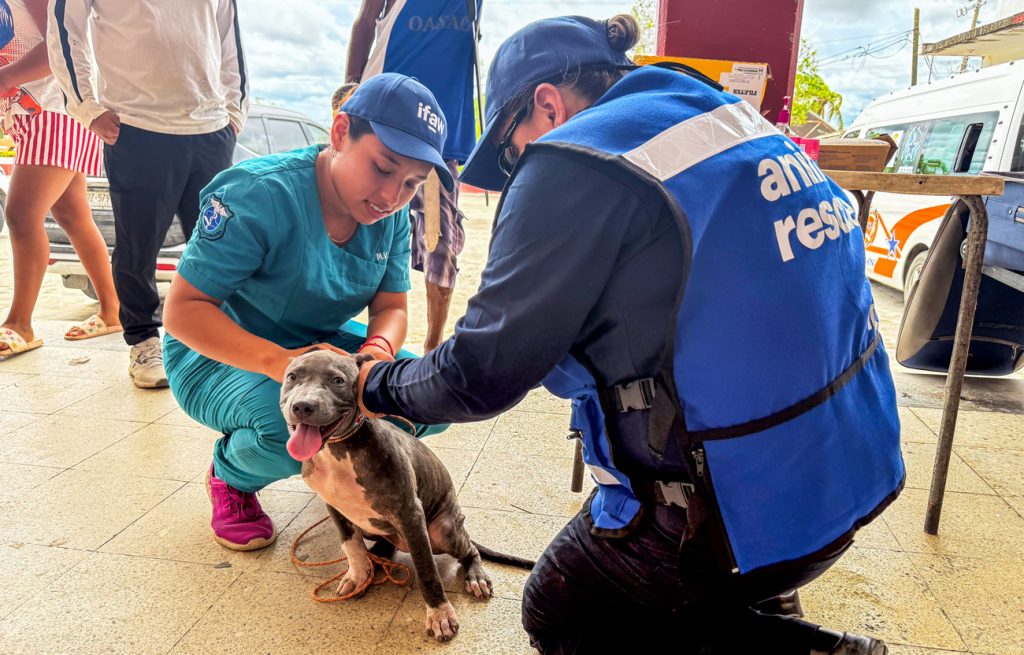
Continued education and advocacy are essential. As more Nigerians recognize the emotional and societal benefits of adopting pets, the future looks brighter—not just for these animals, but for communities embracing the joy of responsible pet ownership.
Understanding the Impact of Pet Abandonment
Pet abandonment is a multifaceted issue that reflects the broader challenges faced by society in Nigeria. The rising number of stray animals is not just a result of irresponsible pet ownership; it is also tied to systemic socio-economic factors. According to the Nigerian Veterinary Medical Association, it is estimated that over 1 million pets are abandoned each year, often due to the inability of owners to care for them adequately in the face of economic hardship and urban migration.
The consequences of pet abandonment are dire. Stray animals face numerous dangers, including hunger, illness, and accidents, which can lead to their suffering and premature death. Furthermore, abandoned pets can exacerbate public health concerns, as they often roam in search of food and can contribute to the spread of diseases, both among animals and humans. To combat this growing crisis, pet adoption emerges as a critical component in the fight against abandonment.
Why Adoption Matters
Adoption provides a pathway not only for the pets but also for the communities that support them. Here are several key reasons why pet adoption is essential in Nigeria:
- Providing Real Solutions: Adopting pets helps to address the root of the abandonment problem. By creating a loving environment for animals that have been neglected or harmed, adopters actively participate in reducing the overall population of strays on the streets.
- Enhancing Community Wellbeing: Communities that engage in pet adoption initiatives often report stronger bonds among residents. Adoption drives encourage individuals to come together for a common cause, fostering a culture of empathy and responsibility.
- Generating Awareness: Adoption campaigns can illuminate the often-overlooked plight of abandoned animals. By sharing information about the importance of adoption via social media and local events, activists can increase public understanding of animal welfare issues.
Moreover, the emotional benefits of adopting a pet are well-documented. Studies show that having a pet can reduce stress, improve mental health, and promote social interaction. This bond between humans and their adopted pets illustrates the profound impact of animal companionship on individual wellbeing.
As Nigerians become more aware of the crisis of abandonment and the role of pet adoption, the shift from viewing animals as commodities to recognizing them as sentient beings becomes more pronounced. This cultural shift is essential for long-term change and significantly contributes to an environment where pets can thrive alongside their human counterparts.
In conclusion, the importance of pet adoption in reducing abandonment in Nigeria cannot be overstated. From saving lives to fostering healthier communities, the act of adopting a pet holds the key to a more compassionate future. Through greater awareness and community engagement, there is potential for transformative development in the realm of animal welfare, creating a world where fewer animals are abandoned and more heartwarming bonds between pets and people flourish.
The Growing Need for Pet Adoption Awareness
In Nigeria, the alarming rate of pet abandonment has necessitated a focused discussion on the importance of pet adoption. As more families embrace the idea of having pets, awareness campaigns become vital in educating the public about responsible pet ownership. Research indicates that more than 70% of abandoned pets are healthy and can thrive in loving homes. This statistic highlights the urgent need for adoption initiatives.
The Role of NGOs and Community Initiatives
Non-governmental organizations (NGOs) play a pivotal role in facilitating pet adoption. By organizing awareness campaigns and adoption drives, they work to connect abandoned pets with empathetic families. Such initiatives not only help to reduce the stray population but also foster a sense of community responsibility. By engaging local communities, NGOs create a ripple effect, encouraging more people to consider adoption over purchasing pets.
Benefits of Pet Adoption
Adopting a pet not only offers a second chance at life for these animals but also brings numerous benefits to their new families. Pets provide emotional support and companionship, helping to decrease feelings of loneliness and isolation. Moreover, studies suggest that pet ownership can lead to reduced stress and anxiety levels in humans. Thus, the act of adoption creates a win-win situation, benefiting both parties significantly.
| Advantage | Explanation |
|---|---|
| Reducing Stray Population | Adopting pets helps to significantly decrease the number of stray animals on the streets. |
| Emotional Benefits | Pets offer emotional support and companionship, enhancing overall mental health. |
Changing Perceptions Through Education
Changing public perception about pet adoption is crucial. Educational programs that clarify misconceptions about shelter animals—such as the belief that they are inherently unhealthy or behaviorally problematic—are essential. Implementing workshops in schools and community centers can be effective strategies for promoting adoption, enabling future generations to understand the importance of responsible pet ownership.
As awareness grows, more individuals may be inspired to open their hearts and homes to pets in need, ultimately leading to better outcomes for animals and communities across Nigeria.
The Ripple Effects of Pet Adoption on Society
Engaging in pet adoption has far-reaching implications that extend beyond merely providing a home for a dog or cat. In Nigeria, where resources for animal welfare can be limited, each act of adoption plays a significant role in reshaping societal attitudes toward animals and their treatment.
Economic Benefits of Adoption
Another vital aspect of pet adoption is its economic implications. By adopting instead of purchasing pets, families not only save on the initial costs but also lessen the burden on local shelters and rescues that are often overloaded with abandoned animals. The veterinary sector also sees benefits, as adopted pets are typically required to undergo medical checks and vaccinations, leading to increased business for veterinarians. According to the Nigerian Animal Health and Welfare Association, every pet adopted can spark additional revenue in the local economy, as owners look to buy food, supplies, and health care for their new companions.
Community Engagement
Initiatives aimed at promoting pet adoption unite diverse groups in the community, fostering collaboration among various stakeholders, including local governments, businesses, and non-profit organizations. Community events, such as adoption fairs and educational seminars, offer platforms for sharing resources and spreading awareness. Such gatherings not only attract potential adopters but also encourage discussions about responsible pet ownership and the importance of spaying and neutering, which in turn helps reduce the stray animal population.
The Role of Education
Education is crucial in addressing the abandonment crisis in Nigeria. Schools and educational institutions can play a pivotal role in fostering a compassionate mindset toward animals from a young age. Classroom discussions and workshops focused on animal welfare can equip children with the knowledge to understand the responsibilities involved in pet ownership. Various NGOs, like Animal Care and Attention Resort, actively engage in outreach programs to educate communities about humane treatment and the critical importance of pet adoption. This educational approach aims to cultivate a future generation of responsible pet owners who will help mitigate the issues of abandonment and neglect.
- Spaying and Neutering Initiatives: One of the most effective solutions to controlling the stray population is the promotion of spaying and neutering among pet owners. Adoption campaigns that include these programs can significantly curb the number of unwanted litters, further alleviating the issue of abandonment.
- Volunteer Opportunities: Pet adoption also opens doors for community members to get involved as volunteers at local shelters. These organizations often rely on volunteers to help with day-to-day operations, fostering animals, and facilitating education programs. This involvement creates a dedicated network of animal advocates who can inspire further positive actions.
- Increased Media Coverage: As adoption rates rise, so do stories of successful adoptions that capture public interest. Social media campaigns showcasing adopted pets and their happy homes can lead to a cultural shift, driving more individuals to consider adoption as a viable option.
Through these multifaceted approaches, it’s clear that pet adoption serves as a powerful tool in mitigating the issues brought about by pet abandonment in Nigeria. As communities come together and support these efforts, the potential for a significant reduction in abandonment cases grows, fostering a more compassionate society aligned with the core principles of love and responsibility towards animals.
Conclusion: A Call to Embrace Pet Adoption in Nigeria
In light of the pressing issue of pet abandonment in Nigeria, the importance of pet adoption cannot be overstated. By making the conscious choice to adopt, individuals not only save a life but also become part of a larger movement that advocates for responsible pet ownership and humane treatment of animals. Each adoption is a crucial step in alleviating the burden on overwhelmed shelters, subsequently contributing to the overall welfare of animals across the nation.
The ongoing efforts to foster community engagement, raise awareness, and promote education surrounding animal welfare are essential in instilling the sense of responsibility that pet ownership demands. As the Nigerian Animal Health and Welfare Association emphasizes, every pet adopted creates opportunities for economic benefit, from veterinary care to pet supplies, thereby nurturing local businesses. This economic ripple effect further solidifies the case for adoption, positioning it as a practical choice for families.
Moreover, the role of education remains pivotal in transforming societal perceptions about animals and nurturing a culture of compassion. By empowering the youth through programs that raise awareness about animal welfare, Nigeria can cultivate a generation that not only appreciates but advocates for the rights of animals. Spaying and neutering initiatives, alongside volunteer opportunities, also present avenues through which individuals can contribute actively to reducing the stray population.
As we consider the future of animal welfare in Nigeria, it becomes apparent that the path forward lies in collective action. By prioritizing pet adoption and supporting initiatives that curb abandonment, we can pave the way for a future where every animal has a safe, loving home. Let us join hands to create a compassionate society that reflects the true essence of our shared humanity.