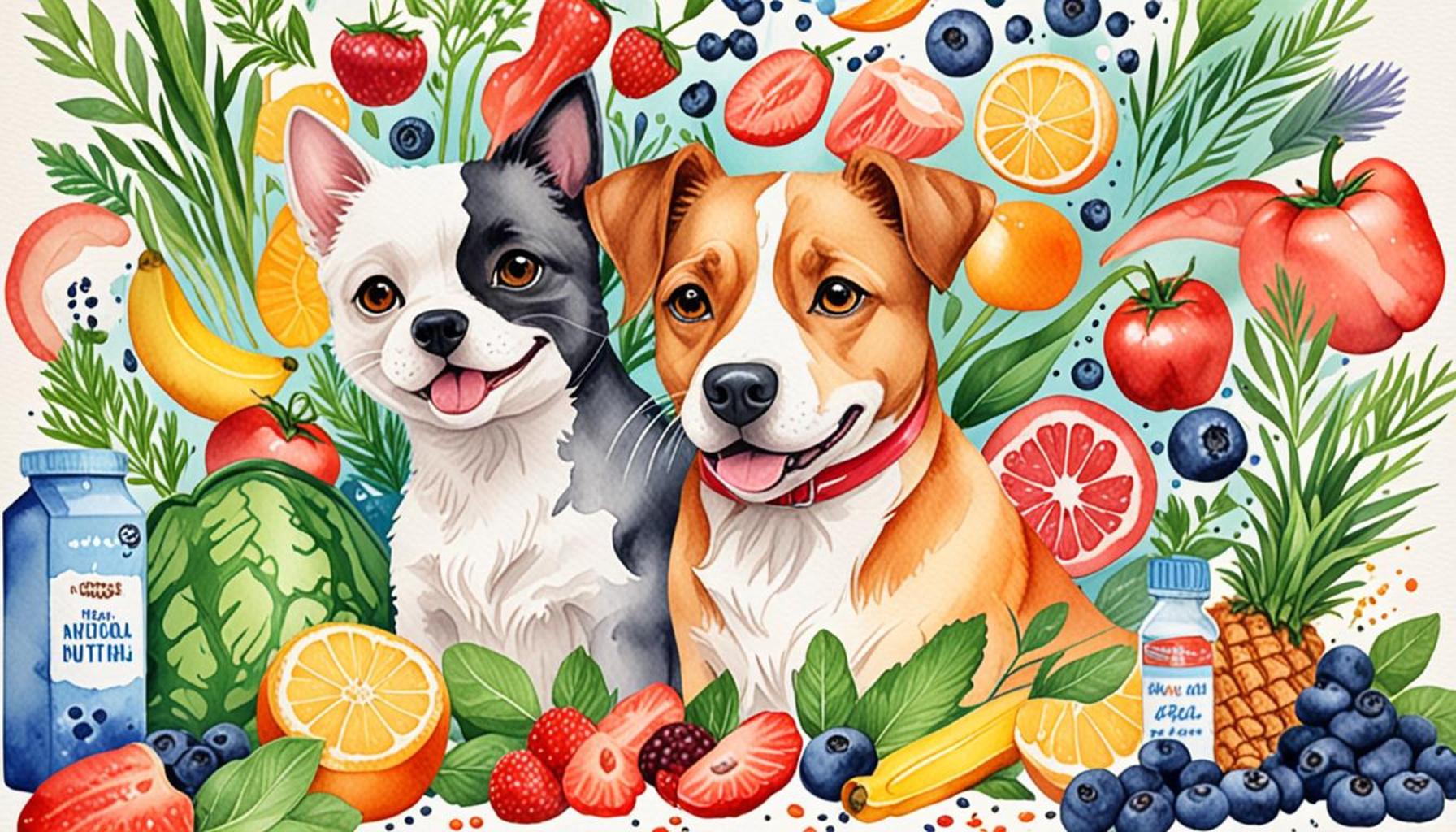
The Importance of Nutrition in Animal Health: How Diet Impacts Pet Well-Being
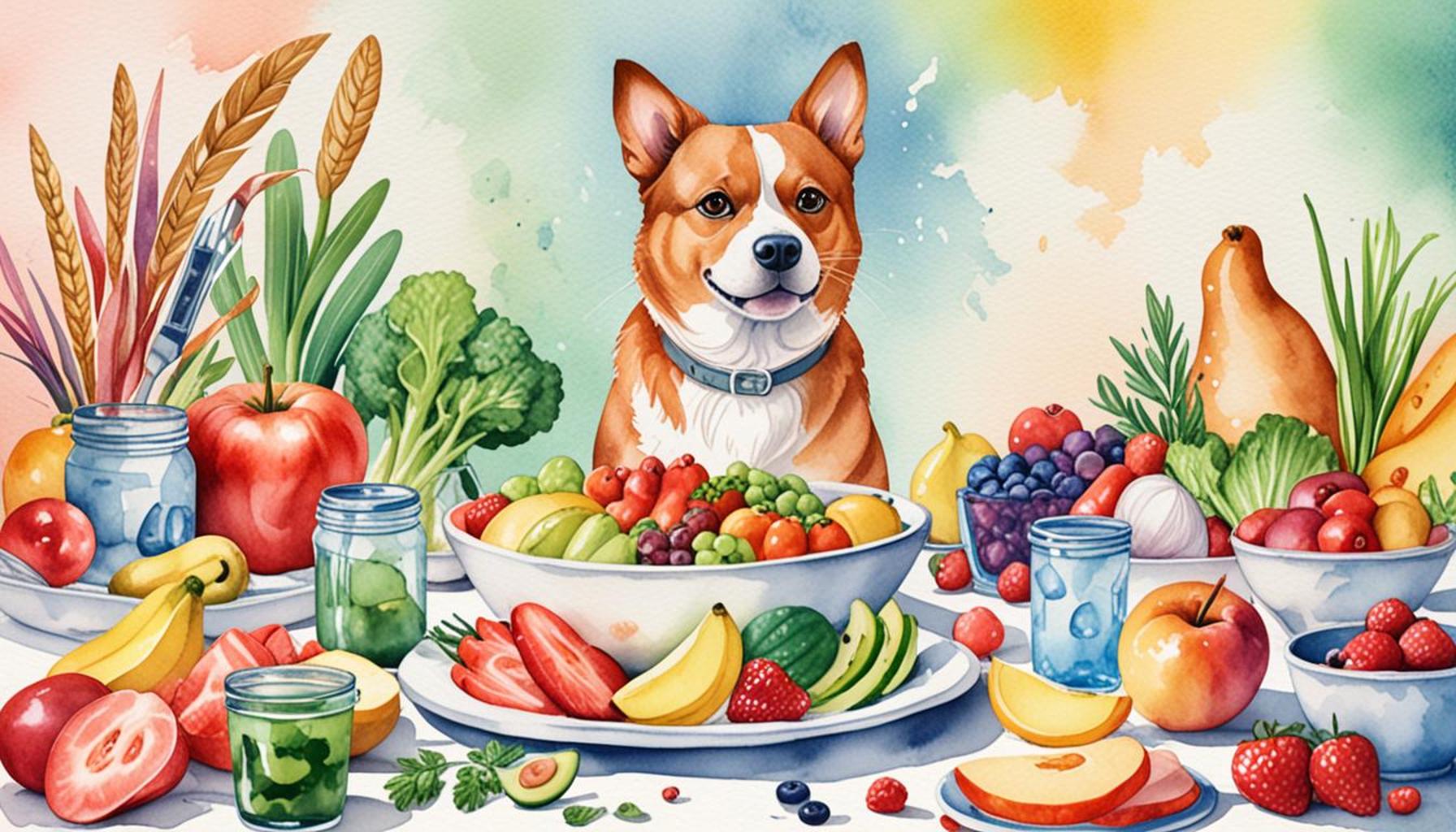
The Essential Role of Nutrition in Pet Health
Nutrition plays a pivotal role in the overall health of our beloved pets. Just like humans, animals thrive on a balanced diet that meets their specific nutritional needs. A well-planned diet not only supports their physical health but also enhances their well-being, leading to happier, more vibrant companions.
Benefits of a Balanced Diet
The advantages of providing proper nutrition are vast and far-reaching. Below are some key benefits:
- Improved Immune Function: A nutrient-rich diet strengthens the immune system, enabling pets to combat various diseases more effectively. For example, incorporating antioxidants from fruits and vegetables into their diet can help bolster their defenses against illnesses.
- Healthy Skin and Coat: Proper fats and proteins contribute to shiny coats and healthy skin. Omega-3 and Omega-6 fatty acids, commonly found in fish oils, can work wonders to reduce skin conditions and foster a beautiful fur coat.
- Optimal Weight Management: Balanced diets prevent obesity, a common issue in urban areas like Lagos, where many pets live sedentary lifestyles. Maintaining a healthy weight is crucial to avoiding obesity-related conditions, such as joint problems and diabetes.
Considerations for Pet Owners in Nigeria
In Nigeria, many pet owners may rely on homemade diets or local food sources. While these can be beneficial, they often lack essential nutrients unless prepared with comprehensive guidelines in mind. For instance, while rice and beans are staple foods, they may not provide the complete protein profiles that dogs and cats require. It is vital to be aware of what specific nutrients your pet requires for optimal health and longevity.
Consequences of Inadequate Nutrition
Failing to provide a balanced diet can lead to a number of serious consequences:
- Developmental Issues: Pets, especially puppies and kittens, need essential vitamins and minerals for growth. A deficiency in calcium or phosphorus, for example, can lead to stunted growth or skeletal deformities.
- Disease Susceptibility: Poor diet can make pets more prone to chronic health conditions, such as diabetes and heart disease. Studies have shown that well-fed pets are less likely to suffer from these debilitating issues.
- Shortened Lifespan: Pets with a poor diet often experience a lower quality of life and reduced longevity. Feeding high-quality pet food tailored to their age and breed can significantly enhance both lifespan and vitality.
Investing in your pet’s nutrition is, undeniably, an investment in their happiness and health. By understanding the intricate relationship between diet and well-being, you can provide a brighter future for your furry companions. Join us as we delve deeper into how the right diet can foster a vibrant and joyous life for your pets, ultimately enriching the bond you share with them.

ADDITIONAL INSIGHTS: Expand your understanding here
Understanding Nutritional Needs of Pets
To ensure your pet’s health, it is essential to grasp the concept of nutritional needs. Each type of pet has specific requirements based on its breed, age, weight, and activity level. For instance, a growing puppy will require different nutrients compared to an elderly dog. Vitamins, minerals, proteins, fats, and carbohydrates are the foundational building blocks of a pet’s diet, and an imbalance can lead to serious health issues.
The Impact of Macronutrients
Macronutrients—proteins, fats, and carbohydrates—are crucial for energy and overall functioning:
- Proteins: The building blocks of life, proteins are vital for muscle development, tissue repair, and enzyme production. Animal sources (like chicken and fish) are typically superior for pets as they provide essential amino acids that may not be present in plant-based proteins.
- Fats: Dietary fats are necessary for energy, hormone production, and nutrient absorption. They also contribute to healthy skin and coat. It is essential to select sources of fats that are rich in Omega-3 and Omega-6 fatty acids to augment overall health.
- Carbohydrates: While dogs can derive significant energy from carbohydrates, cats, as obligate carnivores, require fewer carbs in their diet. Vegetables, grains, and certain fruits can serve as good sources of dietary fiber and energy, promoting digestive health.
Essential Micronutrients
In addition to macronutrients, vitamins and minerals play an indispensable role in maintaining your pet’s health. Vitamins facilitate biochemical reactions, while minerals support bone health and various bodily functions.
For instance, calcium and phosphorus are critical for skeletal development, while vitamins A, D, and E contribute to overall health, eye development, and immune function. Unfortunately, many homemade diets fail to deliver an adequate supply of these crucial nutrients, thus putting pets at risk for deficiencies.
The Role of Hydration
Another often-overlooked aspect of pet nutrition is hydration. Fresh and clean water should always be available. Proper hydration aids in digestion, absorption of nutrients, and temperature regulation. In particular hot climates like Nigeria, ensuring pets have access to water is vital, as dehydration can lead to serious health issues.
As a pet owner, being informed about these fundamental nutritional components equips you with the knowledge to select the right food. Researching ingredients, consulting with veterinarians, or even considering a pet nutritionist can provide invaluable guidance in creating a meal plan that prioritizes your pet’s health and well-being. Continue reading to uncover more insights about the connection between nutrition and your pet’s overall vitality.
| Category | Details |
|---|---|
| Nutritional Needs | Each pet has unique nutritional requirements based on age, breed, and health status. |
| Impact of Diet | A balanced diet can lead to improved longevity and better overall health in pets. |
| Dietary Adjustments | Adjusting diets can help manage specific health issues |
| Quality of Ingredients | High-quality ingredients contribute to better nutrient absorption. |
Maintaining optimal nutrition is paramount for enhancing pet well-being. It is essential to recognize that every animal possesses distinct nutritional needs influenced by factors such as their age, breed, and health condition. For example, puppies and kittens require a diet rich in proteins and calories to support their rapid growth, while senior pets may benefit from diets lower in calories but enriched with nutrients that support joint health.The impact of diet extends beyond mere physical health; a balanced nutritional plan can significantly improve a pet’s quality of life, leading to increased energy levels and enhanced mood. It is noted that pets fed with high-quality foods tend to exhibit fewer signs of stress and anxiety. When considering dietary adjustments, one must account for any specific health concerns. For instance, pets with allergies or sensitivities may thrive on specially formulated diets.Furthermore, the quality of ingredients in pet foods plays a crucial role in their overall health. Foods that incorporate whole, unprocessed ingredients lead to better nutrient absorption and fewer gastrointestinal issues. Understanding these aspects can guide pet owners in making informed decisions about their pets’ diets, ultimately leading to healthier and happier companions.
SEE ALSO: Click here to read another article
The Link Between Nutrition and Disease Prevention
A pet’s diet plays a significant role in preventing various diseases and conditions. Research has shown that the right nutritional choices can bolster the immune system, making pets less susceptible to infections and chronic diseases. For example, a diet rich in antioxidants—found in fruits like blueberries and vegetables like spinach—can enhance a pet’s ability to fend off diseases, thereby prolonging its health and well-being.
Obesity: A Growing Concern
One of the most prevalent health issues among pets today is obesity. In Nigeria, the rising trend of overfeeding pets, especially with human food rich in calories, has led to alarming obesity rates. Just like in humans, obesity in pets can lead to severe health complications such as diabetes, joint issues, and heart disease. Tailoring a pet’s diet to ensure it receives the right number of calories suited to its lifestyle is crucial. Regular exercise paired with a balanced, portion-controlled diet is the foundation of maintaining a healthy weight.
Diet and Mental Health
Nutritional quality is not only about physical health; it also extends to mental well-being. Studies suggest that certain nutrients can influence a pet’s behavior and cognitive function. For instance, Omega-3 fatty acids found in fish oil are known to support brain health and may reduce anxiety in dogs and cats. Additionally, a balanced diet rich in B vitamins can enhance mood and cognitive abilities. For pet owners, this means making conscious dietary choices can lead to happier, more balanced pets.
The Importance of Species-Specific Diets
When selecting food for pets, it’s vital to consider the species-specific diets. Cats, for example, require higher protein levels due to their carnivorous nature, while dogs are omnivores and can thrive on a more varied diet. In Nigeria, where feeding habits can vary widely, many pet owners may unknowingly choose diets that do not align with their pets’ biological needs. This can lead to deficiencies and health problems over time. Consulting with a veterinarian to tailor diet options according to species requirements is advisable.
Nutritional Misconceptions and Myths
Despite growing awareness, various nutritional misconceptions continue to cloud pet owners’ judgment. For instance, many believe that feeding pets table scraps is harmless or even beneficial. However, many human foods can be toxic to pets. Ingredients like onions, chocolate, and grapes are poisonous to dogs and cats. Understanding the facts versus myths surrounding pet nutrition can prevent inadvertent harm and promote healthier dietary choices.
As pet owners become more educated about the intertwined relationship between nutrition and health, they can make better decisions that enhance their pets’ quality of life. The evolving pet food market, including options tailored for specific needs and preferences, provides greater accessibility for owners to give their pets the nutrition they require. From holistic feeds to specialized dietary plans, there is an ever-growing array of resources available to ensure pets thrive.
RECOMMENDED: Check out this similar article
Conclusion: Prioritizing Nutrition for Optimal Pet Health
In summary, the significance of nutrition in animal health cannot be overstated. The relationship between a pet’s diet and its overall well-being is evident in various aspects, from physical health to mental well-being. As discussed, a balanced and species-specific diet is crucial to prevent obesity and chronic diseases while promoting a strong immune system. Better understanding of the nutrients that contribute to healthy weight management and mental stability can lead to happier pets and a stronger bond with their owners.
The challenges posed by nutritional misconceptions are particularly relevant in Nigeria, where cultural feeding traditions may sometimes clash with the biological needs of pets. Thus, it is vital for pet owners to document and track their pets’ dietary intake, avoid harmful human food, and consult with veterinarians for tailored advice. Growing interest in the pet food market, with its diverse offerings, provides an excellent opportunity for owners to choose the right nutrition for their furry companions.
Ultimately, investing time and resources in your pet’s diet is an investment in their health, happiness, and longevity. By prioritizing optimal nutrition, pet owners can ensure that their beloved companions not only thrive but also enjoy a fulfilled and vibrant life. As we move forward, a commitment to educating ourselves further on the nuances of pet nutrition will pave the way for healthier pets across Nigeria, fostering a future where our pets can lead long, happy lives as cherished members of our families.