The Importance of Dental Hygiene in Dogs and Cats
The Importance of Animal Dental Care
The oral health of our pets often goes unnoticed, yet it plays a crucial role in their overall well-being. Just like humans, dogs and cats can experience a range of dental issues that can lead to serious health complications. Regular dental hygiene is essential for the longevity and quality of life of your furry friends. Neglecting their dental needs can result in various problems that not only affect their mouths but can also lead to systemic health issues, drastically impacting their quality of life.
Why Focus on Dental Hygiene?
Dental problems in pets can cause discomfort and may lead to more severe health concerns. Here are some reasons why maintaining good dental hygiene is vital:
- Prevention of Periodontal Disease: Periodontal disease is one of the most common health conditions in dogs and cats, often caused by the buildup of plaque and tartar. This condition affects the gums and can lead to gum inflammation (gingivitis) and, if left untreated, can result in tooth loss. In severe cases, the bacteria associated with periodontal disease can cause painful abscesses and even lead to the need for expensive dental surgeries.
- Reduction of Bacterial Infections: Poor dental hygiene can result in bacteria entering the bloodstream, which can negatively affect the heart, kidneys, and liver. For instance, endocarditis, an infection of the heart’s inner lining, can be triggered by bacteria from the mouth. Regular dental check-ups and cleanings can help prevent these potentially life-threatening conditions.
- Improved Breath: It’s not uncommon for pet owners to notice an unpleasant smell emanating from their pet’s mouth. Regular cleaning can greatly reduce bad breath, a common issue among pets, providing a more pleasant experience for both pets and their owners. Fresh breath is often an indicator of good oral health.
Moreover, veterinary experts recommend that pet owners incorporate dental care routines into their pets’ lives from an early age. Brushing your pet’s teeth at home can help prevent the buildup of plaque and tartar, while dental treats and toys designed to clean teeth can also serve as effective tools. Alternatively, professional cleanings performed by a veterinarian can provide a deeper clean and address any existing issues. Furthermore, the American Veterinary Dental College emphasizes that pet dental health should not be an afterthought; it is vital to monitor your pet’s oral health regularly. Keeping an eye on their oral health can make a significant difference as they grow older.
Are you ready to delve deeper into the importance of dental hygiene for your beloved pets? Research shows that pets with healthy teeth live longer, more vibrant lives, highlighting the critical nature of this often-overlooked aspect of pet care. Don’t wait until you notice a problem; prioritize dental hygiene to ensure your furry companions enjoy a happier, healthier life.
Understanding Dental Diseases in Pets
Dental diseases are rampant in dogs and cats, often presenting silently until they reach advanced stages. According to the American Veterinary Medical Association, by the age of three, approximately 80% of dogs and 70% of cats exhibit some form of dental disease. This high prevalence underscores why pet owners must be vigilant about their pets’ dental health. One of the most critical aspects of pet dental care is understanding the various types of dental diseases that can affect your furry companions.
Common Dental Issues in Dogs and Cats
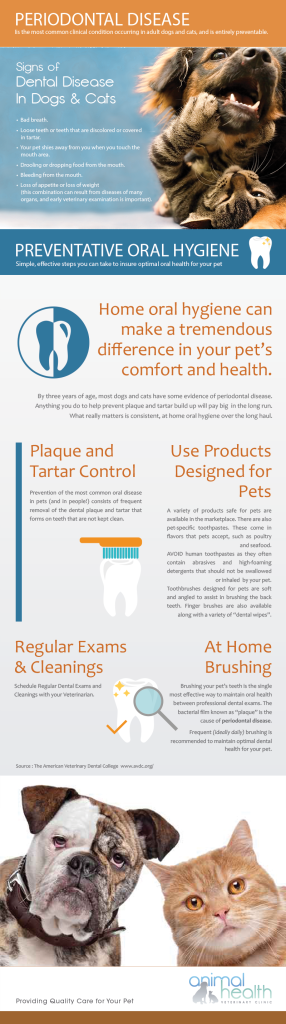
Recognizing the different dental issues that can arise is paramount for effective prevention and treatment. Below are some of the most common dental problems faced by pets:
- Plaque and Tartar Buildup: The initial stage of most dental diseases begins with the accumulation of plaque, a sticky film of bacteria that forms on teeth. If not removed through regular brushing, plaque hardens into tartar, leading to more serious conditions.
- Gingivitis: This inflammation of the gums is a direct consequence of accumulated plaque. Symptoms include redness, swelling, and bleeding of the gums. Not only uncomfortable for your pet, but gingivitis can also progress if untreated.
- Periodontal Disease: As noted earlier, this is a severe form of gum disease resulting from untreated gingivitis. It can lead to tooth loss and pain, impacting your pet’s ability to eat and function effectively.
- Oral Tumors: While less common, oral tumors can also develop in pets. These growths can be benign or malignant, necessitating evaluation by a veterinarian to determine the proper course of treatment.
Veterinary professionals highlight that early detection and intervention are essential for effective treatment of dental diseases. Regular check-ups can help identify problems before they escalate, thereby saving both your pet’s health and your wallet. In fact, untreated dental issues can lead to even more costly health conditions, reaching far beyond just oral complications.
As it stands, many pet owners do not realize the connection between dental health and overall pet wellness. According to a survey by the American Animal Hospital Association, nearly 60% of pet owners believe that their pets’ mouth health is not a priority. This misperception can be detrimental, leading to long-term health ramifications that you can easily avoid with a comprehensive dental care plan.
Understanding the importance of dental hygiene in dogs and cats is the first step towards ensuring their long-term health and happiness. By incorporating simple yet effective dental care routines, you can significantly enhance their quality of life and prevent many of the dental issues commonly faced by pets today. Prioritizing dental hygiene should not be viewed as a luxury but as a necessary component of responsible pet ownership.
The Importance of Dental Hygiene in Dogs and Cats
Dental hygiene in pets is often overlooked, yet it plays a crucial role in their overall health and well-being. Just like humans, dogs and cats are susceptible to dental issues such as plaque buildup, tartar formation, and gum disease. These problems can lead to serious health concerns if not addressed appropriately.
Regular dental care helps prevent bad breath, a common sign of dental neglect. Moreover, keeping a pet’s teeth clean can significantly lower the risk of periodontal disease, which affects not only the teeth and gums but can also lead to infection and even affect vital organs if bacteria enters the bloodstream.
Implementing a consistent dental care routine is essential. This can include regular brushing, providing dental chews, or scheduling professional cleanings with a veterinarian. By prioritizing dental hygiene, pet owners are not just enhancing their furry friends’ quality of life, but also potentially extending their lifespan.
| Category | Details |
|---|---|
| Dental Disease Prevention | Maintaining oral hygiene reduces the risk of serious conditions such as periodontal disease. |
| Improved Quality of Life | Regular dental care reduces pain and discomfort, making pets happier and healthier. |
Understanding the importance of dental hygiene in pets can lead to better health outcomes for your furry companions. By acting proactively, pet owners can ensure their pets live long, healthy lives free from dental-related issues.
Long-term Effects of Neglecting Dental Care
Many pet owners underestimate the significance of routine dental care, often believing it to be an optional aspect of pet maintenance. However, neglecting dental hygiene can lead to a cascade of health issues far beyond bad breath and yellowed teeth. As bacteria proliferate in the mouth due to inadequate dental care, they can easily enter the bloodstream through inflamed or damaged gums, resulting in potentially life-threatening conditions.
Systemic Health Risks
Research indicates a strong correlation between oral health and systemic health in dogs and cats. Conditions such as heart disease, kidney disease, and diabetes can be exacerbated by poor dental hygiene. For example, bacteria from periodontal disease can travel to the heart, leading to endocarditis, an infection of the heart valves. Likewise, renal disease may be intensified as the kidneys struggle to filter out rampant bacteria linked to periodontal disease from the bloodstream.
Significantly, a study published in the Journal of Veterinary Internal Medicine revealed that dogs suffering from dental disease had a higher incidence of significant kidney damage compared to those with good oral health. This finding echoes the urgent need for pet owners to reconsider their practices surrounding dental care as part of an overall wellness strategy.
Behavioral Changes and Quality of Life
Beyond physical health complications, dental issues can have profound effects on a pet’s behavior and overall quality of life. Pets with untreated dental problems often experience chronic pain, which can manifest in subtle behavioral changes such as irritability, withdrawal, or reduced activity levels. They may shy away from their favorite toys, struggle to eat, or even develop aggressive tendencies due to discomfort.
Moreover, dental pain can lead to a detrimental cycle where the pet’s quality of life declines, leading to owner distress and potential neglect of other health care needs. Pet owners often report that once their pets receive dental treatments, their personality seems to brighten; they become more active and social, demonstrating just how critical oral health is to their overall demeanor.
Preventative Measures to Enhance Dental Hygiene
The good news is that many of these dental issues can be effectively prevented with consistent and proactive care. Establishing a comprehensive dental care routine is essential. Here are some actionable steps pet owners can take to ensure their furry companions have strong, healthy teeth:
- Regular Brushing: Ideally, dental care should start at home! Brushing your pet’s teeth regularly, ideally daily, can significantly reduce plaque and tartar buildup. Using toothpaste specifically formulated for pets is necessary, as human toothpaste can be harmful to them.
- Veterinary Dental Cleanings: Schedule regular dental check-ups with your veterinarian. They will conduct professional cleanings, assess oral health, and provide treatments as necessary to nip any potential issues in the bud.
- Dental Chews and Toys: Invest in dental chews and toys designed to promote oral health. These can help reduce plaque and keep your pet engaged and entertained at the same time.
- Monitor Changes: Stay vigilant for changes in your pet’s behavior or eating habits that may indicate dental issues, and consult your veterinarian promptly if you notice anything unusual.
By committing to a solid dental hygiene routine, you’re not just preserving your pet’s beautiful smile, but also safeguarding their overall health, ensuring they live a longer and happier life by your side.
Conclusion
In conclusion, the significance of dental hygiene in dogs and cats cannot be overstated. As we have explored, neglecting regular dental care can lead to serious health complications that affect not only oral health but also the overall well-being of our furry companions. The link between dental hygiene and systemic health issues such as heart disease, kidney disease, and even behavioral changes underscores the multifaceted importance of maintaining a consistent dental care routine.
Pet owners have a vital role in safeguarding their pets’ health by adopting preventive measures. Simple practices like regular brushing, routine veterinary dental cleanings, and offering dental chews can have a profound impact on not just the longevity of their pets’ lives, but also their quality of life. Furthermore, by recognizing early warning signs of dental issues, pet owners can act swiftly to address problems before they escalate.
The journey to optimal dental health for our pets is an ongoing process, one that requires dedication and awareness. By prioritizing dental care as an integral part of pet ownership, we not only ensure our pets maintain a healthy smile but also contribute to their happiness, vitality, and companionship. It’s time to take action—invest in your pet’s dental health today and enjoy the benefits of a happier, healthier life together.