The Impact of Raw Diets on Pet Health: Benefits and Risks
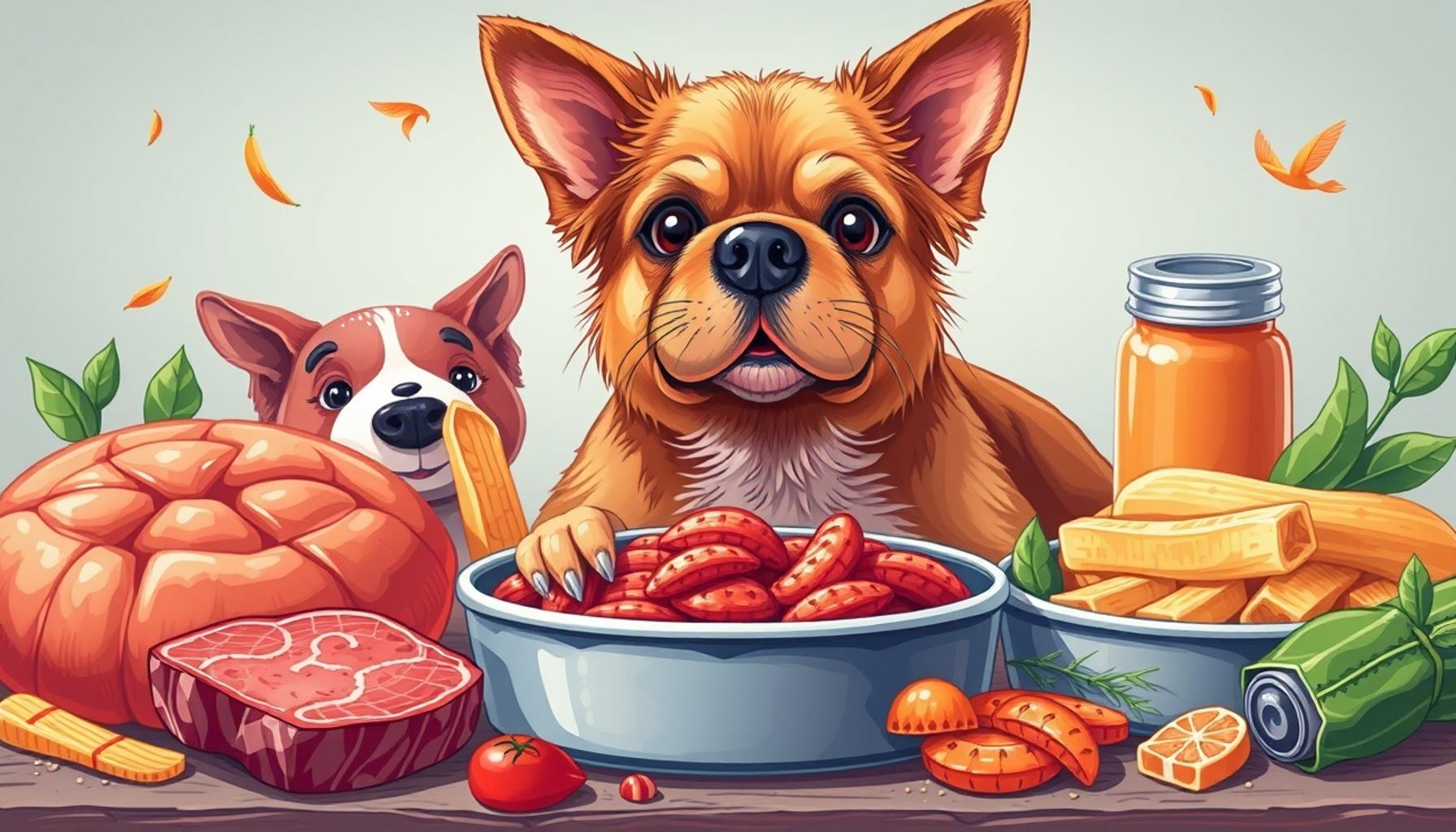
The growing trend toward natural pet foods reflects a deeper shift in consumer consciousness regarding health and wellness, not just for humans but also for our furry friends. As pet owners become more informed and concerned about the quality of the ingredients in their pets’ diets, many are turning to raw diets as an alternative. Raw diets typically consist of uncooked meats, organs, bones, and, in some cases, fruits and vegetables. Throughout the United States, enthusiasts of this dietary approach claim that such a regimen can contribute to improved health and vitality in pets.
Benefits of Raw Diets
Proponents of raw diets assert numerous benefits. One of the most cited advantages is the potential for an improved coat condition. Many dog and cat owners have reported shinier and healthier fur after transitioning their pets to raw food. The high protein content and essential fatty acids in raw meat are thought to play a crucial role in this enhancement.
Additionally, enthusiasts highlight increased energy levels as another important benefit. Pet owners often notice their companions becoming more active and playful, attributing this vigor to the more natural composition of the raw diet, which is closer to what their pets’ ancestors would have consumed in the wild.
Another notable effect some owners report is enhanced dental health. Chewing on raw bones can serve as a natural tooth scrub, reducing plaque and tartar buildup, which can be particularly beneficial in preventing dental diseases.
Risks and Concerns
Despite the prospective benefits, raw diets are not without their risks. Critics caution pet owners about the potential for nutritional imbalances. A poorly balanced raw diet can lead to deficiencies in essential nutrients, which may ultimately harm pets more than help them. For instance, some meats may not provide adequate calcium or specific vitamins necessary for optimal health, particularly if organ meats are underrepresented.

Another significant concern involves bacterial contamination. Raw meats may harbor bacteria such as Salmonella or E. coli, which can pose health risks not only to animals consuming the food but also to humans handling it. This is especially poignant for families with children or immunocompromised individuals, where the risk of infection must be taken seriously.
Regulatory Considerations
In terms of regulations, raw diets often skirt the stringent oversight that governs commercial pet food production. The lack of federal regulations on the sourcing and preparation of raw pet food makes it challenging for pet owners to determine quality. While some commercial brands have emerged that adhere to higher safety standards, many raw diets sold in stores or made at home may not comply with established safety norms.
As this trend continues to grow, pet owners must carefully weigh both the advantages and disadvantages of feeding a raw diet to their beloved companions. With a vision of transparency in ingredients and a desire to provide a more ‘natural’ nutritional approach, many families are willing to explore this dietary choice. Nevertheless, it is vital to conduct thorough research and consult veterinarians to ensure that any dietary changes made are in the best interest of their pets’ health.
Conclusion
The decision to switch to a raw diet is significant and warrants careful consideration. It necessitates a commitment to becoming well-informed about proper feeding practices, sourcing high-quality ingredients, and maintaining safety standards. By exploring the implications of raw diets on pet health, pet owners can make thoughtful decisions that cater to the unique needs of their furry family members.
Understanding Raw Diets: Ingredients and Composition
To fully appreciate the impact of raw diets on pet health, it’s essential to delve into the composition and common ingredients of these diets. A traditional raw diet typically includes a mix of muscle meat, organ meats, bones, and, in some cases, fruits and vegetables. Each component serves a specific purpose and can contribute to the overall well-being of pets.
Muscle meat, which makes up the bulk of most raw diets, is an excellent source of protein that pets require for muscle development and maintenance. Animal-based proteins are known for their high bioavailability, meaning pets can easily utilize the nutrients provided. Additionally, muscle meat is rich in amino acids, which are vital for numerous bodily functions, including the production of hormones and enzymes.
Organ meats, such as liver, heart, and kidneys, pack a nutritional punch as they are often richer in vitamins and minerals compared to muscle meat. These internal organs provide essential nutrients like vitamin A, iron, and omega fatty acids, supporting pet health in various ways. For example, liver is notably high in vitamin A, which is crucial for immune function and vision.
Raw bones not only serve as a natural source of calcium but also offer dental benefits. The act of chewing on raw bones can help scrape away plaque and tartar, promoting overall dental health. However, it’s important for pet owners to ensure that bones are appropriate in size and type, as some bones can splinter and pose a choking hazard.
In some raw diets, fruits and vegetables are incorporated to provide additional fiber, vitamins, and antioxidants. While cats are obligate carnivores and may not require plant-based foods, some as a supplement may benefit from the inclusion of specific fruits and vegetables in their diet. However, it’s crucial to research which types are safe, as certain fruits and vegetables can be toxic to pets.
Potential Benefits of Raw Diets
As pet owners consider the impact of raw diets, several key benefits can emerge:
- Enhanced Digestive Health: Proponents argue that raw diets are easier for pets to digest due to their natural composition, possibly leading to fewer digestive issues.
- Weight Management: A raw diet may aid in maintaining a healthy weight since it often features whole, unprocessed ingredients devoid of fillers found in many commercial pet foods.
- Increased Palatability: Many pets find raw diets more appealing than dry kibble, which can lead to improved food intake and overall satisfaction.
While these benefits are compelling, it’s critical for pet owners to remain informed and cautious. Each pet is unique, and what works for one may not work for another. As raw diets gain popularity, careful considerations regarding nutrient balance and safety must be prioritized to ensure optimal pet health.
Raw diets for pets, particularly dogs and cats, have garnered attention for their potential health benefits, but they also come with significant risks that owners must consider. Advocates of raw feeding argue that these diets, which typically consist of uncooked meats, bones, fruits, and vegetables, can transform a pet’s health. By following a diet that mimics what animals would naturally consume in the wild, proponents claim that pets might experience improvements in their coat quality, increased energy levels, better digestion, and healthier skin.One notable benefit cited is the increase in nutrient absorption. Raw diets are generally higher in protein and contain essential fatty acids that can contribute to stronger muscles and a healthy weight. Additionally, the inclusion of raw bones can promote dental health by mechanically cleaning the teeth and providing essential minerals like calcium. However, while these aspects seem appealing, the risks associated with raw feeding cannot be overlooked.A significant concern regarding raw diets is the risk of bacterial contamination. Meats often carry dangerous pathogens such as Salmonella and E. coli, which can pose severe health risks not only to pets but also to humans handling the food. This risk is especially critical for households with vulnerable individuals, such as young children or elderly persons whose immune systems may be compromised.Another risk pertains to nutritional imbalances. Many raw diets may lack essential nutrients like calcium and phosphorus if not properly balanced, potentially leading to skeletal issues in growing pets. Further, there is the danger of improper bone size selections, which can lead to choking hazards or internal injuries.Considering both the potential benefits and serious drawbacks of raw diets, pet owners are encouraged to conduct thorough research, consult with veterinary professionals, and carefully weigh their options before making significant dietary changes for their furry companions. The conversation surrounding raw diets continues to evolve, as new studies emerge highlighting both the pros and cons of such feeding practices. By investigating these aspects, pet owners can make informed decisions that best suit their pets’ health and well-being.
Assessing the Risks of Raw Diets
While the allure of raw diets for pets is captivating, it’s equally essential to shine a light on the potential risks that accompany this feeding regimen. As pet owners navigate the choices available, understanding these risks can help ensure the health and safety of their furry companions.
Risk of Nutritional Imbalance: One of the foremost concerns associated with raw diets is the possibility of nutritional deficiencies. A properly balanced raw diet requires a comprehensive understanding of a pet’s nutritional needs, which can vary based on their age, breed, and activity level. Without careful formulation, pet owners may inadvertently underfeed or overfeed certain nutrients, leading to a variety of health issues. For instance, excessive calcium can result in skeletal problems, while inadequate vitamin E can lead to muscle degeneration.
Pathogen Exposure: Another significant risk is the potential for bacterial contamination. Raw meat can harbor harmful pathogens such as Salmonella, E. coli, and Listeria, which pose risks not only to pets but also to human household members. The Centers for Disease Control and Prevention (CDC) warns that handling raw pet food increases the risk of illness in humans, especially for young children, elderly individuals, or those with compromised immune systems. Proper food handling and hygiene practices can mitigate these risks but require vigilance and commitment from pet owners.
Bone Hazards: While raw bones are included in many raw diets for their dental benefits, they can also present risks. Certain types of bones can splinter or break, leading to punctures in the digestive tract or choking hazards. When incorporating bones into a pet’s diet, it’s critical to choose sizes and types appropriate for the pet, as well as supervise them during mealtime. Pet owners should prioritize bones that are softened by cooking rather than those that are hard and brittle.
Veterinary Recommendations and Protocols: Experts often express caution regarding raw diets. Many veterinarians advocate for commercially prepared raw diets that undergo strict safety standards and nutritional testing. These products may offer a more balanced nutritional profile with less risk compared to home-prepared versions, which might lack certain essential nutrients and pose risks of contamination.
Behavioral Concerns: Changes in feeding practices might also affect a pet’s behavior. Transitioning to a raw diet could lead to more aggressive food competition in multi-pet households, as the raw food’s palatability may heighten a pet’s desire to guard their meal. Observing pets during feeding times is advised to ensure that each pet is able to eat without stress.
As the raw diet movement continues to grow in the United States, pet owners must weigh both the potential benefits and risks. Understanding the complexities of managing a raw diet is crucial to ensuring that pets receive a balanced, safe, and nutritious diet tailored to their individual needs. Consideration of these factors will empower pet owners to make informed decisions in the best interest of their beloved companions.
Conclusion: Navigating the Complexities of Raw Diets for Pets
In the quest for optimal pet health, the popularity of raw diets continues to ignite passionate discussions among pet owners and veterinarians alike. As highlighted throughout this article, raw diets offer potential benefits such as improved coat condition, enhanced digestion, and increased energy levels. However, these advantages must be carefully balanced against the risks associated with nutritional imbalances, pathogen exposure, and the potential for behavioral changes in pets.
Pet owners should not only seek to understand their pet’s specific dietary needs but also consider the safety protocols necessary to implement a raw diet. Engaging with a veterinarian for expert guidance can be invaluable, particularly in determining appropriate formulations and safe handling practices. Many veterinary professionals recommend commercially prepared raw diets that meet safety standards, starkly contrasting with home-prepared options that may lack essential nutrients and bear the risk of contamination.
Ultimately, the decision to transition a pet to a raw diet should be rooted in knowledge and a thorough evaluation of both the potential benefits and inherent risks. Moreover, every pet—like every owner—has unique needs, which necessitate a tailored approach. As research on raw diets evolves, staying informed will empower pet owners to make enlightened choices that bolster their furry friends’ health and nourish happy, thriving lives. In embarking upon this journey, consider consulting resources and communities that further explore the nuances of raw diets and their impact on pet health.