The Impact of Living with Pets on Reducing Stress and Anxiety in Adults

The Healing Power of Pets
In today’s fast-paced world, stress and anxiety have become prevalent issues for many adults. One natural remedy gaining recognition is the companionship of pets. Numerous studies conducted over the years reveal that living with pets can significantly enhance mental well-being and contribute to a healthier lifestyle.
Consider the following benefits of pet ownership:
- Emotional support: Animals offer unwavering companionship, which helps combat feelings of loneliness. Whether it’s a dog wagging its tail upon your arrival home or a cat curling up beside you during a stressful day, pets can provide a comforting presence that reassures their owners. Additionally, for individuals suffering from depression or anxiety, the unconditional love of a pet can serve as a profound source of solace.
- Physical activity: The responsibility of caring for a pet encourages regular exercise, which is vital for reducing anxiety. Daily walks with a dog not only promote physical health but also increase opportunities for social interaction, which can further alleviate feelings of isolation. Engaging in activities like playing fetch or taking long strolls in the park can significantly improve both physical and mental fitness.
- Routine and structure: Pets thrive on routine, which can help their owners establish a sense of stability in their lives. Feeding, grooming, and exercising pets at consistent times creates order in a complex world, allowing pet owners to focus on tasks they might find overwhelming. Establishing a routine can be particularly beneficial for people struggling with time management due to anxiety.
Moreover, interactions with pets have been shown to lower cortisol levels, a hormone linked to stress. A range of studies has confirmed this connection; for example, a study published in the Journal of Personality and Social Psychology suggests that pet owners generally report feeling happier and more relaxed than those without pets. The simple act of petting a dog or a cat can trigger the release of oxytocin, often termed the “love hormone,” which enhances feelings of intimacy and bonding between humans and their animals.
As we delve deeper into the relationship between pets and mental health, it becomes increasingly clear that our furry companions are more than just animals—they can be instrumental in promoting overall well-being. The transformative impact of these relationships invites us to explore further how integrating a pet into our lives can lead to a more peaceful and fulfilled existence. This exploration prompts not only curiosity but also encourages a dialogue on the broader implications of this powerful bond in American culture and beyond.
In conclusion, the journey into pet ownership is not solely about acquiring a pet; it’s about embracing a proactive approach to enhancing mental health and establishing a joyful, fulfilling life. Consider reflecting on how interactions with a pet could further enhance your emotional landscape, and remember that a furry friend is not just a pet, but a companion on the journey to a happier life.
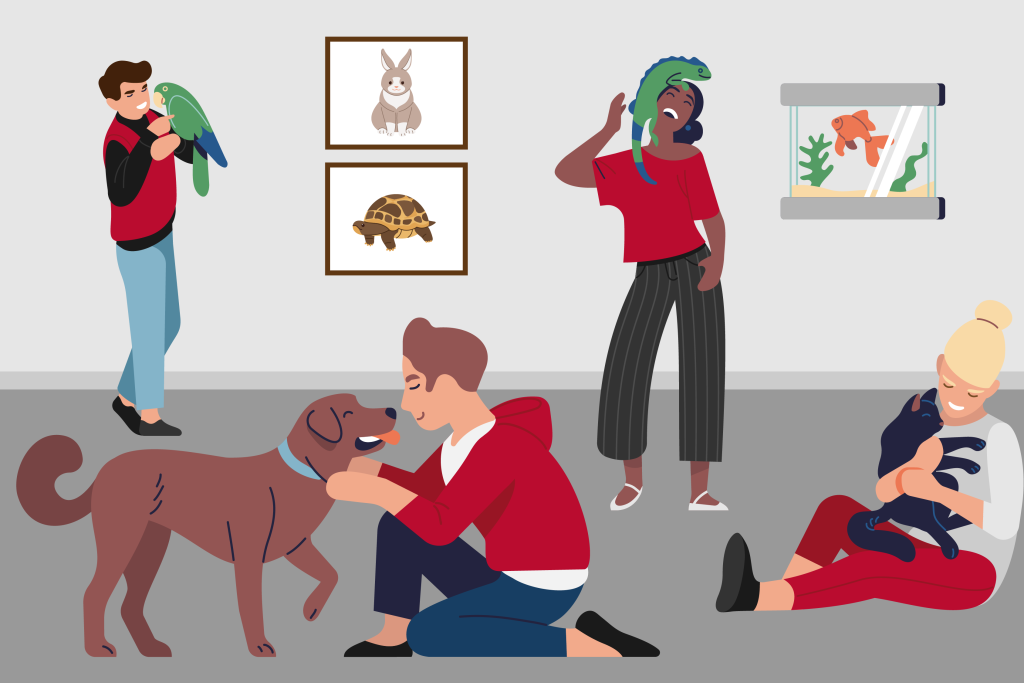
Benefits of Pet Ownership on Mental Health
Scientific research consistently supports the idea that pets serve as a powerful ally in the fight against stress and anxiety. The bond between humans and animals has been scrutinized, yielding fascinating insights into how furry companions provide not only emotional support but also tangible physiological benefits. With around 70% of American households owning a pet, understanding this connection is more crucial than ever.
One significant way pets mitigate anxiety is through their influence on neurochemical responses in the body. A study conducted by the Human-Animal Bond Research Institute found that interactions with pets lead to elevated levels of oxytocin and serotonin, both of which are crucial for regulating mood. Petting a dog or cat has been shown to be an effective way to lower blood pressure and increase feelings of relaxation, a factor that can be particularly impactful during stressful periods.
Additionally, the presence of a pet can create a positive distraction from daily stressors. Adults who engage with their pets often find themselves focused on their pet’s needs and behaviors rather than their own worries. This mental shift can be vital in interrupting cycles of stress and anxiety, allowing individuals to breathe and enjoy the present moment. When pet owners play fetch with their dogs or cuddle with their cats, they are not just bonding with their pets but also engaging in a therapeutic exercise that promotes psychological well-being.
- Reduced feelings of loneliness: Pets can effectively bridge the gap between social interaction and loneliness. For people who live alone, the companionship of a pet can provide essential emotional support.
- Increased opportunities for socialization: Walking a dog or visiting pet-friendly venues creates opportunities for owners to meet other pet lovers, fostering connections that can alleviate feelings of isolation.
- Mindfulness and presence: Caring for a pet requires attention to their needs and behaviors, which encourages owners to focus on the current moment rather than worrying about future uncertainties.
Moreover, studies suggest that pet ownership can positively influence the brain’s response to stress. An article published in the American Journal of Cardiology indicates that pet owners experience less stress during cardiovascular events than non-pet owners, showcasing how pets contribute to heart health. This finding highlights the broader implications of pet ownership, not merely as emotional support animals but also as beneficial companions that can lead to physical health advantages.
As we continue to unravel the intricate tapestry of human-animal relationships, it is evident that pets play a crucial role in promoting mental well-being. By exploring these myriad benefits, we can start to appreciate the platforms for connection, joy, and peace that our pets provide. In the subsequent sections, we will delve deeper into how specific types of pets can uniquely impact stress and anxiety levels, revealing the rich landscape of support these animals can offer to adults seeking emotional balance.
Continuing from the previous discussion, the relationship between pets and mental health is profound and multi-faceted. Numerous studies have revealed that owning a pet can dramatically influence the well-being of adults, particularly in terms of reducing stress and anxiety. When individuals interact with animals, the brain releases oxytocin, often referred to as the “bonding hormone,” which can foster feelings of love and reduce feelings of loneliness.
Moreover, the routine that comes with pet ownership—daily walks, feedings, and playtime—introduces a sense of purpose and structure into an owner’s life. This routine can be especially therapeutic for people suffering from anxiety. Engaging with pets has been shown to lower cortisol levels—a hormone associated with stress—while simultaneously increasing feelings of joy and contentment. Both cats and dogs can act as empathic companions, sensing their owner’s emotional states and providing comfort
On another note, pet ownership can enhance social interactions. Whether it’s meeting fellow dog owners at the park or engaging with community pet events, these communal activities can alleviate feelings of social isolation, thus fostering connections that are essential for mental health. Studies indicate that pet owners often report feeling less anxious in social situations, suggesting that the presence of their furry friends offers a calming effect.
Here, we delve into some specific advantages of pet ownership in relation to stress and anxiety relief. The following table vividly illustrates these significant benefits:
| Advantages | Description |
|---|---|
| Reducing Loneliness | Pets provide companionship, significantly decreasing feelings of loneliness. |
| Encouraging Physical Activity | Walking and playing with pets ensures regular exercise, which is beneficial for mental health. |
| Improving Social Interaction | Pets can enhance social networks, fostering connections with other owners. |
| Providing Emotional Support | Animals offer comfort and non-judgmental support in moments of distress. |
As demonstrated in the table, the beneficial aspects of living with pets can significantly improve not only the emotional state of adults but also their overall mental wellness. From reducing loneliness to enhancing social interaction, pets play a crucial role in crafting a more balanced and enjoyable life.
The Emotional Support Offered by Pets
While we often discuss the physiological benefits of pet ownership, the emotional support that pets provide cannot be overlooked. The experience of having a pet can create a sense of routine and responsibility, which can be especially beneficial for individuals navigating high levels of stress or anxiety. For many adults, the daily care routines associated with pet ownership—feeding, grooming, walking—instill a sense of purpose and achievement. The simple act of caring for another being can lead to feelings of accomplishment and satisfaction, helping to counteract symptoms of anxiety or depression.
Furthermore, pets can act as emotional listeners. Their non-judgmental presence allows individuals to express their feelings without fear of judgment or reprisal. Many pet owners report feeling more at ease speaking openly about their worries and anxieties in the company of their animals. This dynamic can play a crucial role in managing stress, as it provides an outlet for emotional release that might otherwise remain bottled up. Numerous anecdotal accounts highlight the comfort provided by pets during tough times, reinforcing the idea that they can serve as a powerful emotional anchor.
Therapeutic Impact of Animal Interaction
The therapeutic role of pets is further supported by the emergence of animal-assisted therapy practices across the United States. These integrative therapy programs can enhance conventional treatment methods for mental health disorders by incorporating animals into therapeutic sessions. Studies have shown that interactions with therapy animals can significantly reduce symptoms of anxiety and depression, with participants reporting increased feelings of relaxation and happiness. One exemplary program is the Pet Partners organization, which promotes the use of therapy animals in various healthcare settings, ranging from hospitals to mental health facilities.
Taking this one step further, pets also enhance physical activity, which can significantly impact mental well-being. Engaging in regular physical activity is known to reduce stress hormones like cortisol while boosting the body’s production of endorphins, providing a natural defense against anxiety. Dog owners are particularly advantaged in this regard, as walking a dog not only serves as exercise but also creates a routine that encourages mental movement away from worry and toward active engagement with both the environment and their pet.
Cultural Significance of Pets in Reducing Anxiety
The presence of pets is deeply embedded in our culture, reflected in literature, film, and everyday life. Popular media often emphasizes the unique bond between pets and their owners, illustrating the profound emotional impact that animals can have. Looking at programs such as “Paw Patrol” or movies like “Marley & Me,” we see narratives that underscore the benefits of pet ownership—fostering a sense of community, belonging, and joy. These cultural representations help normalize pet ownership as vital to emotional wellness.
Today, it’s also common to encounter pet-friendly retreats and hotels that encourage individuals to bring their pets along for stress reduction. This trend is based on growing evidence that having pets close by enhances relaxation levels and overall enjoyment, demonstrating how societal attitudes are shifting to embrace the mental health benefits of pets.
The Psychological Training of Service Animals
Noteworthy is the growing recognition of service animals, particularly those trained to assist individuals with anxiety disorders. These specially trained animals can help mitigate anxiety attacks by grounding their owners and providing comfort in unfamiliar or stressful situations. For individuals suffering from conditions like PTSD, having a service animal can be transformative, offering a layer of security in their everyday lives that calms their frayed nerves.
As we delve further into the realm of pet ownership and mental health, the evidence increasingly showcases the essential role animals play in providing not just companionship but also tangible support in managing stress and anxiety. Through their unwavering presence, pets not only lift spirits but also pave the way for recovery and emotional resilience.
Conclusion: Unleashing the Therapeutic Power of Pets
In examining the profound impact of living with pets on reducing stress and anxiety in adults, it becomes increasingly evident that the relationship between humans and animals is both complex and beneficial. The emotional support provided by pets, combined with the structured routine that their care demands, fosters a sense of purpose and accomplishment that significantly alleviates anxiety symptoms. Furthermore, the calming, non-judgmental presence of pets offers individuals an opportunity for emotional release, thereby creating an environment conducive to mental well-being.
The rise of animal-assisted therapy programs and the recognition of service animals further underscore the importance of these bonds. These practices are reshaping therapeutic landscapes across the United States, providing innovative approaches to managing mental health challenges. Notably, the physical activity associated with pet ownership, such as walking a dog, not only contributes to physical health but also provides mental reprieve, further enhancing resilience against anxiety.
As societal attitudes continue to evolve, integrating pets into our personal and communal lives reflects a growing acknowledgment of their therapeutic benefits. From pet-friendly environments to media portrayals that champion the pet-owner bond, it is evident that our furry companions play a critical role in nurturing emotional wellness. Ultimately, pets are not just companions; they are essential allies in the quest for a balanced, anxiety-free life. For adults struggling with stress and anxiety, embracing the presence of a pet could be a transformative step toward recovery and a more fulfilling existence.