The Impact of Behavioral Training on the Relationship Between Children and Pets
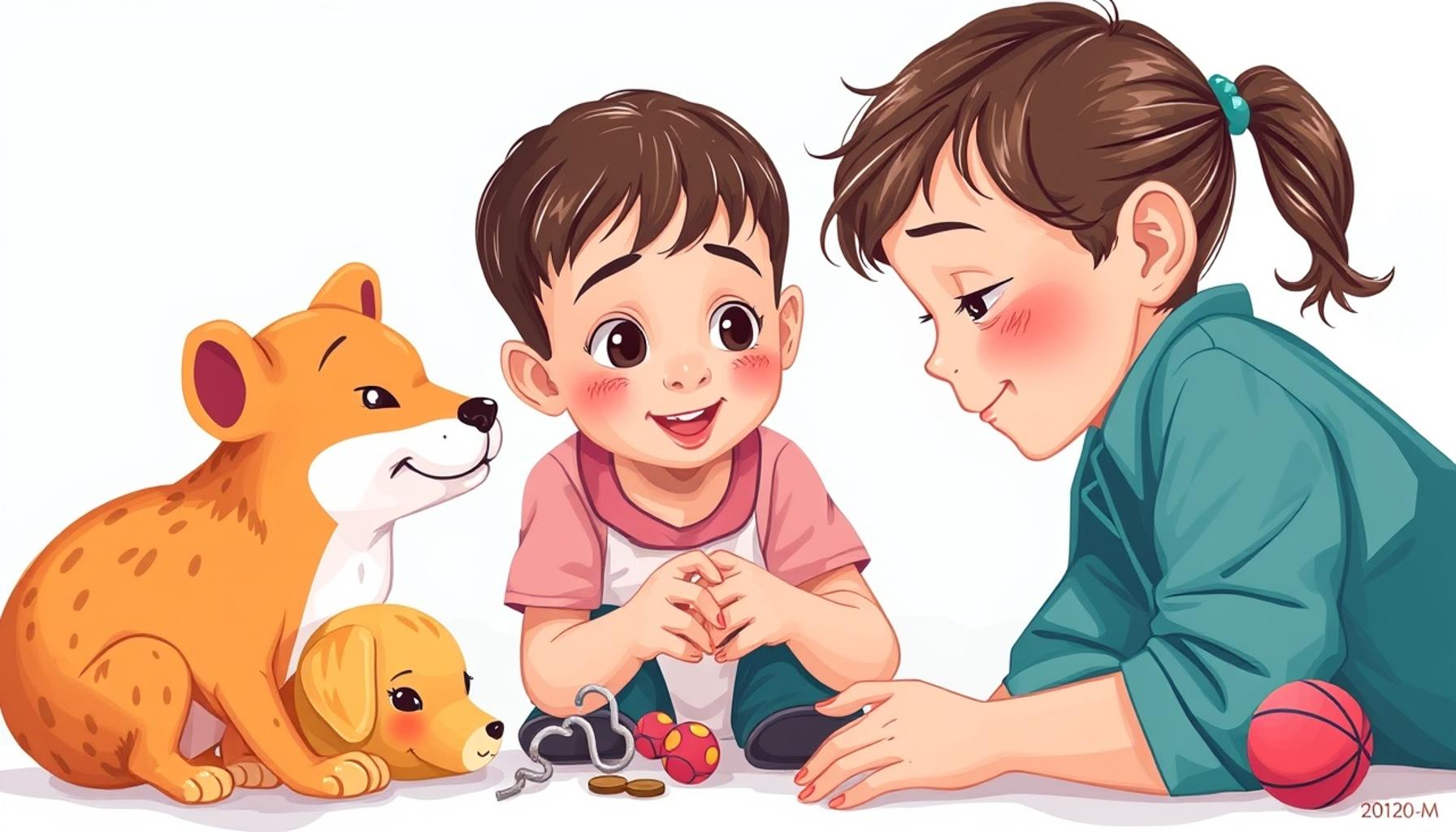
Exploring the Connection Between Children and Pets
The bond between children and their pets is both heartwarming and complex. Understanding how behavioral training shapes this relationship can provide tremendous benefits for families. It goes beyond mere companionship, influencing emotional growth, responsibility, and social skills. Children who engage with pets not only partake in a nurturing activity but also cultivate important life skills that can benefit them well into adulthood.
Key Aspects of Behavioral Training
- Enhanced Communication: Engaging in training sessions helps children learn to communicate effectively with their pets. For example, when a child uses verbal commands such as “sit” or “stay,” they begin to understand the nuances of tone and body language. This fosters trust and emotional connections, enabling both the child and the pet to share a form of communication that is unique to their relationship.
- Empathy Development: Through the training process, kids develop a sense of empathy as they learn to recognize their pet’s needs and behaviors. Understanding that the dog might be anxious during a thunderstorm or that a cat prefers a quiet space can teach children that others have feelings and reactions different from their own. This awareness is crucial in nurturing emotionally intelligent individuals.
- Responsibility: Participating in training routines lays the groundwork for commitment and accountability in children. Tasks such as grooming, feeding, and regular training sessions instill a sense of duty. Children quickly learn that their pets depend on them for care and support, enhancing their understanding of responsibility in a meaningful way.
Numerous studies suggest that children who participate in pet training programs demonstrate improved interpersonal skills. These experiences can be particularly transformative, shaping their interactions with peers and adults alike. For instance, a child who trains a dog may find themselves more adept at working collaboratively with classmates during group activities, as they learn to cooperate and direct attention toward the needs of others.
Real-Life Impacts
Parents across the United States report that children with trained pets often experience greater emotional resilience. For example, a well-behaved dog that responds to commands typically exhibits fewer behavioral issues, leading to a more pleasant cohabitation environment. This positive dynamic not only benefits the child but also makes life easier for the entire family.
Moreover, a well-trained pet can serve as a source of comfort and security. Many families have observed how children with pets that are successfully trained tend to show lower anxiety levels during stressful situations, such as moving to a new school or facing challenges in relationships. This bond can significantly enhance overall family dynamics, as pets often become vital members of the family unit, providing unconditional love and support.
In conclusion, investing time in behavioral training with pets enriches the lives of children in ways that extend beyond companionship. Parents considering the addition of a pet to their family should reflect on these benefits and actively engage in training exercises to cultivate a nurturing environment for both their children and their furry companions.
The Transformative Power of Behavioral Training
Behavioral training is a crucial component in fostering a strong, healthy relationship between children and their pets. As families begin to explore the enriching dynamics of pet ownership, they often overlook the profound ways in which training can impact their interactions. Not only does training enhance a pet’s behavior, but it simultaneously empowers children, cultivating skills that resonate throughout their lives.
Facilitating Bonding Through Play and Learning
One of the most tangible aspects of behavioral training is the opportunity it creates for shared activities. Engaging in training sessions allows children to be active participants in their pet’s development, forging a deeper connection. These interaction-based experiences are rich in benefits, promoting collaborative play and alignment. Specific activities, like agility training or rewarding tricks, not only build rapport but also stimulate both the child’s and pet’s mental faculties.
- Increased Confidence: Children often experience a boost in self-esteem when they witness their pets successfully respond to cues they have taught. This sense of achievement reinforces their belief in their abilities and encourages them to take on new challenges.
- Shared Experiences: The memories created during training sessions serve to solidify the bond between child and pet. Whether it’s a dog mastering a new trick or a cat following commands in a fun game, these moments become cherished shared experiences that can deepen emotional ties.
- Social Skills Enhancement: Training with pets can also serve as a social catalyst. When children engage with others in group training classes or community events, they develop essential communication skills. These interactions pave the way for friendships and enrich their social circles, ultimately benefiting their overall development.
Another remarkable impact of behavioral training is its role in creating a safe environment for both pets and children. A well-trained pet is less likely to exhibit aggressive behaviors and is generally more responsive to boundaries set by children. For example, a trained dog will typically refrain from jumping on or nipping at children, allowing for a more harmonious household and peace of mind for parents.
Moreover, behavioral training provides a structured framework within which a child can learn the consequences of actions. This is vivid during situations where timely commands are tested. When a child learns that consistent, kind commands yield better results than harsh reprimands, they begin to understand vital lessons about leadership and relational dynamics. Such experiences are imperative in cultivating a new generation who views companionship with pets as a partnership rather than a hierarchy.
The significance of behavioral training cannot be overstated; it serves as an avenue for growth not just for pets, but also for children. As parents recognize the invaluable role that training plays in nurturing these relationships, they are better positioned to support both their children and their furry companions, leading to a more fulfilling family experience.
| Category | Advantages |
|---|---|
| Enhanced Communication | Behavioral training fosters a better understanding between children and pets, leading to more effective communication. |
| Stronger Emotional Bond | Through structured training, children learn to empathize with their pets, resulting in a deeper emotional connection. |
| Increased Responsibility | Children develop a sense of responsibility towards their pets, aiding their overall development and maturity. |
| Social Skills Development | Interaction during training improves social skills, as children engage with their pets and peers. |
The impact of behavioral training on the relationship between children and pets cannot be overstated. This training not only improves dogs’ behaviors but also equips children with vital life skills. For instance, the sense of responsibility that comes from caring for a pet can significantly shape their understanding of duty and compassion. Furthermore, as children learn to tune into their pets’ needs and moods, they become better at recognizing emotions in themselves and others. This symbiotic relationship nurtures kindness and empathy, which are crucial traits for healthy interpersonal relationships throughout life. Such benefits illustrate just how critical behavioral training is in creating harmonious living environments, where both children and pets thrive together.
Building Essential Life Skills Through Training
Beyond fostering a bond, behavioral training equips children with essential life skills that extend far beyond the pet ownership experience. As children learn to communicate effectively with their pets, they simultaneously develop invaluable assets that will serve them in various life situations. These skills, honed through the training process, promote empathy, responsibility, and problem-solving abilities.
Empathy Development
The process of training pets requires children to step into their animals’ “shoes” and understand their perspectives. By learning to read their pet’s body language and vocal cues, kids develop heightened empathy. This sensitive awareness helps them recognize when their pet is happy, anxious, or fearful, promoting a nurturing relationship. Research shows that children who engage in pet care demonstrate increased empathy towards both animals and peers, indicating that these interactions mold compassionate future adults.
Responsibility and Commitment
Behavioral training introduces children to the importance of routine and consistency. Daily training sessions, feeding schedules, and exercise requirements related to pets instill a sense of responsibility that kids carry into other areas of their lives. They learn that pets rely on them for care and guidance, encouraging a valuable sense of commitment. According to a study by the American Psychological Association, children who care for pets are more likely to show increased responsibility in school and household tasks, solidifying the connection between pet training and personal development.
Problem-Solving Skills
The dynamic nature of pet behavior demands creativity and adaptability from both pets and their young trainers. When a command fails to elicit the desired response, children are encouraged to think critically about alternative approaches. This trial-and-error process enhances their problem-solving skills, as they assess various techniques to overcome behavioral challenges. A young trainer might explore different treat incentives or more engaging training methods, laying the groundwork for resilience in the face of future obstacles.
Cognitive Benefits
Unconventional but vital, behavioral training also contributes to children’s cognitive development. Engaging in training activities—such as memorizing commands or understanding training techniques—enhances focus and boosts memory. A study published in the journal “Animal Behavior” indicates that children involved in training their pets show improved attention spans and cognitive flexibility. These cognitive gains extend beyond pet training and into academic settings, fostering a love for learning that benefits children throughout their educational journey.
Parent-Child Collaboration
Furthermore, the integration of behavioral training often becomes a family affair. Parents can actively participate in these sessions, reinforcing bonds not only between children and pets but also among family members. These collaborative experiences not only allow for shared goals but create a supportive environment where children can thrive and learn alongside their parents. Working together in this capacity opens doors to communication and teamwork that strengthen familial ties.
In essence, the impact of behavioral training on the relationship between children and pets extends far beyond immediate benefits. It creates a holistic developmental experience that shapes interpersonal skills and cognitive abilities, fostering a healthier, more compassionate future generation equipped to handle life’s various challenges.
Conclusion
Ultimately, behavioral training represents a profound opportunity not only for enhancing the bond between children and pets but also for fostering a multitude of essential skills that prepare young individuals for the complexities of life. As children engage in training, they gain insights into empathy, responsibility, and creative problem-solving that extend far beyond their immediate interactions with animals. The ability to understand a pet’s needs and emotions cultivates a compassionate perspective that can positively influence their relationships with peers and family members.
Moreover, the routine established through pet care promotes a sense of commitment that can enhance children’s performance in other areas, such as academics and household responsibilities. Studies reinforce that children who actively participate in pet training often demonstrate improved attentiveness and cognitive flexibility—skills vital for their learning journey. The collaborative aspect of training fosters a sense of teamwork within families, creating a supportive atmosphere where children can thrive.
As you consider the numerous benefits of integrating behavioral training into your child’s life, the evidence suggests a compelling case for its adoption. Encouraging this practice can lead to deeper connections between children and pets, promoting holistic development that shapes a more empathetic and responsible generation. To explore these concepts further, families can seek local training programs, engage with community resources, or research online platforms that emphasize the benefits of responsible pet ownership and training techniques. The journey of building a harmonious relationship between children and pets through training is not just an experience; it’s a vital investment in nurturing the leaders of tomorrow.