The Connection between Pets and Improved Sleep Quality of Owners

Understanding the Benefits of Sharing Your Bed with a Pet
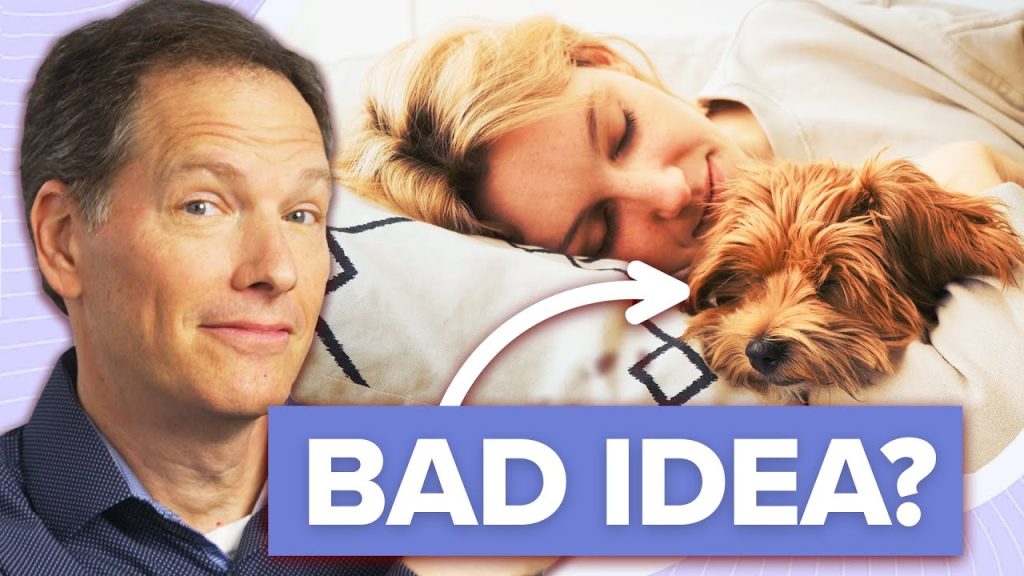
For many pet owners, snuggling with their furry friends at night is a cherished routine. But beyond the comforts of companionship, there’s growing evidence that having a pet may significantly improve sleep quality. Understanding this connection can unveil intriguing insights into both human and animal behavior.
Research suggests various reasons why pets can enhance sleep for their owners, including:
- Reduced Stress Levels: The presence of a pet can decrease anxiety, allowing for a relaxed environment conducive to sleep. A study conducted by the American Heart Association highlighted that petting a dog can lower cortisol levels, a stress hormone, and increase serotonin, a chemical linked to feelings of well-being.
- Routine and Structure: Owning a pet often necessitates a consistent daily schedule, which can lead to better sleep patterns. For instance, dog owners tend to wake up earlier to walk their pets, establishing a regular sleep-wake cycle. This structured routine embeds healthy sleep habits that can contribute to longer, restorative slumber.
- Physical Warmth: Pets provide comforting warmth, making it easier for their owners to fall asleep. They can act as natural “space heaters,” and their body temperature can help induce a sense of cozy security, which is particularly beneficial in colder climates or during winter months.
Moreover, studies indicate that pet owners often report feeling safer and more secure at night, leading to enhanced mental calmness. For example, a 2018 survey conducted by the National Sleep Foundation found that 56% of pet owners sleep more soundly with their pets nearby. This restoration of calmness can directly translate to improved sleep quality, allowing for longer and more restful slumber.
As we delve deeper into this intriguing relationship, we’ll explore both the scientific findings and anecdotal evidence that support the idea that your furry companion might just be the perfect sleep aid. For instance, many cat owners report that their pets’ purring sounds create a soothing ambiance, acting as a natural lullaby that helps them drift off to sleep.
In conclusion, understanding how pets contribute to better sleep can offer valuable insights into the bond we share with them. Their unconditional love and presence can make nights feel warmer and safer, creating an idyllic environment for rest. With the right information, you may find yourself not only appreciating your pet more but also achieving a better night’s sleep. So, the next time you slide into bed with your furry friend, know that their presence could be the key to reawakening your sleep health.
The Science Behind Pets and Sleep Quality
The connection between pets and improved sleep quality extends far beyond mere affection. Scientifically, a wealth of research highlights how the presence of a pet can have profound effects on various physical and psychological aspects tied to sleep. Several studies explore the biological and emotional mechanisms that come into play when a pet shares their space during sleep, illustrating their powerful influence on our nightly restorative processes.
One of the most compelling aspects of this relationship is the concept of biophilia, which describes the innate human tendency to seek connections with nature and other forms of life. Having a pet in the bedroom can fulfill this need, triggering physiological responses that promote calmness and relaxation. For instance, when we interact with our furry friends, our bodies release oxytocin, often referred to as the “love hormone.” This hormone is known to reduce stress and anxiety levels, creating a more serene environment conducive to sleep.
Additionally, the rhythmic sound of a pet’s breathing or gentle purring can create a soothing auditory backdrop that aids in falling asleep. Many cat owners frequently describe how the sound of their cat purring lulls them into a deeper sleep. The calming vibrations produced by purring have even been linked to lowered blood pressure and heart rates. The convergence of these factors illustrates how pets not only enhance emotional well-being but also physically prepare the body for rest.
Health Benefits Associated with Pet Ownership
Furthermore, living with a pet can encourage a healthy lifestyle, which in turn has notable effects on sleep quality. Here are some of the key health benefits associated with pet ownership that contribute to better sleep:
- Increased Physical Activity: Dog owners, in particular, engage in regular physical exercise as they take their pets for walks. This boosts overall fitness levels, and research shows that physically active individuals experience better sleep.
- Social Interaction: Pets can serve as social catalysts. Dog owners often interact with other pet owners during walks or at parks, thus reducing feelings of loneliness and fostering a sense of community. Social connections are crucial for emotional health and better sleep.
- Improved Mental Health: Pets can alleviate feelings of depression and anxiety. According to the Anxiety and Depression Association of America, therapy animals are frequently utilized in therapeutic settings to help individuals manage these conditions, underscoring the broader implications of pet companionship on mental well-being.
With an improved sense of self and reduced anxiety levels, pet owners often find it easier to relax at night. Combined with structured daily routines often associated with pet care, focusing on physical activity and strengthened social ties, the sleeping patterns of pet owners can experience significant positive shifts. Ultimately, the evidence suggests that the connection between pets and improved sleep quality is not merely anecdotal but profoundly rooted in behavioral science and health benefits.
| Advantage | Impact on Sleep Quality |
|---|---|
| Emotional Support | Pets provide unconditional love, which can reduce anxiety and lead to better sleep. |
| Regular Routine | Caring for pets promotes structured daily schedules, fostering improved sleep patterns for owners. |
The bond between pets and their owners is not just emotionally fulfilling; it also has significant implications for sleep quality. Research indicates that having pets can provide emotional support, crucial for reducing stress and anxiety levels. The mere presence of a pet can help owners feel more secure, translating into deeper and more restful sleep.Additionally, pets inherently encourage the creation of a regular routine. Owners who engage in consistent feeding, walking, and play times often find themselves adhering to better sleep schedules. These routines contribute to the body’s natural circadian rhythms, making it easier to fall asleep and stay asleep throughout the night. Both emotional comfort and structured schedules create a compelling connection between pets and improved sleep quality for their owners. Exploring this fascinating relationship can yield significant insights into enhancing well-being through pet companionship.
The Role of Routine and Comfort in Pet Ownership
Beyond the emotional and physiological benefits pets bring to their owners, the establishment of a routine that includes a pet can further enhance sleep quality. Pets thrive on routine, which inadvertently encourages their owners to adopt similar structures in their daily lives. Whether it’s regular feeding times, daily walks, or bedtime snuggles, these routines can create a sense of stability and predictability. This structure not only benefits the pet but can also have a profound effect on the owner’s sleep cycle.
Researchers have found that having a consistent bedtime routine is a crucial factor in achieving restorative sleep. The presence of a pet can help facilitate this by naturally promoting a series of calming activities that signal to the body that it is time to wind down. The act of preparing for bed—such as curling up with a cat or dog—can trigger the release of melatonin and other sleep-related hormones, further easing the transition from wakefulness to rest.
The Psychological Comfort Pets Provide
Psychological comfort is another vital element in the connection between pets and improved sleep quality. Owners often report feelings of security and safety when their pet is nearby. This sense of protection can help mitigate nighttime fears and anxieties, leading to a more peaceful sleep experience. In fact, a study published in the Journal of Clinical Psychology noted that individuals with pets tend to report lower levels of sleep disturbances. Their pets serve as emotional support, particularly during stressful periods, creating a tranquil atmosphere that enhances overall sleep quality.
Moreover, this psychic enrichment has unique ties to sleep. According to a survey conducted by the American Pet Products Association, over 50% of pet owners believe that their animals help them feel less stressed. Lower stress correlates with reduced insomnia symptoms and better quality sleep, with many pet owners attesting to falling asleep faster and experiencing fewer awakenings throughout the night.
Potential Downsides and Considerations
Though the benefits of pet companionship in improving sleep quality are significant, it’s important to acknowledge potential downsides. Not all pets contribute positively to sleep. For instance, pets that are overly active or disruptive during the night can lead to disturbed sleep patterns. Research indicates that up to 20% of pet owners may experience sleep disruptions due to their pet’s behavior. Understanding your pet’s needs and behavior is vital, as some animals might require specific training or adjustments to their sleep environment to contribute positively to their owners’ sleep experience.
In instances where pets have contributed to sleep disruptions, solutions can include establishing boundaries, providing separate sleeping areas, or ensuring pets have ample daytime physical activity to expend energy. These proactive measures can help optimize the effects pets have on sleep.
Ultimately, the benefits of pet ownership on sleep quality can be profound when approached with mindfulness. By recognizing the dual roles pets play in providing companionship and creating a comforting nightly routine, pet owners can enhance their overall well-being, translating to deeper, more restful sleep.
Conclusion: Embracing the Sleep Benefits of Pet Companionship
In summary, the connection between pets and improved sleep quality for their owners is a multifaceted one, steeped in both emotional and practical elements. The companionship that pets provide fosters a heightened sense of security and comfort, significantly reducing stress levels and creating a conducive atmosphere for restful sleep. With more than half of pet owners affirming that their animals alleviate stress, it’s clear that these loyal companions play a crucial role in enhancing our nighttime experiences.
The establishment of routines further complements this relationship, aligning the daily rhythms of pet owners and their furry friends. As the owner integrates pet care into their nightly rituals—be it through calming cuddles or evening strolls—they naturally promote a peaceful transition to sleep. Additionally, the influence of pets on psychological well-being can lead to improvements not just in sleep quality, but in overall mental health as well.
However, it’s equally essential to consider potential downsides. Recognizing that some pets may pose challenges to sleep patterns is paramount; owners must navigate their unique circumstances to maximize the benefits of pet companionship. Simple adjustments can create an ideal sleeping environment that accommodates both pets and owners.
Ultimately, the rewarding relationship between pets and enhanced sleep quality invites an exploration of how these affectionate companions can further enrich our lives. As we recognize the holistic benefits that pets provide, it encourages current and potential pet owners to embrace this partnership for improved well-being. By enabling ourselves to fully appreciate the nuances of this bond, we pave the way for deeper, more restorative sleep and a healthier lifestyle.